What Was Built Here
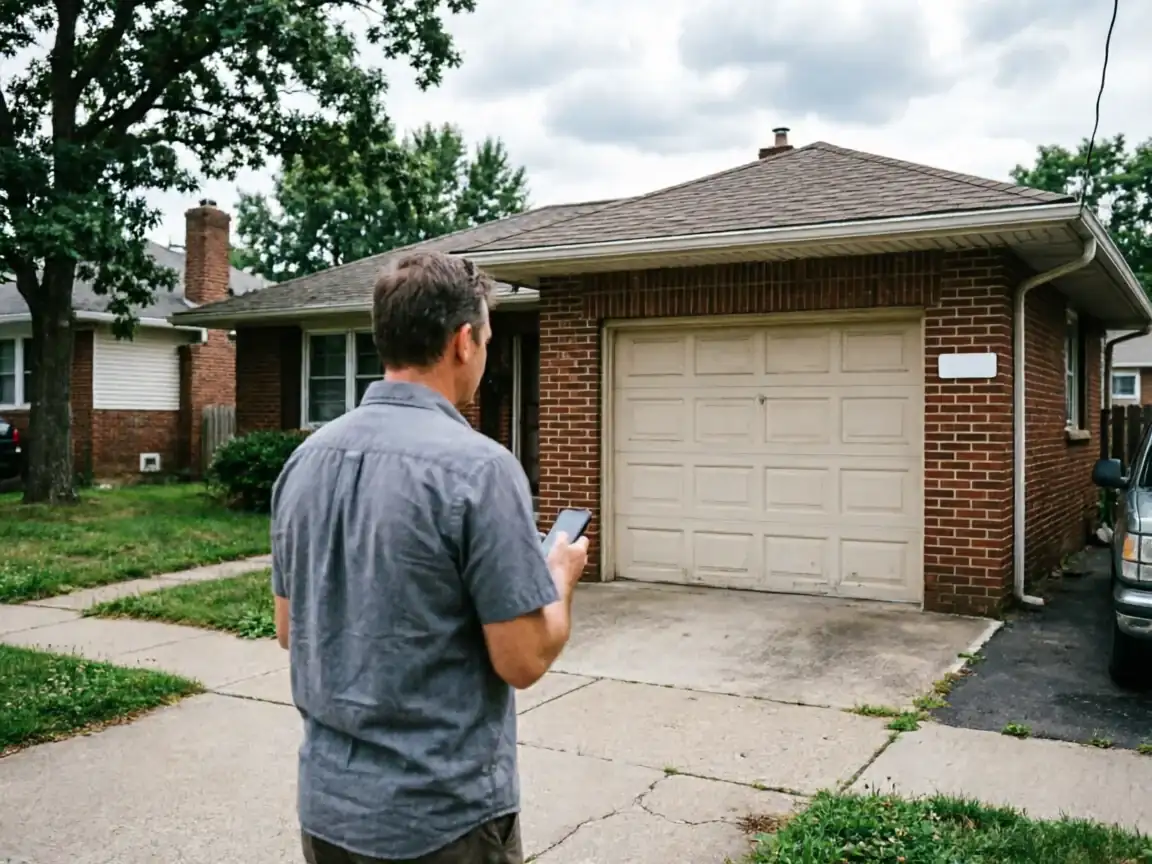
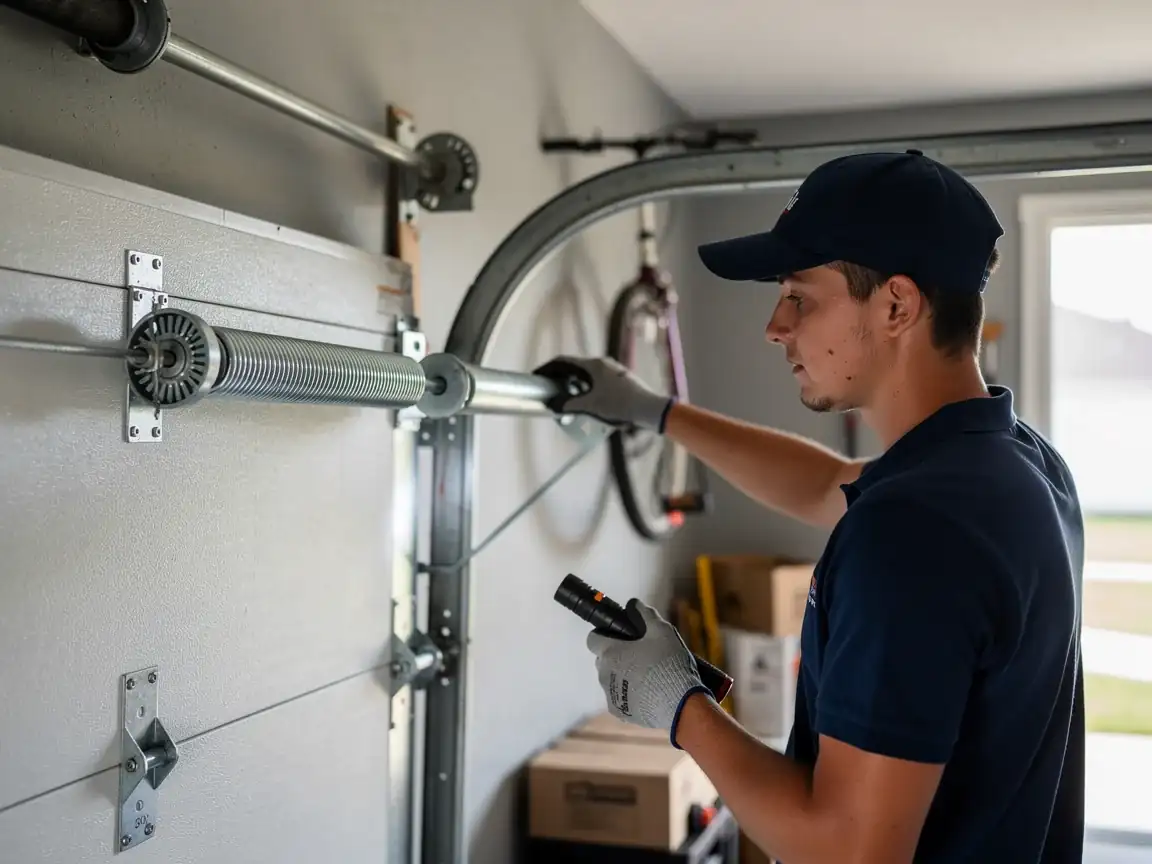
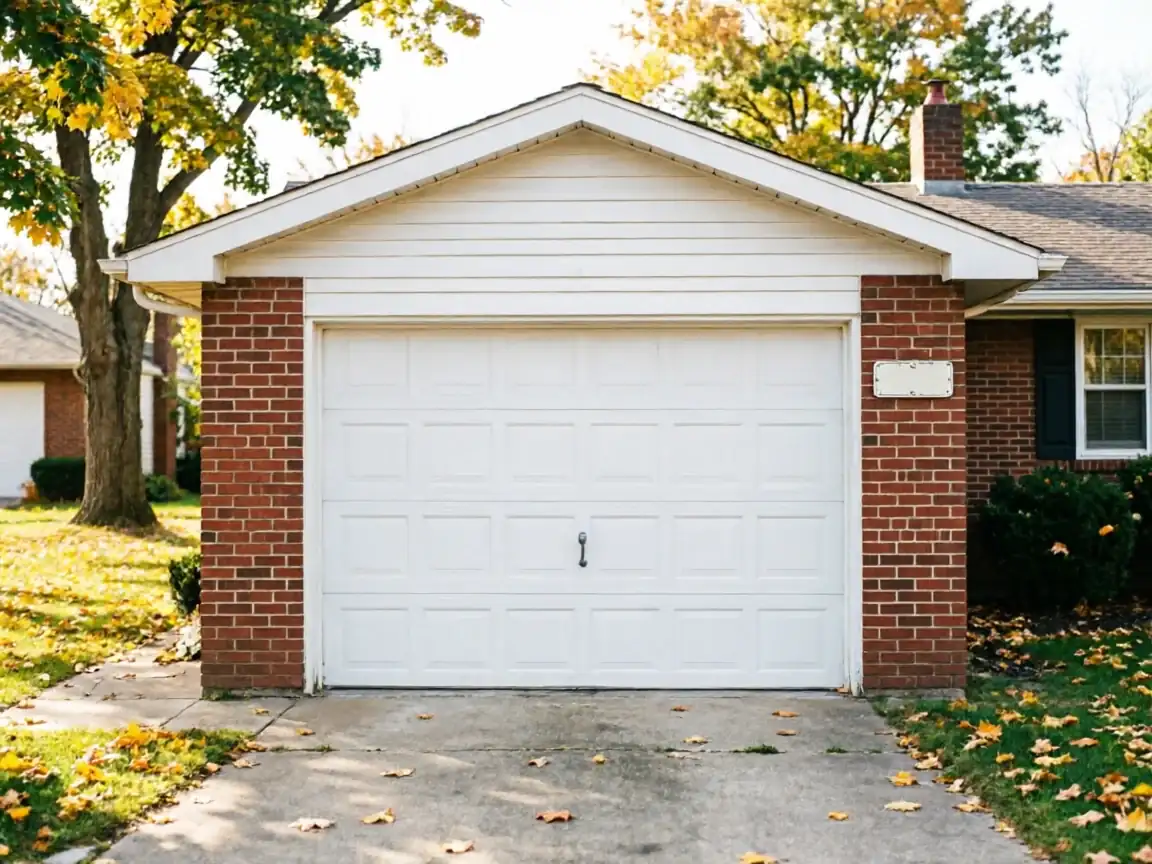
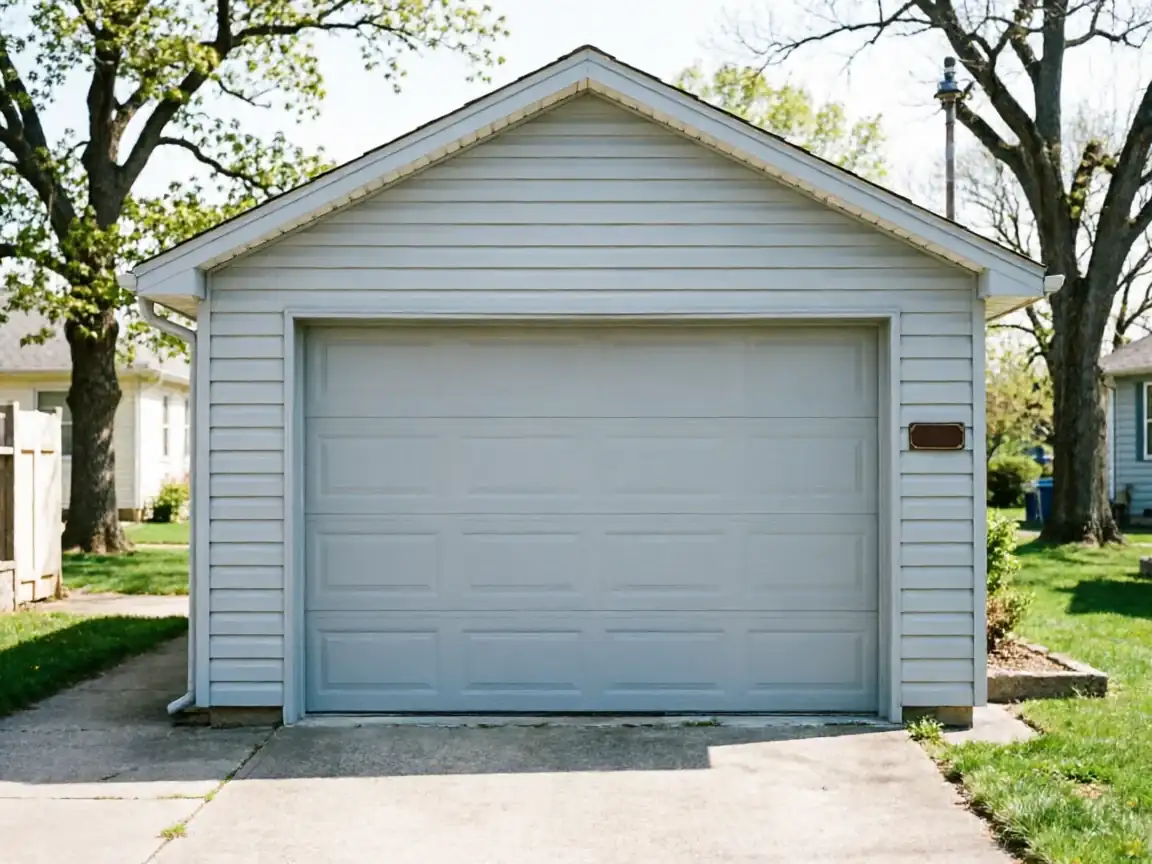
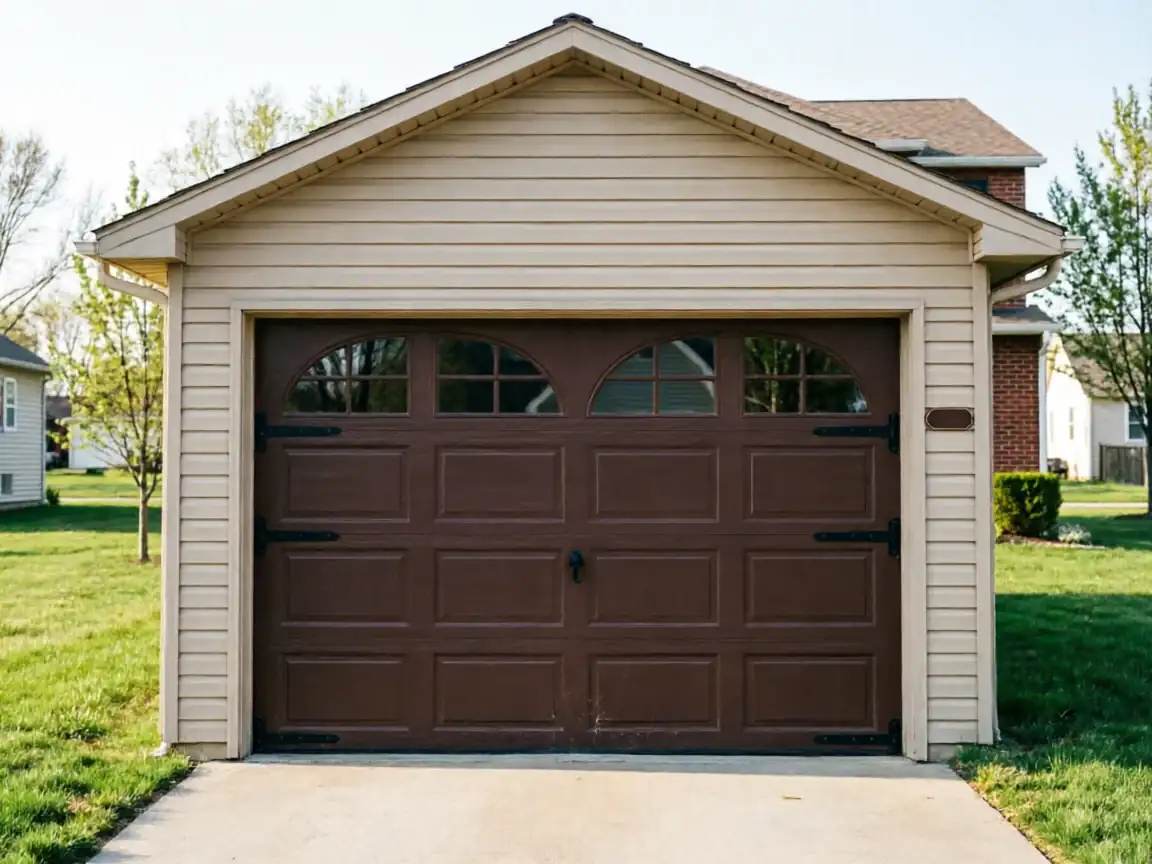
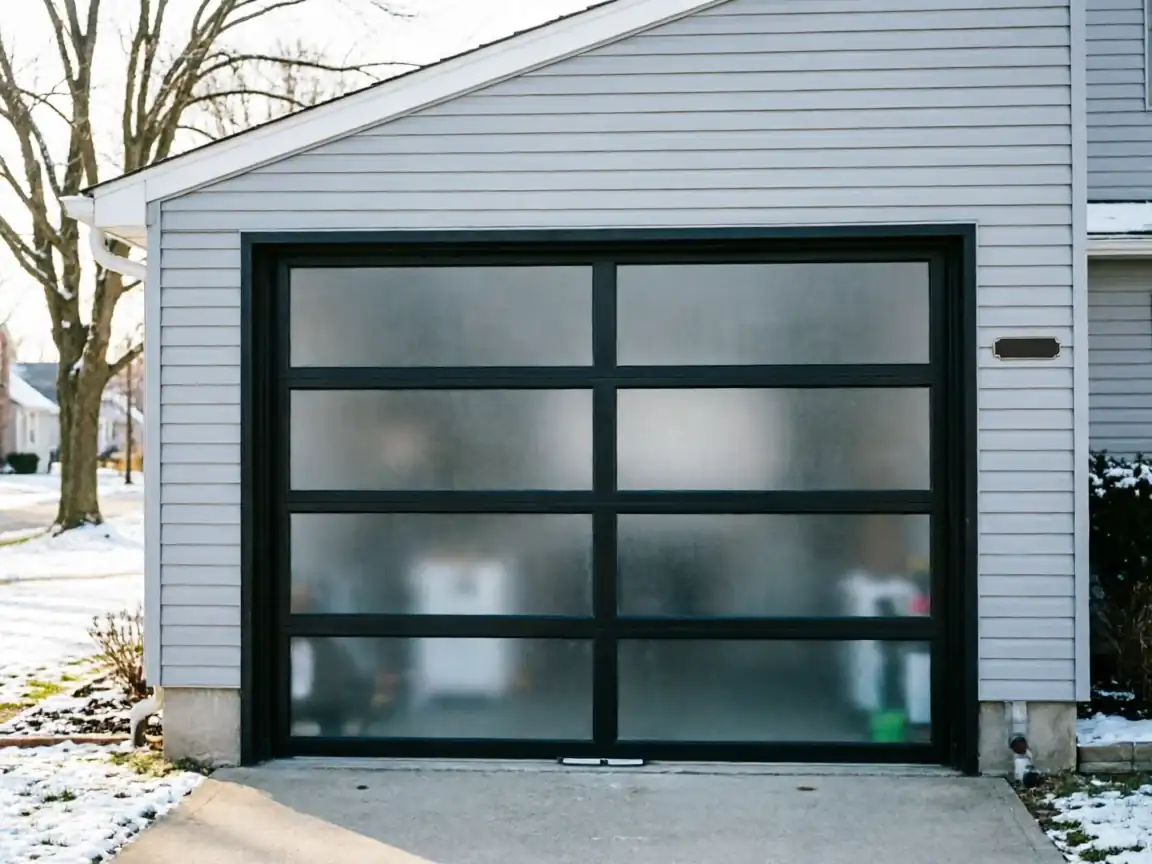
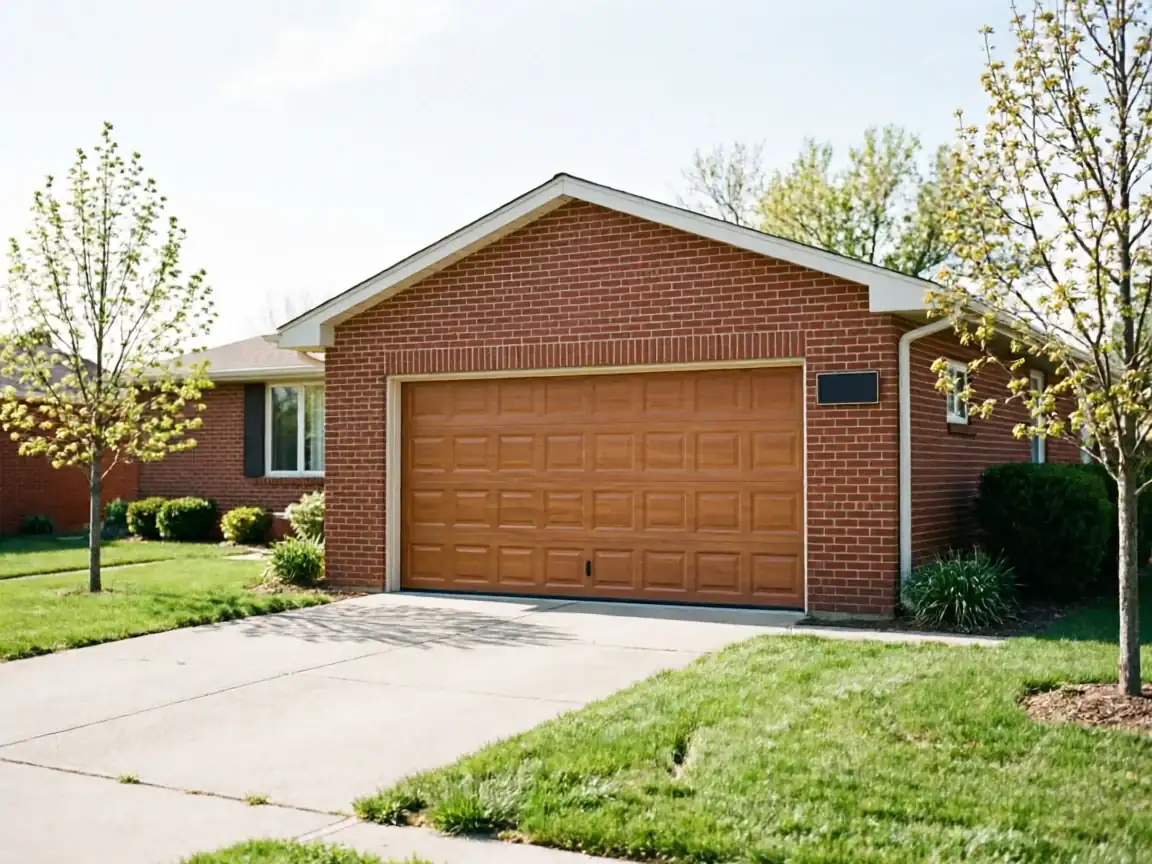
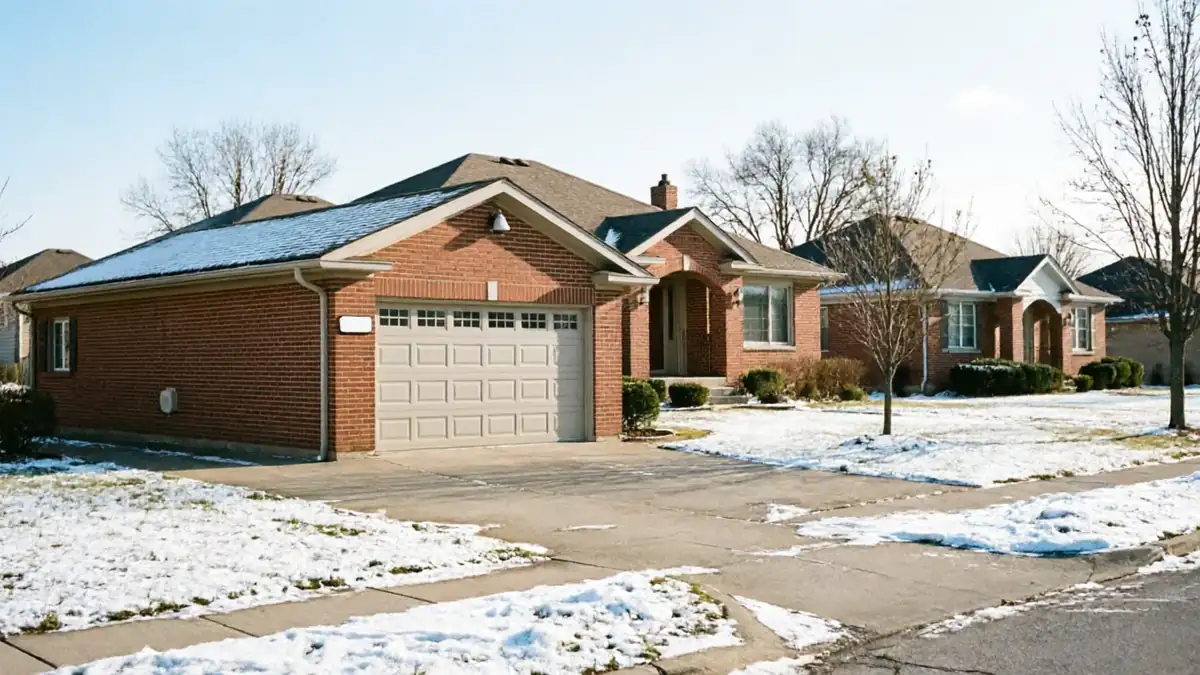
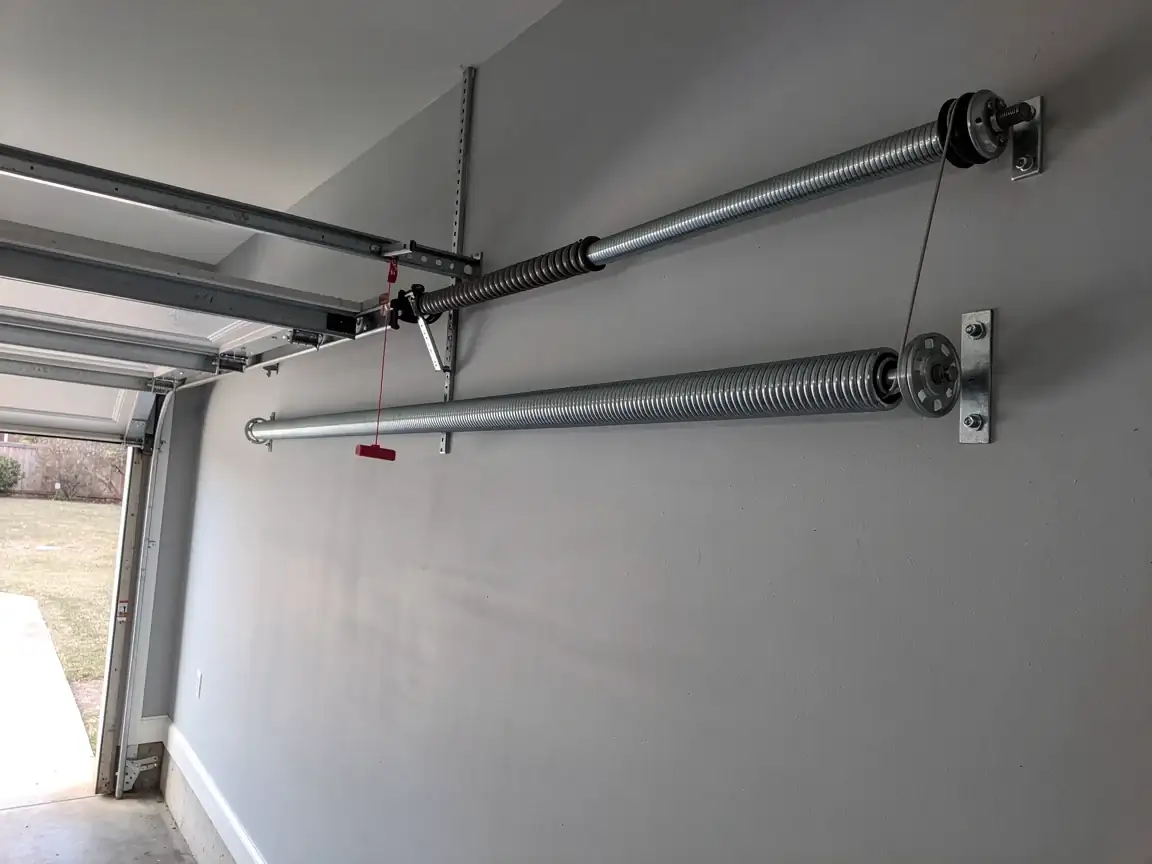
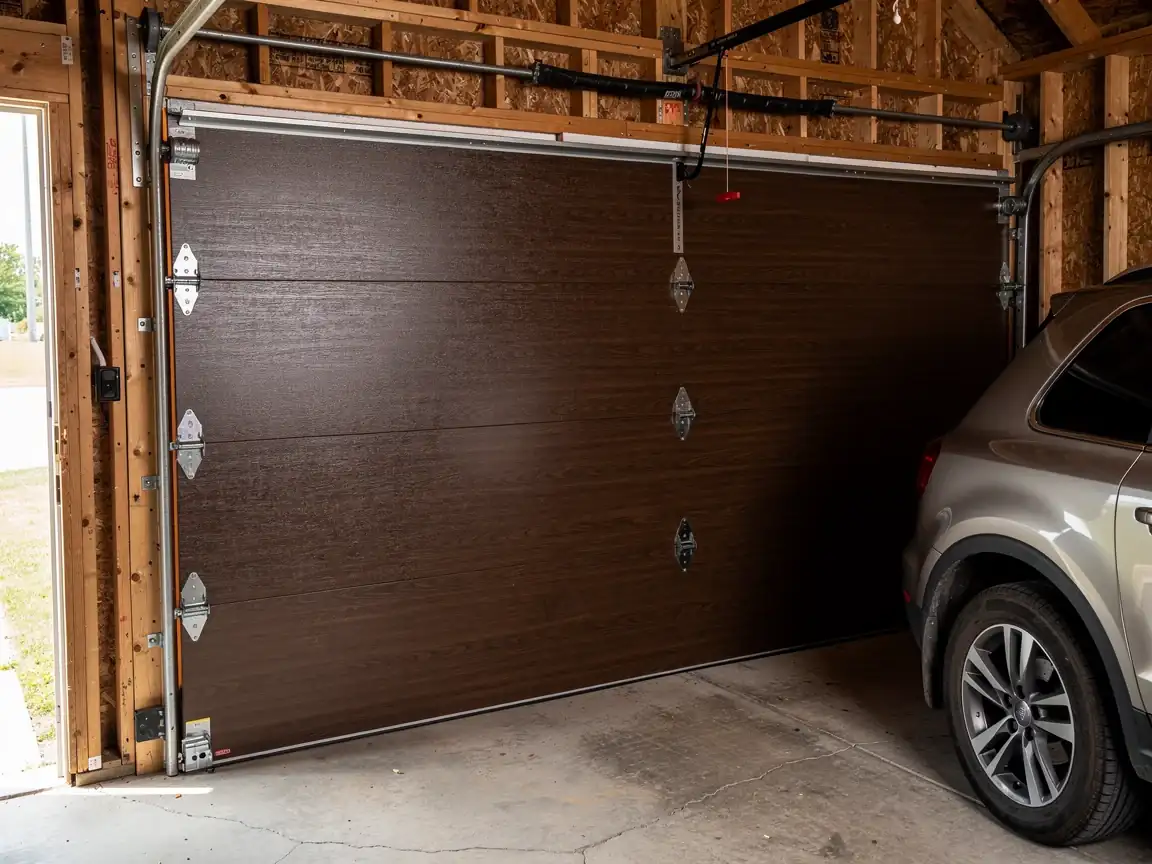
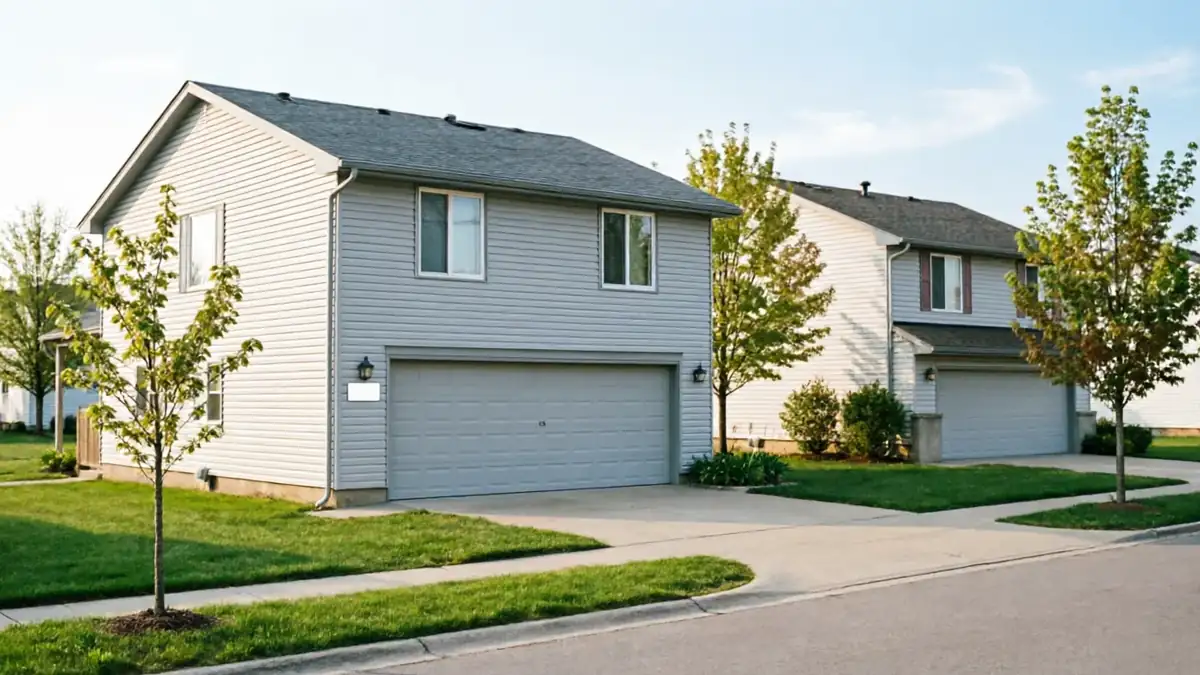
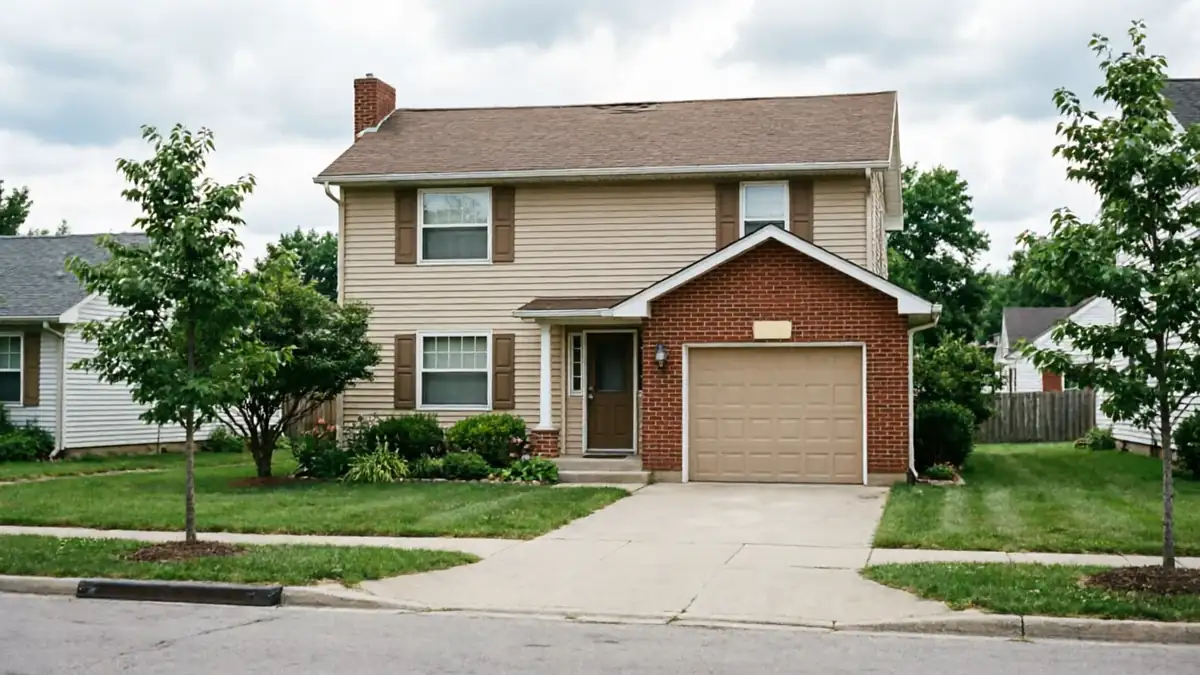
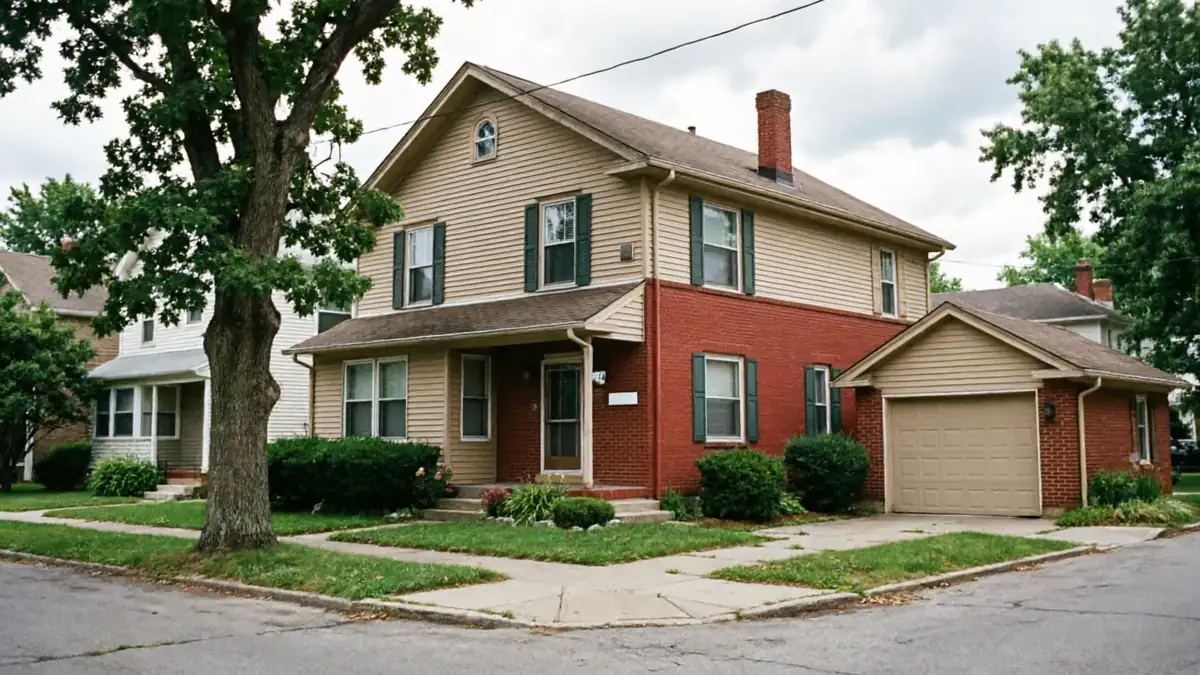
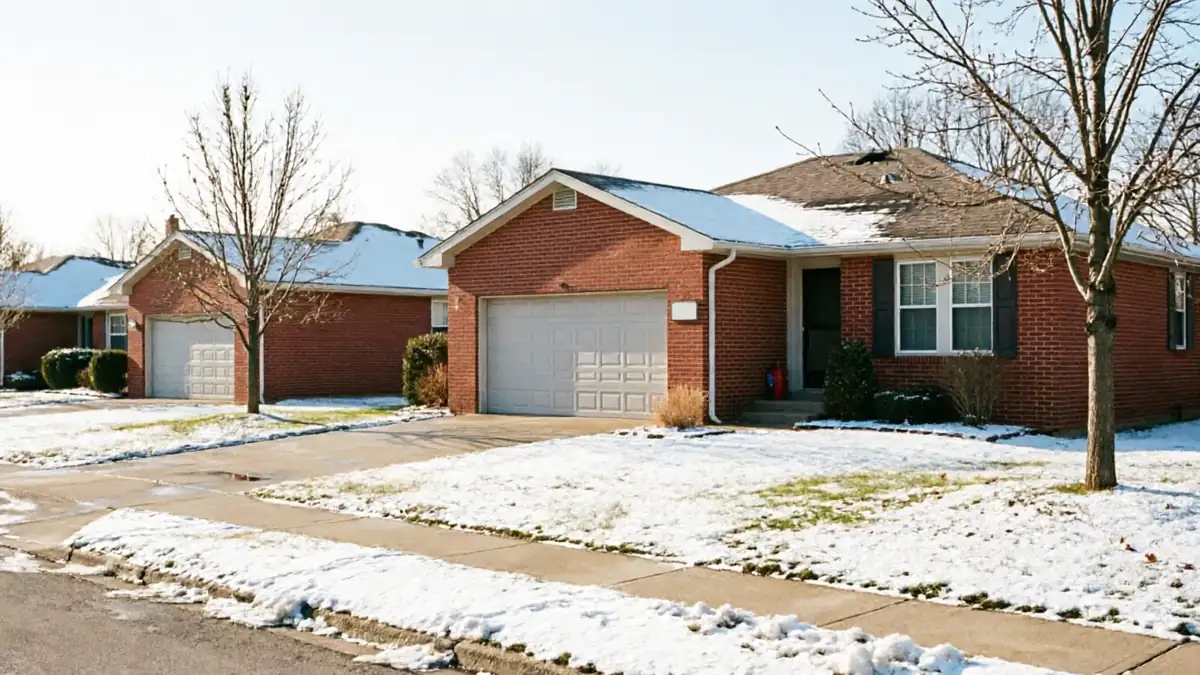
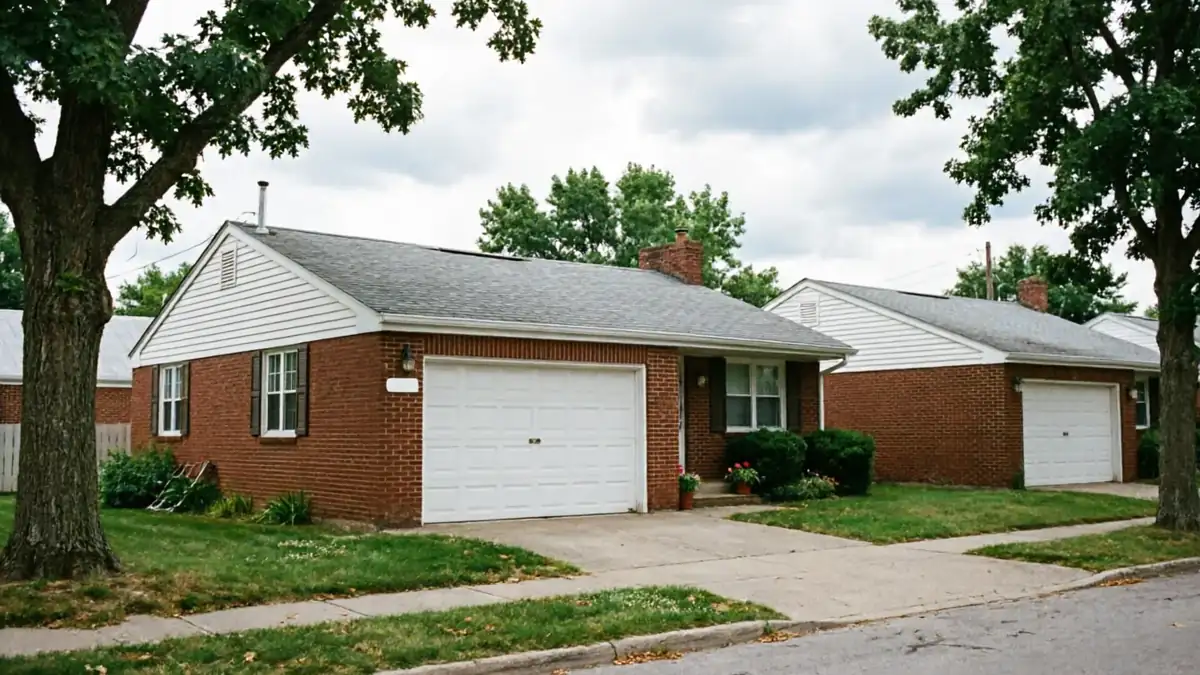
Here's the part that actually matters: the median year built in this part of Romeoville is 1998. That's a different animal from the broader coverage area we work, where homes span 1938 to 2004 with a median closer to 1970. A door installed in a 1998 build is a different generation of hardware entirely from one installed in a 1970 build - extension springs give way to torsion setups as standard, steel sectional doors replace the older one-piece swing-up style, and openers start showing up wired for photo-eye safety sensors required by code changes from that era. If you own a Romeoville house near that median age, you're not dealing with the same parts problem as a homeowner in one of the 1960s pockets elsewhere in our area. You're dealing with factory-standard torsion hardware that's now pushing 25-plus years old - old enough for springs and rollers to be worn out, young enough that replacement parts are still easy to source.
What People Here Ring About
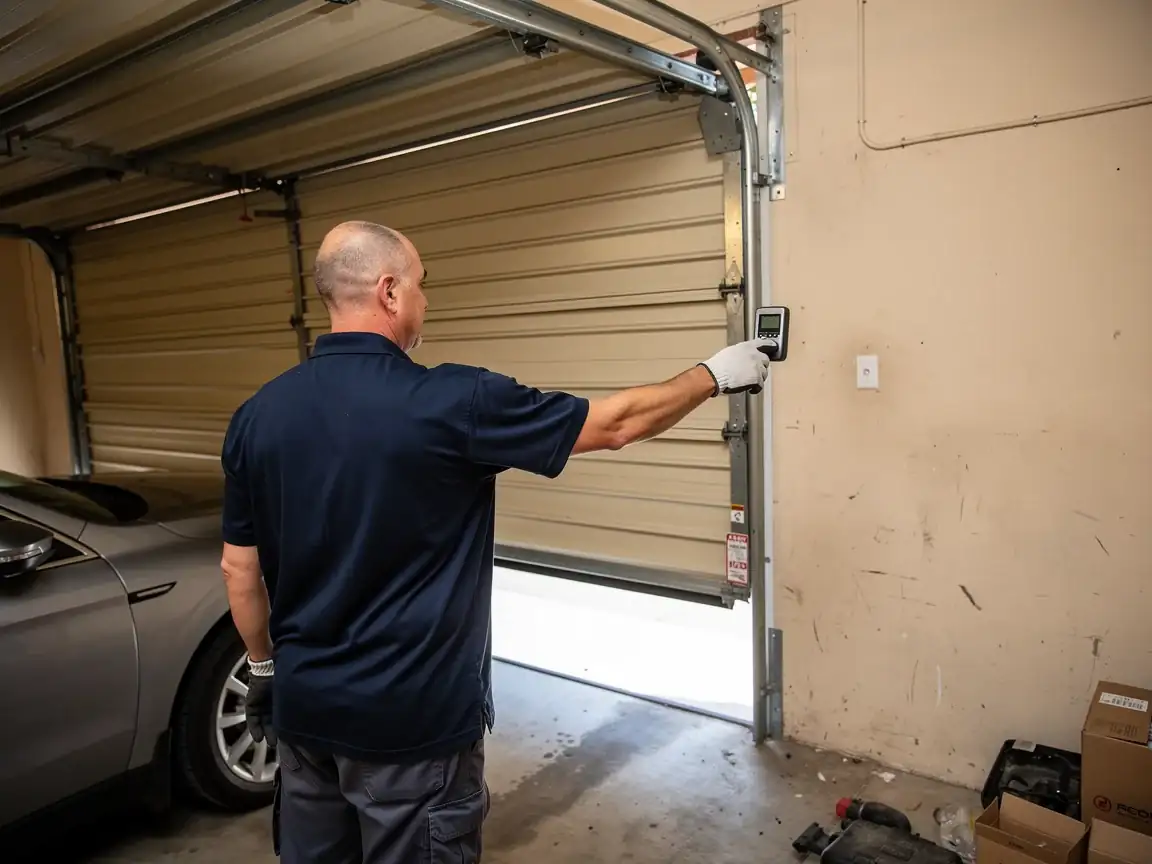
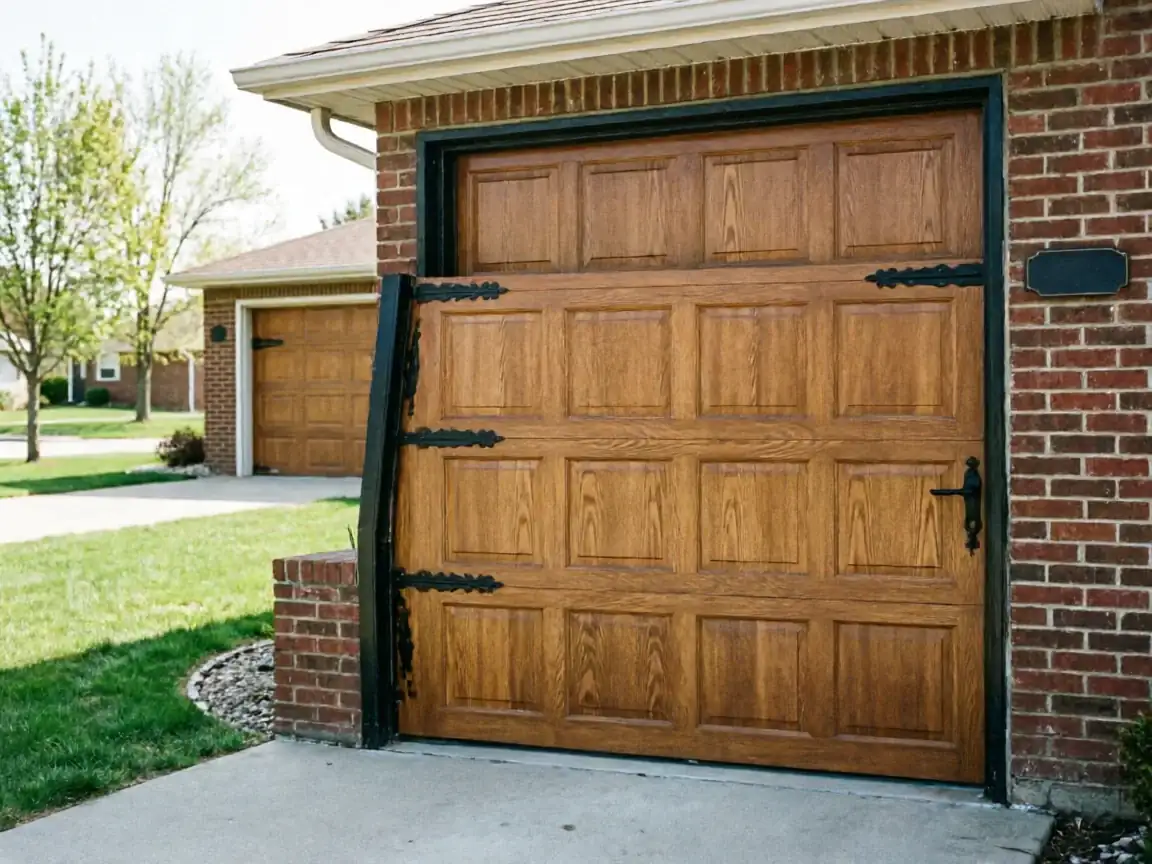
Most of the calls we take from this part of town land in two buckets: opener trouble and spring failure on torsion systems from that late-90s/2000s build wave. Photo-eye sensors knocked out of alignment are common - a bump from a bike, a nudge from a car bumper, and the door starts reversing before it closes. Torsion springs on doors this age are reaching the end of their practical cycle count, so we see a fair number of snapped springs on a door that otherwise looks fine. We also get calls about rollers that have gone loud or stiff - nylon rollers from this construction era wear out predictably around now. What we don't see much of here are the one-piece swing-up doors or the obsolete side-mounted hardware that shows up on older stock elsewhere in our coverage. That's a Romeoville-specific pattern tied to when these houses went up, not a guess.