The Drive Over
We run out to Palos Park from our base in Orland Park, about 4 miles east
It's a short haul, not a different region, so you're not paying for distance when you call - you're paying for the job. We don't keep a crew stationed in Palos Park, and we're not going to pretend otherwise; what we do is get a truck there the same way we'd get to any stop along that stretch. If you've called around and heard someone claim a local depot in a town this size, be skeptical. Most garage door outfits around here work the whole southwest suburb corridor from one or two shops, not a branch on every corner.
- 4 miles
What matters more than the drive is what we find when we pull up
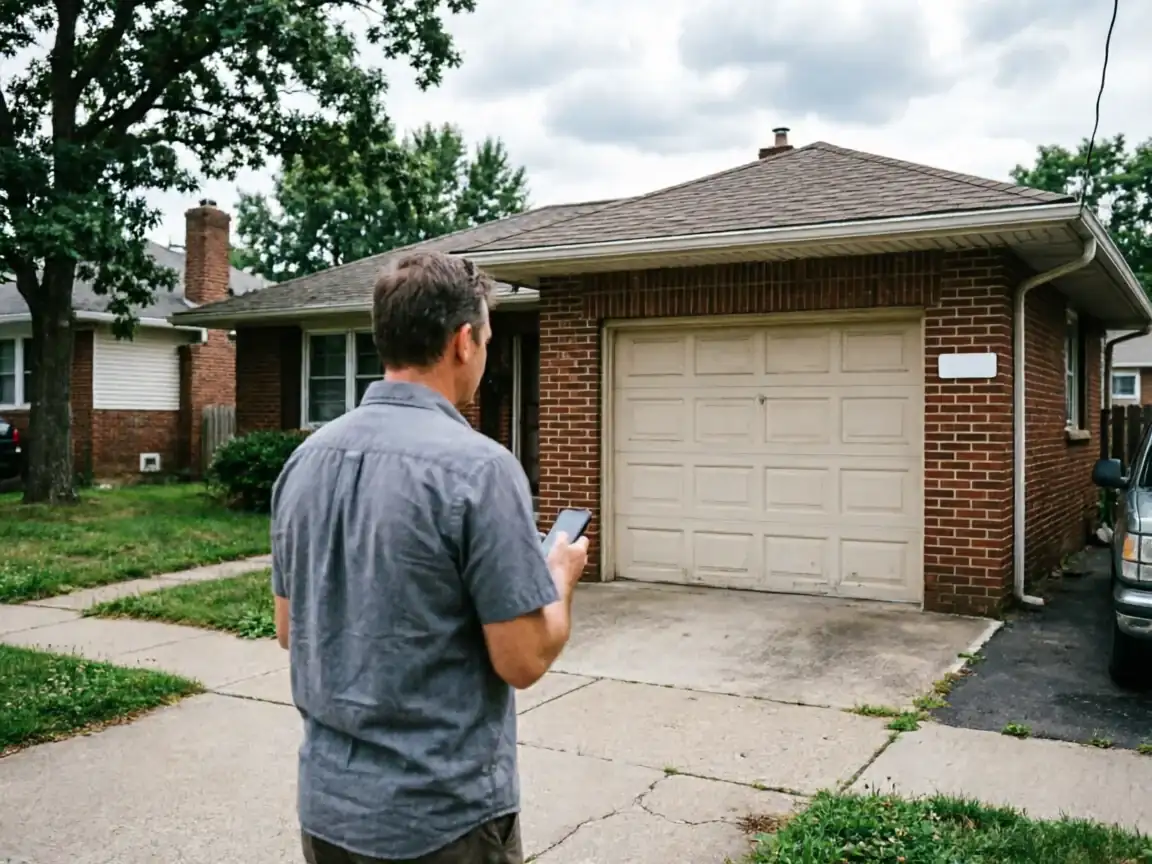
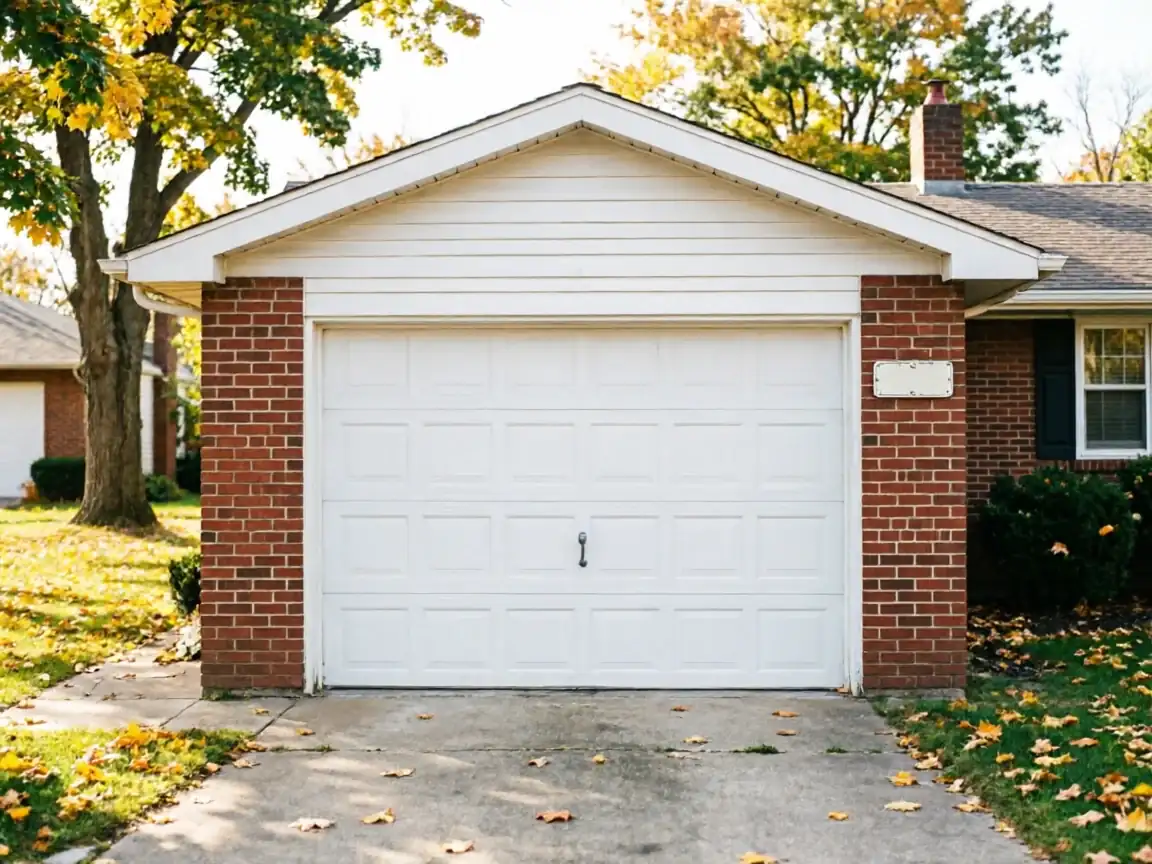
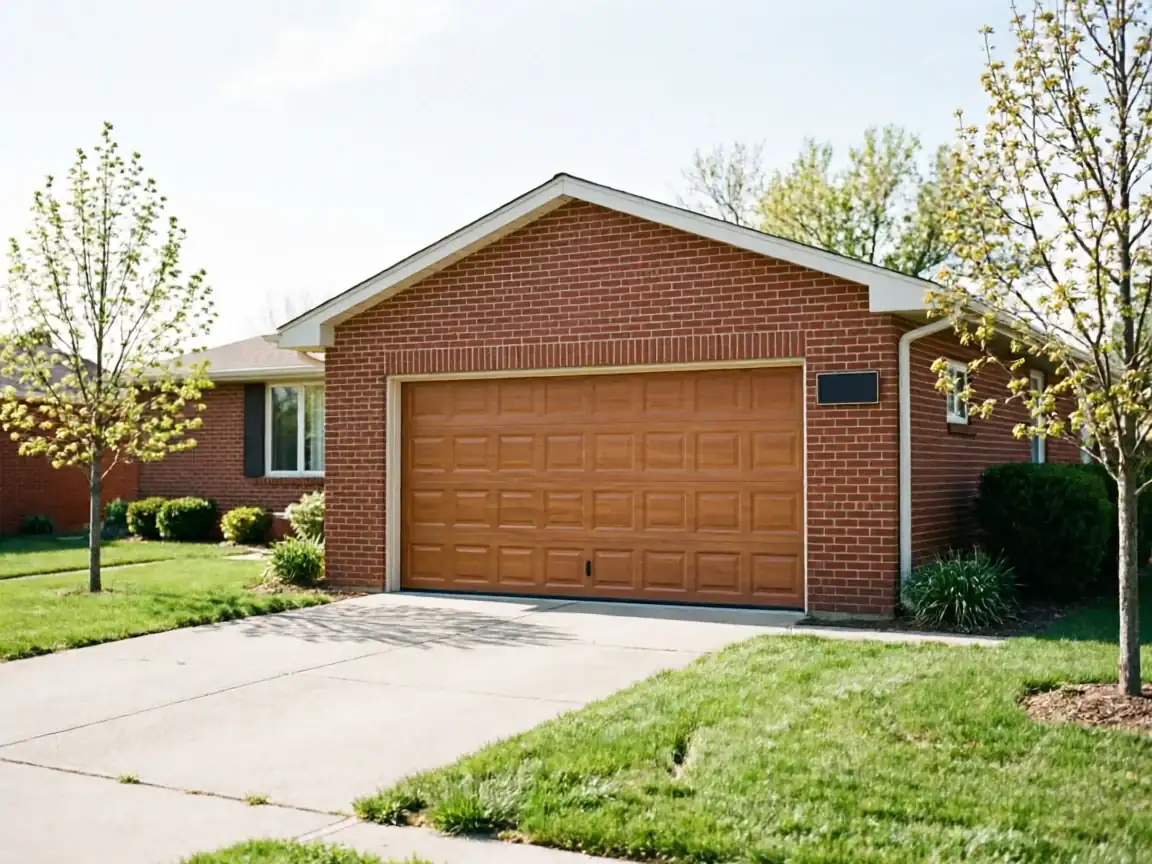
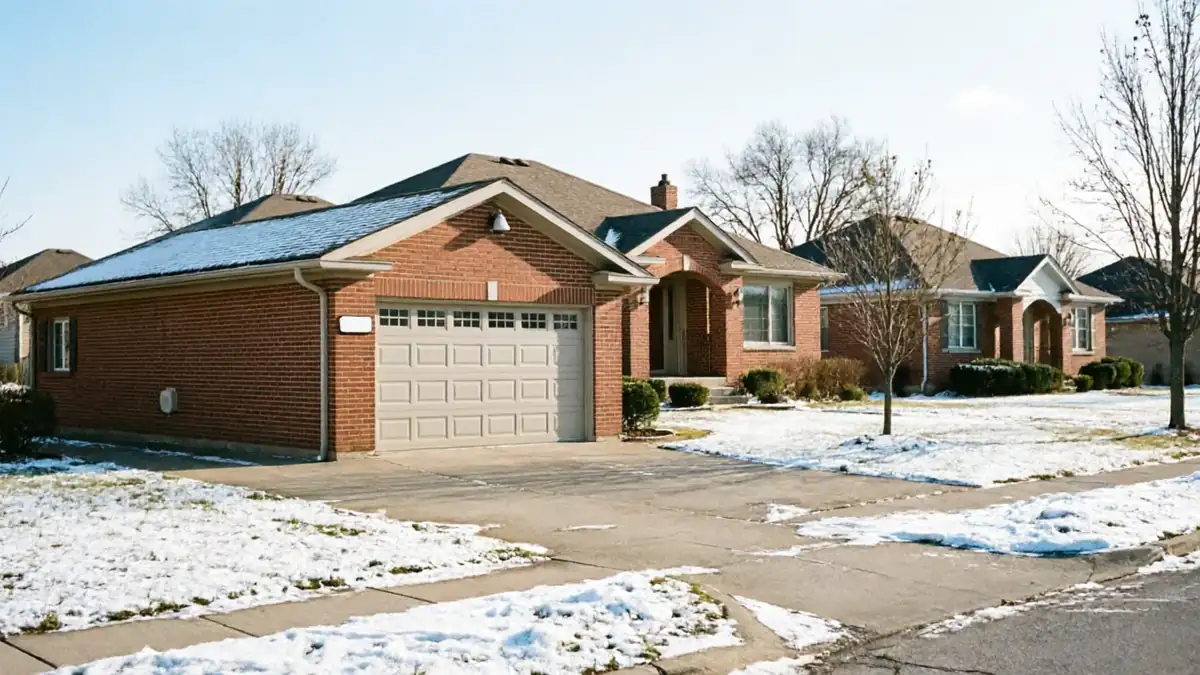
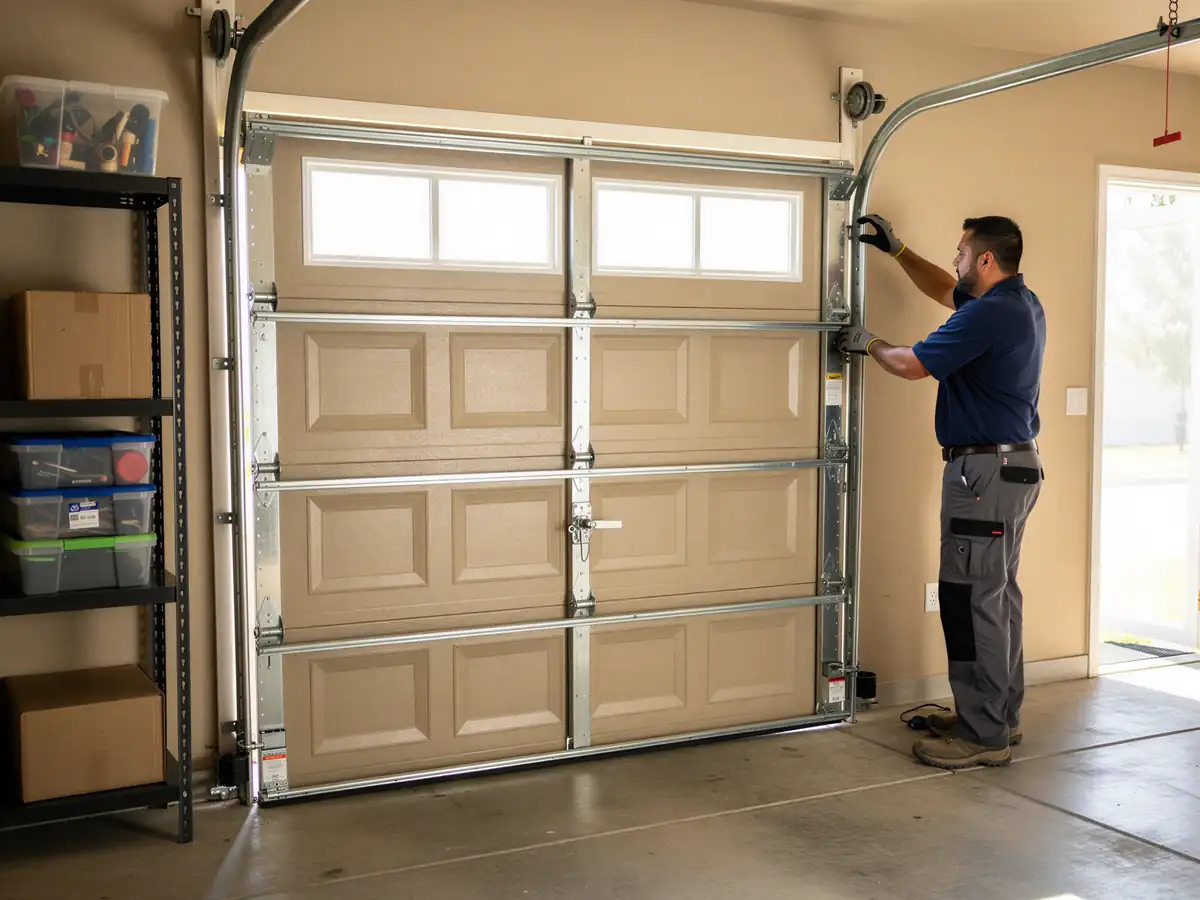
Palos Park isn't a cookie-cutter subdivision built in one five-year stretch - it's got a wooded, larger-lot feel, and the garages reflect decades of building rather than one developer's catalog. That changes what we bring on the truck before we even ring the bell.
What Was Built Here
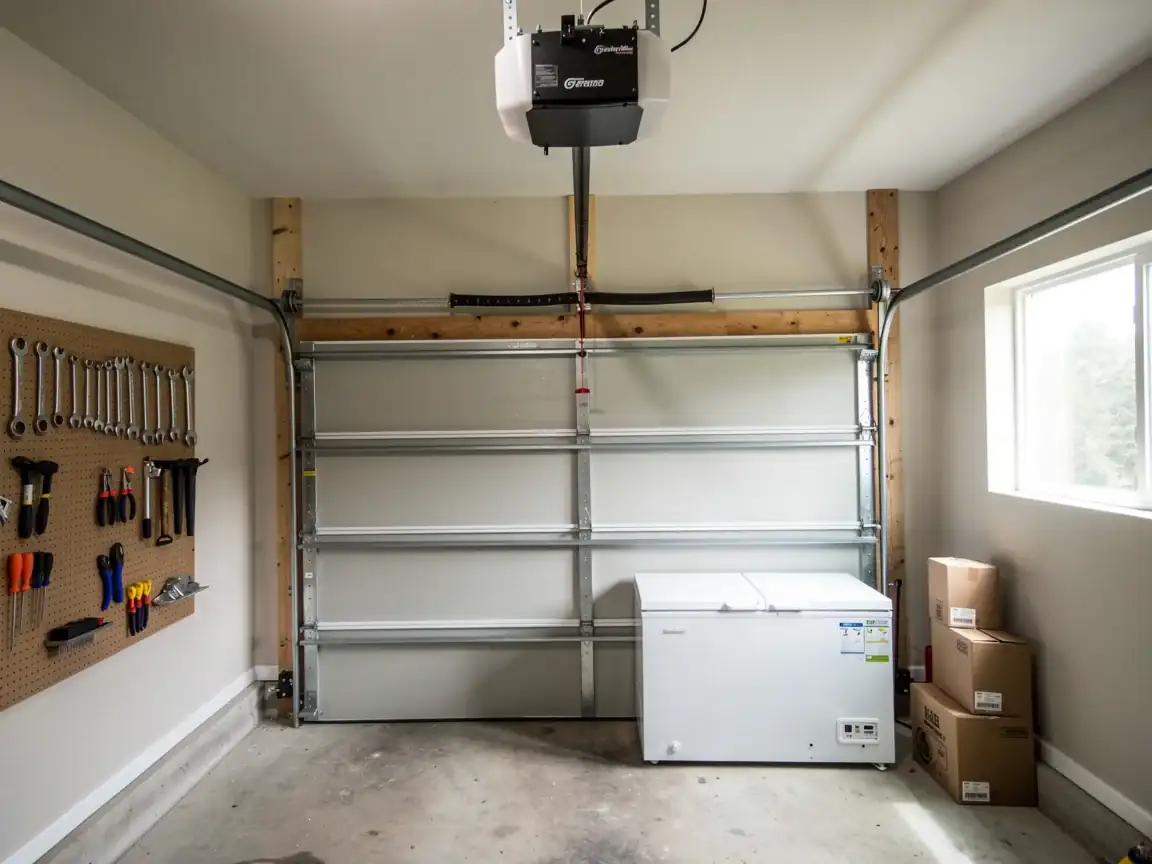
The median house in Palos Park went up around 1974, which puts most garages here squarely in the early steel-door, chain-drive-opener era - a full generation past the oldest wood-panel one-piece doors you still see in some older pockets of the wider service area (where the build median runs closer to 1970 and stock dates back to 1938). That matters because a 1974 garage was built for a lighter door and a smaller motor than what gets sold today, and a lot of these openers and torsion setups are now on their second or third owner without ever being matched to the house.
With 2,052 households in Palos Park and a median income of $126,263 - well above the wider area's $79,442 - we see more owners choosing to replace rather than patch, and choosing heavier insulated doors and quieter belt-drive openers than the original builder-grade gear. That's a real shift from what we find in sections of the service area built earlier, where repair-and-keep is still the norm. It's not about the town being newer or older in some abstract sense - it's that the hardware installed in 1974 just doesn't match what's sold or stocked now, and replacing parts piecemeal stops making sense past a certain point.
What People Here Ring About
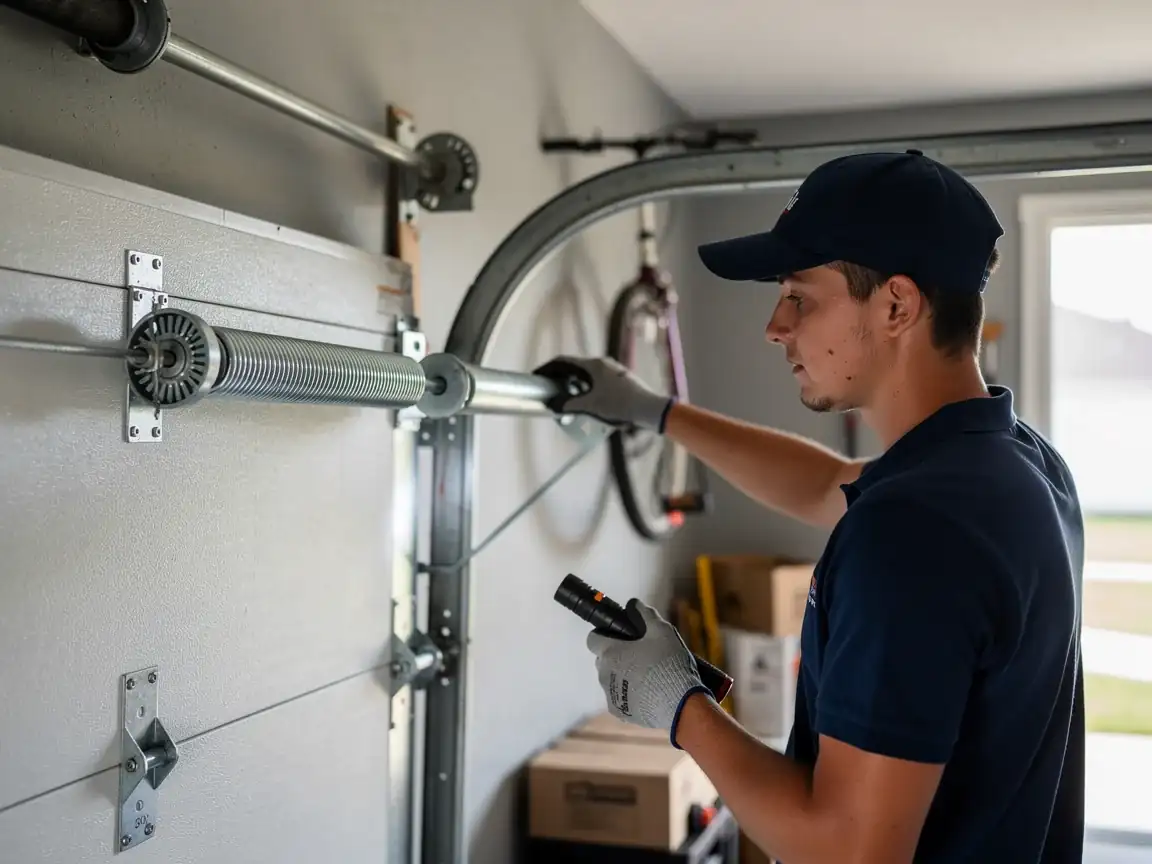
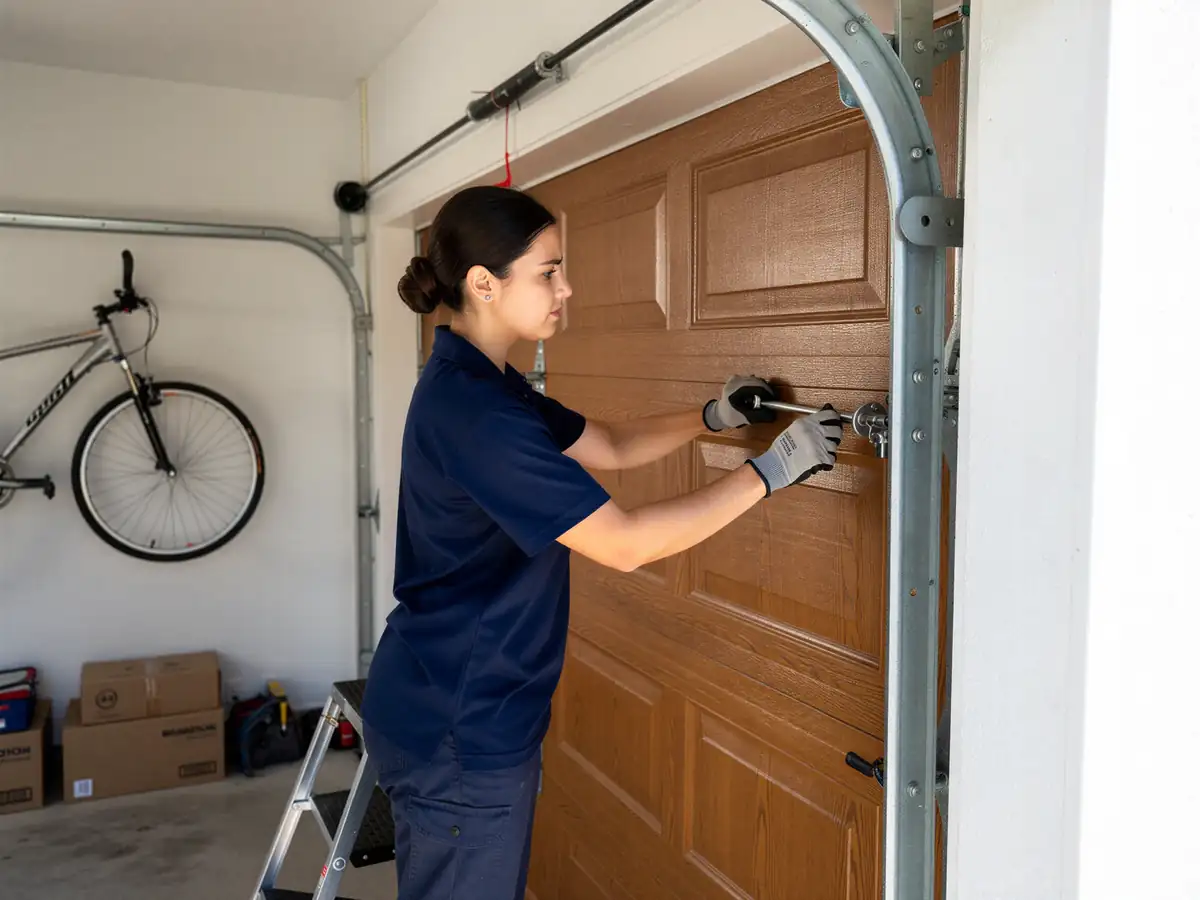
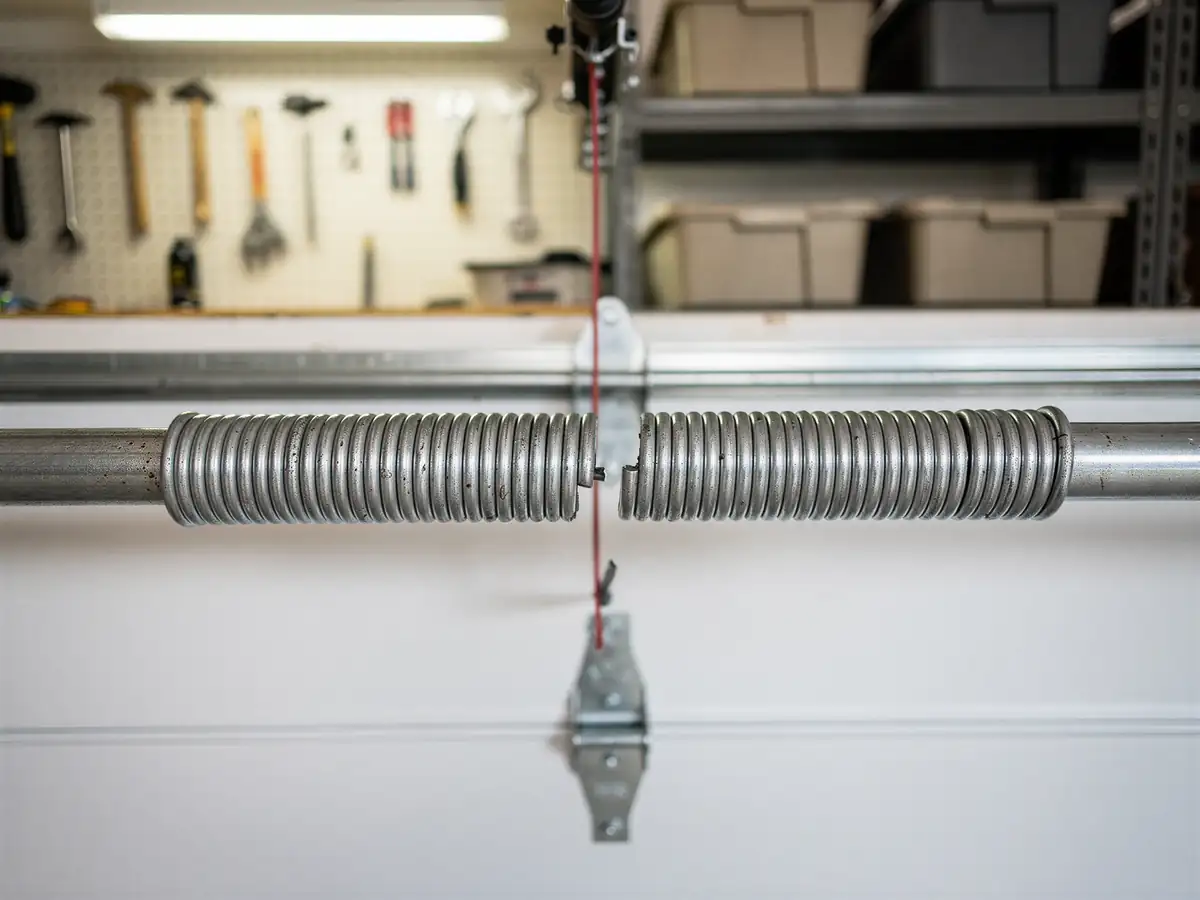
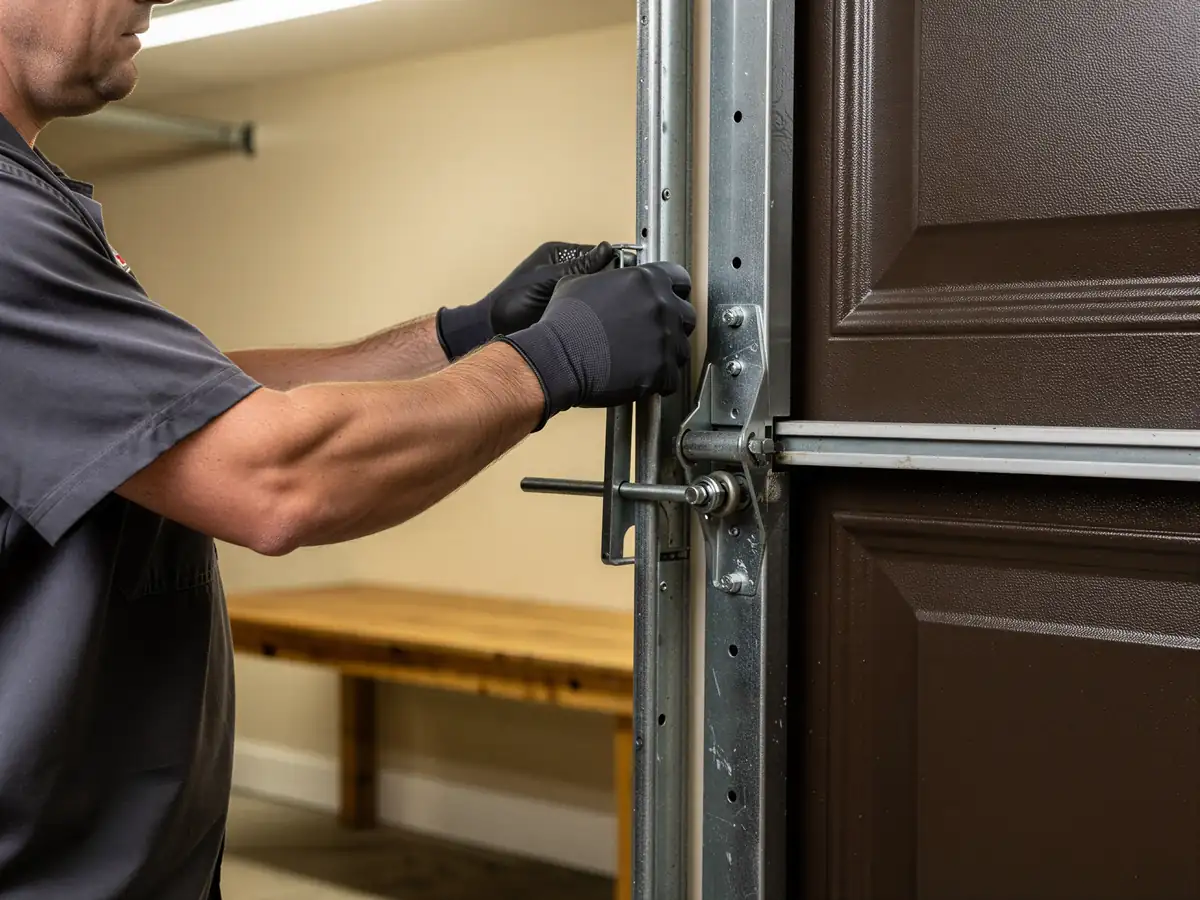
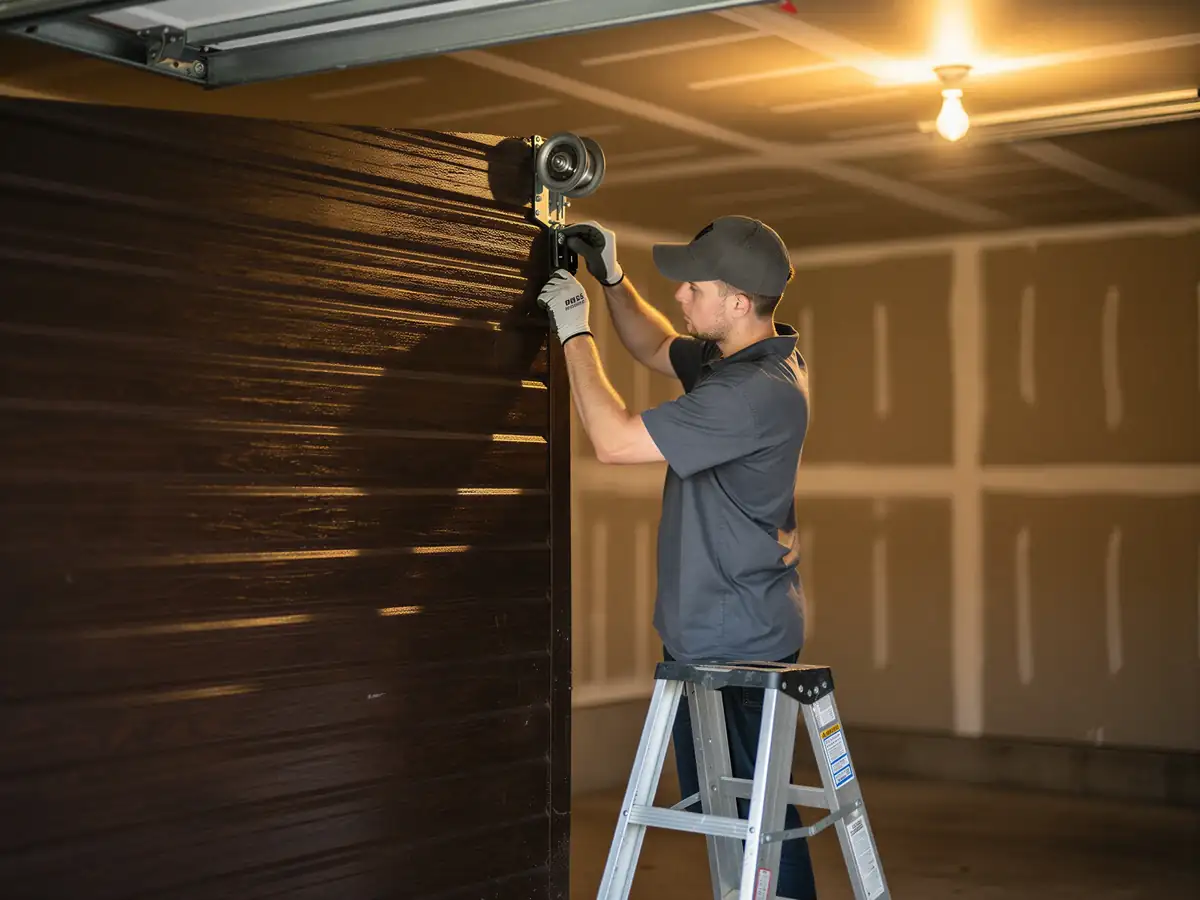
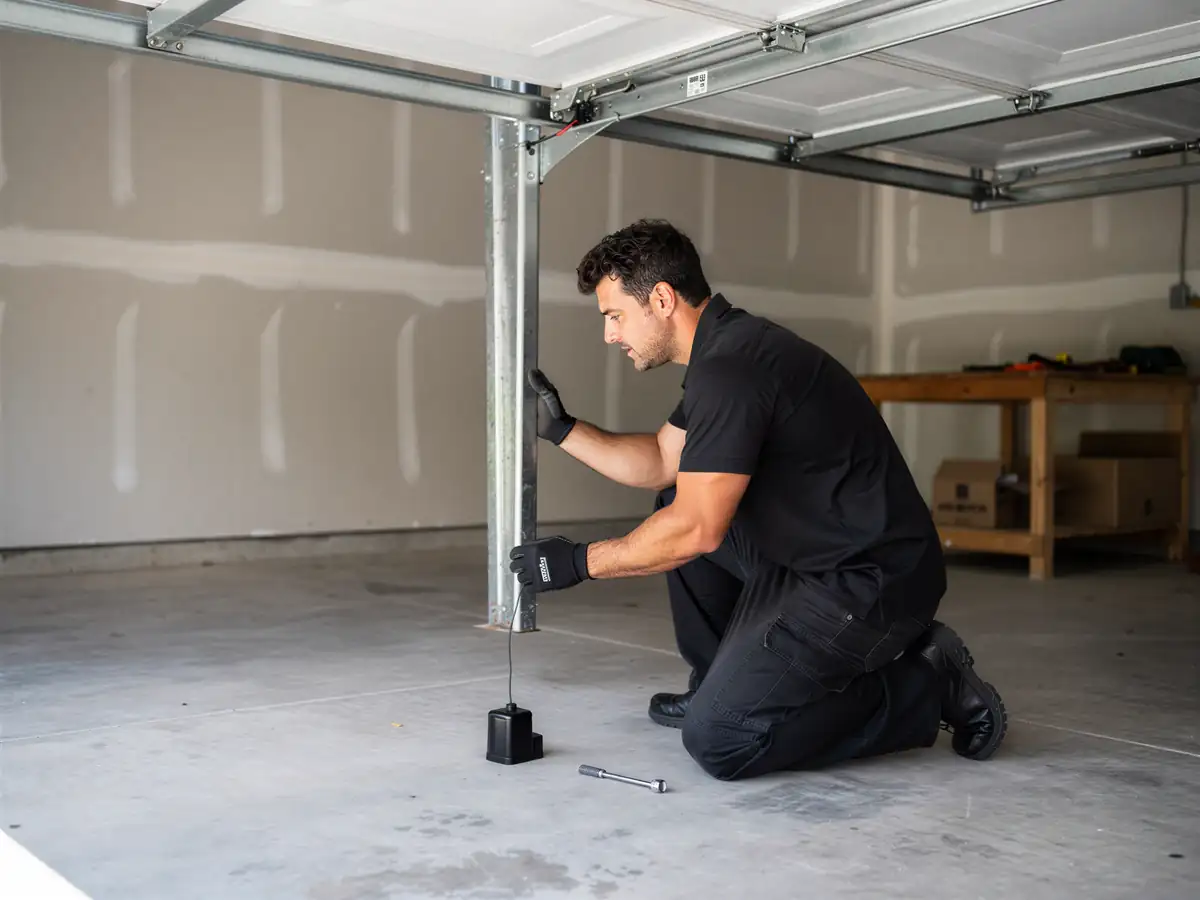
The calls we get from Palos Park skew toward openers and springs rather than rotted panels or rusted-through tracks, which tracks with a 1974-era build - these aren't 1940s one-piece wood doors falling apart from age, they're mid-70s steel sectional doors with torsion or extension springs that are simply tired after decades of cycling. A broken torsion spring on a double door is probably our single most common call out this way.
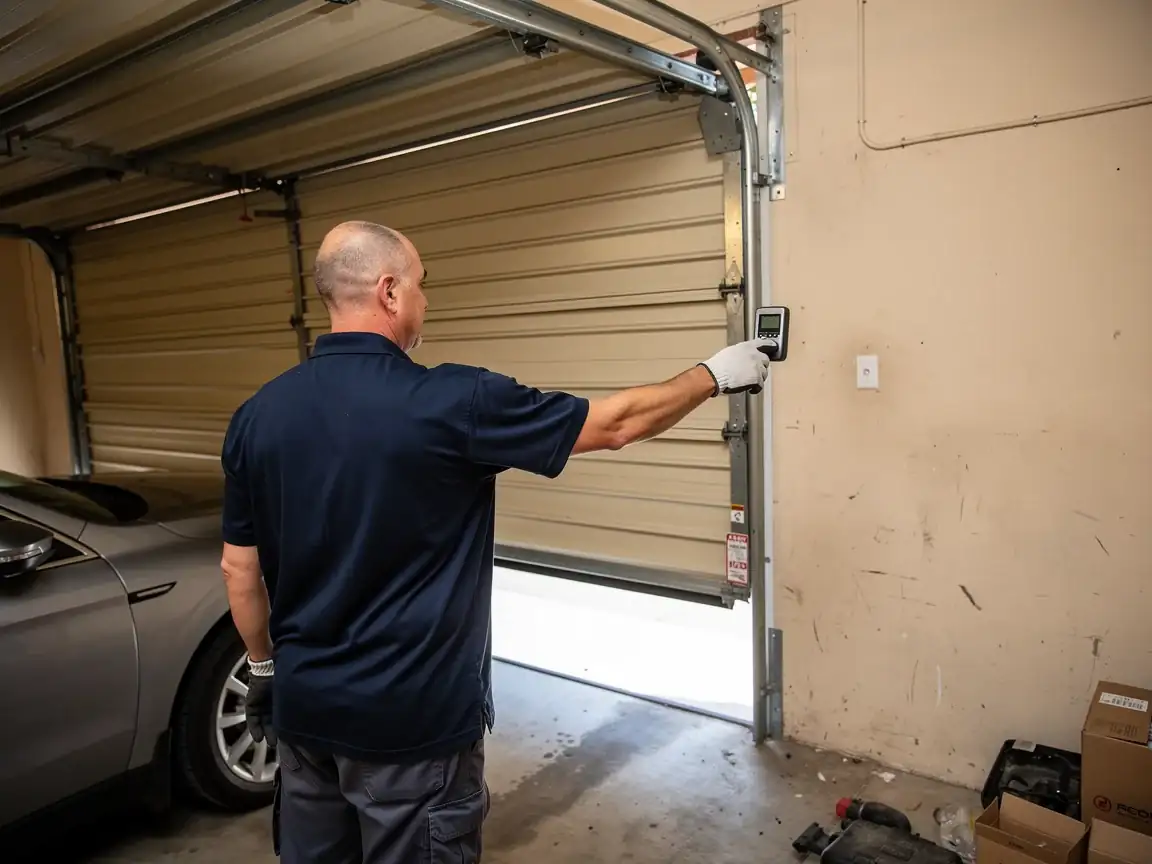
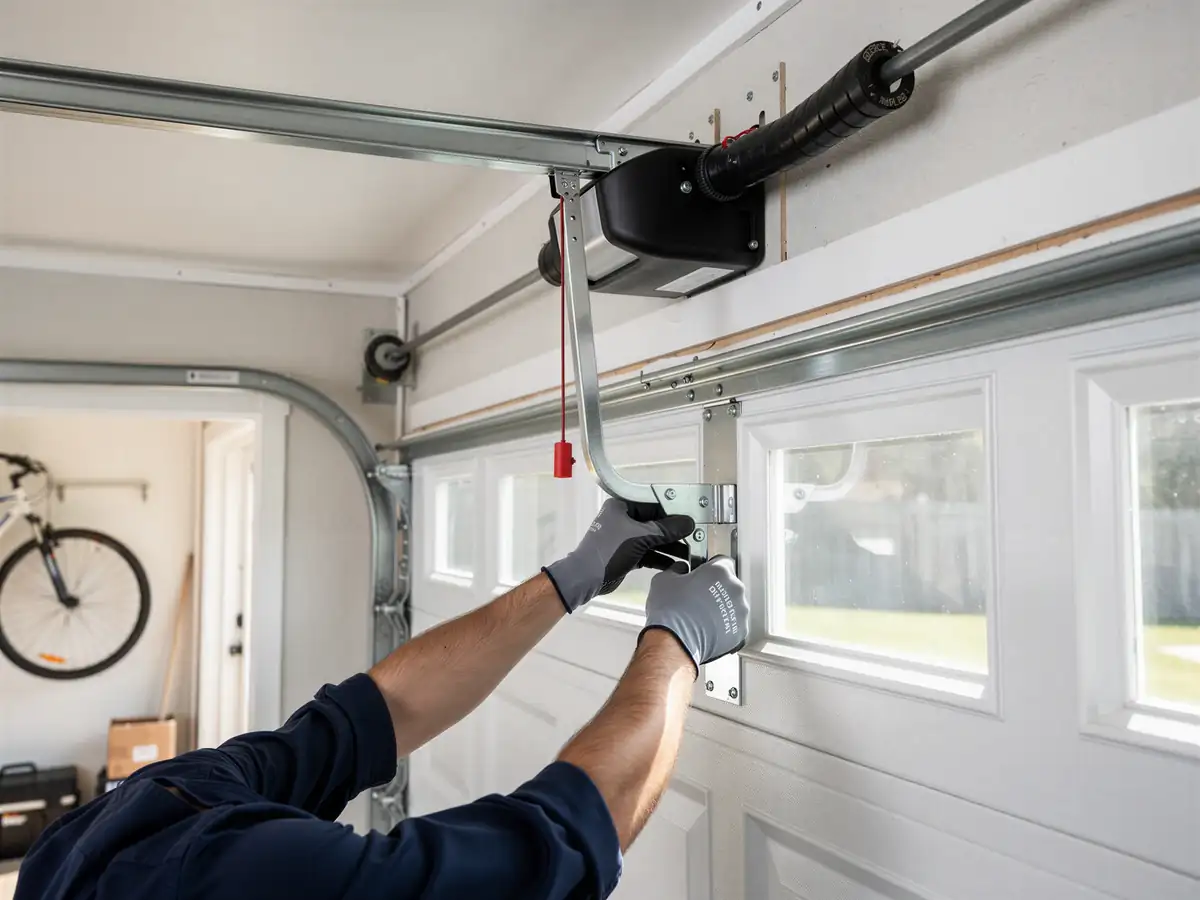
We also hear from owners whose chain-drive opener has started grinding or skipping - normal for a unit installed decades ago, not a sign anything was done wrong. Given the income level and lot sizes typical of Palos Park, we also get more calls about insulated door upgrades and opener replacements done proactively, before something fails outright, than we do in tighter, older subdivisions elsewhere in the area.
What That Means for Doors
The service area sits in a cold-moderate climate band
And a 1974 steel door in Palos Park has had fifty winters of expansion and contraction on its hardware - rollers, hinges, and track brackets wear at a different pace than they would on a door half that age. That's the main thing we check first on any call here: not whether the door looks fine, but whether the torsion spring and roller set still match the door's actual weight after this many years of temperature swings.
One honest limit: if your opener or spring assembly is an odd early-70s size that's since been discontinued
We may need to order the part rather than carry it on the truck, and that can add a day or two. We'd rather tell you that up front than promise same-visit parts we don't have.