Serving Orland Park, IL & nearby
(708) 251-9730
Orland Park, IL

When a Spring Goes in Cold Weather, Here's What's Actually Happening

Why torsion springs on Orland Park garages fail in cold snaps, what the job tends to involve on this area's 1960s-70s housing stock, and how to check your own door safely first.

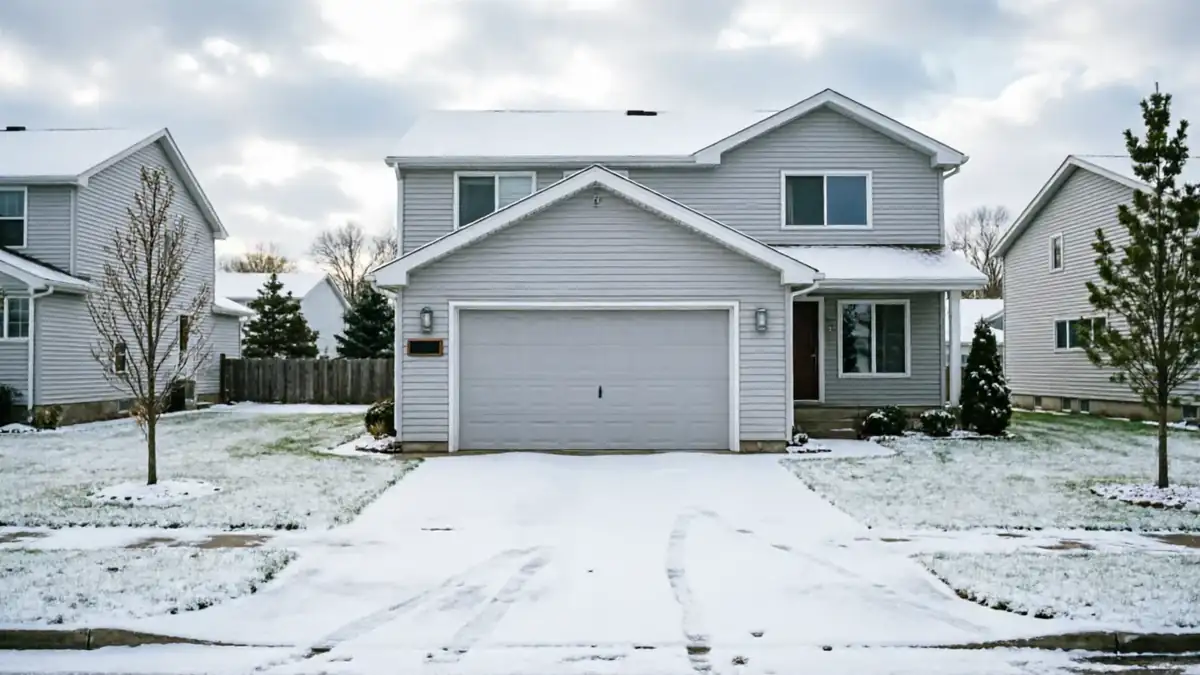
A light gray house with a matching garage door and snow on the roof and lawn.

The Cost of This Job

  1. We can't quote a number without seeing the door

    And anyone who does over the phone is guessing. What drives the cost on a spring job here isn't the brand of torsion spring, it's the house behind it. A lot of garages in this service area were built in the 1960s and 70s, with the broader range running 1938 to 2004 and the center of that curve sitting around 1970. A house from that era might still have its original single-spring setup on a double door, which means the whole shaft, drums, and cable system may need to come up to a safer two-spring standard rather than a straight swap. That's a different job than replacing a spring on a door built in 2004 with a modern opener and factory-matched hardware.

  2. Median household income across the area runs $79,442

    Which puts a full torsion upgrade within reach for most owners here, but it's still worth asking for the breakdown of parts versus labor before you sign off. The honest limitation: if your opener, track, and rollers are all original to a 1970s build, fixing just the spring sometimes isn't the better bet once you add up what else is near the end of its life.

What Local Conditions Do

This area sits in a cold, moderate climate band, not the kind of deep-freeze that cracks concrete, but enough cold to matter to a coiled piece of tempered steel. Torsion springs are heat-treated to hold their tension at a certain range. When the metal sits below that range for days at a time, which happens through a normal Orland Park winter, the steel gets brittle at the microscopic level before it ever shows a visible crack. The spring that's been fine for years can let go on an ordinary cold morning, often on the first or second cycle after a hard overnight drop.

It's not usually the cold snap itself that breaks the spring. It's the spring that was already near the end of its rated cycle count, weakened by years of expansion and contraction, finally giving out on the day the temperature makes the steel least forgiving. That's why late fall and the coldest stretch of winter are when we see the call volume shift toward springs rather than openers or cables.

The Problem

Put the housing stock and the climate together and you get a specific failure pattern here. A large share of garages in the area are original to builds from the 1960s and 70s, which means the springs in them, if never replaced, are decades past any reasonable cycle rating. Across the 483,490 households and 252,172 owner-occupied houses in this service area, a meaningful number of those garages are still running whatever spring went in at construction, because nobody thinks about a torsion spring until it stops working.

A spring rated for roughly 10,000 cycles doesn't know it's 2024. It just counts openings and closings, and in a house from 1970 that's a lot of counting. Add a cold snap and you get the classic failure: a loud bang, the door won't lift, and the opener strains against dead weight it was never meant to carry alone. The spring is the part doing the real lifting work, not the opener motor, which is why a snapped spring stops the door completely rather than just slowing it down.

Checking It Yourself

  1. You can check for a broken spring without touching it

    Pull the manual release cord with the door closed and try lifting the door by hand. A door with a working spring should feel close to weightless and stay roughly where you leave it partway up. A door with a broken spring will feel heavy, drop on its own, or barely budge.

  2. Look at the spring itself, mounted above the door on the horizontal shaft

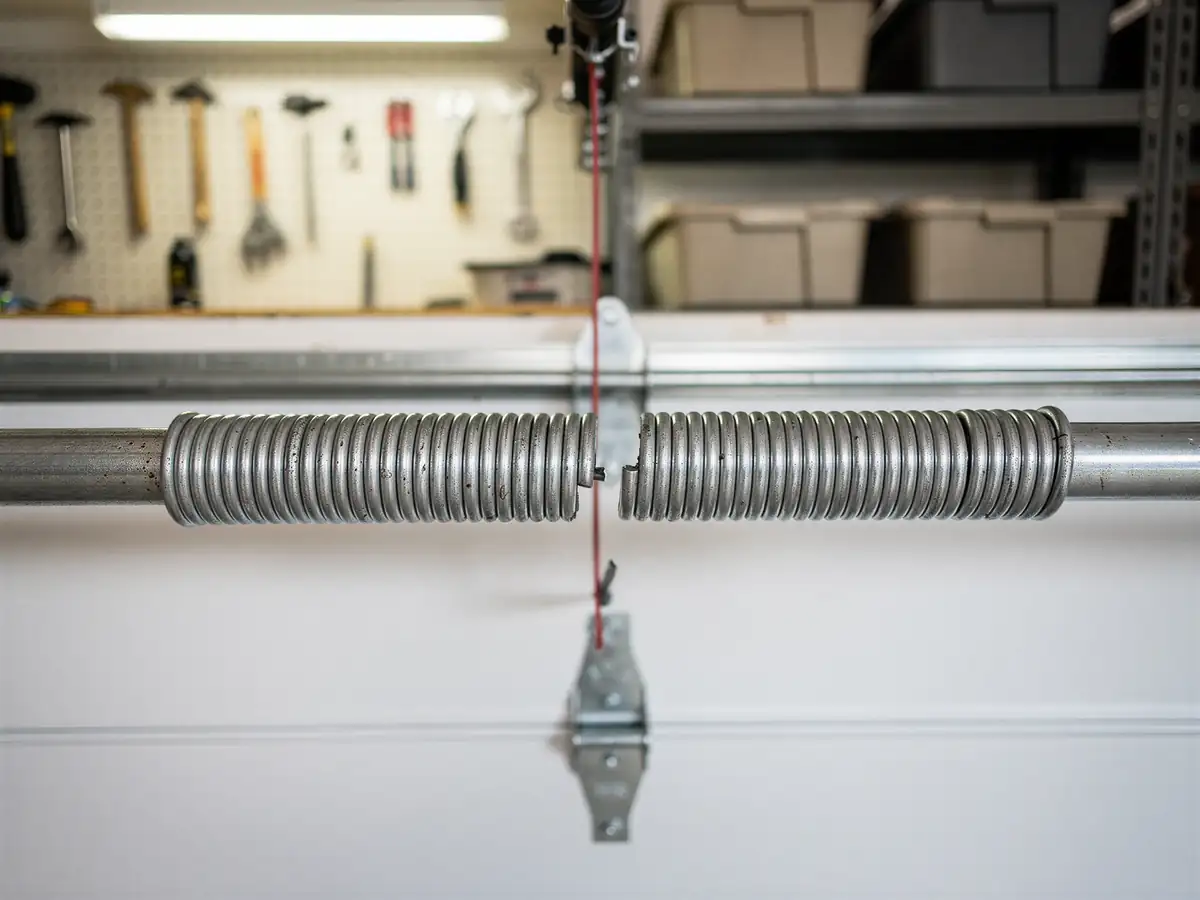
    A broken one usually shows a visible gap in the coil, sometimes with the two ends twisted apart. You can also check cables at the bottom corners for fraying, since a spring that's been struggling for a while often stresses the cables first.

  3. What you shouldn't do is touch the winding cones or try to adjust tension on a torsion spring yourself

    That bar is under enough stored force to cause a serious injury, and it's the one part of this job where the visual check is where your involvement should end.
How it works

From “it’s stuck” to “it’s fixed”

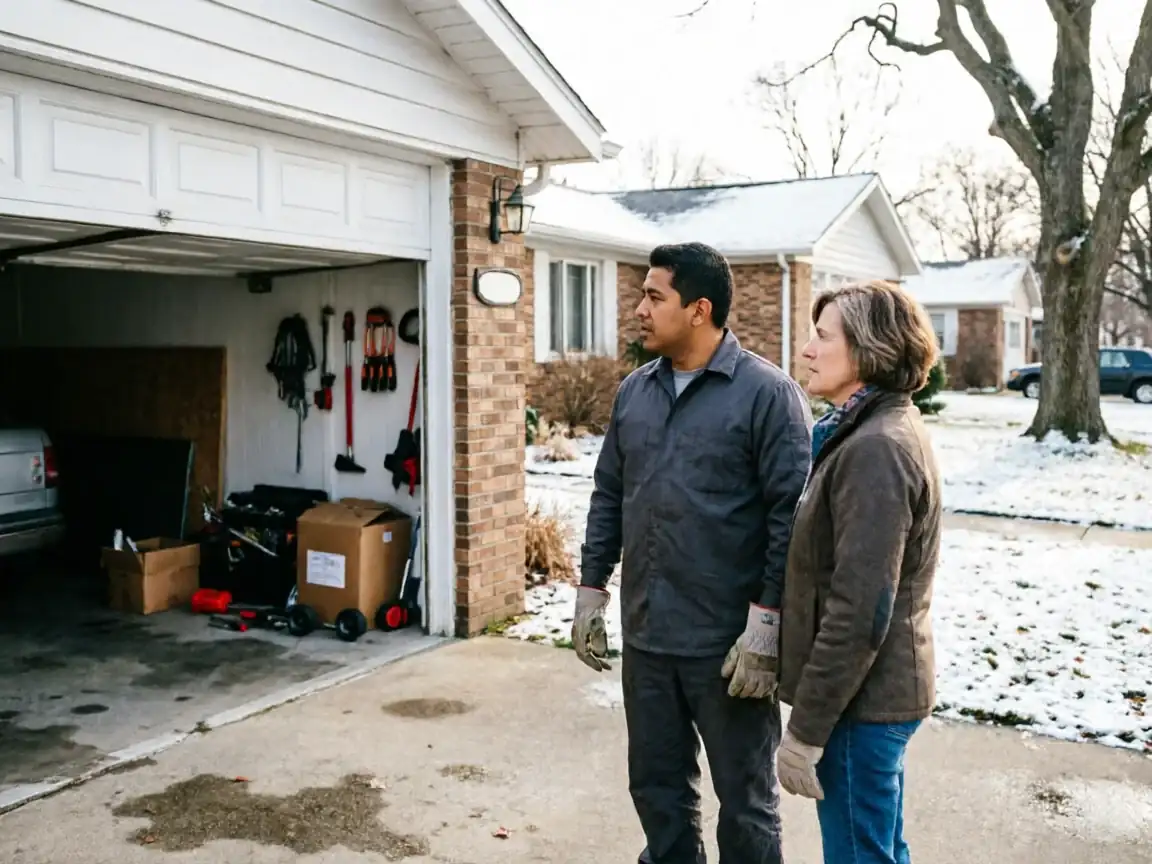
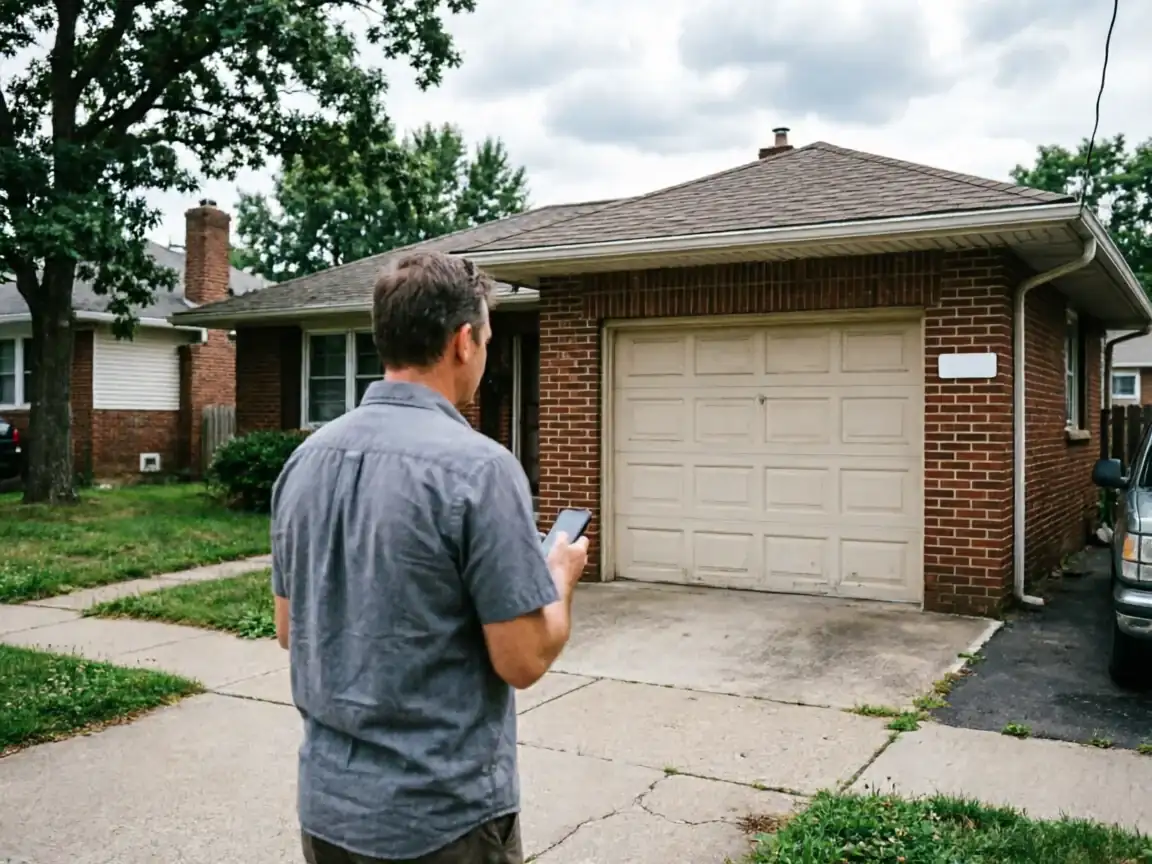
A technician stands on a driveway looking at a closed garage door.

Tell us what’s wrong

Describe the symptom - won’t open, loud bang, opener runs but the door won’t move.

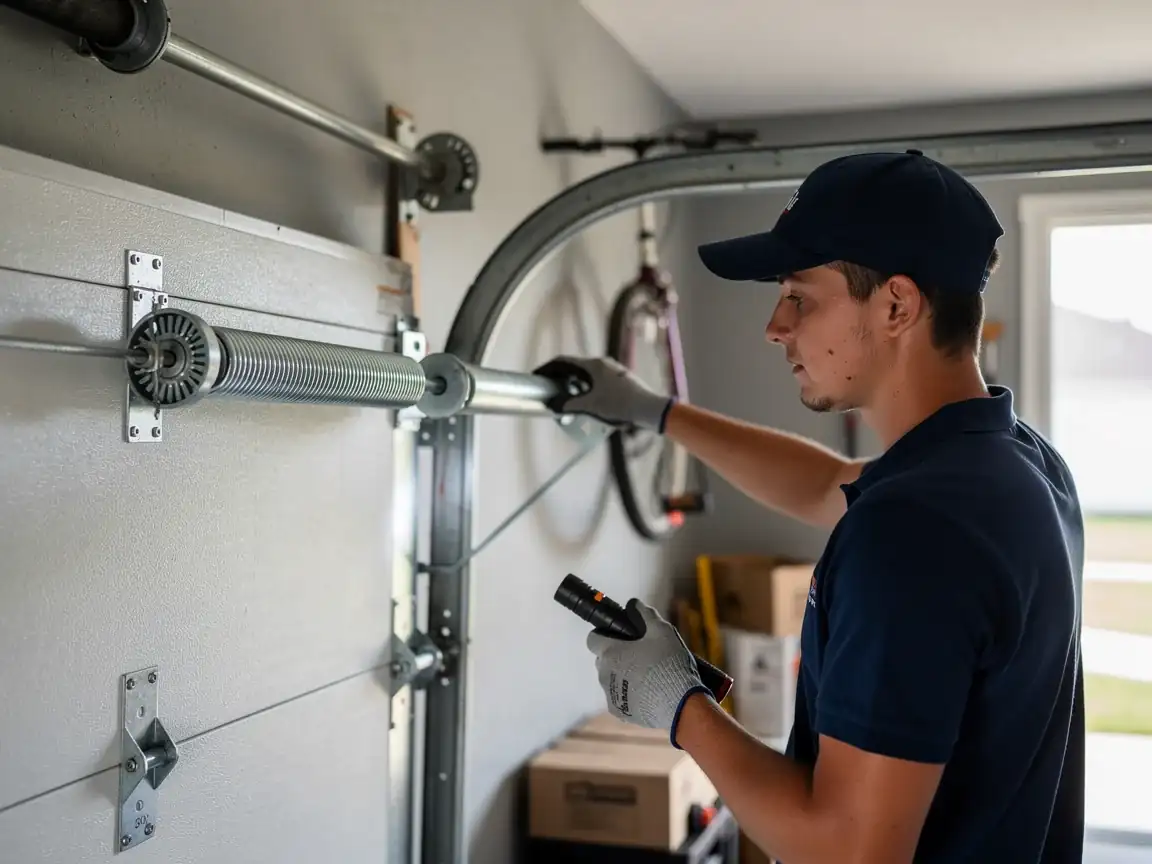
A technician in a blue shirt and cap works on a garage door torsion spring.

On-site diagnosis

A technician tests the door under power and by hand and finds what actually failed.

A technician and a woman stand in a driveway looking at an open garage.

Clear, up-front plan

You get the fix that’s needed and what drives the cost - before any work starts.

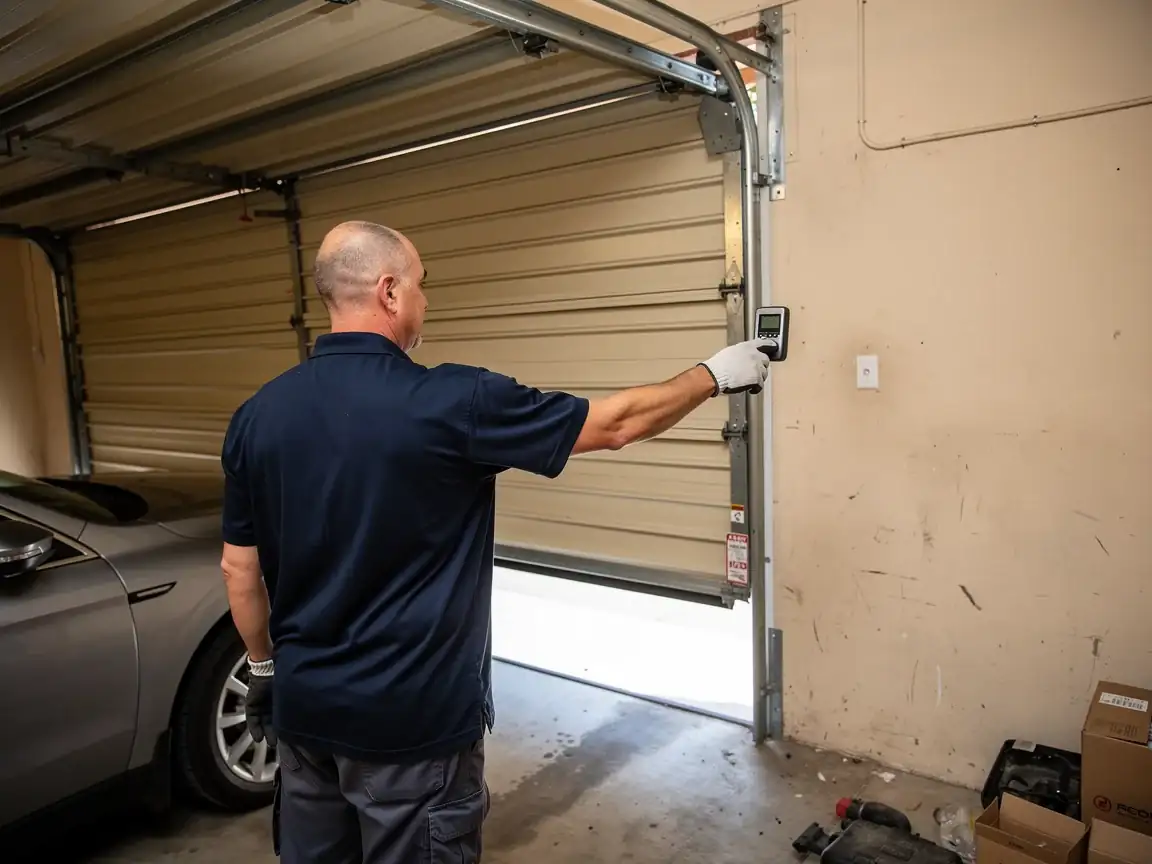
A technician holds a remote control while standing next to an open garage door.

Repaired & tested

The repair is done, the door is set true and tested, and the work area left clean.

Not sure which repair your door needs in Orland Park, IL? Describe what it’s doing - every job starts with a diagnosis.

How we work

What to expect

Diagnosis firstEvery visit starts by finding what actually failed - not a pre-written parts list.
The right part for the doorSprings and openers matched to the door’s weight and age, so the fix holds up.
Straight answersWhen a repair makes more sense than a replacement - or the reverse - you hear it plainly.
Clean, careful workTension released safely, hardware set true, the door tested under power before we leave.
What we do

Garage Door Services

Repair and installation work for Orland Park homes and businesses.

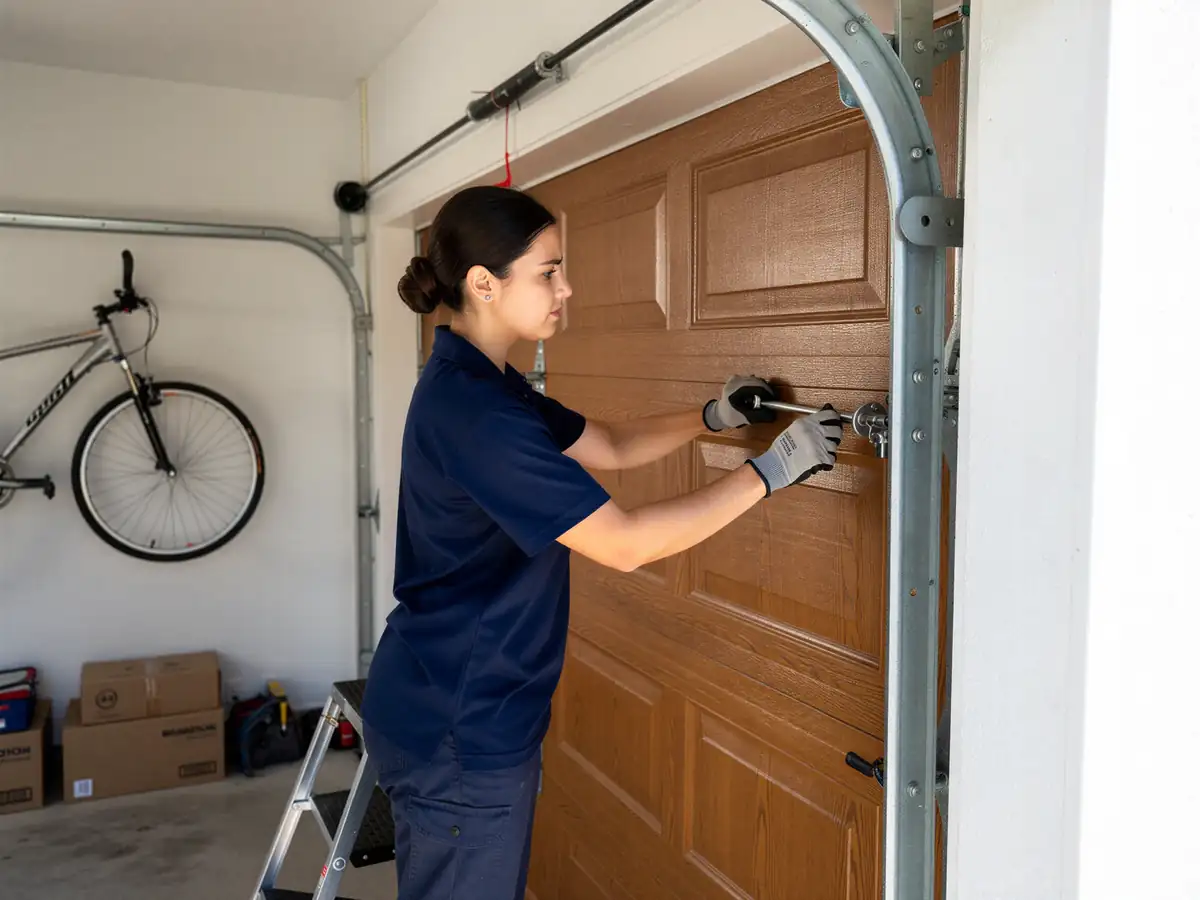
A technician adjusts a brown garage door with a tool.

Garage Door Repair

Garage door repair in Orland Park, IL for homes built mostly in the 1960s and 70s. We diagnose broken springs, off-track doors, and failed openers from original hardware.

Learn more
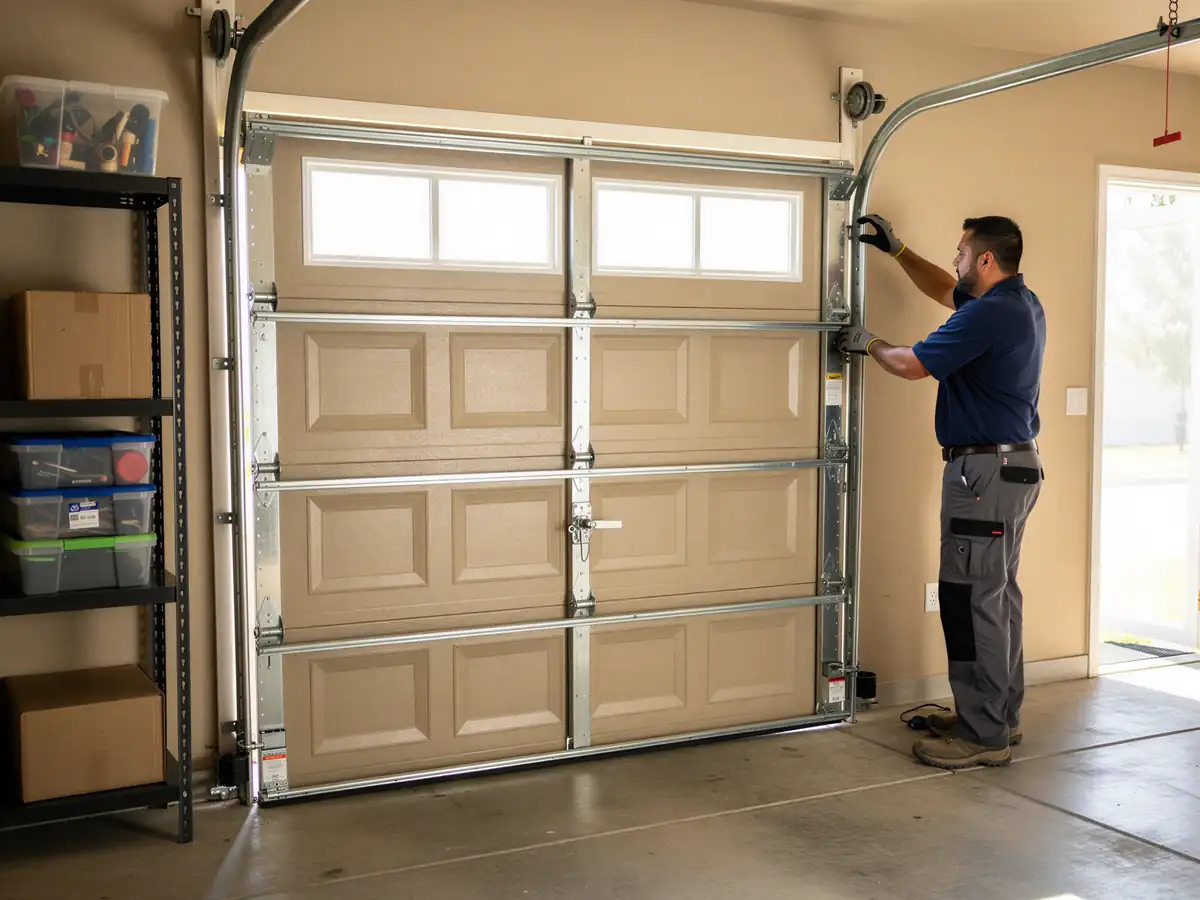
A technician in a blue shirt is working on a tan garage door with windows.

Garage Door Installation

Orland Park homes built mostly in the 1960s-70s are hitting the age where doors and tracks give out. Here's what installation involves and what it costs you in time.

Learn more
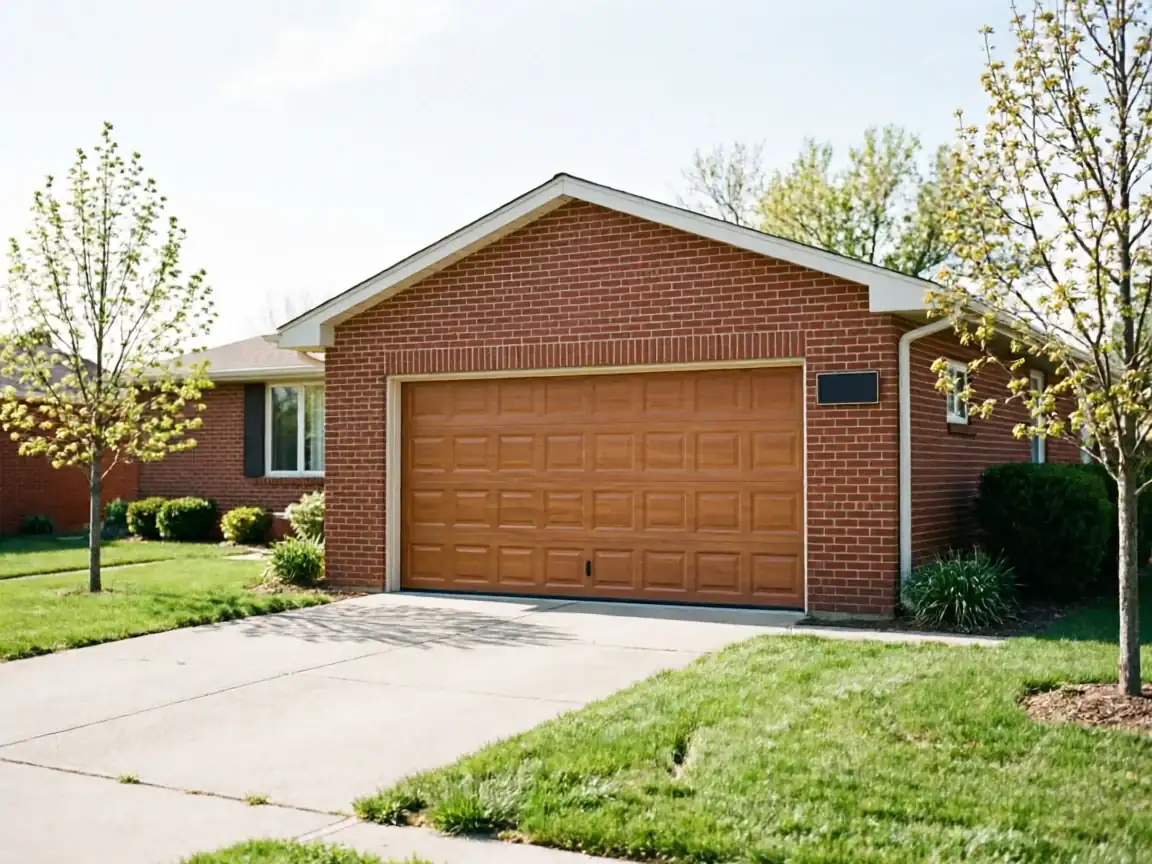
A brown paneled garage door is on a red brick house with a green lawn.

Garage Door Service

Service calls for garage doors built on Orland Park's 1960s-70s housing stock, where original hardware and cold-weather wear combine to cause the same handful of failures.

Learn more
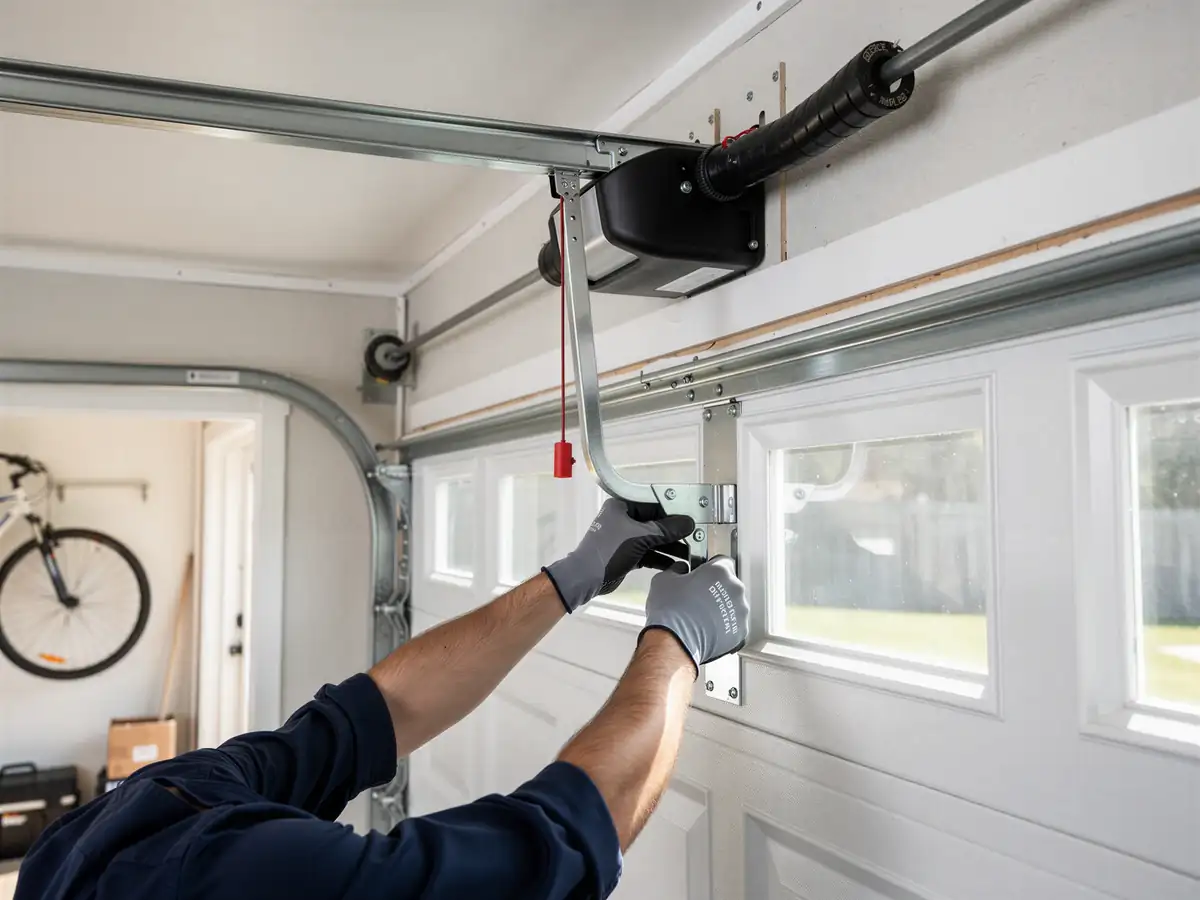
A technician's gloved hands are adjusting a garage door hinge and roller.

Opener Installation

Opener installs and swaps for Orland Park homes built mostly in the 1960s and 70s, sized for cold-climate gear loads and older header framing.

Learn more
A broken torsion spring is visible above a white garage door.

Spring Repair

Torsion and extension springs wear out fast on Orland Park's 1960s-90s housing stock in cold winters. We diagnose the break and replace the spring fast.

Learn more
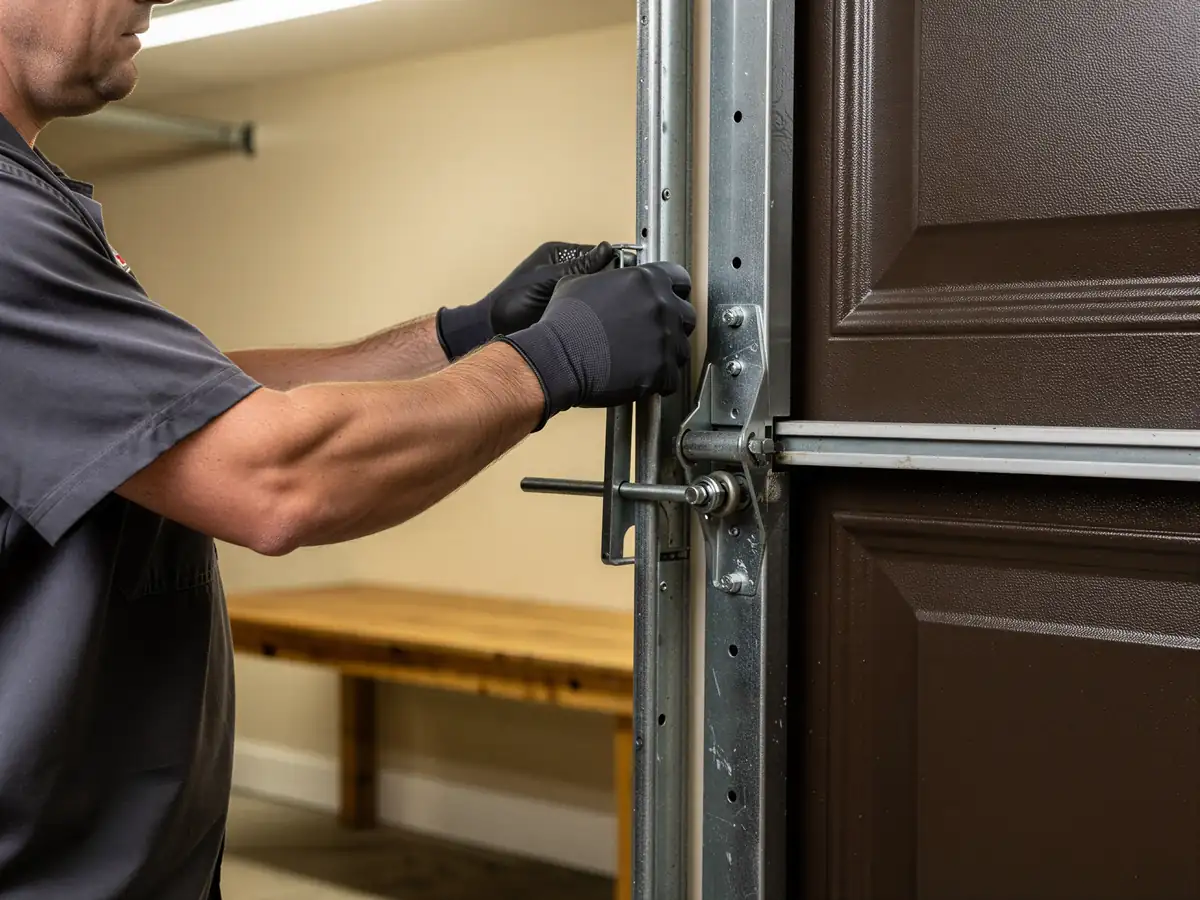
A technician in black gloves is adjusting the metal track of a brown garage door.

Off-Track Repair

Garage door off its track in Orland Park? See why older tracks and cold swings cause this, what the fix involves, and when to call instead of forcing it back.

Learn more
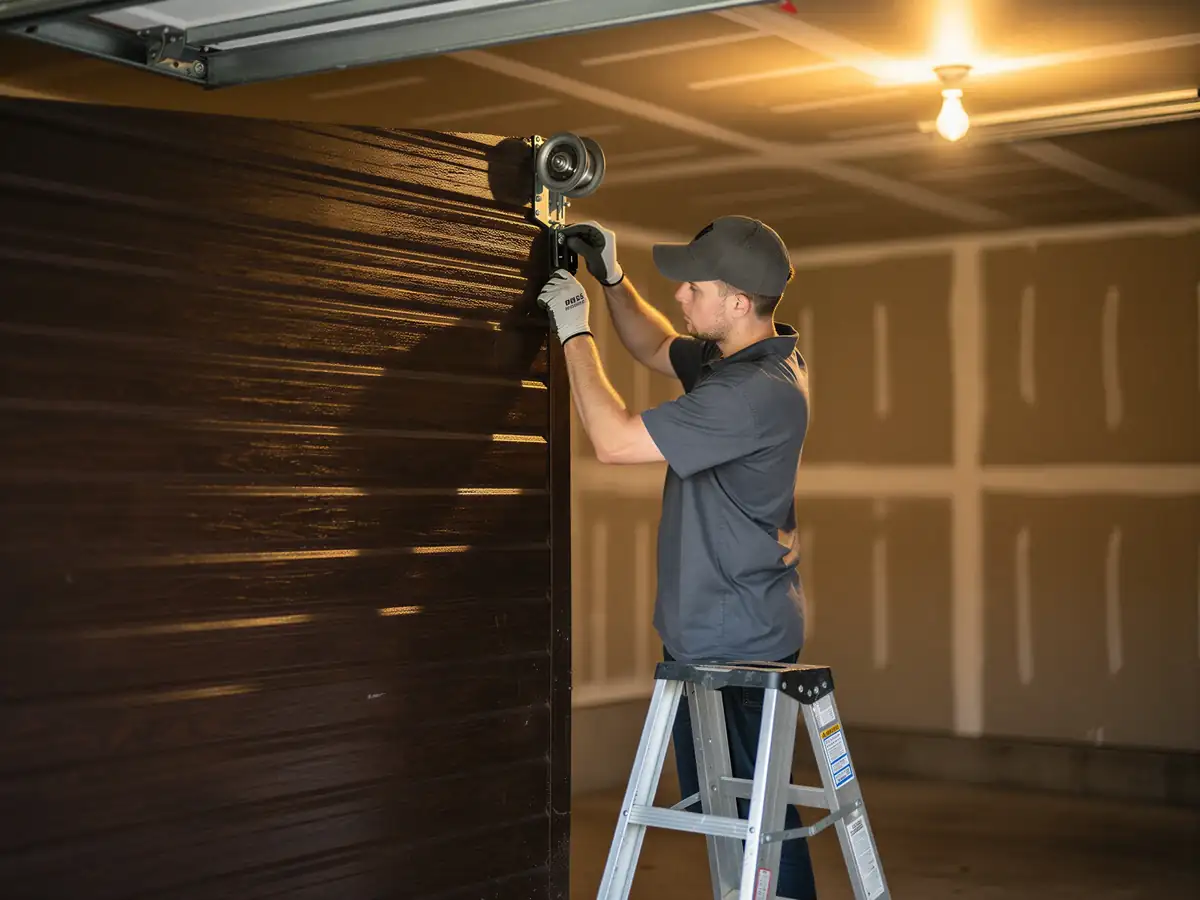
A technician on a ladder adjusts a roller on a dark brown garage door.

Roller Replacement

Worn rollers on Orland Park garage doors show up early thanks to cold winters and 1960s-70s housing stock. Here's why, how long the fix takes, and what you can skip.

Learn more
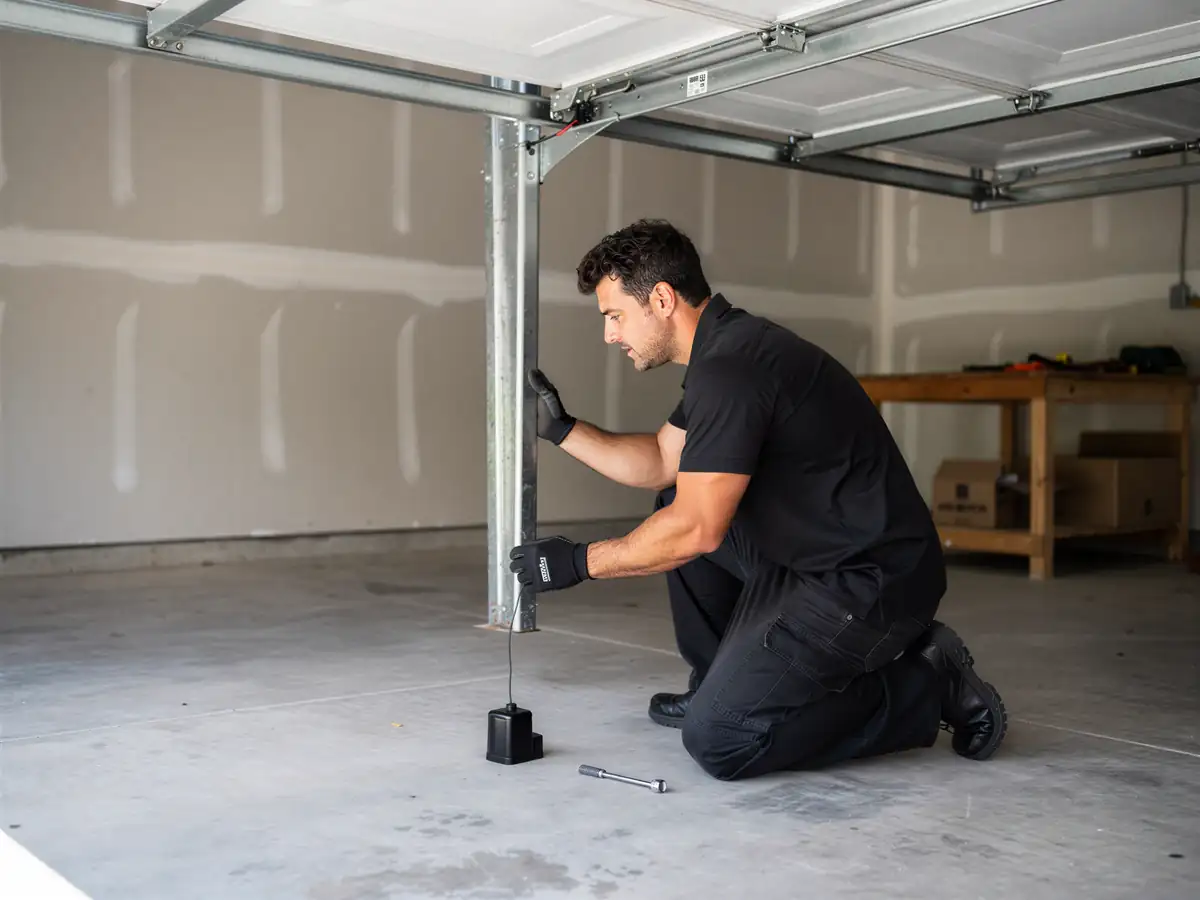
A technician kneels, holding a garage door track with a plumb bob on the floor.

Maintenance

Garage door maintenance for Orland Park homes built mostly in the 1960s and 70s. Tune-ups that catch worn springs, dry tracks, and cold-weather strain before they fail.

Learn more
Questions

Frequently asked

Straight answers about garage door repair in Orland Park. Still unsure? Ask us directly.

Why did my spring break overnight when it worked fine yesterday?

Cold doesn't create the weakness, it exposes it. A spring near the end of its cycle life is already brittle at a microscopic level. A hard overnight temperature drop, common here in winter, is often just the final stress that makes it let go, usually on the first cycle of the morning.

Is it worth replacing just the spring on an older garage door?

Sometimes. If the door is original to a 1960s or 70s build, the spring, cables, drums, and even the opener may all be near end of life together. Worth asking for a look at the whole system before paying for a spring-only fix that doesn't address what's failing next.

Can I drive the garage door opener with a broken spring to get my car out?

Don't. The opener isn't built to lift the door's full weight alone, and forcing it with a broken spring can strip the gears or pull the trolley off the track, turning a spring job into an opener replacement too.

How do I know if my house has one spring or two?

Look above the door at the horizontal shaft. One coil in the center means a single-spring setup, common on older single garages. Two coils, one on each side, is the two-spring standard many homes were upgraded to later for safety and balance.

Ready to get your garage door sorted?

Tell us what it’s doing and where you are in Orland Park - we’ll take it from there.

Request a QuoteCall