The Drive Over
We run out of Orland Park, about 5 miles up the road
So Homer Glen is a short haul for us, not a special trip. That matters less for how fast we show up and more for what we see once we get there: this isn't the same housing stock as the older inner suburbs. We don't keep a crew sitting in Homer Glen waiting for calls - we come from Orland Park when you need us, and the drive is short enough that it doesn't change how we price or schedule a job.
- 5 miles
What the short distance does mean is we're used to the kind of doors this area actually has
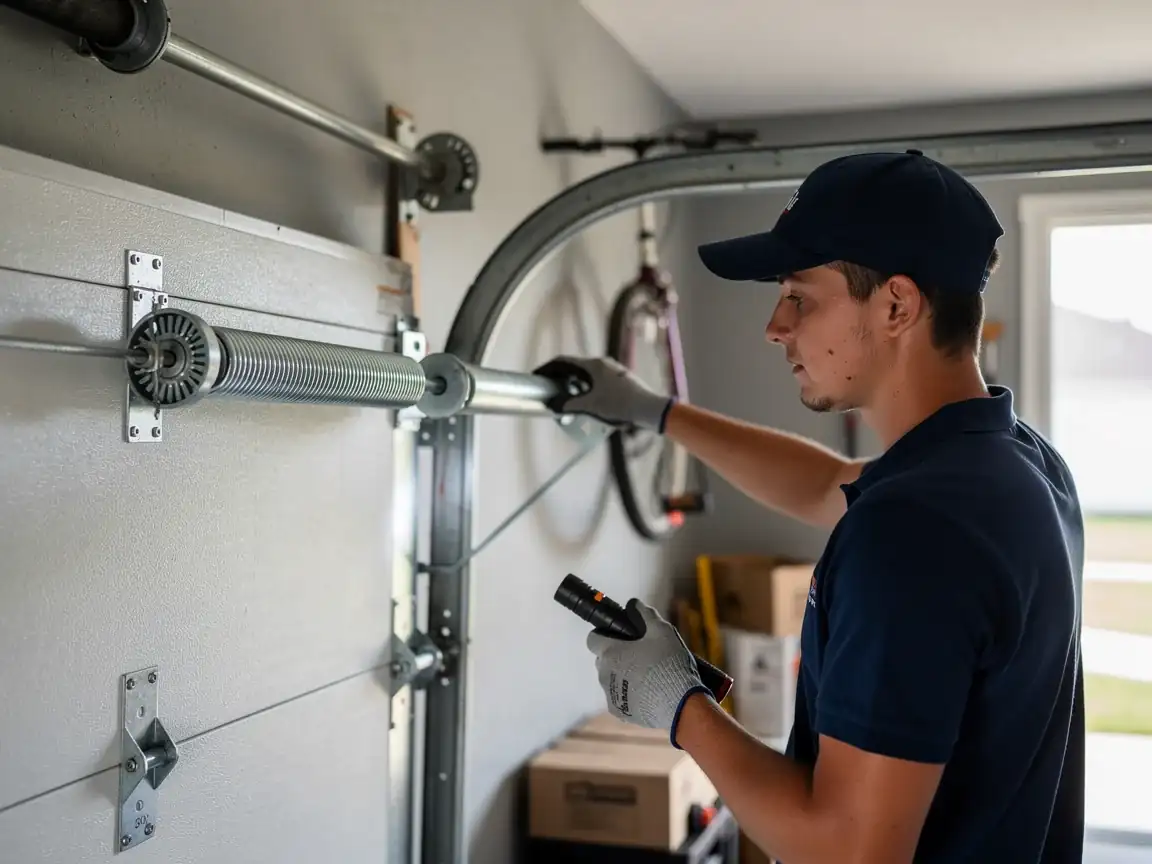
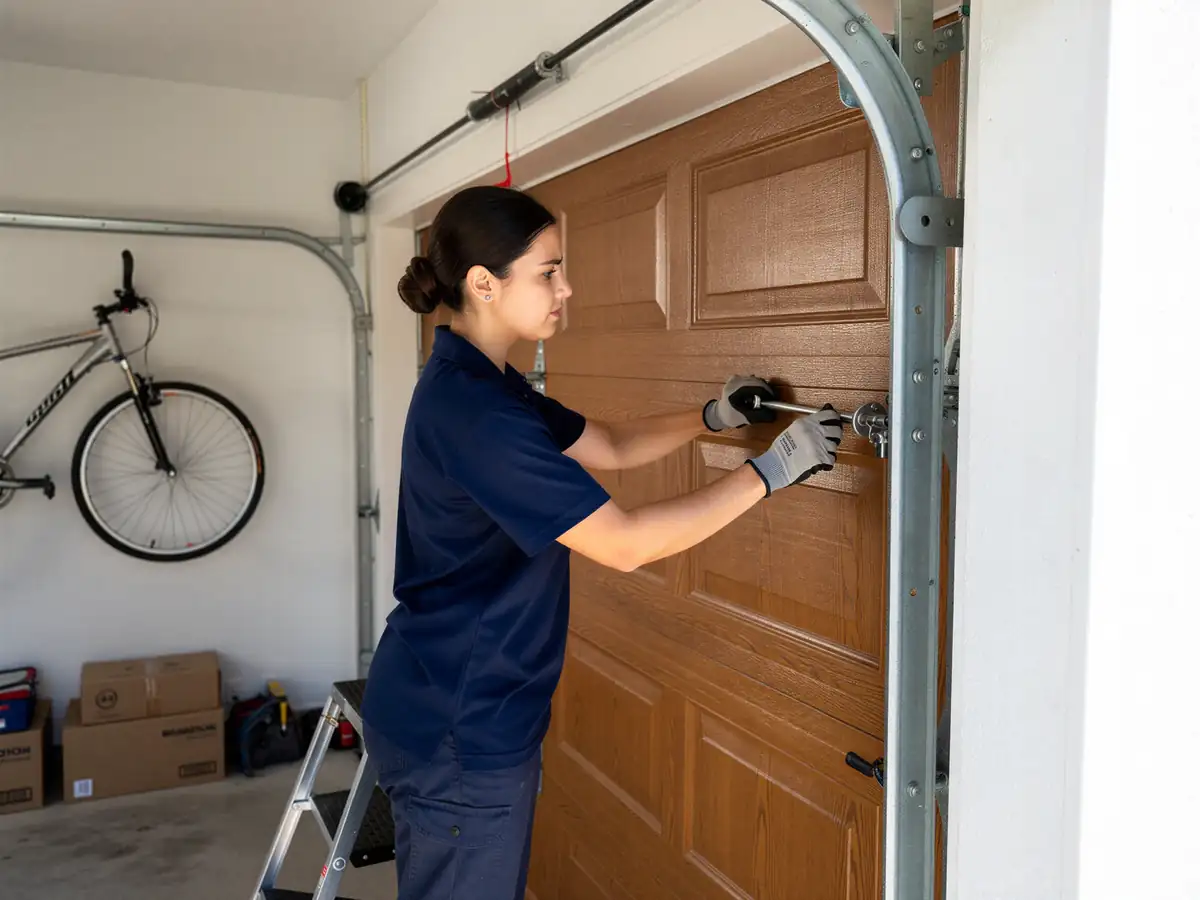
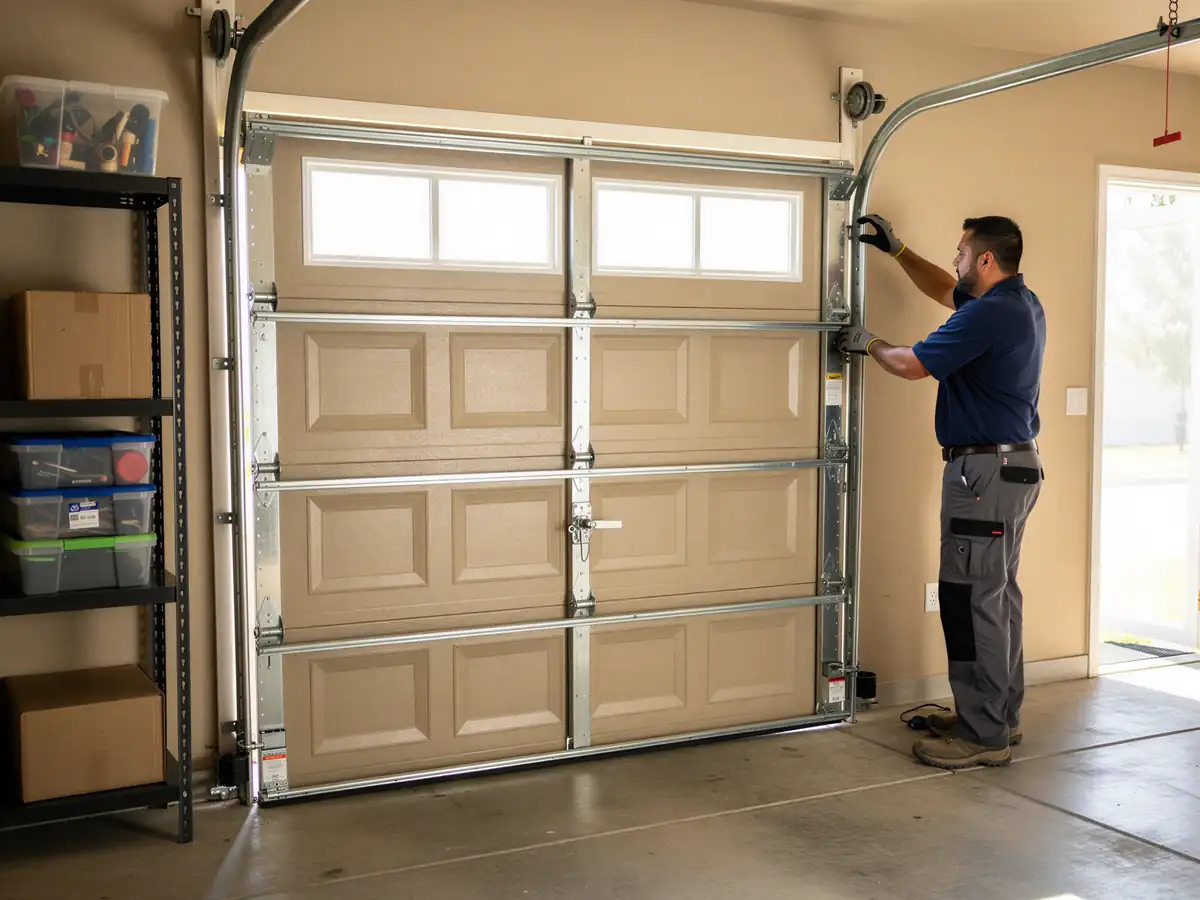
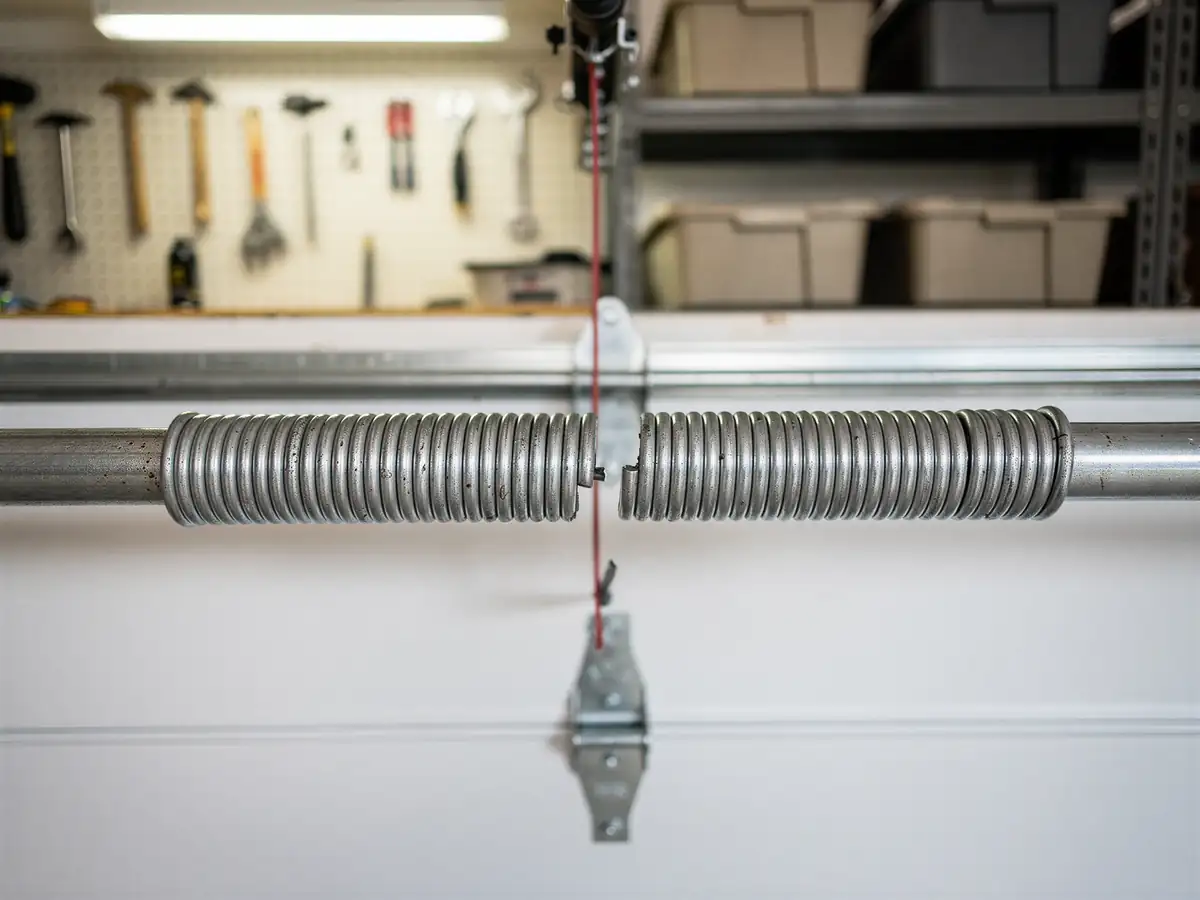
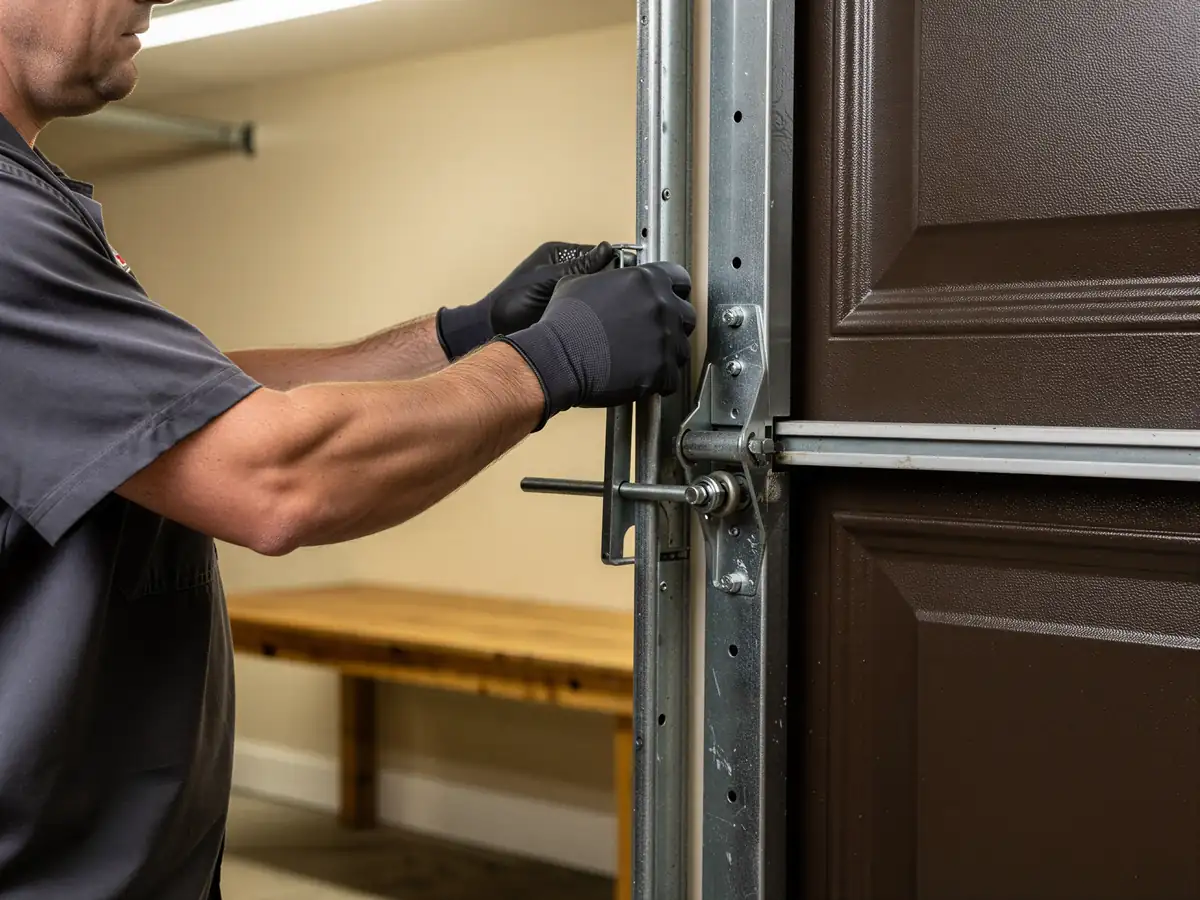
Because we're working on them regularly just up the road. A torsion spring job or an opener swap here looks a lot like the ones we do daily in Orland Park, which keeps parts and labor predictable instead of guesswork.
What Was Built Here
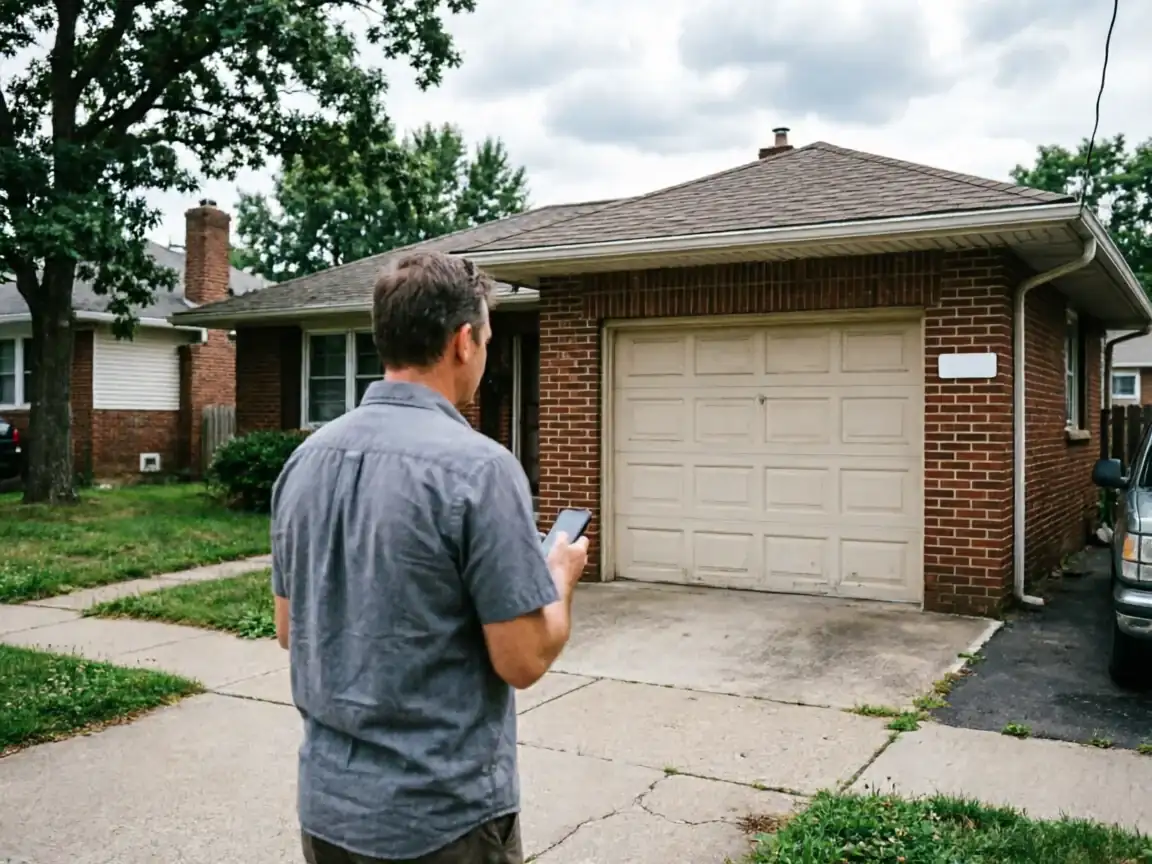
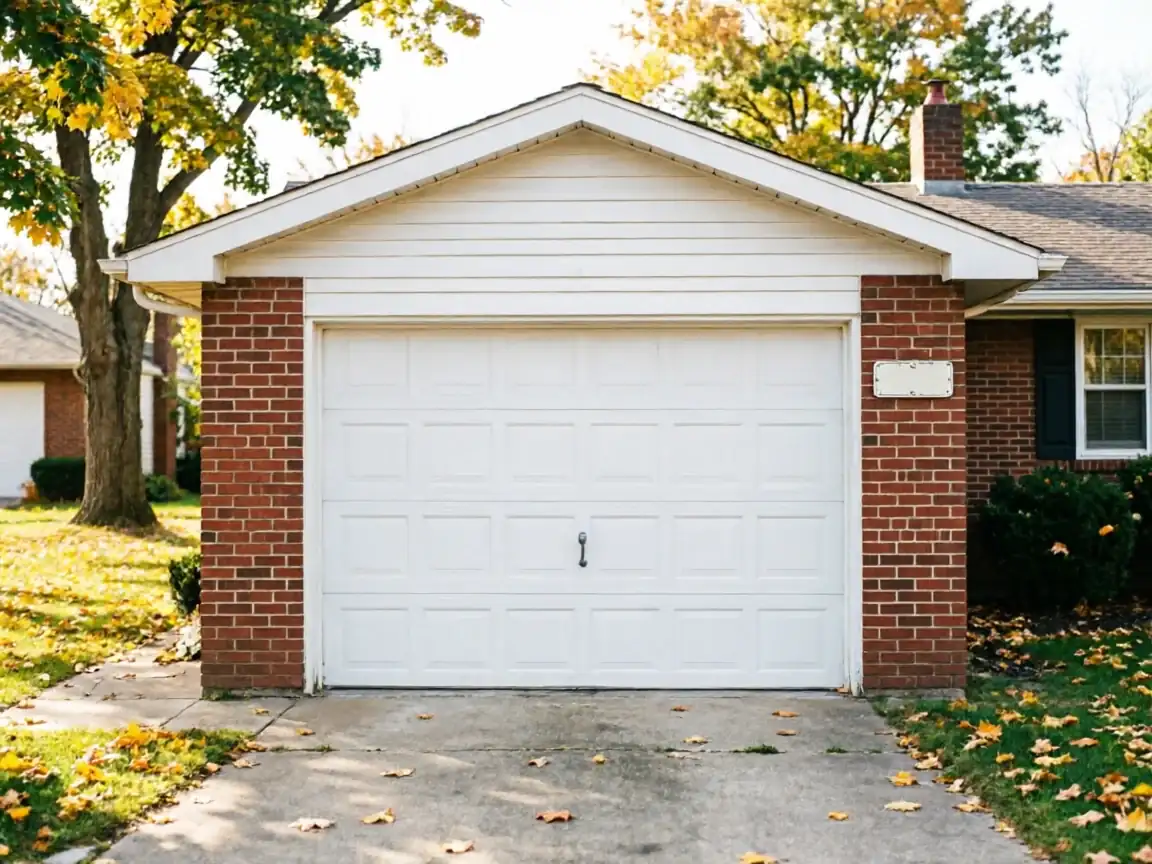
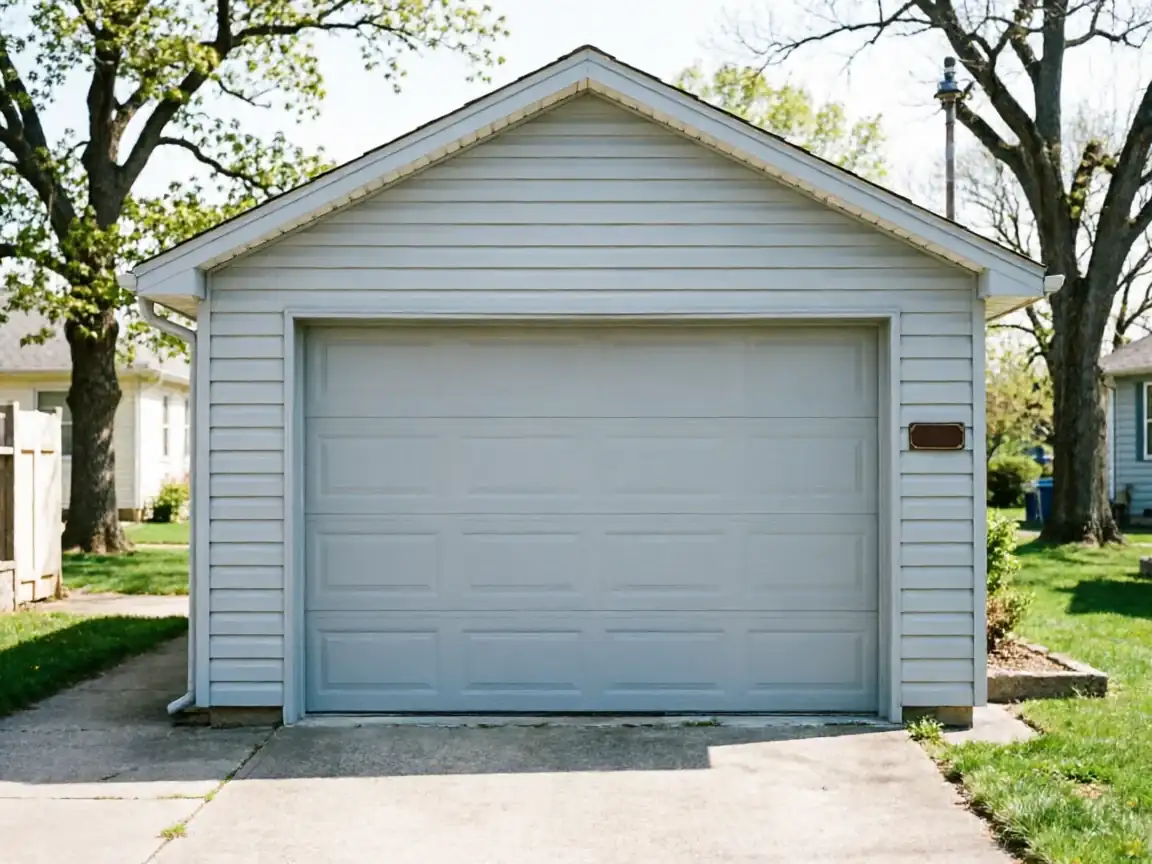
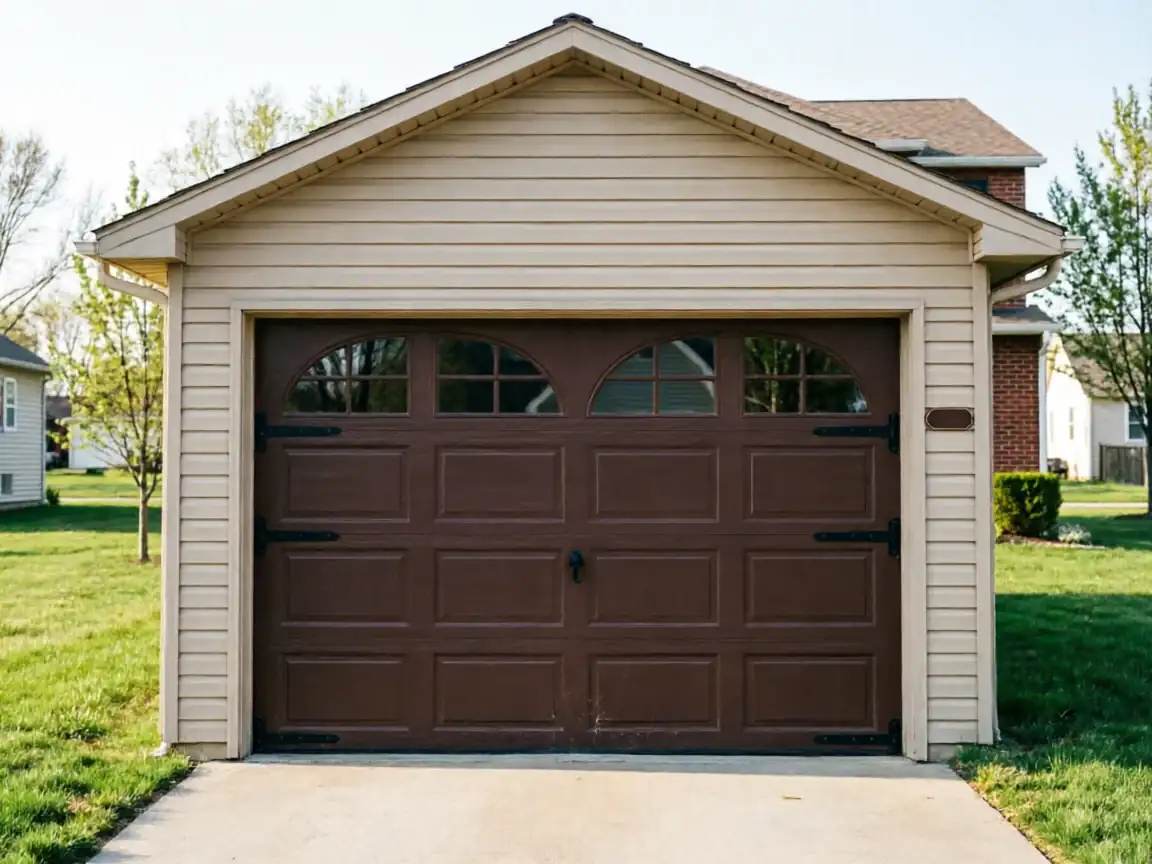
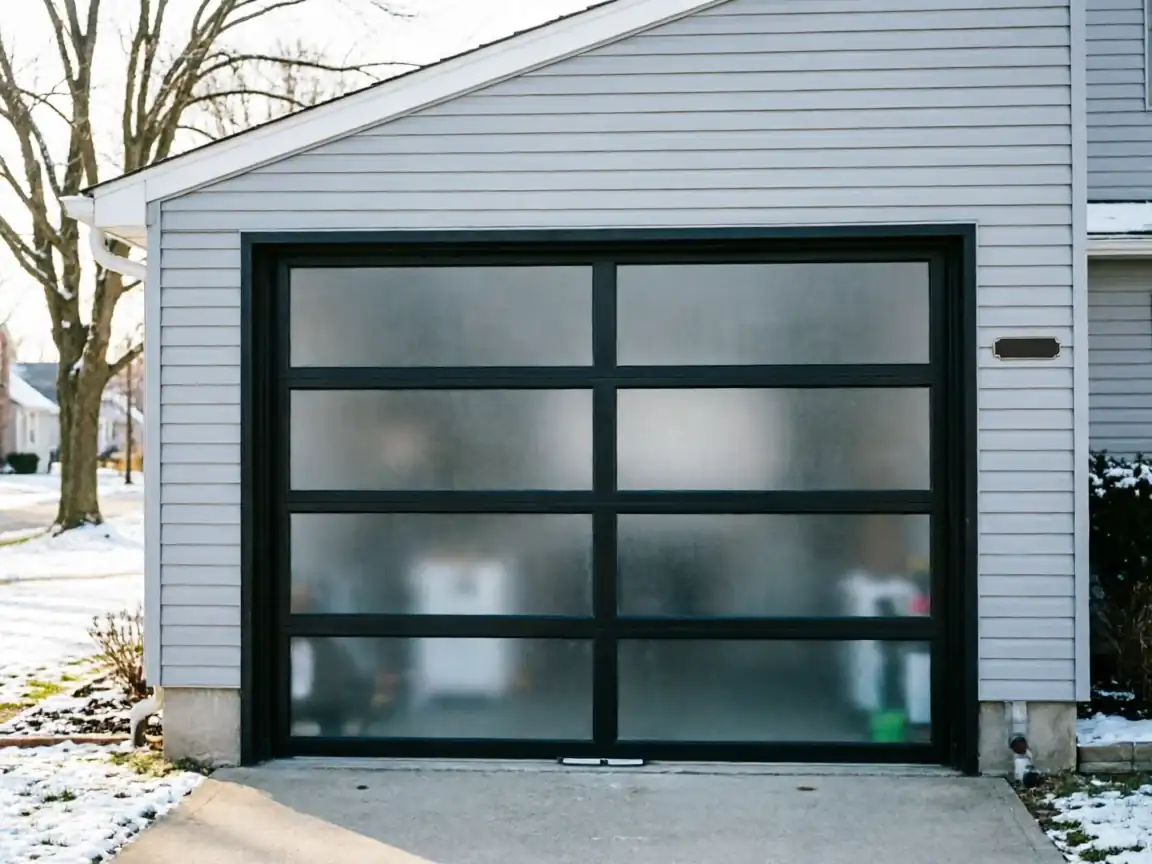
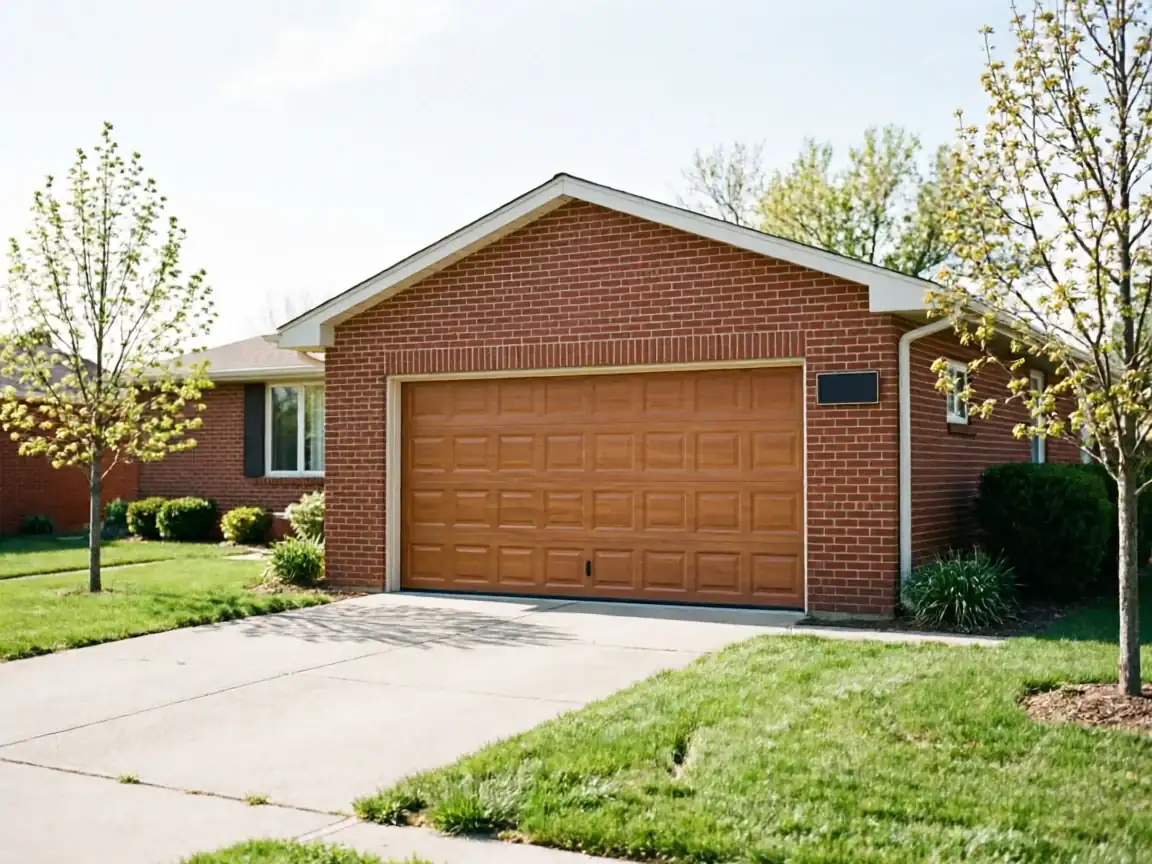
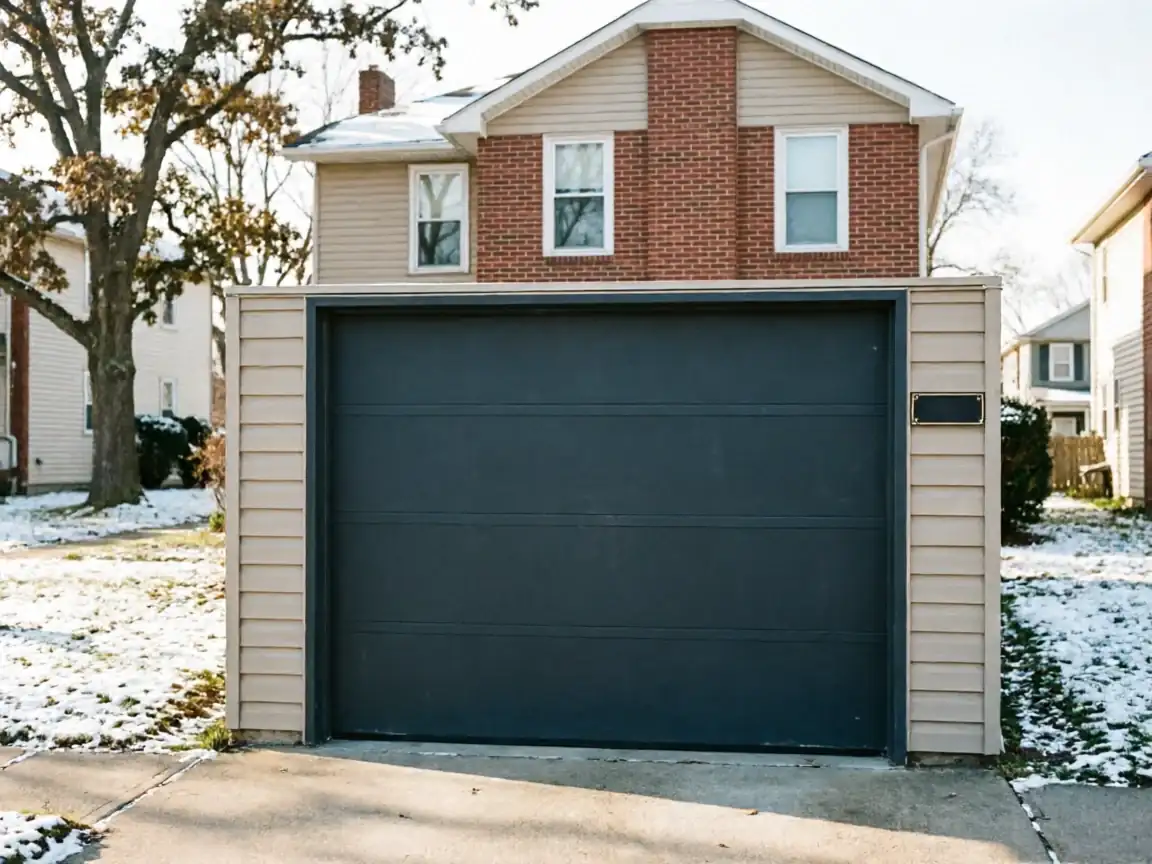
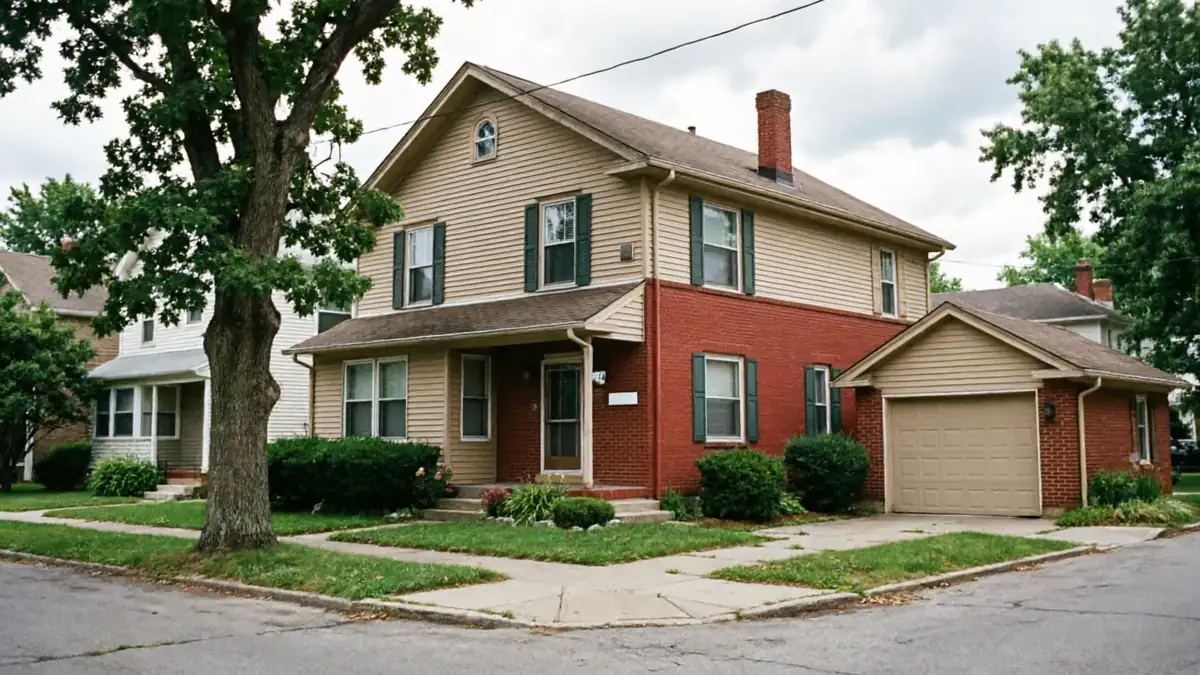
Homer Glen's median home year is 1988 - noticeably newer than the broader service area, where the median build year sits closer to 1970 and stock runs from 1938 up through 2004. That gap is the whole story for this town. A late-1980s build means steel raised-panel doors on extension or torsion springs that were already a mature, standard design by the time these houses went up, not the older side-mounted torsion hardware you find on homes from the 1950s and 60s elsewhere in the area.
With roughly 8,001 households in Homer Glen and a median income of $128,546, well above the $79,442 median across the full service area, these are generally larger, newer-built homes - which tends to mean wider double doors, heavier opener loads, and openers original to a house built in the late 80s or 90s finally reaching the end of their working life. We don't have manufacturer or permit-level data down to the street, so we won't claim a specific builder or model here - just the build era, which tells us most of what we need before we open the garage.
What People Here Ring About
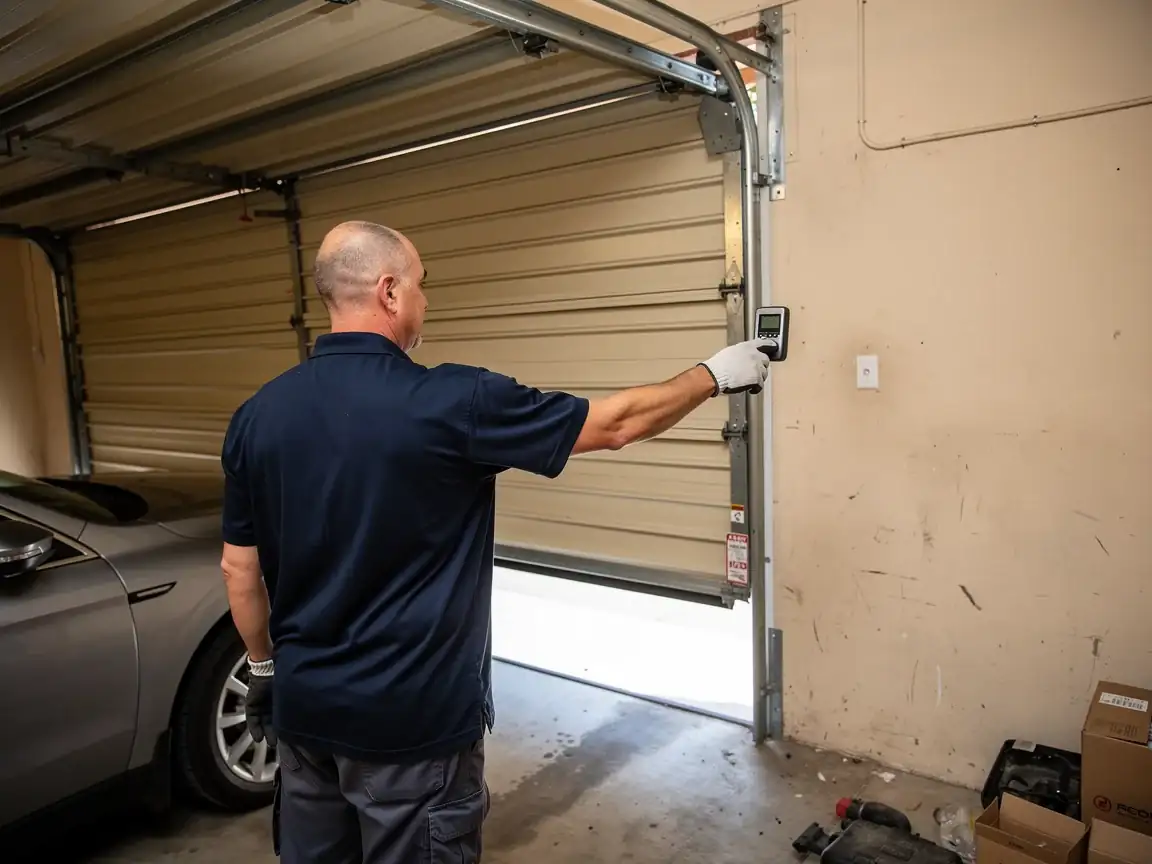
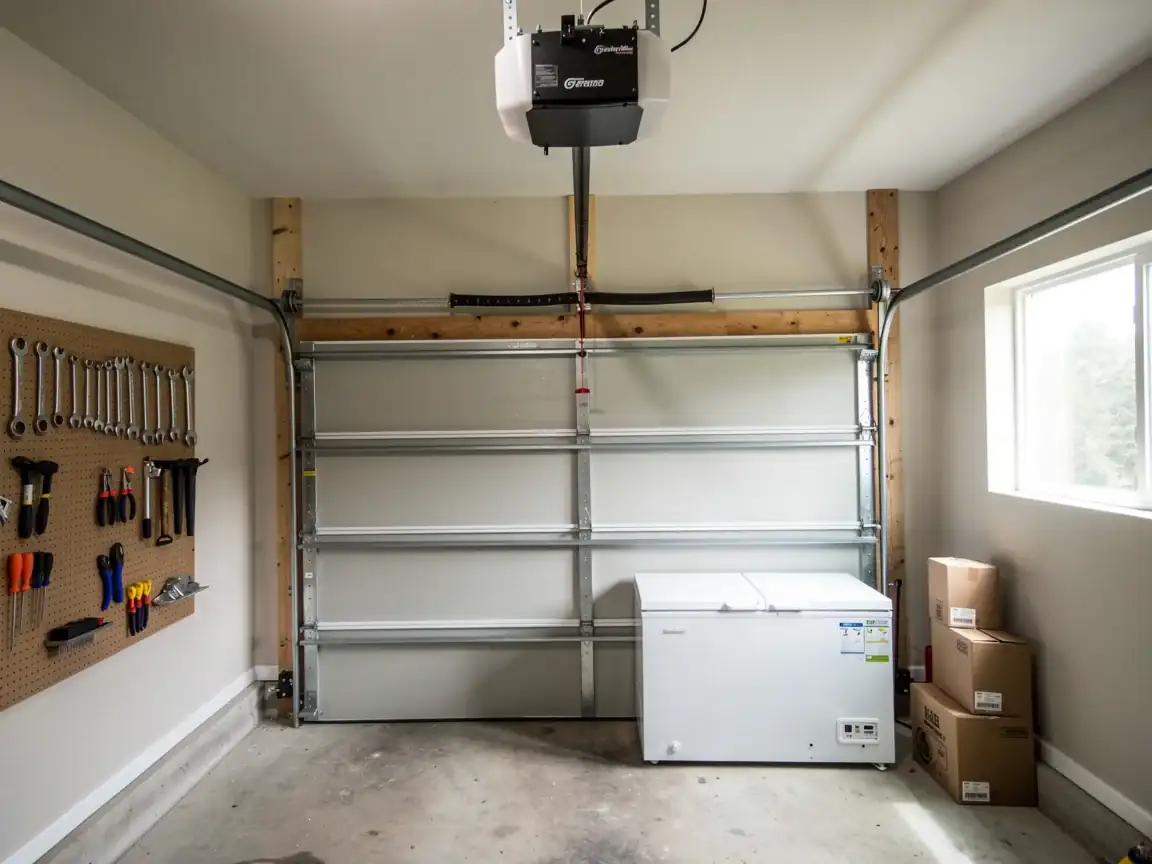
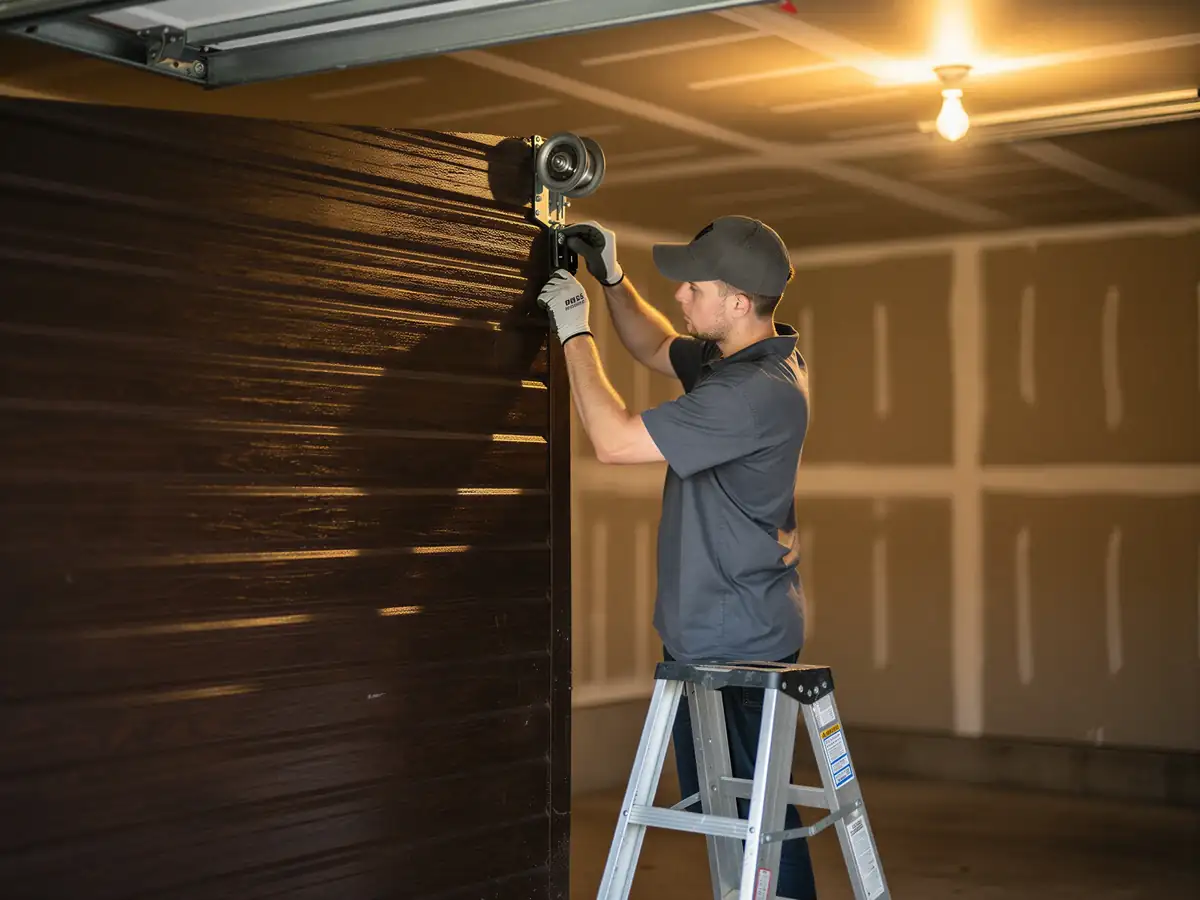
Given a median build year of 1988, the calls we get from this part of the area skew toward opener failure and worn rollers rather than the ancient spring hardware we deal with in the oldest pockets of the service area. Steel panel doors from this era hold up well structurally, but the openers - chain or belt drive units installed when the house was new or shortly after - are now well past a normal service life.
The area sits in the same cold-moderate climate band as the rest of the region, so winter is still the season that finds weak springs and dried-out seals, regardless of when the door was built. We don't see much call for the extremely old torsion conversions that show up on 1940s and 50s housing nearby, because that stock just isn't common here.
What That Means for Doors
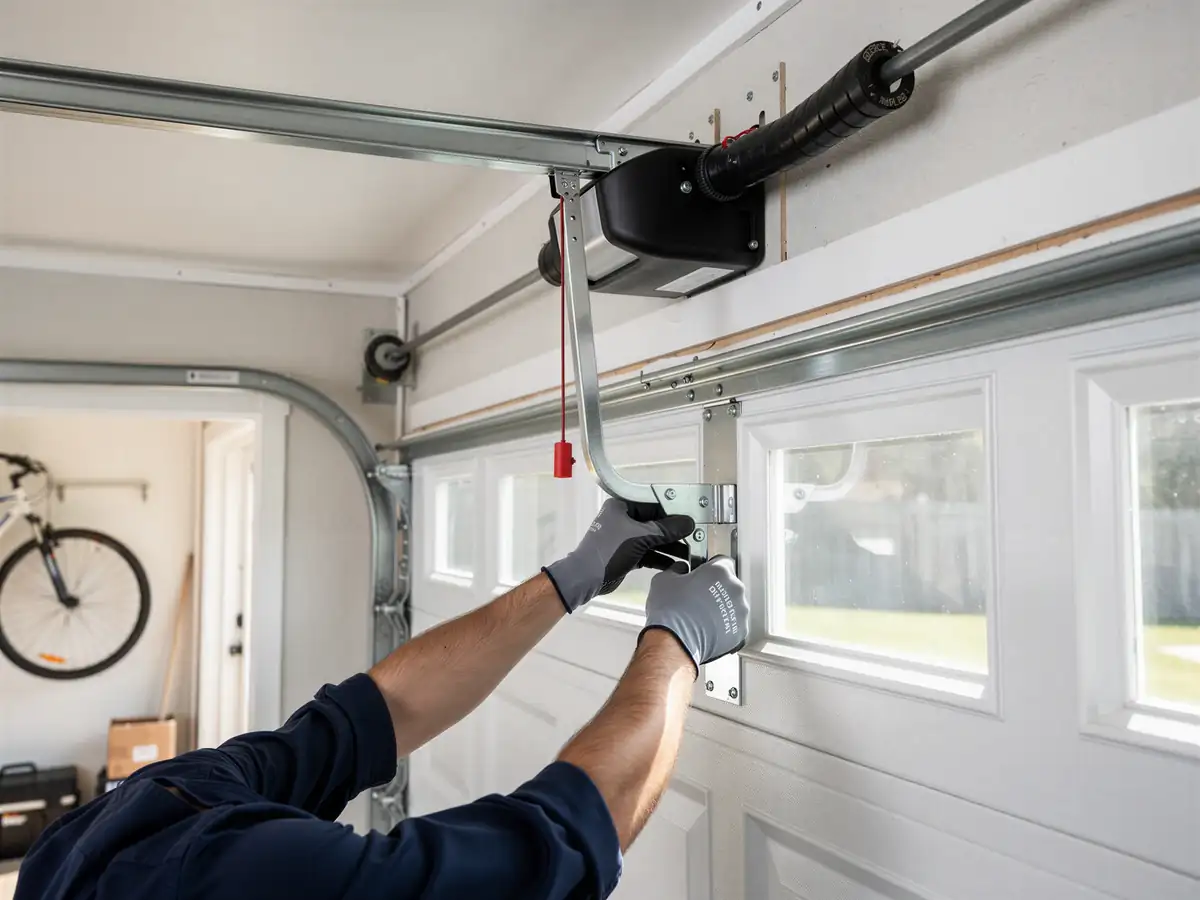
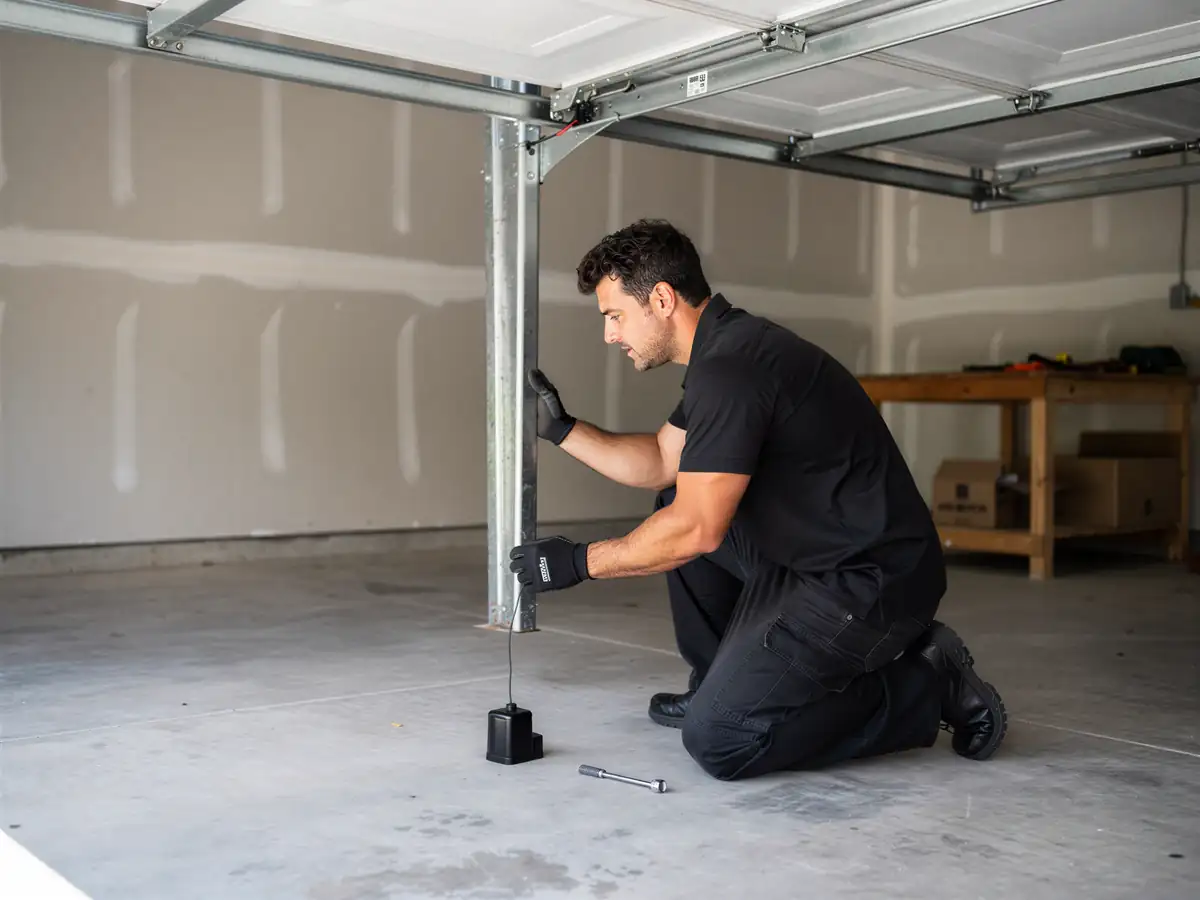
Because Homer Glen skews newer, a repair call here is more likely to be an opener logic board, a worn belt, or a spring sized for a heavier
Wider steel door than it is a hunt for obsolete side-mount torsion parts. That's a real difference from the older sections of the service area, and it affects what we bring on the truck and how we quote the job.
One honest limitation
If a door here turns out to be an unusual import size or a discontinued panel style from a builder we can't identify from the house alone, we may need to order a part rather than carry it standard, and that can add a few days. We'd rather tell you that upfront than promise same-day on something we haven't seen yet.