The Cost of This Job
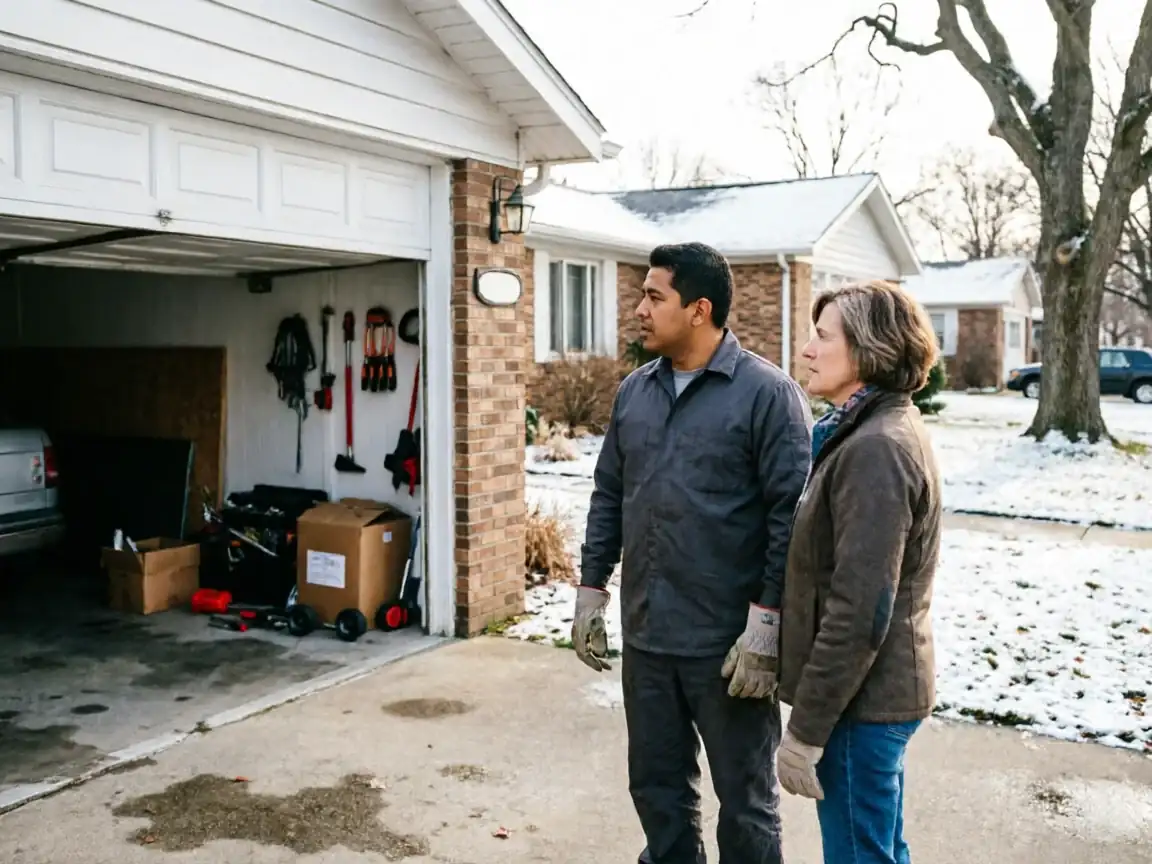
We can't quote you a number without seeing the opening
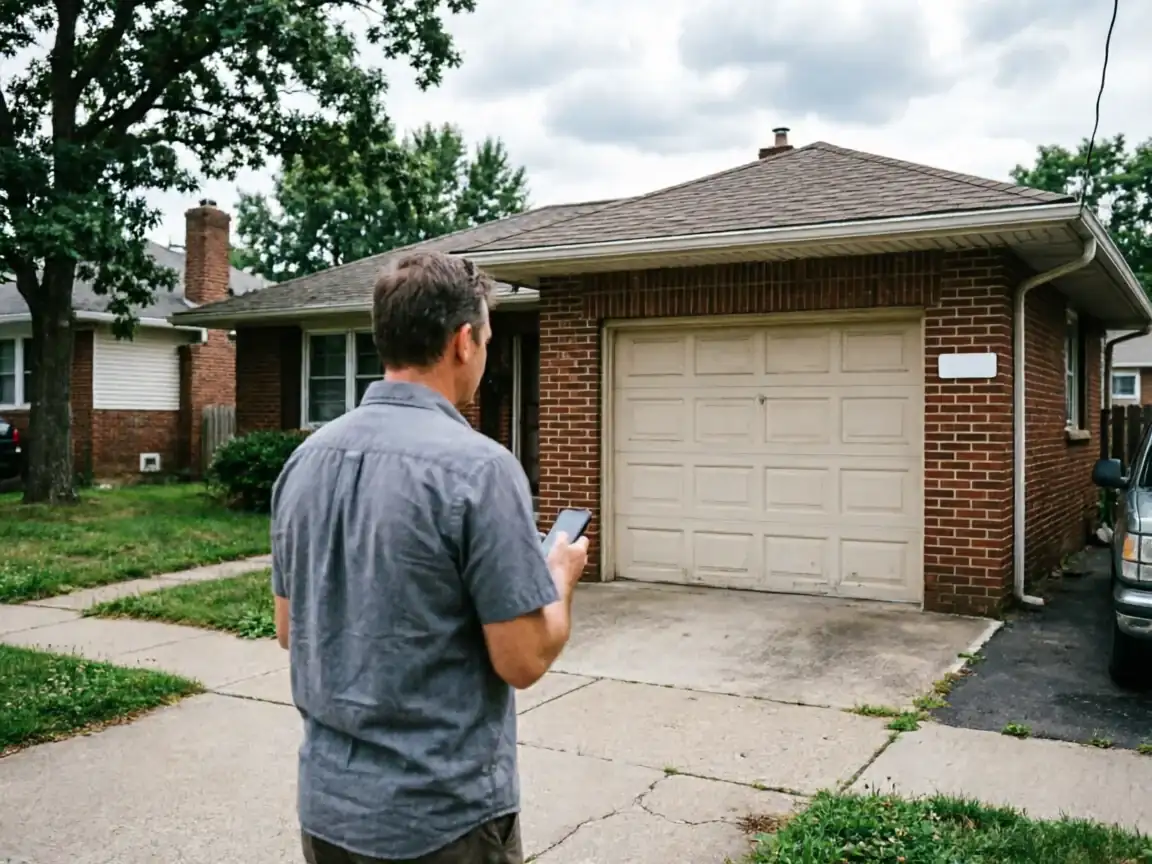
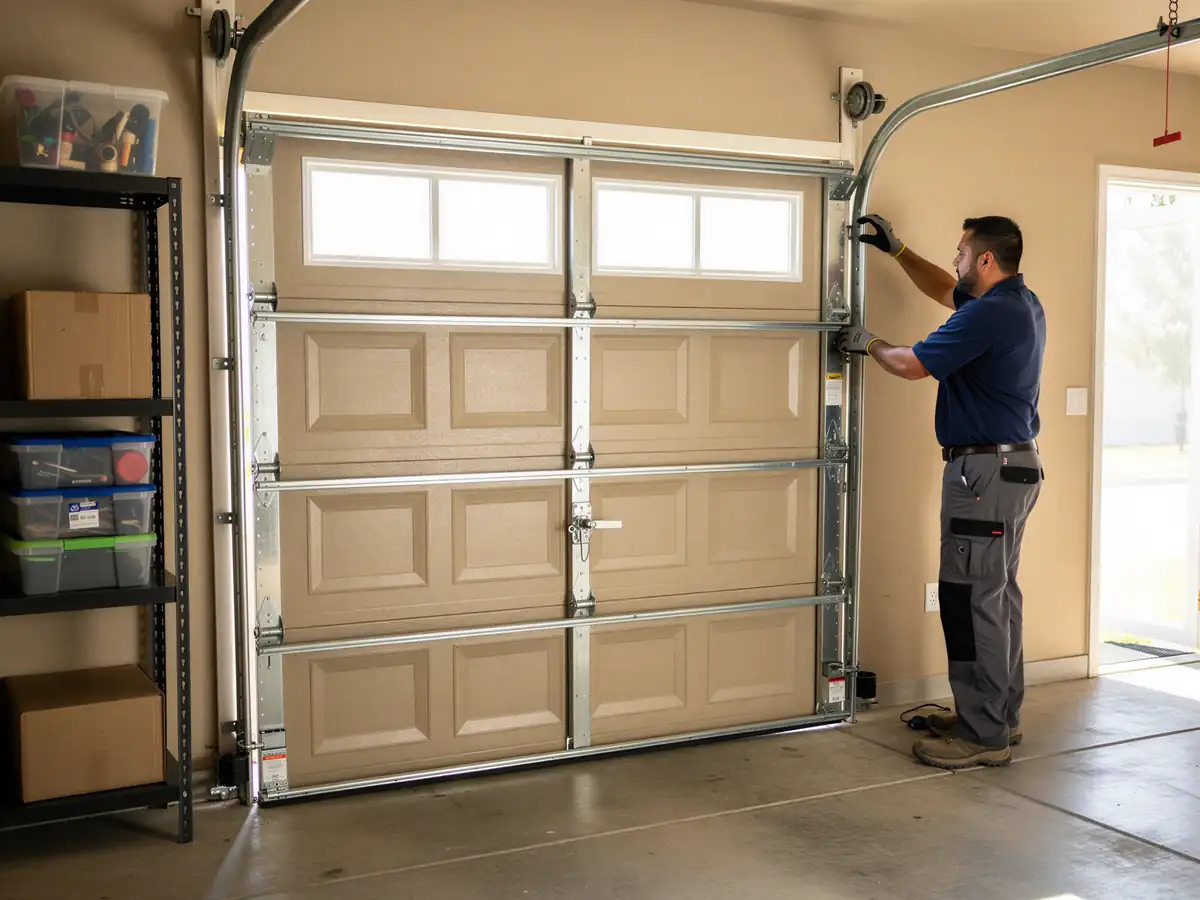
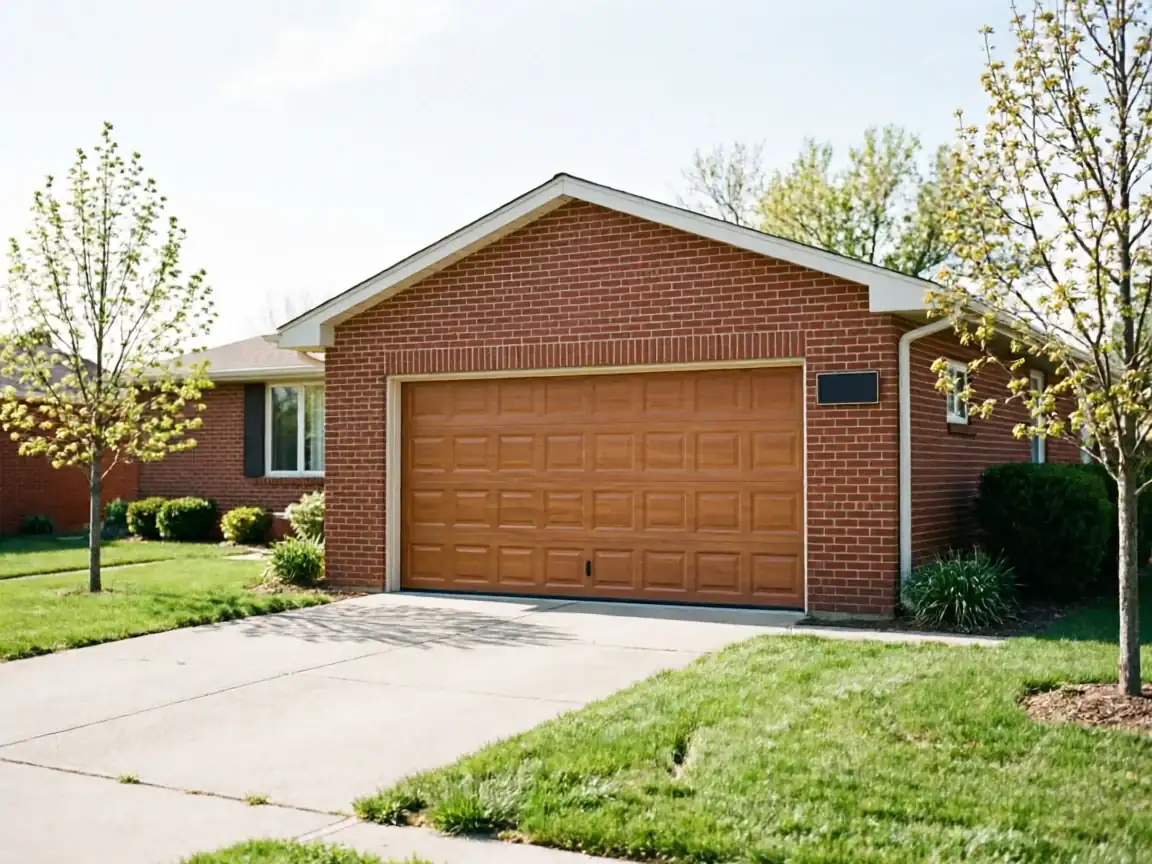
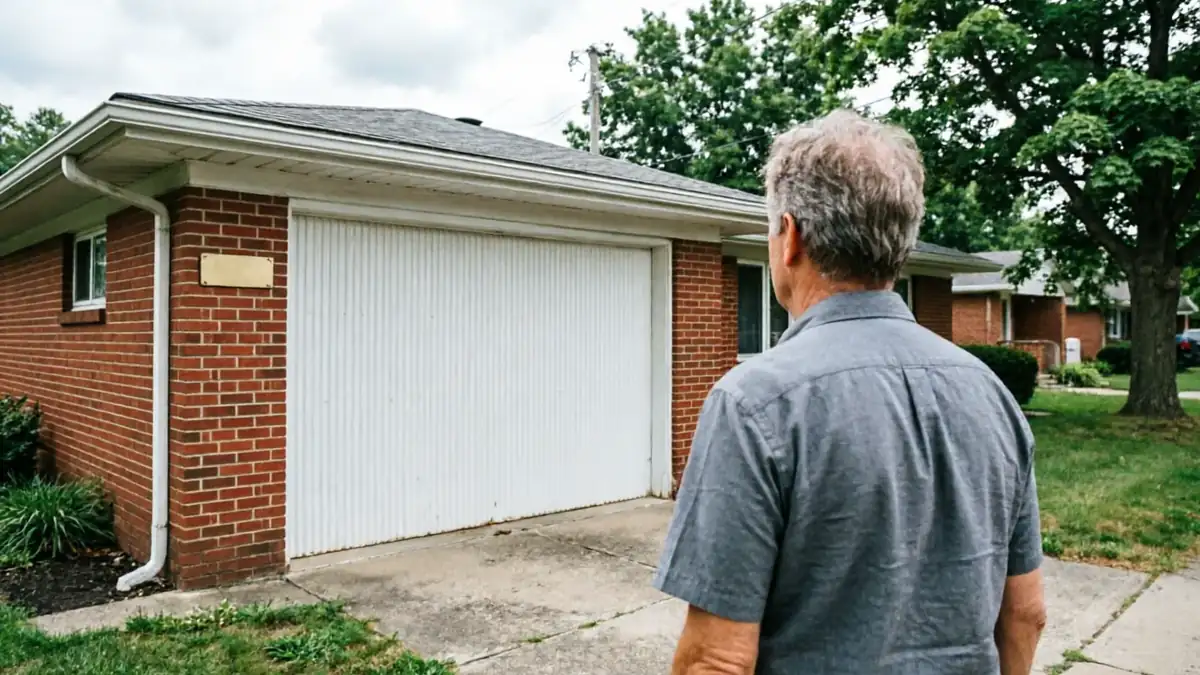
But we can tell you what moves the price up or down in this area specifically. A lot of Orland Park housing dates to the 1960s and 70s, with the broader stock running 1938 through 2004 and a median build year around 1970. That matters because homes from that era often have openings sized for doors that aren't standard anymore, or single-car bays on houses that have since been remodeled with wider driveways. Matching an odd-width opening costs more than swapping a current 16-foot double for another 16-foot double.
Cold-climate performance adds to the bill too
In a moderate-cold band like this one, a door with real insulation value and weatherstripping rated for sustained winter cold isn't optional if you want the garage to hold heat, and that pushes you toward a thicker panel than the bare minimum big-box option.
We won't sell you more door than your opening needs
If your house is one of the many built before the 1980s with a standard 7-foot single bay, a basic steel door does the job, and spending for features suited to a newer custom opening is money you don't need to spend.
What Local Conditions Do
Doors here deal with two things wearing on them at once: age and weather. With most of the area's stock going up in the 1960s and 70s, a lot of original hardware - tracks, hinges, sometimes the door itself - is still out there on houses that have had one or two owners since. Steel from that era doesn't have the corrosion coatings or the insulation core that current doors carry, so by the time a homeowner calls us about buying a replacement door here, the old one has usually been fighting cold-weather stiffness for years.
A moderate-cold climate band means real temperature swings across the seasons, not just a cold snap or two. Steel contracts in the cold, seals harden, and lift springs rated for warmer climates can end up undersized for winter loads on an older door. None of that is dramatic on its own, but it adds up over decades, which is why so many replacement calls here come from houses in that 1960s-70s band rather than newer construction.
The Problem
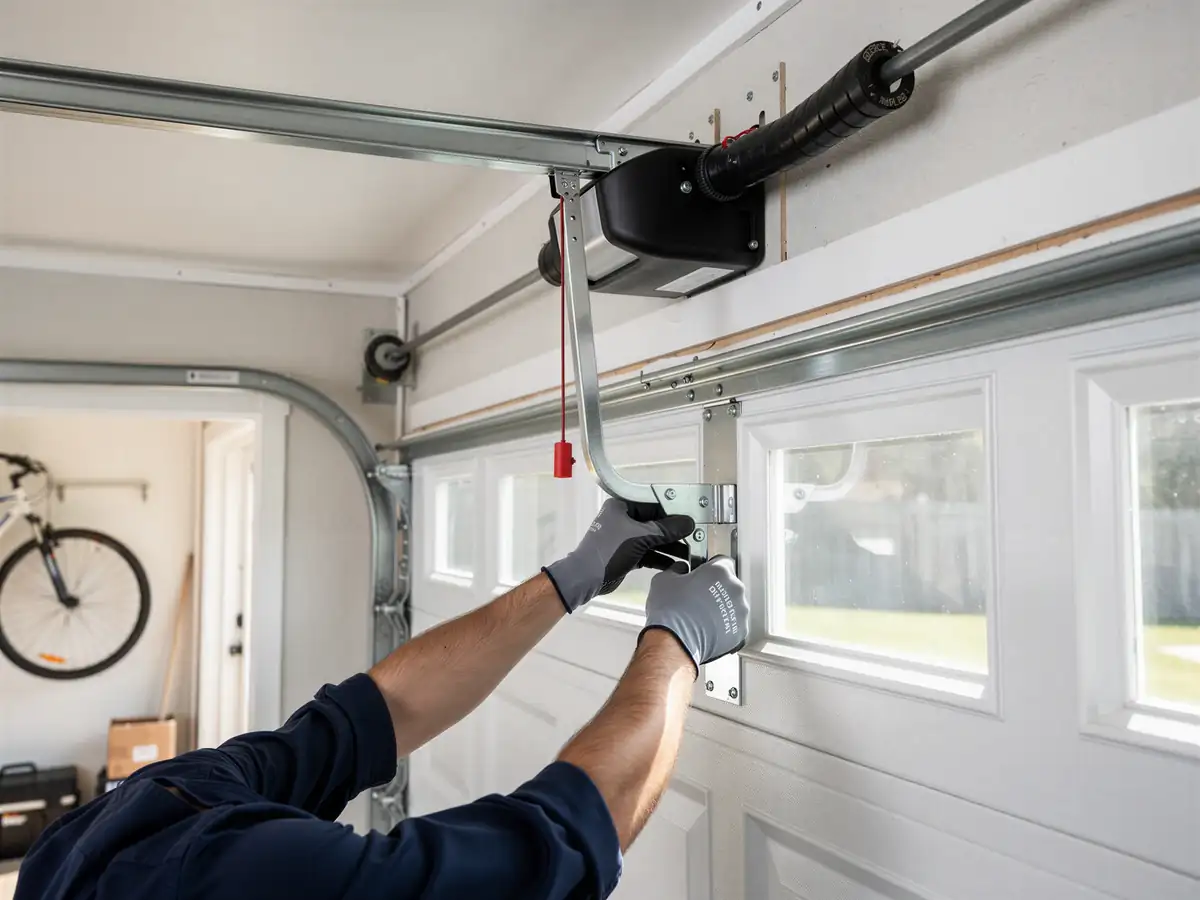
The core issue in Orland Park is a mismatch between what's installed and what the house needs now. A door built to 1970s specs, on 1970s hardware, wasn't engineered for the insulation standards or the lift mechanics that current doors use. When that door fails - a cracked panel, a spring that's lost its temper, a track bent from years of seasonal swelling - patching it often means chasing parts for a design that's not made anymore.
At some point the math stops favoring repair. If the door is original to a house built decades ago, a new torsion spring or a new section might buy a year or two, but the rest of the door is the same age and will need its own fix soon after. That's a real limitation we're upfront about: we'll tell you when a repair is throwing money at a door that's already on its way out, rather than running the bill up on something we know won't hold.
Checking It Yourself
Before you call anyone, a few things you can check in a few minutes
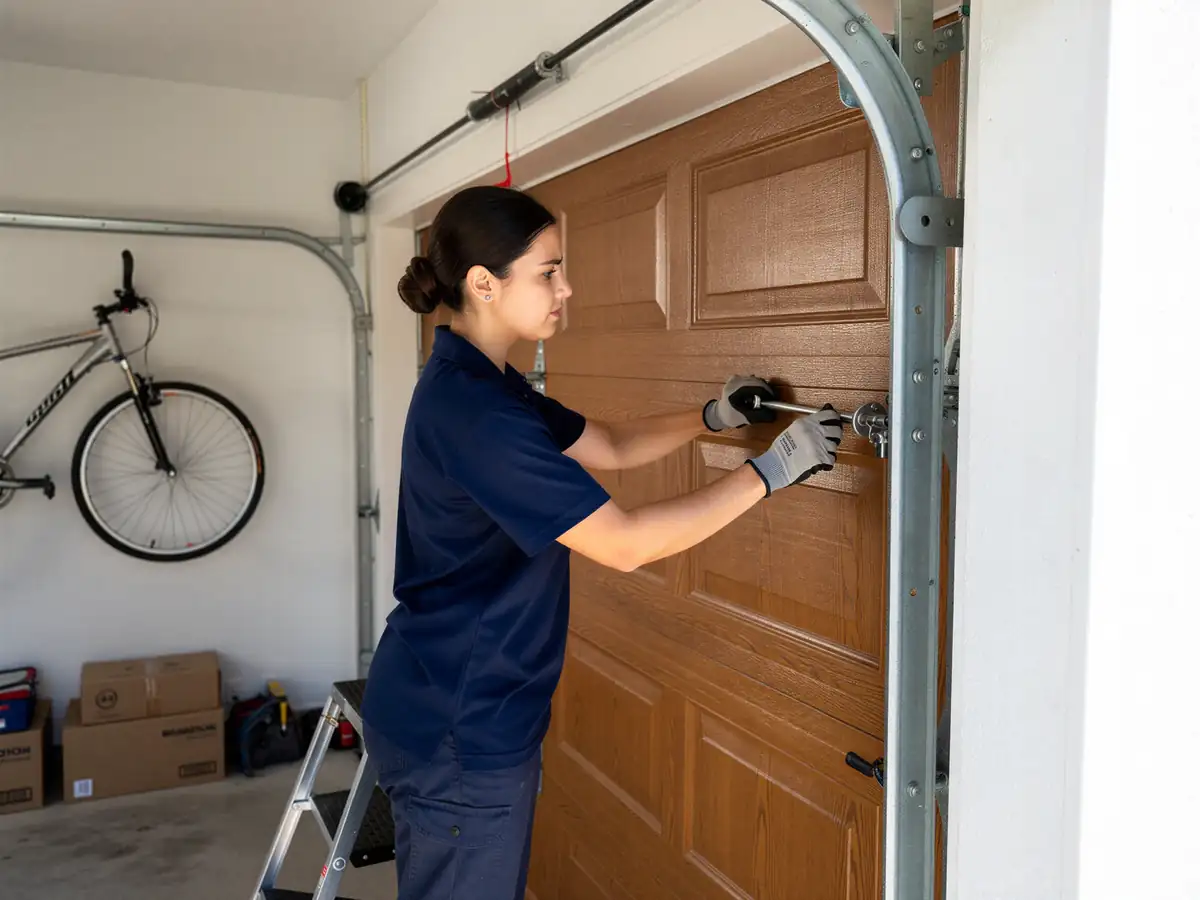
Look at the weatherstripping along the bottom and sides - if it's cracked or has gaps, cold air is getting in, and on an older door that's often the first part to go in this climate. Check whether the door has any visible insulation on the inside panel; a lot of houses from the 1960s-70s era never had it added, which explains a cold garage more than a failing opener does.
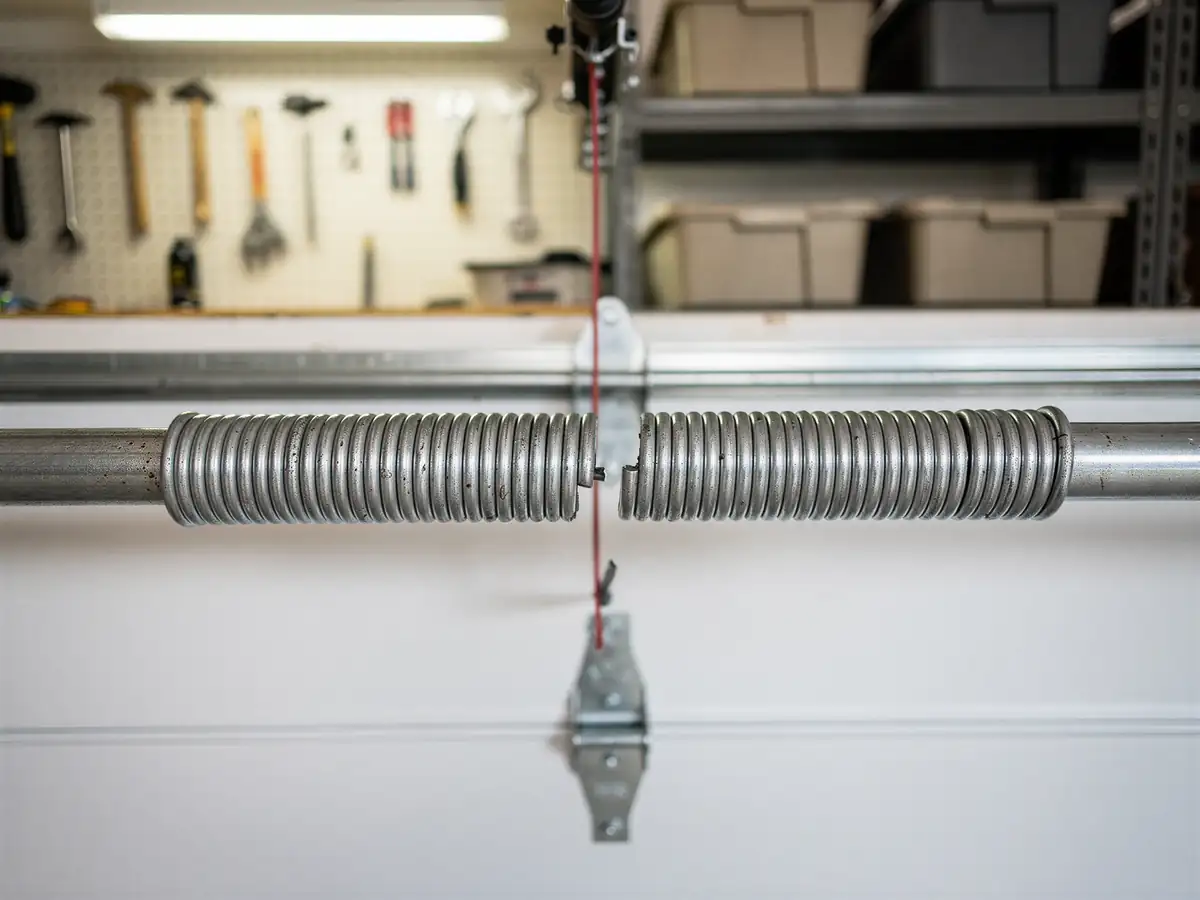
Next, look at the springs above the door
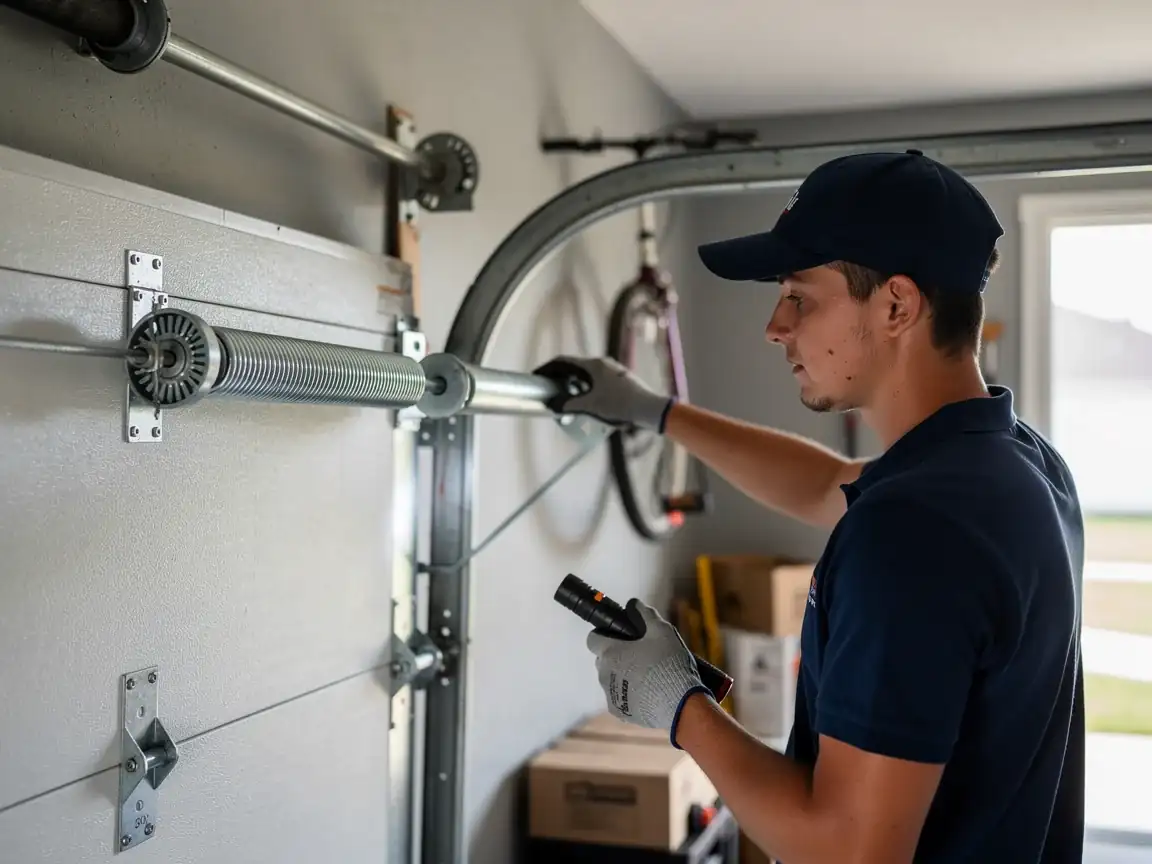
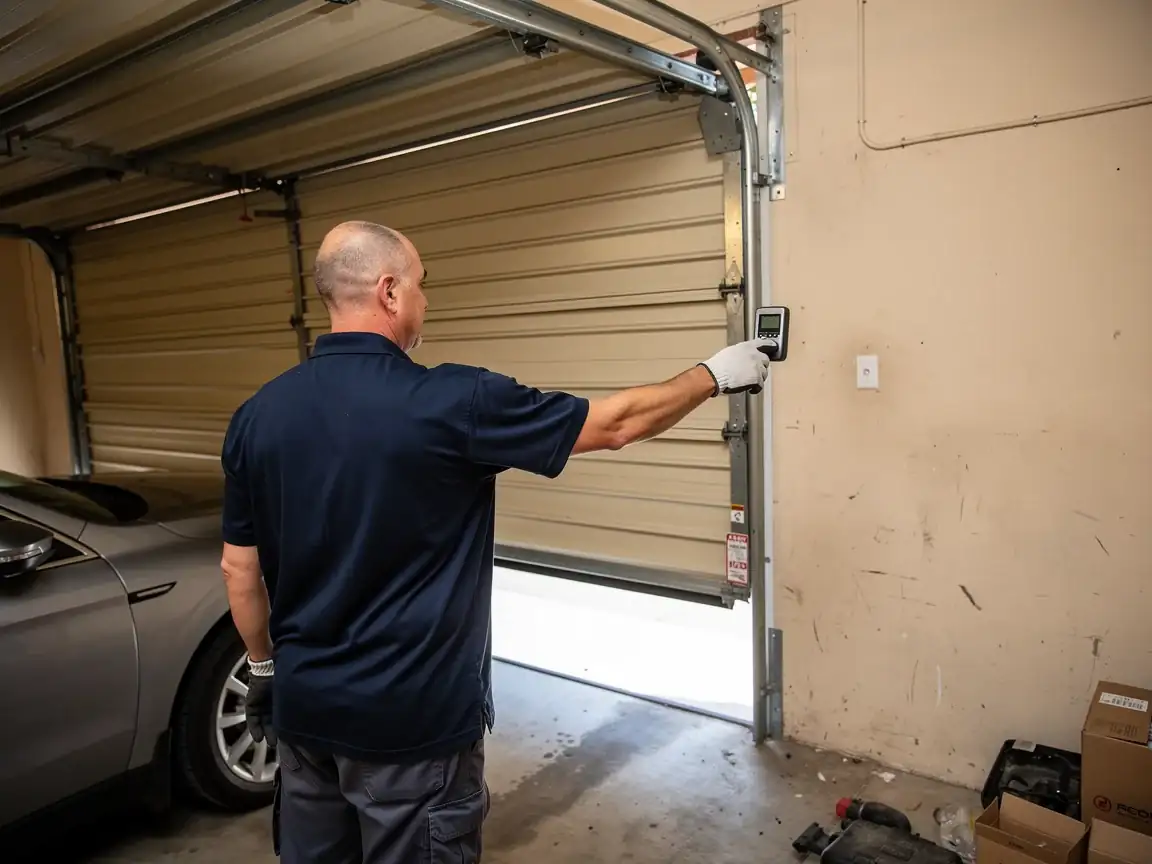
A worn or rusted spring on a door this old is a safety issue, not a cosmetic one - don't try to adjust or remove it yourself. Finally, measure your opening width and height before you start pricing anything. Older homes here sometimes have openings that don't match current standard sizes, and knowing your actual measurements upfront saves a wasted trip and a wrong quote.