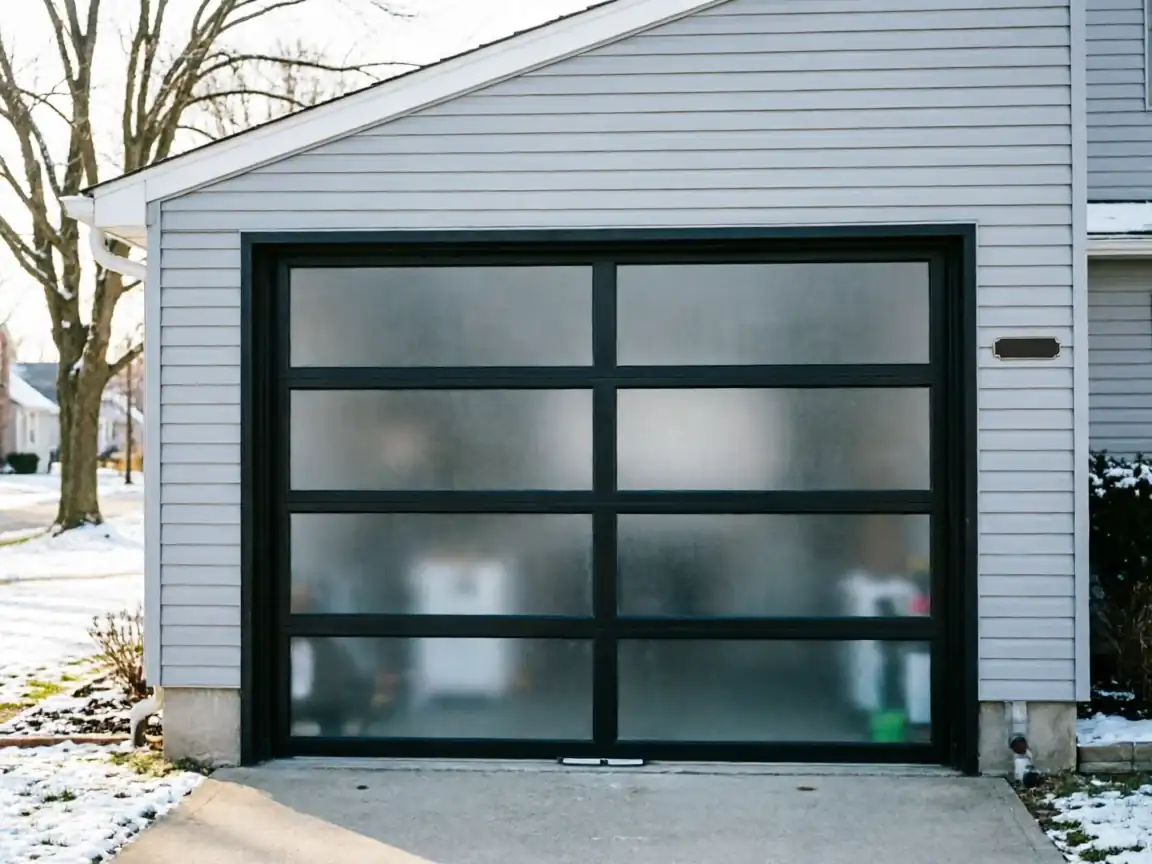
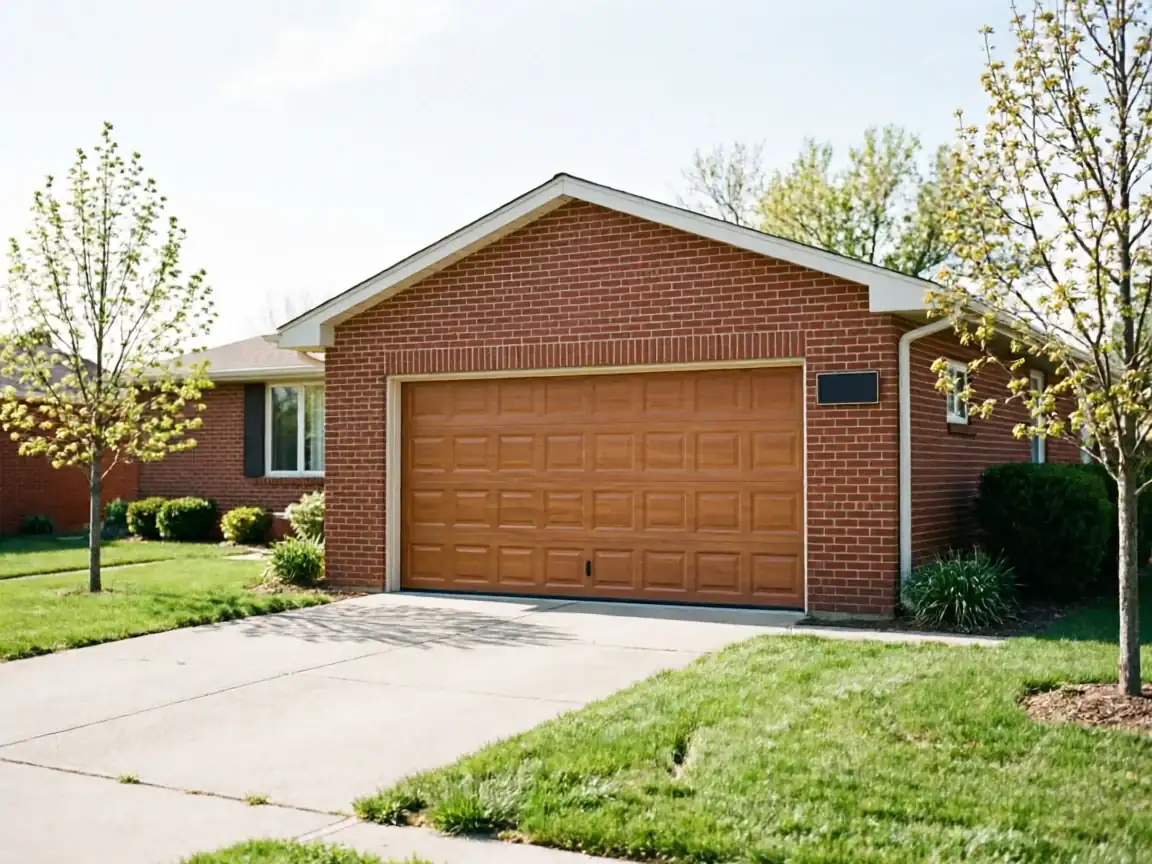
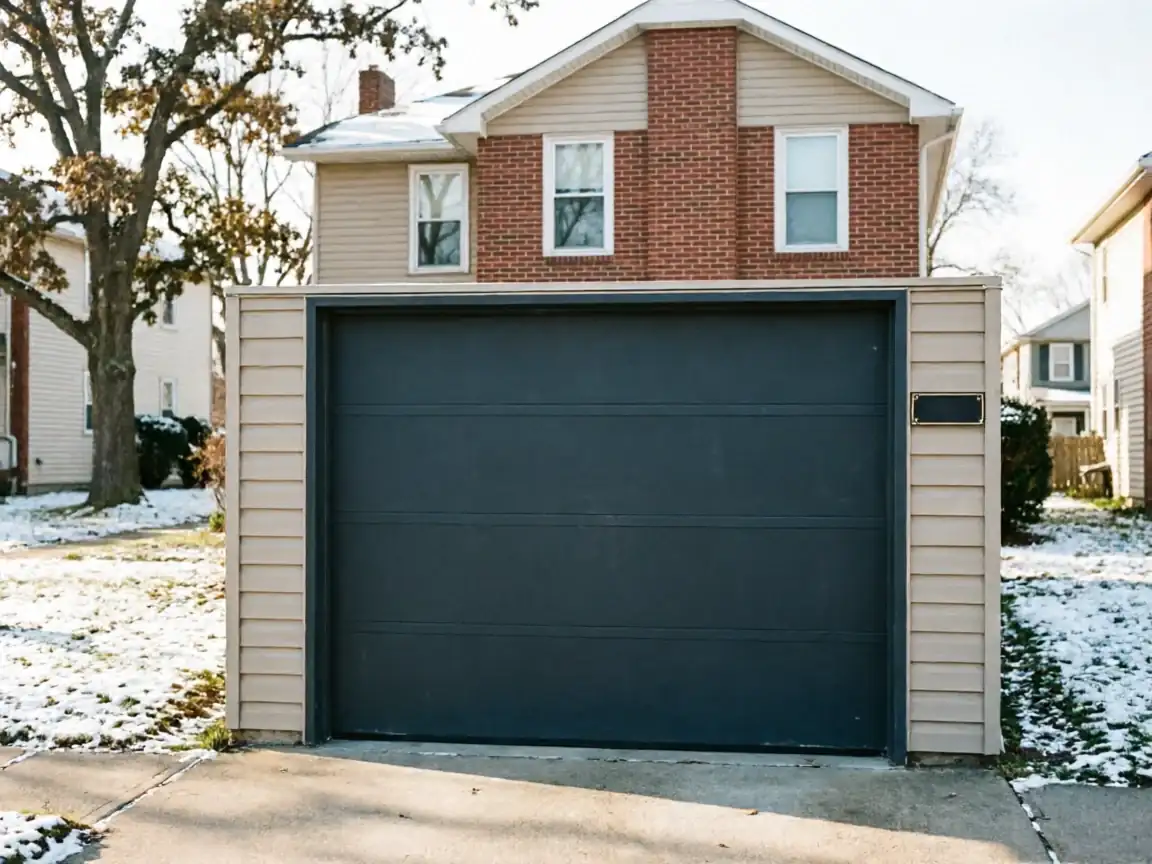
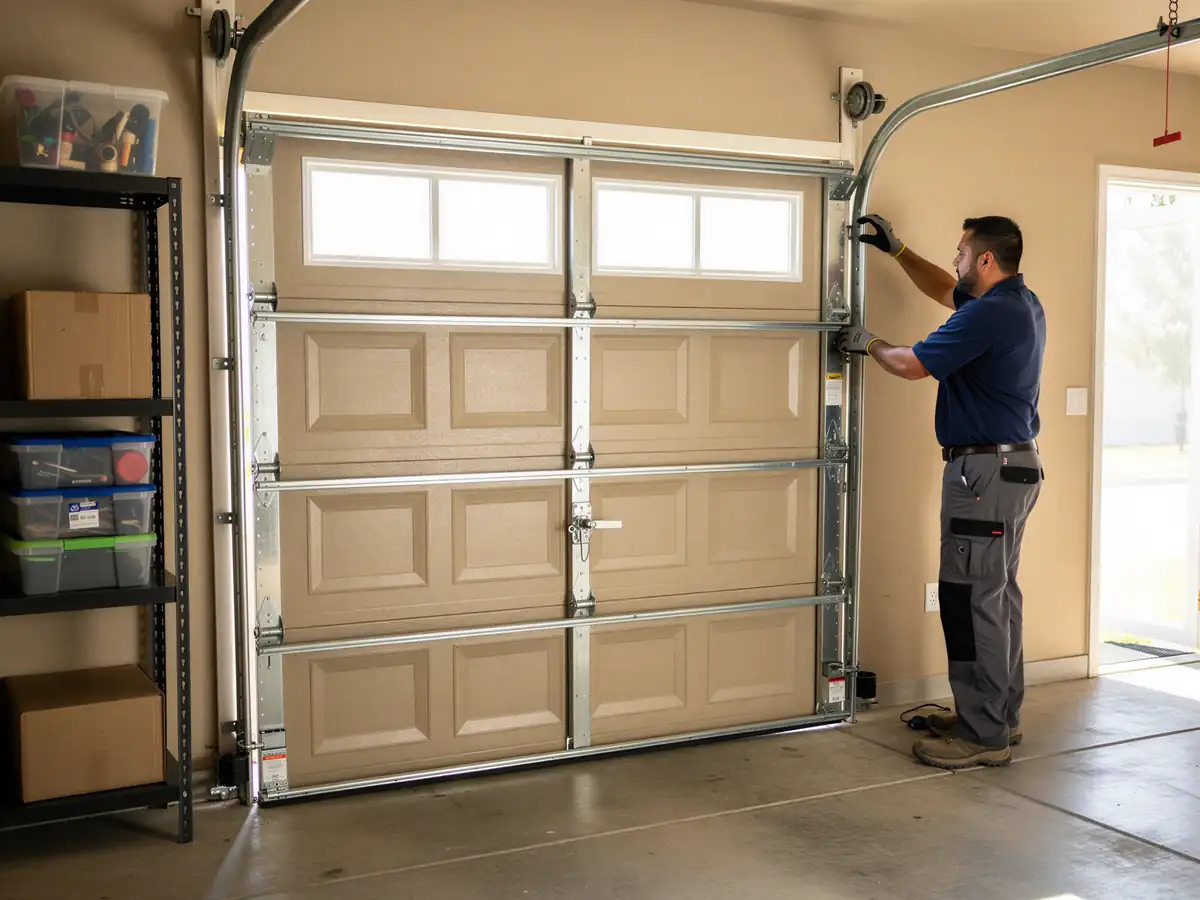
Garage door repair in Orland Park, IL for homes built mostly in the 1960s and 70s. We diagnose broken springs, off-track doors, and failed openers from original hardware.
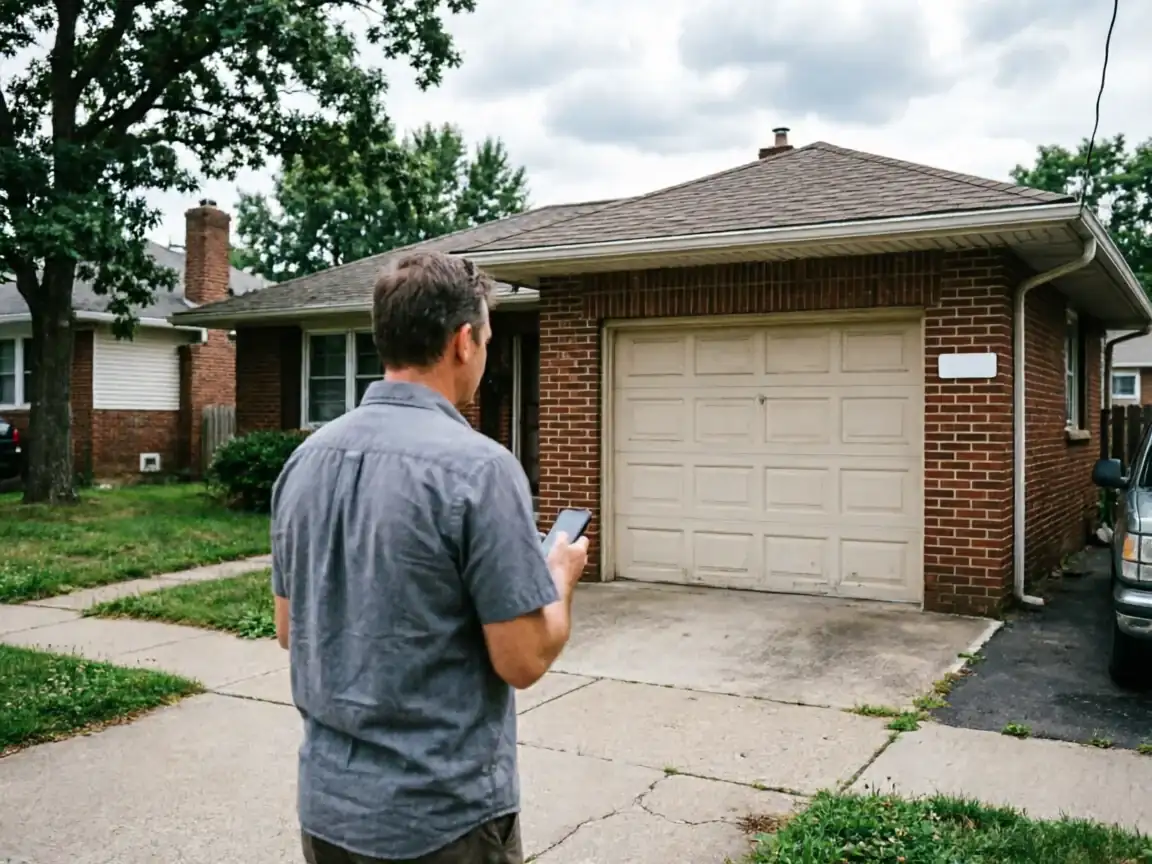
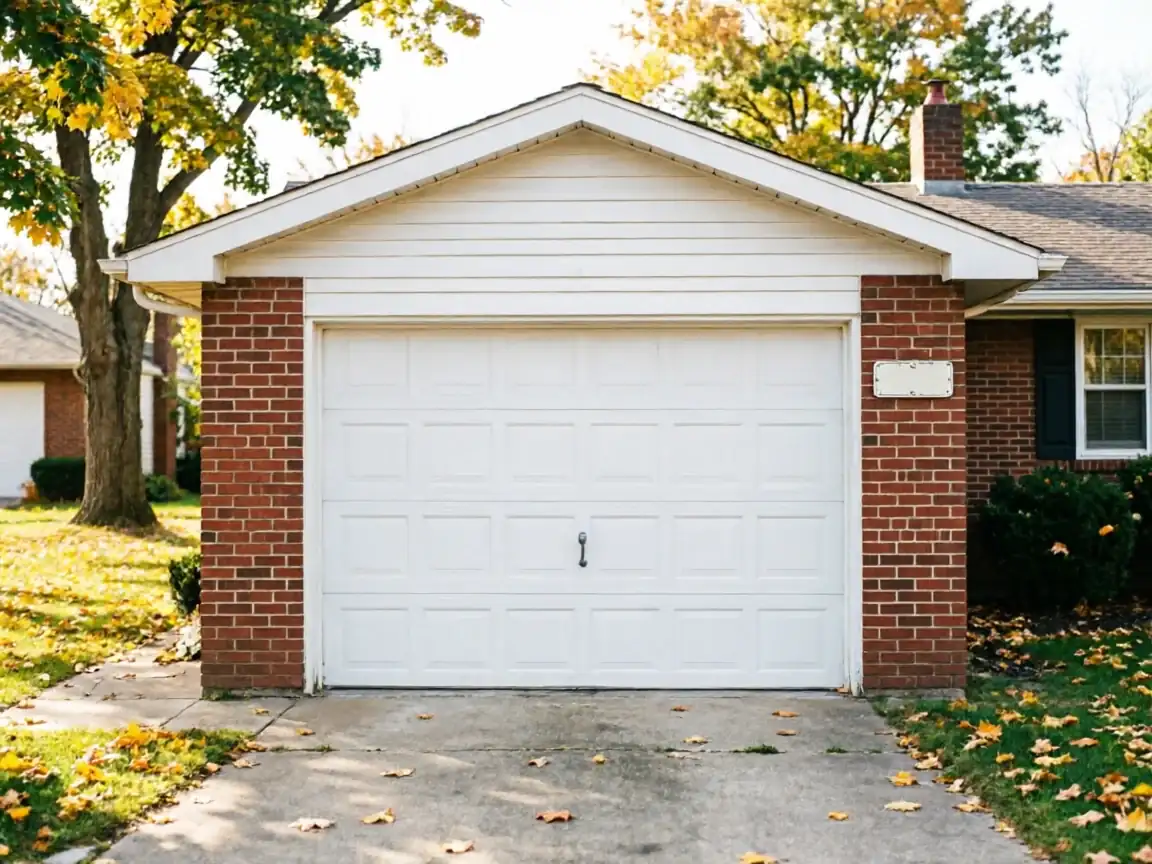
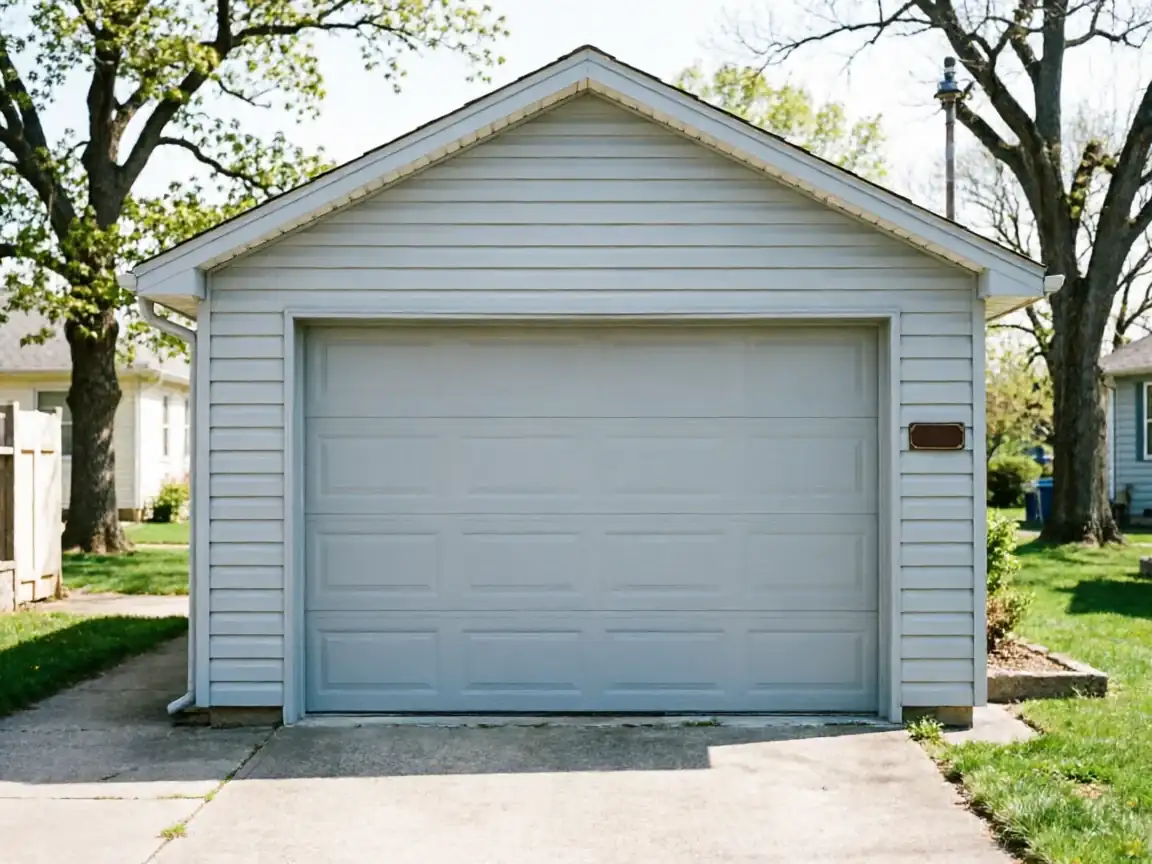
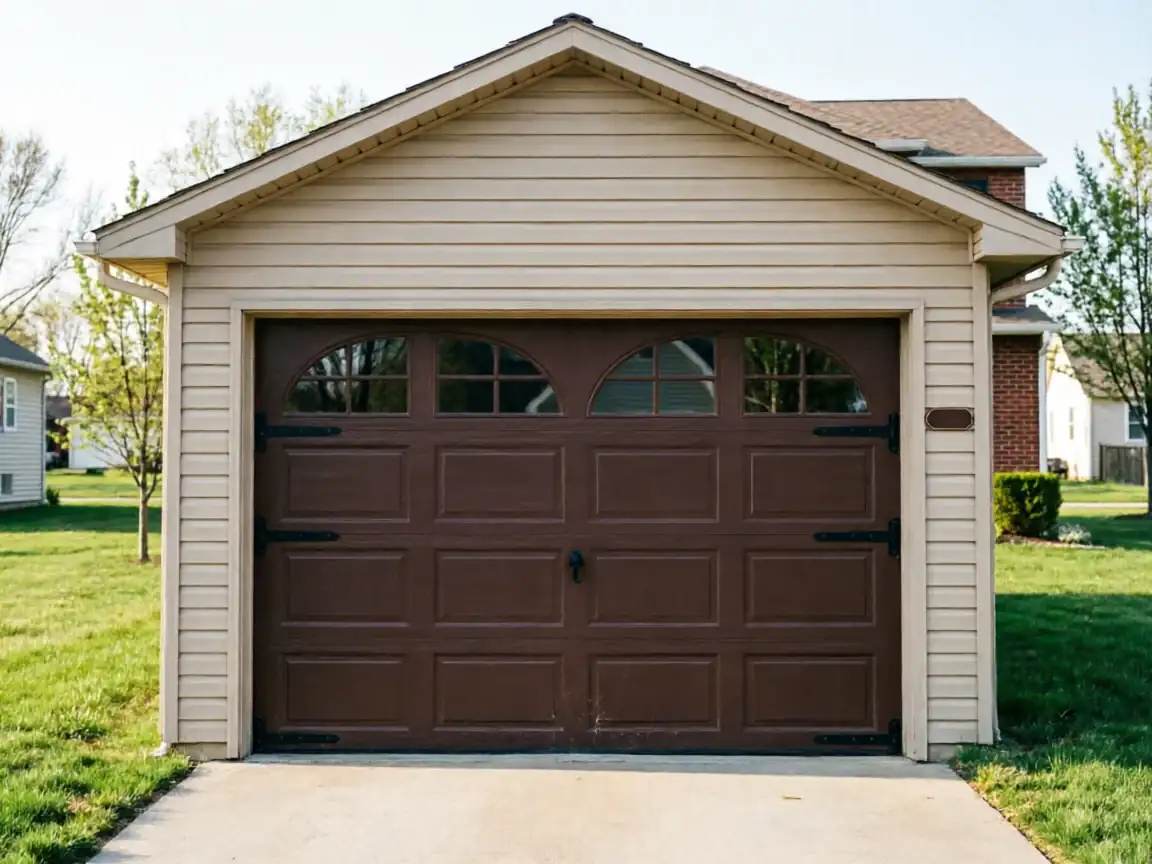
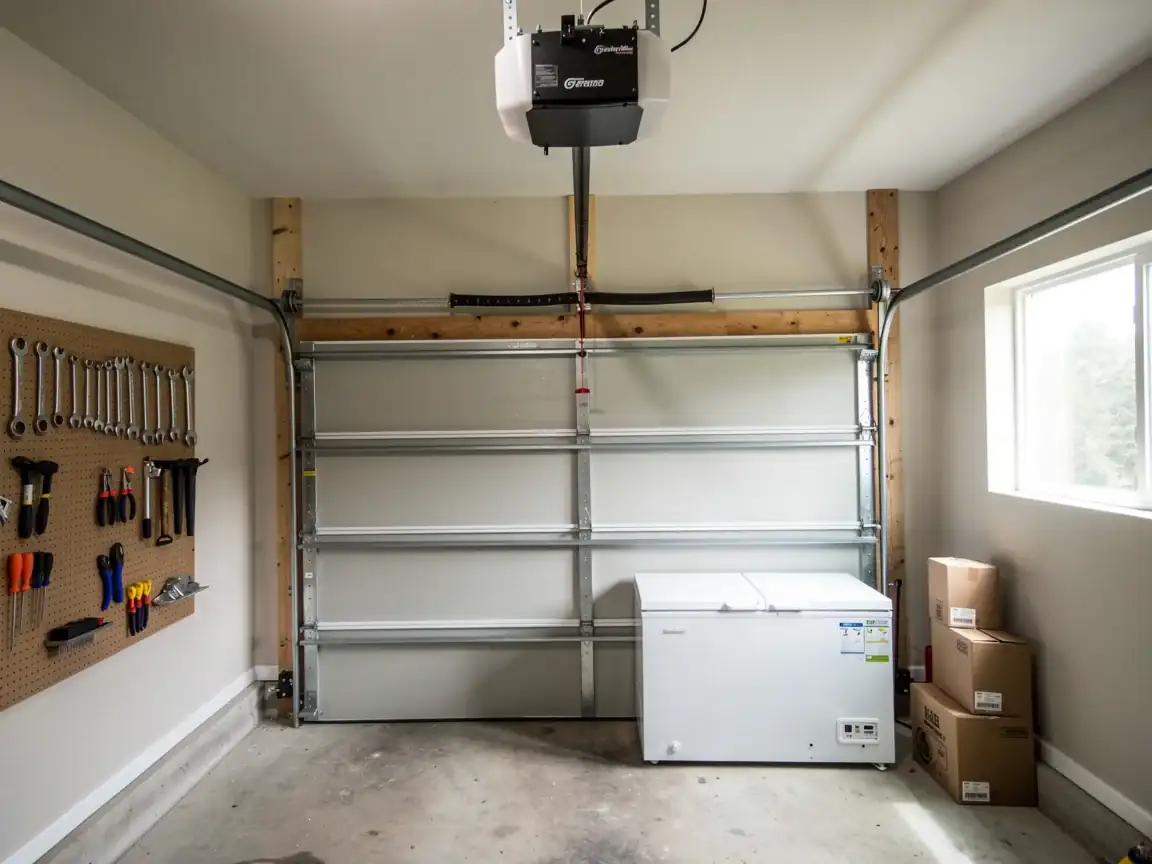
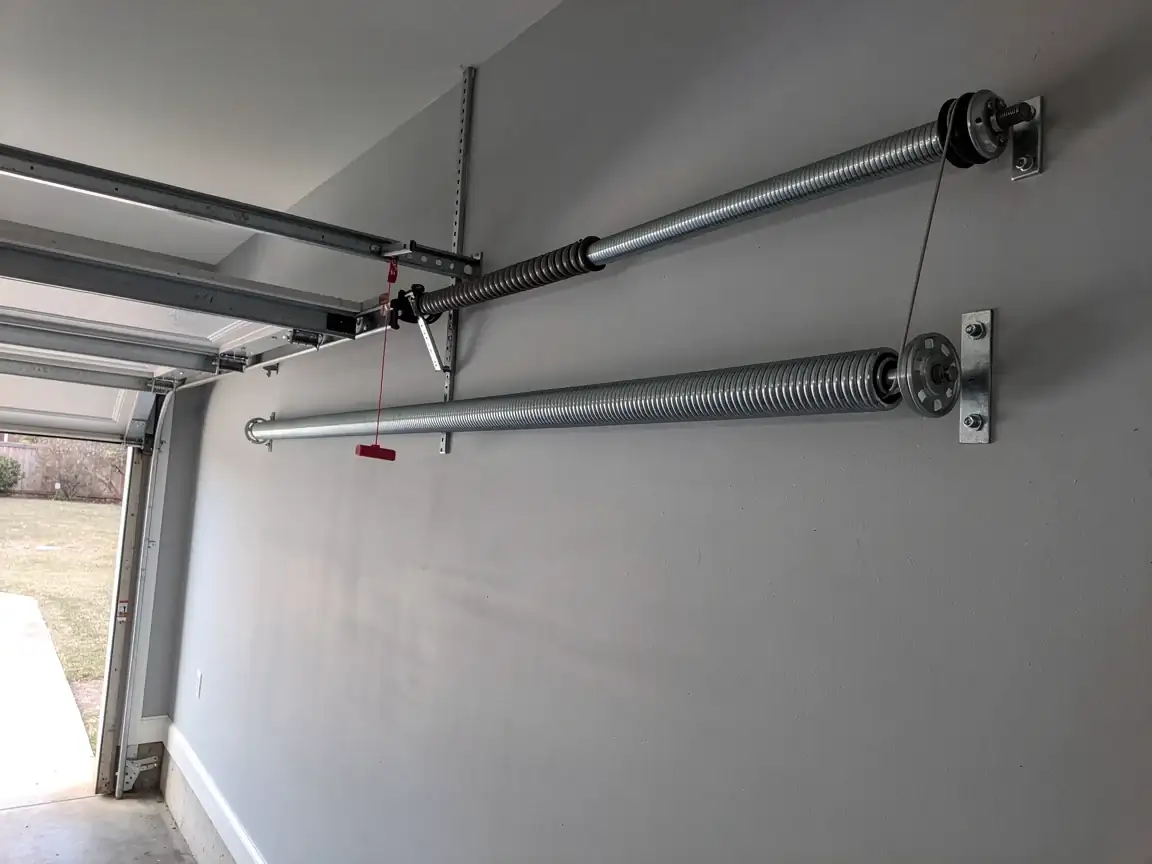
Orland Park's housing stock mostly went up through the 1960s and 70s, with the wider area running from 1938 to 2004 and a median build year of 1970. A lot of those houses still have their original torsion spring setup, sized for openers and door weights that don't match what's sold today. Steel fatigues on a cycle count, not a calendar, but cold makes it worse. This area sits in a moderate cold climate band, and when temperatures drop, the steel in a spring contracts and gets brittle right as the opener is pulling hardest against it - usually in the dead of winter when nobody wants to be standing in a cold garage. Add forty-plus years of expansion and contraction to a spring that was never swapped, and you get a sudden failure instead of a slow one. Rollers and hinges on these older doors are steel too, not nylon, so they bind up the same way. If your house falls into that 1960s-70s band that's common across this area, your door is carrying original or near-original hardware more often than not, and that's the root of most of the service calls we get.
How Long It Takes
We're not going to put a number here we can't back up - every door is different once the panel comes off. What we can tell you is what actually eats time on a job. Original hardware from the 1960s and 70s era common in this area sometimes uses track widths or spring mounts that don't match current stock sizes, which means more time matching parts correctly instead of forcing a close-enough fit. A straightforward spring swap on a door with standard hardware goes faster than a door where the track is bent, the drum is worn, or the opener bracket has been rigged before. We'd rather tell you a job needs a second visit for the right part than install the wrong one to hit a number we quoted you over the phone.
The Symptom
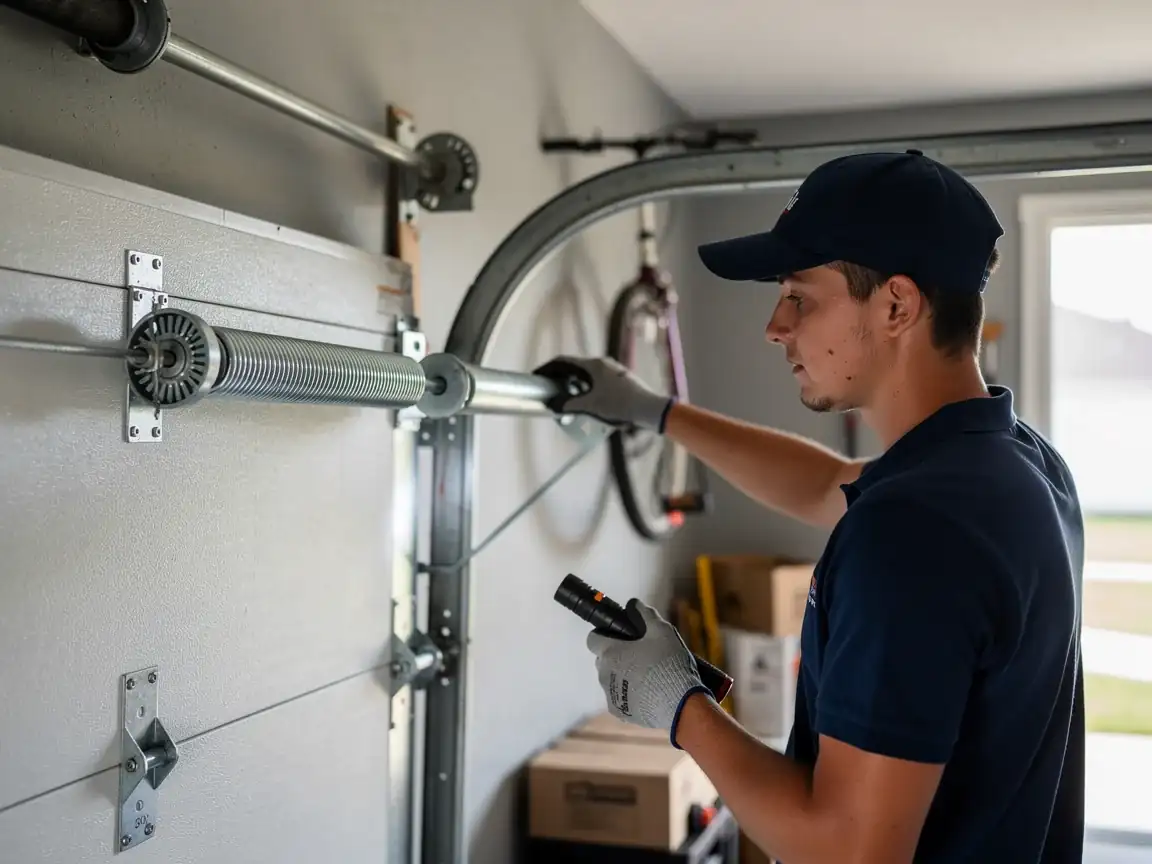
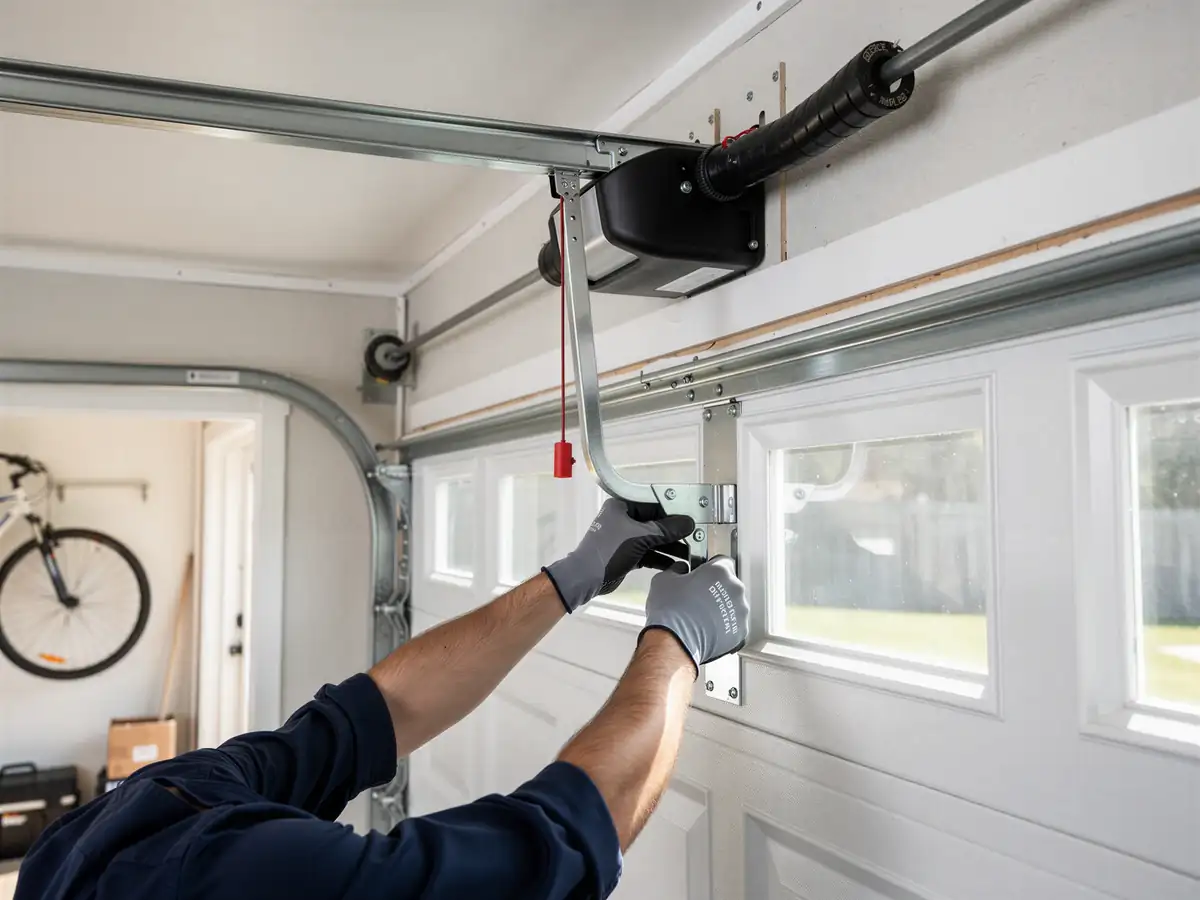
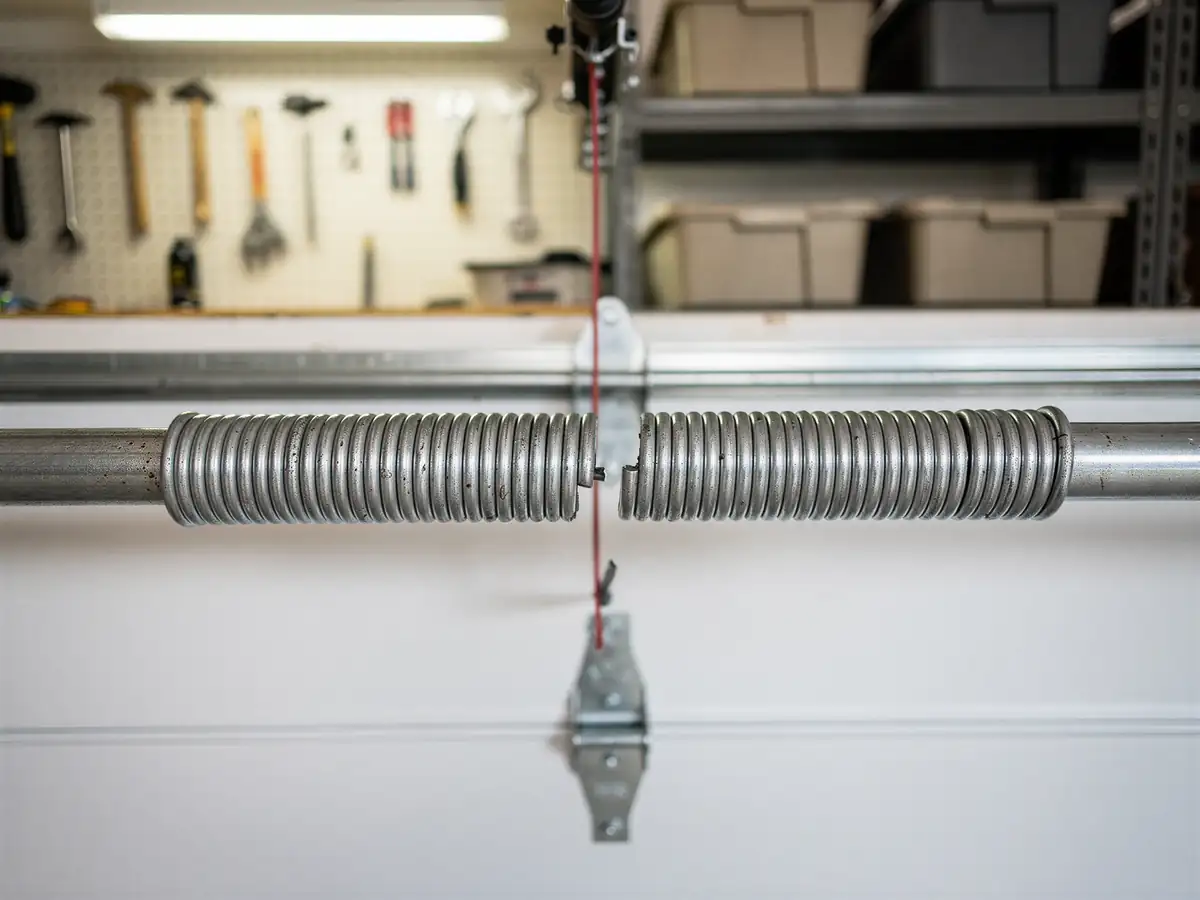
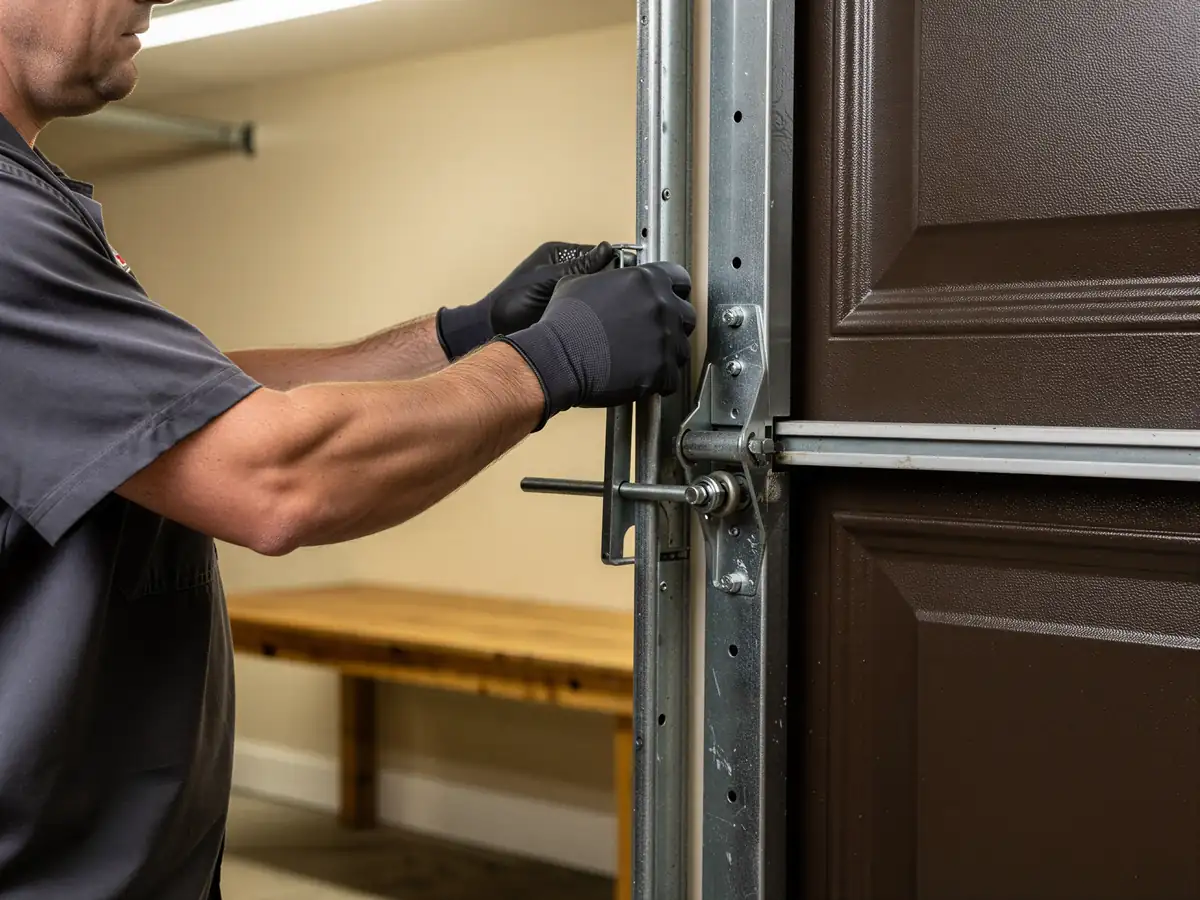
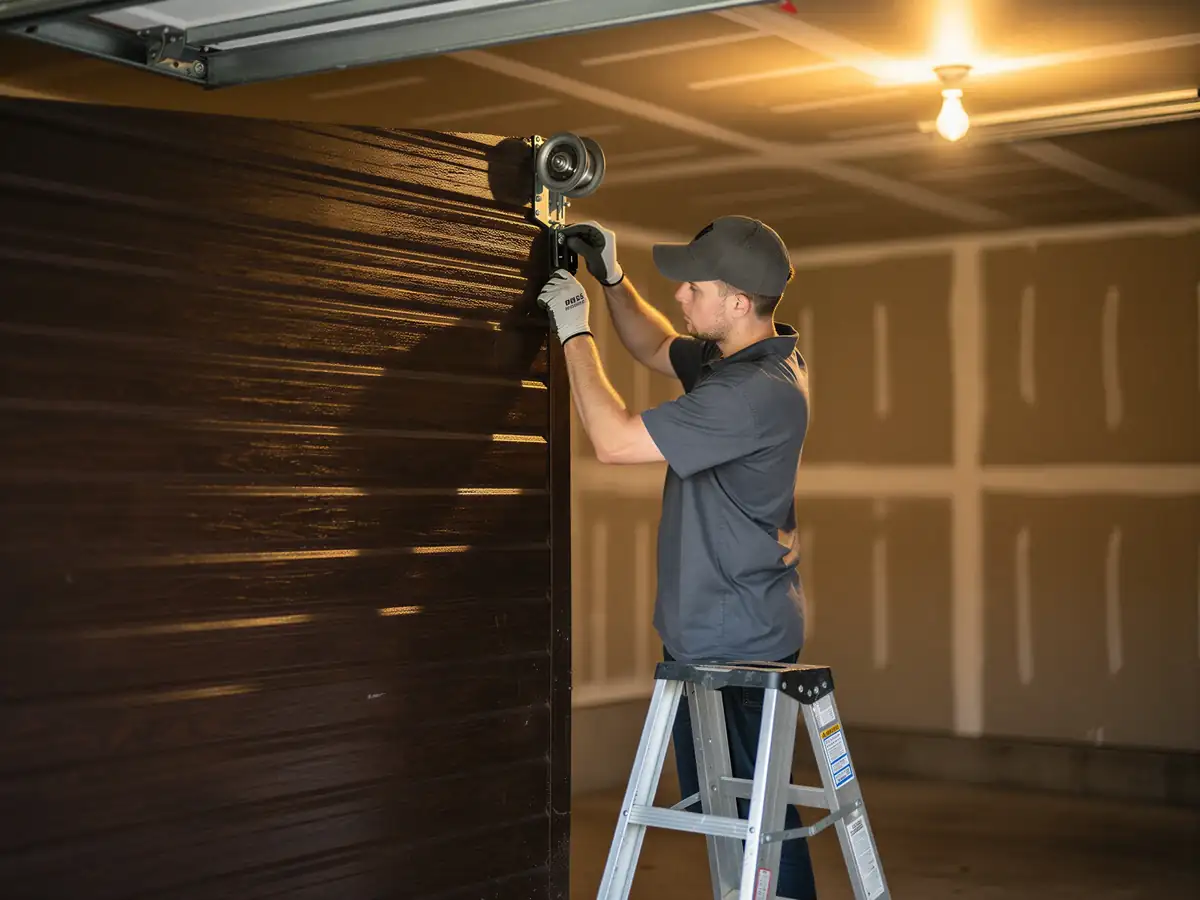
The most common call we get fits a pattern: the door opens partway, reverses on its own, or won't budge at all, often with a loud bang from the garage right before it quits. That bang is usually a torsion spring letting go - steel that's been cycling for decades in a climate that swings from summer heat to real cold finally gives out at the weld or the coil. You might also notice the door feels heavier than it used to, or the opener strains and makes a grinding sound without lifting much. On older doors common to this area's 1960s and 70s housing, worn rollers and hinges often show up alongside the spring problem, not instead of it, because they've been under the same stress for the same number of years.
Can You Do This Yourself
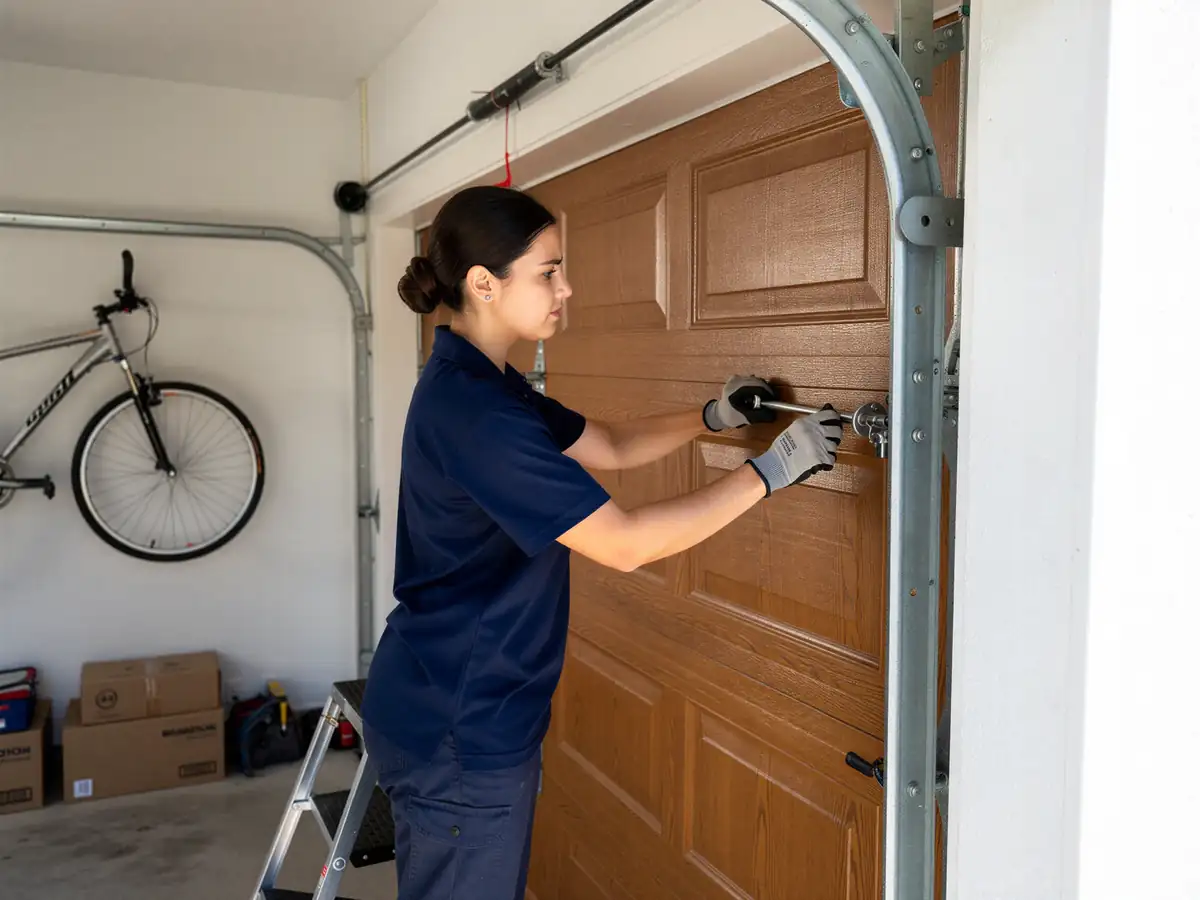
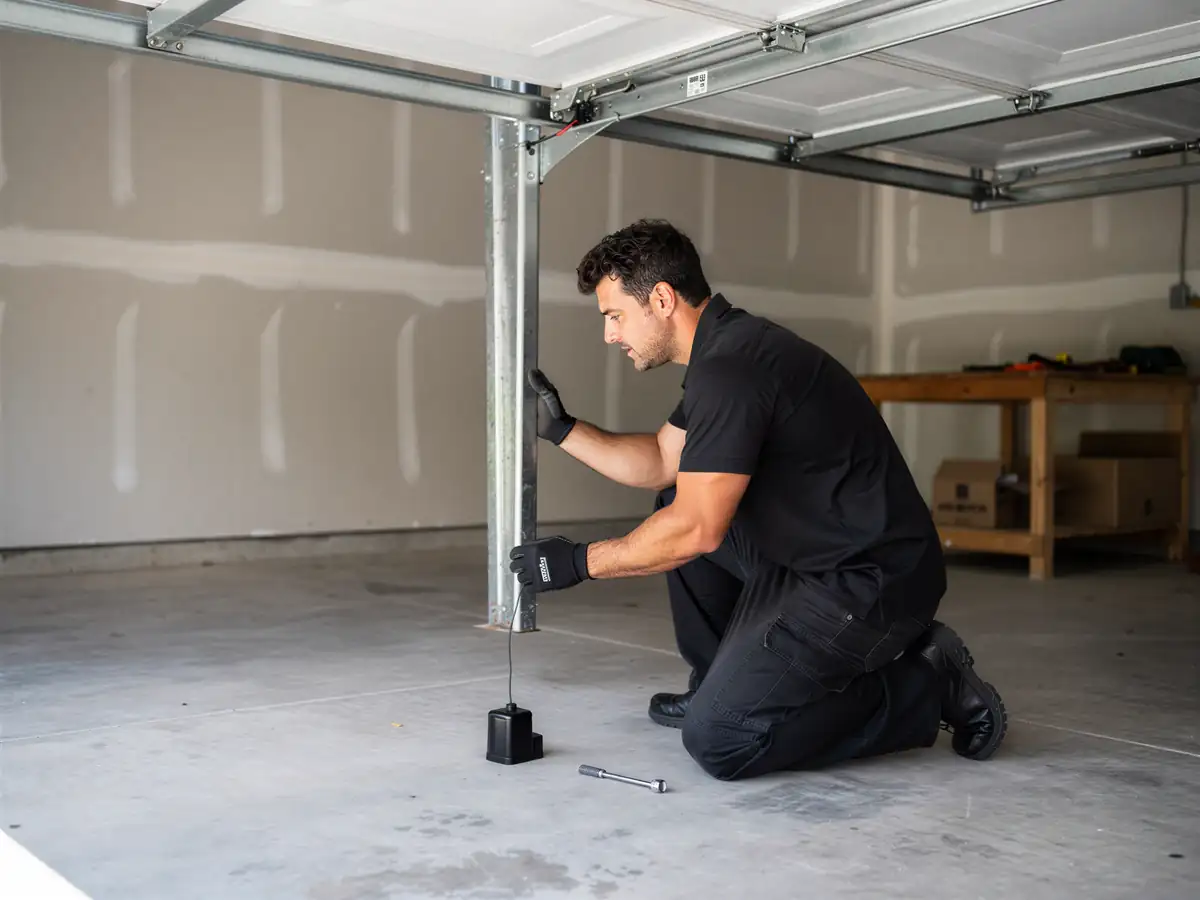
Checking is fine. Tightening loose hinge screws, clearing the track of debris, lubricating rollers, and testing the auto-reverse safety feature are all things an owner can do safely with the door closed and the opener unplugged. Replacing a torsion spring is not something we recommend doing yourself. These springs hold a huge amount of tension, and on the original hardware common in homes built through the 1960s and 70s in this area, mounts can be worn or undersized compared to current standards, which adds risk if you don't know what you're looking at. If the door won't move, or it slams down instead of lowering slowly, stop and call - that's a spring or cable problem, not an adjustment.
How it works
From “it’s stuck” to “it’s fixed”
01
Tell us what’s wrong
Describe the symptom - won’t open, loud bang, opener runs but the door won’t move.
02
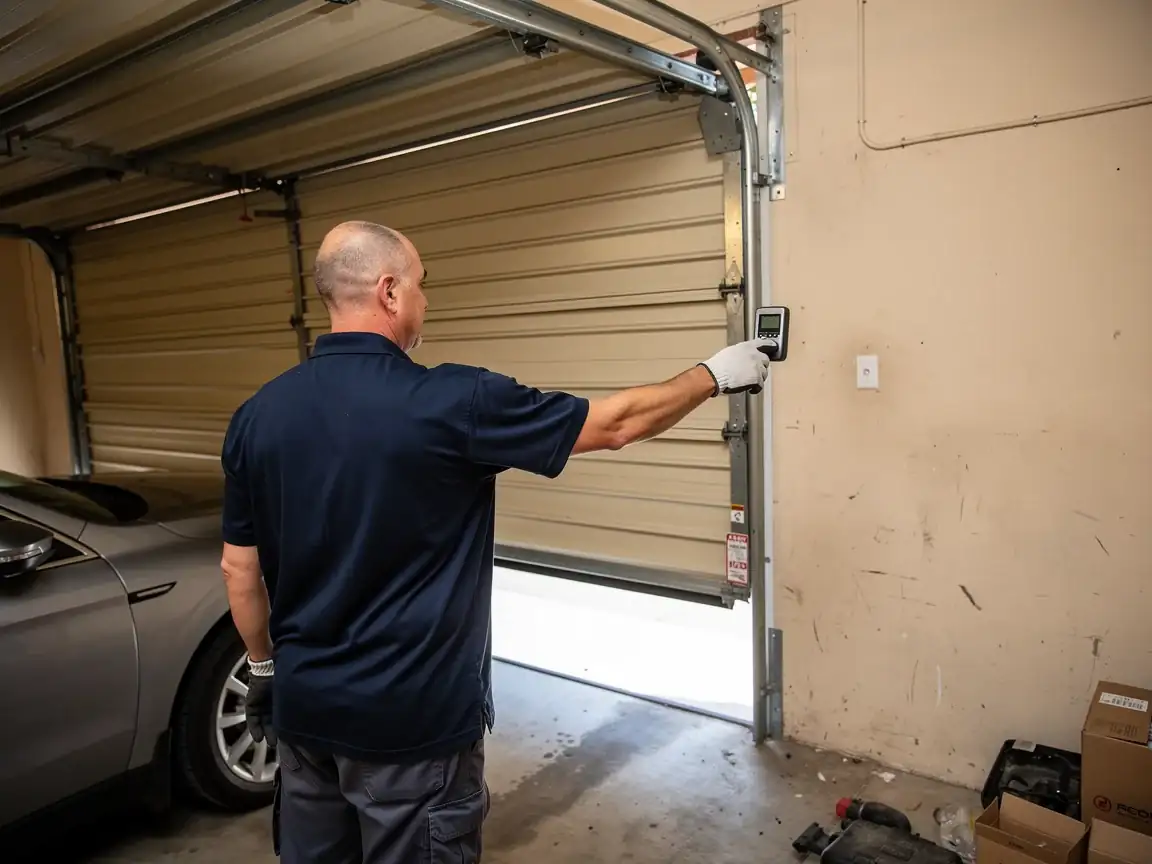
On-site diagnosis
A technician tests the door under power and by hand and finds what actually failed.
03
Clear, up-front plan
You get the fix that’s needed and what drives the cost - before any work starts.
04
Repaired & tested
The repair is done, the door is set true and tested, and the work area left clean.
Not sure which repair your door needs in Orland Park, IL? Describe what it’s doing - every job starts with a diagnosis.
Why do garage door springs fail more in winter here?
Steel contracts and gets more brittle as temperatures drop, and this area sits in a moderate cold climate band with real winter swings. A spring that's already fatigued from decades of cycling is more likely to snap under that added stress, which is why so many calls come in during cold months.
Is my door's hardware original?
If your house was built in the common 1960s-70s window for this area, there's a good chance it's running original or early-replacement torsion hardware. We check mount size and spring rating against the door and opener before quoting anything.
Do you replace rollers and hinges too?
Yes, when they're worn. On older doors we often find rollers and hinges showing the same age-related wear as the spring, since they've been under load the same number of years.
Should I replace the whole door instead of repairing it?
Sometimes. If the track is bent, the panels are rusted through, or the hardware is so outdated that parts are hard to match, replacement can make more sense than patching an old system piece by piece.
Ready to get your garage door sorted?
Tell us what it’s doing and where you are in Orland Park - we’ll take it from there.