The Drive Over
Frankfort sits about 7 miles out from our Orland Park shop, a straight run most mornings
We don't have a depot or a crew sitting in Frankfort - the truck comes from Orland Park every time a call comes in, same as it does for the other towns on this side of the county. That drive is worth mentioning because it's the honest answer to "how fast can you get here": we're not already around the corner, we're dispatching from Orland Park, and we tell people that up front instead of pretending otherwise.
- 7 miles
What makes Frankfort worth a separate page isn't the mileage, though
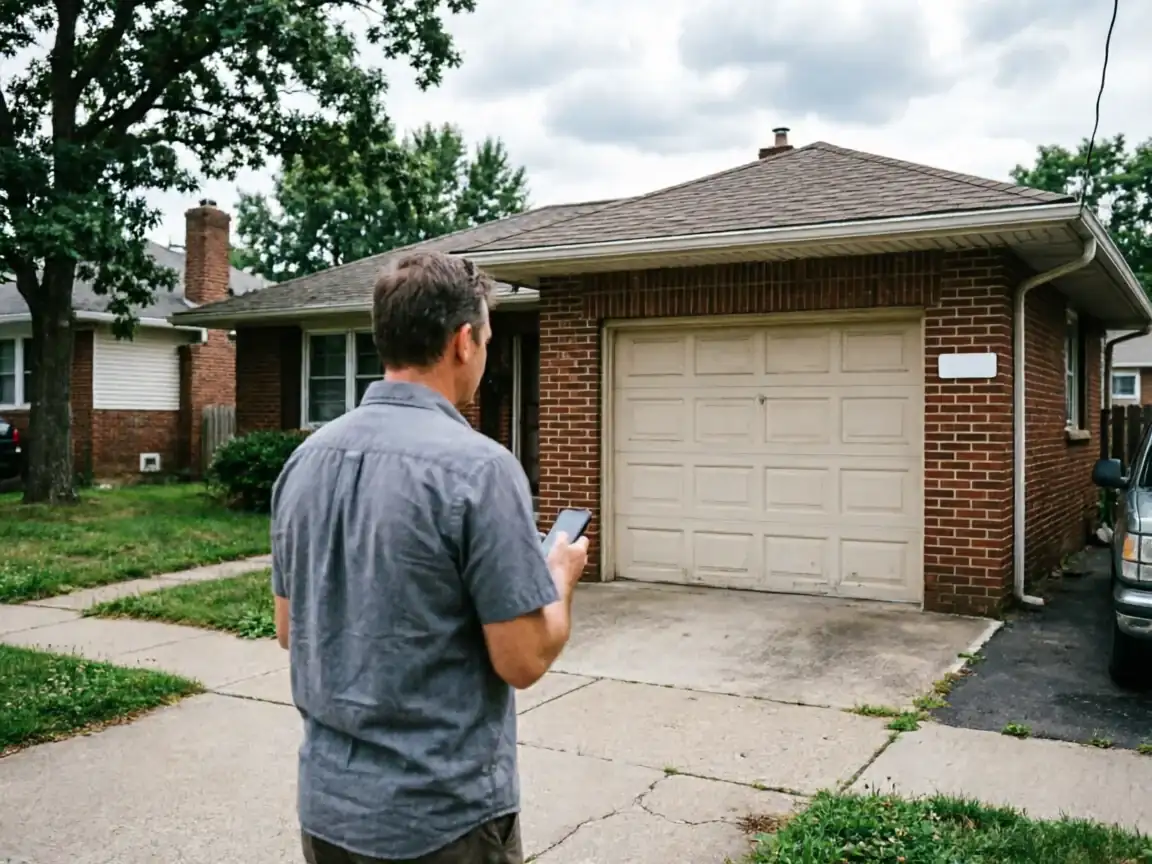
It's what's actually sitting in Frankfort's garages, which is a different animal from what we see in the older pockets of this service area.
What Was Built Here
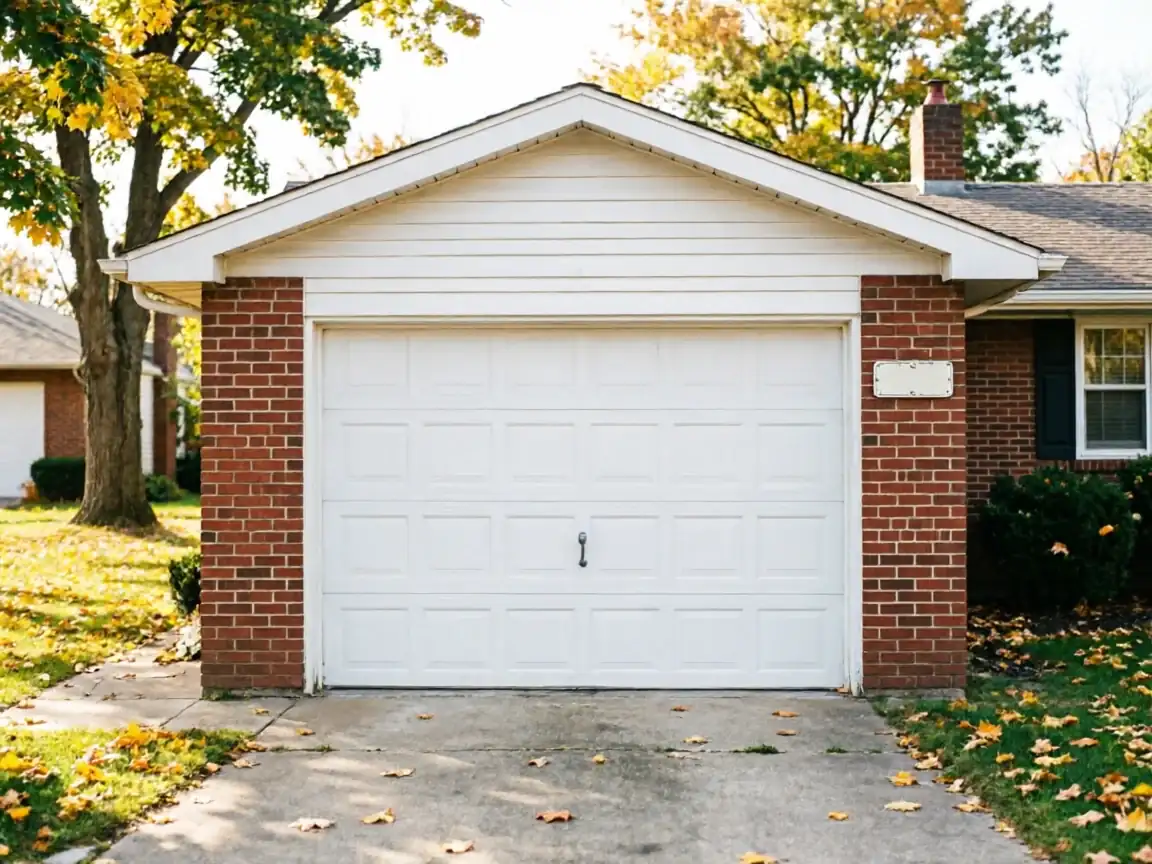
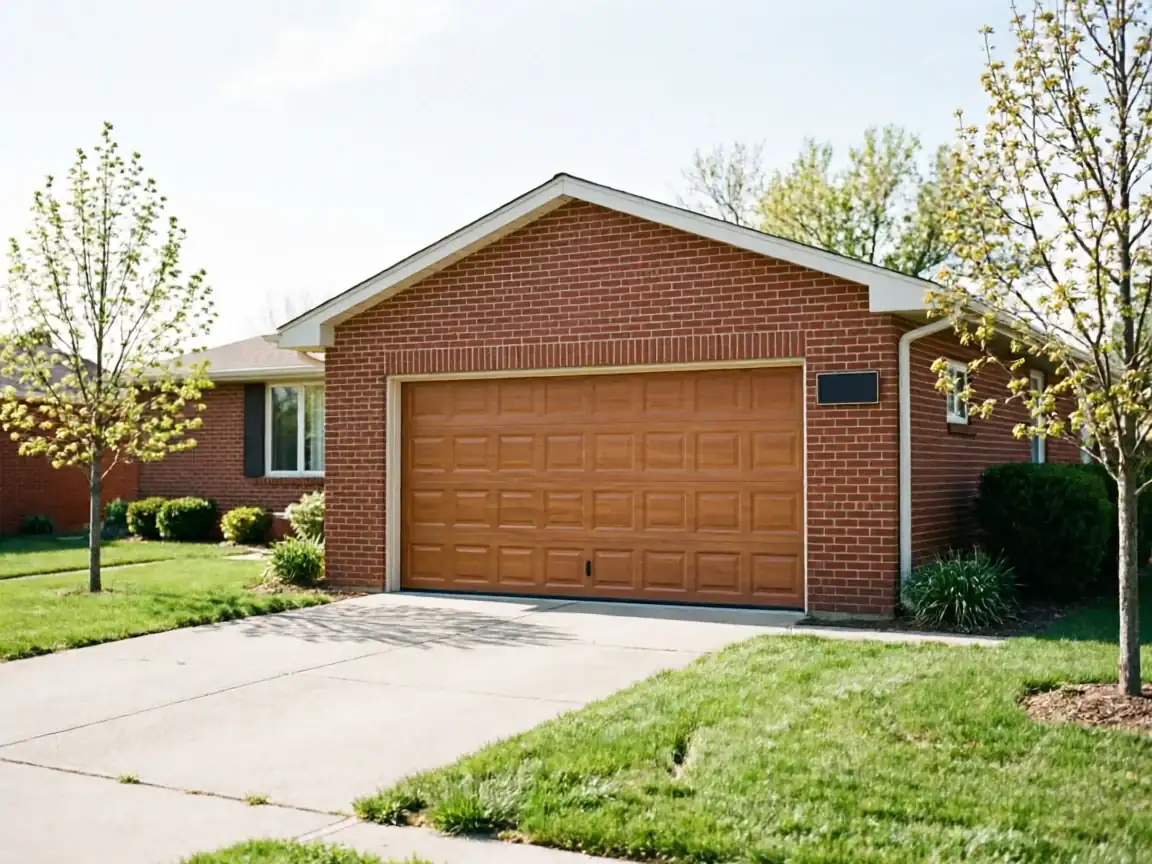
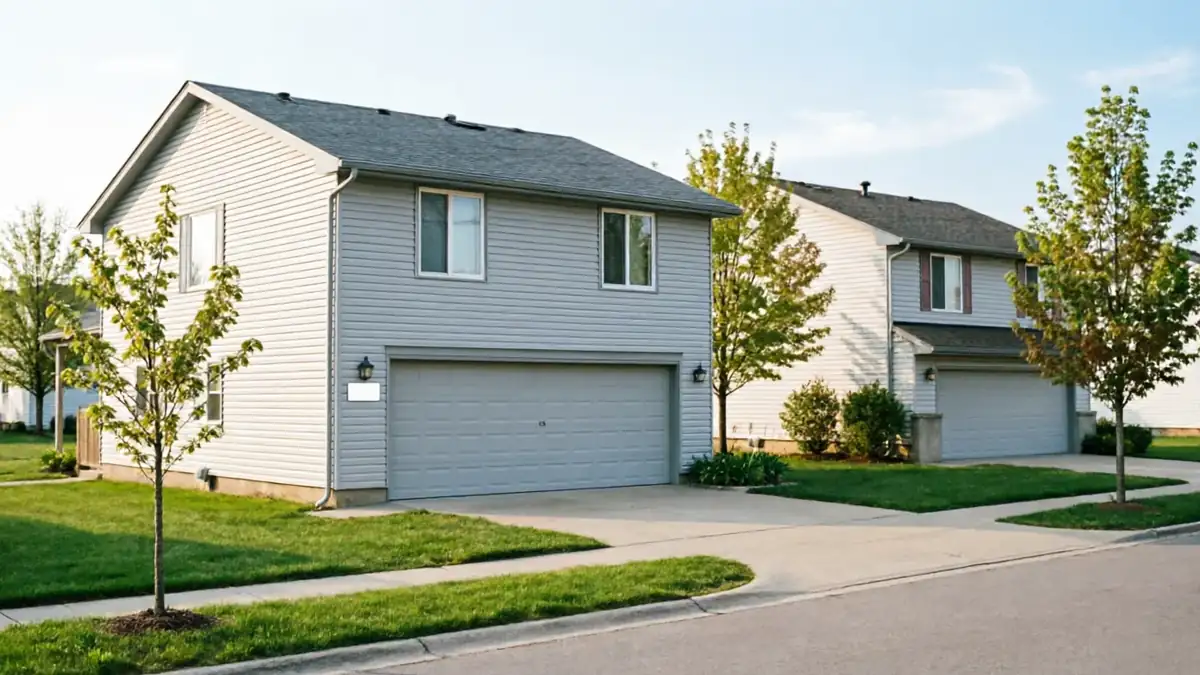
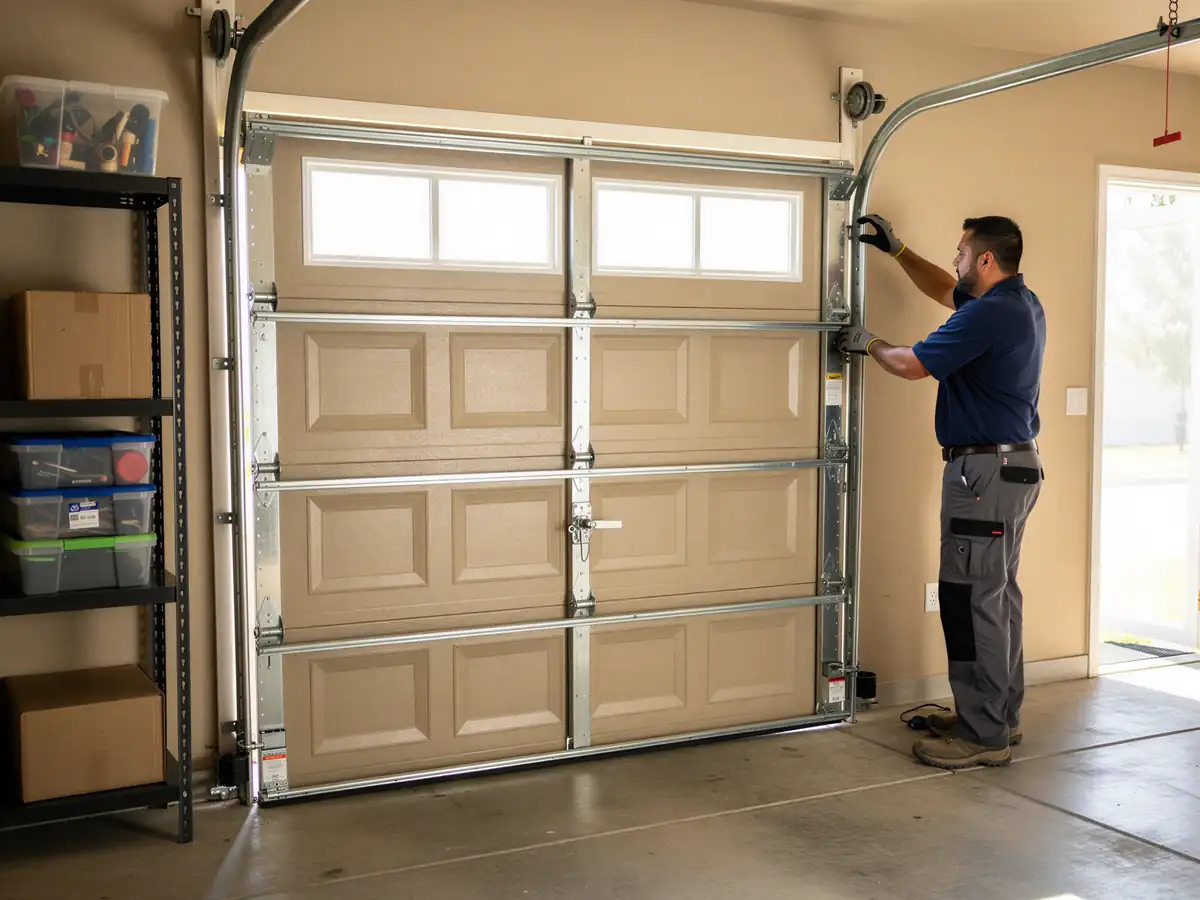
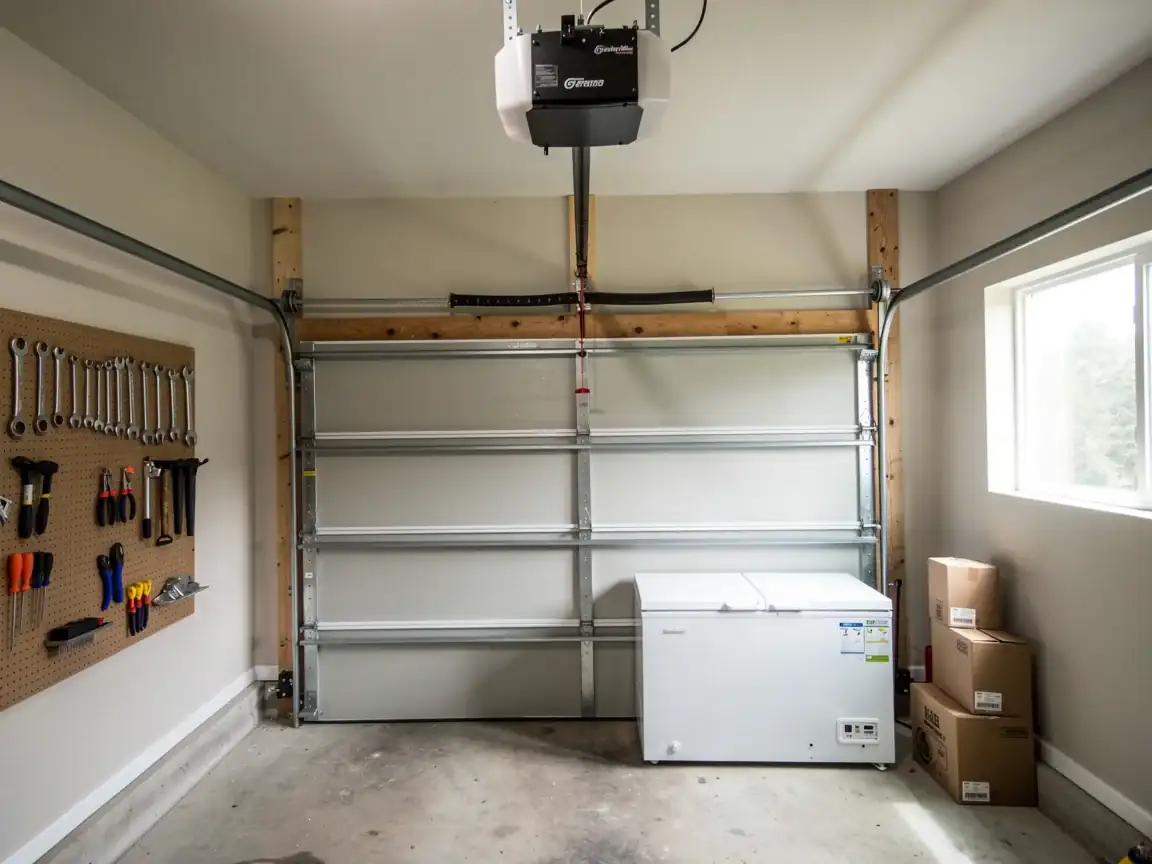
The broader service area we cover has a median build year around 1970, with plenty of houses going back to the late 1930s. Frankfort breaks that pattern hard - the median year built here is 2000, which means most of the housing stock is barely two decades old, built well after steel torsion-spring systems and modern insulated panel doors became standard. With roughly 6,590 households in Frankfort, that's a lot of newer garages running factory openers and doors that were installed, not retrofitted.
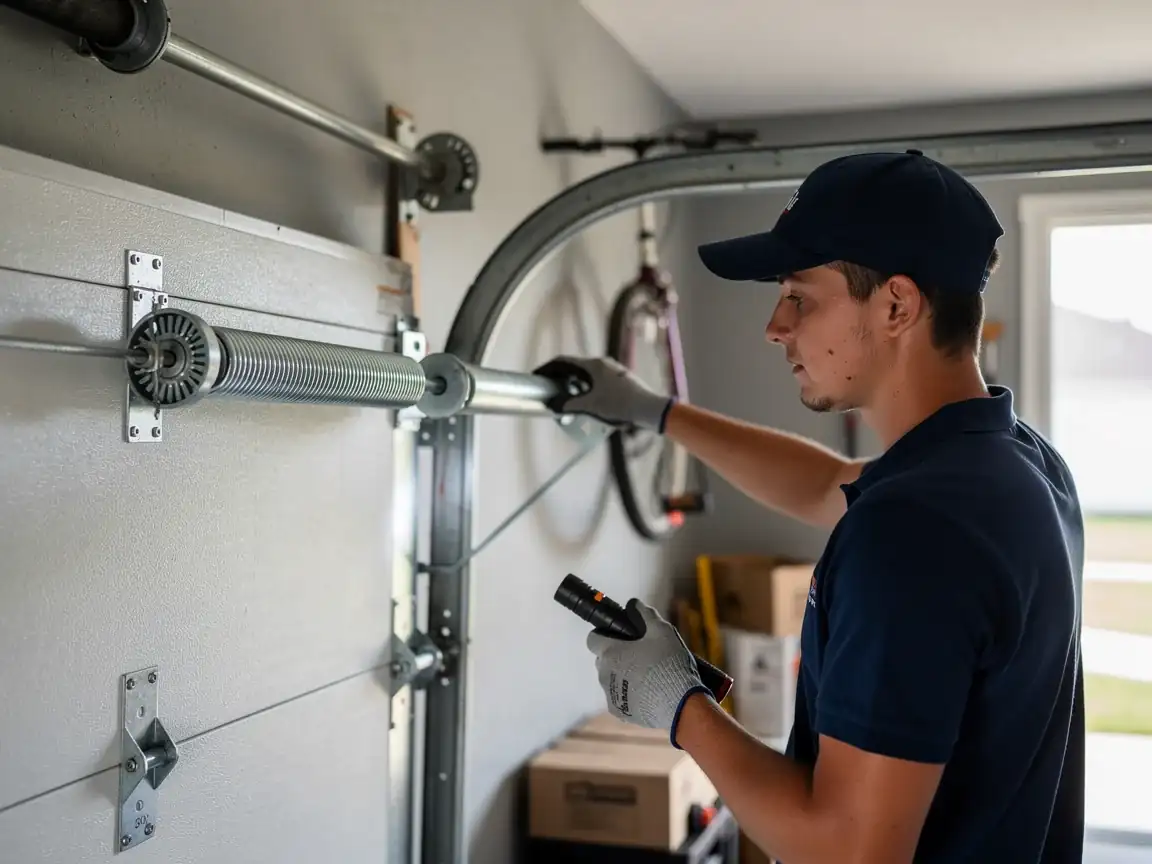
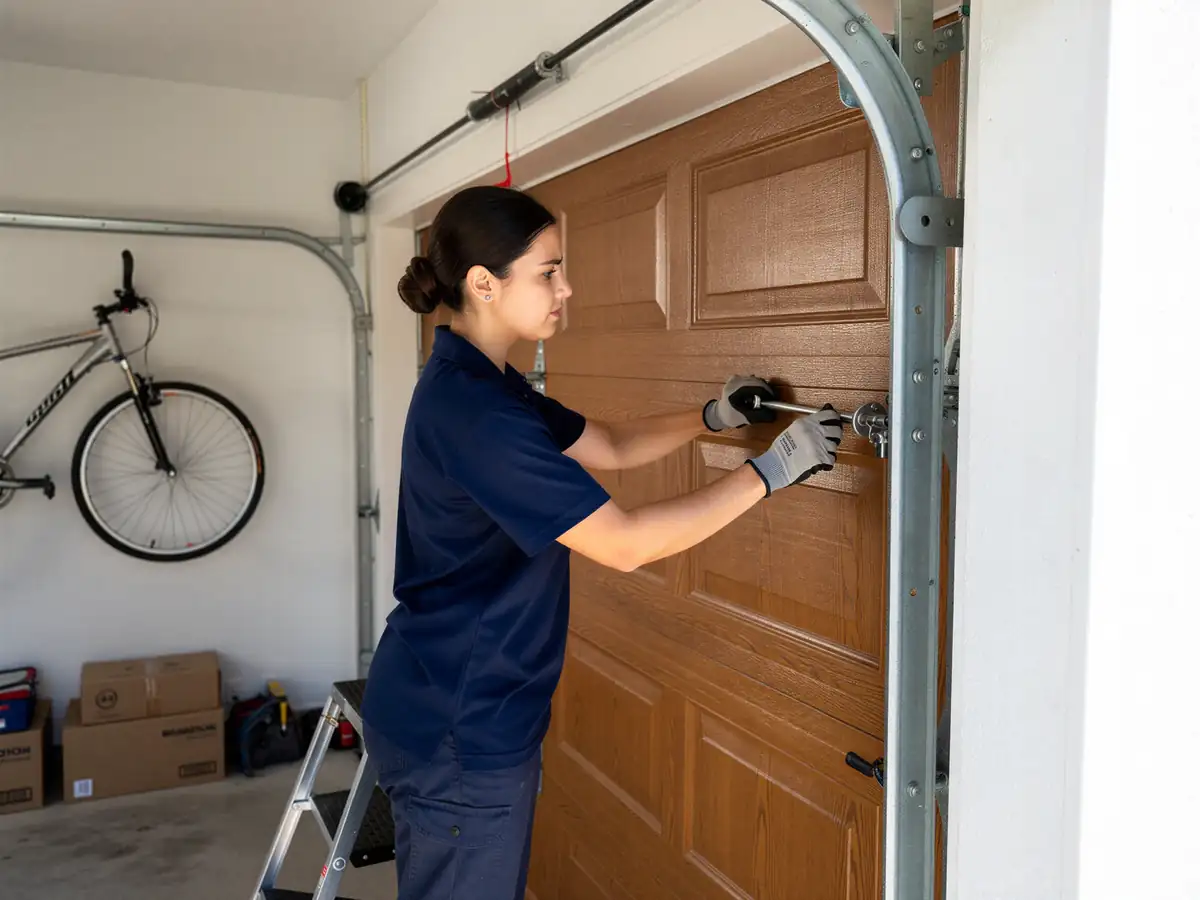
That matters because a 2000-era door and a 1965-era door fail in completely different ways. Newer stock means fewer surprises when we pull a panel, but it also means homeowners here are starting to hit the 20-25 year mark on original springs and openers - the point where the first real wear shows up, not catastrophic failure out of nowhere.
What People Here Ring About
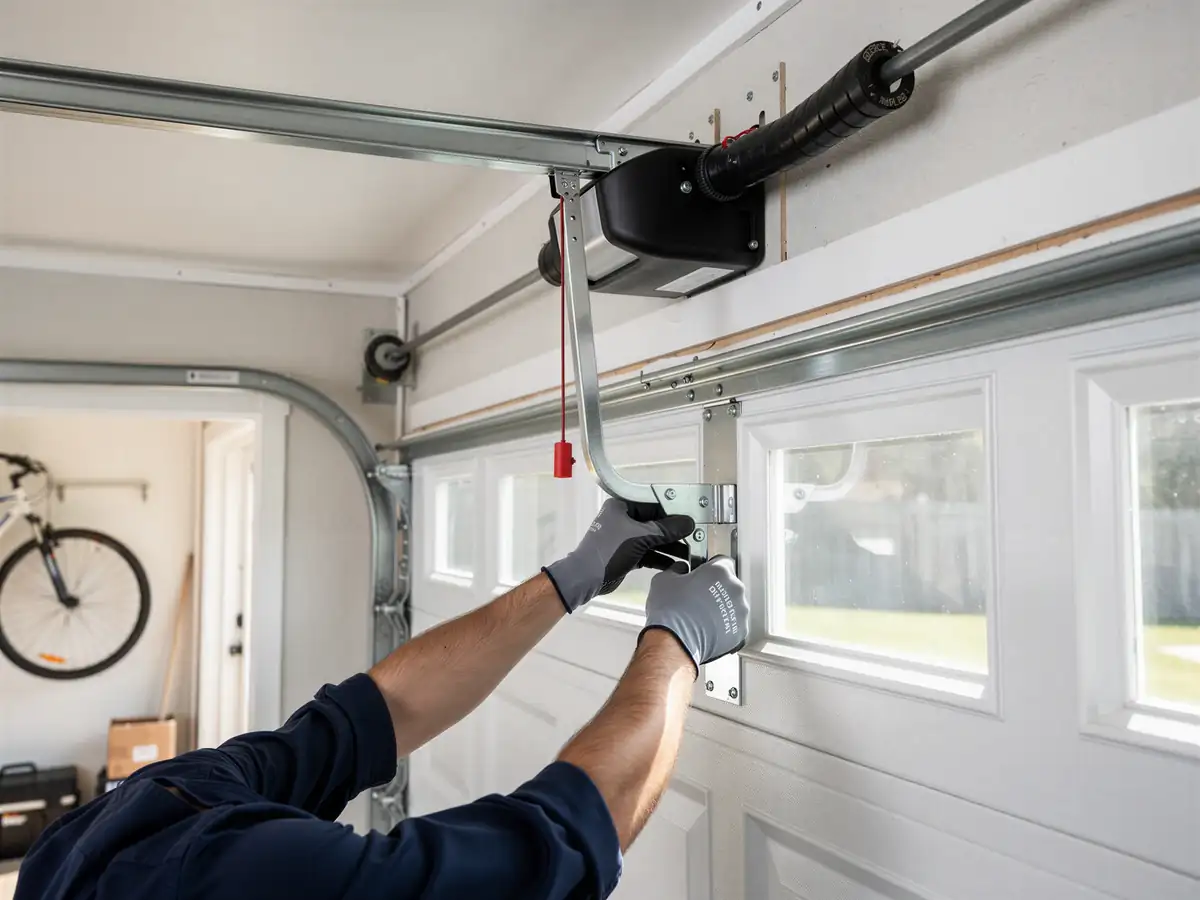
Frankfort's median household income runs around $153,714, well above the roughly $79,442 median across the wider service area, and that shows up in the calls. Fewer people here are trying to squeeze another year out of a dying opener - more are calling at the first grind or hesitation and asking for a straight comparison between repair and replacement. We also hear from people upgrading a perfectly working builder-grade opener to something quieter or smart-enabled, not because it broke but because the house has outgrown it.
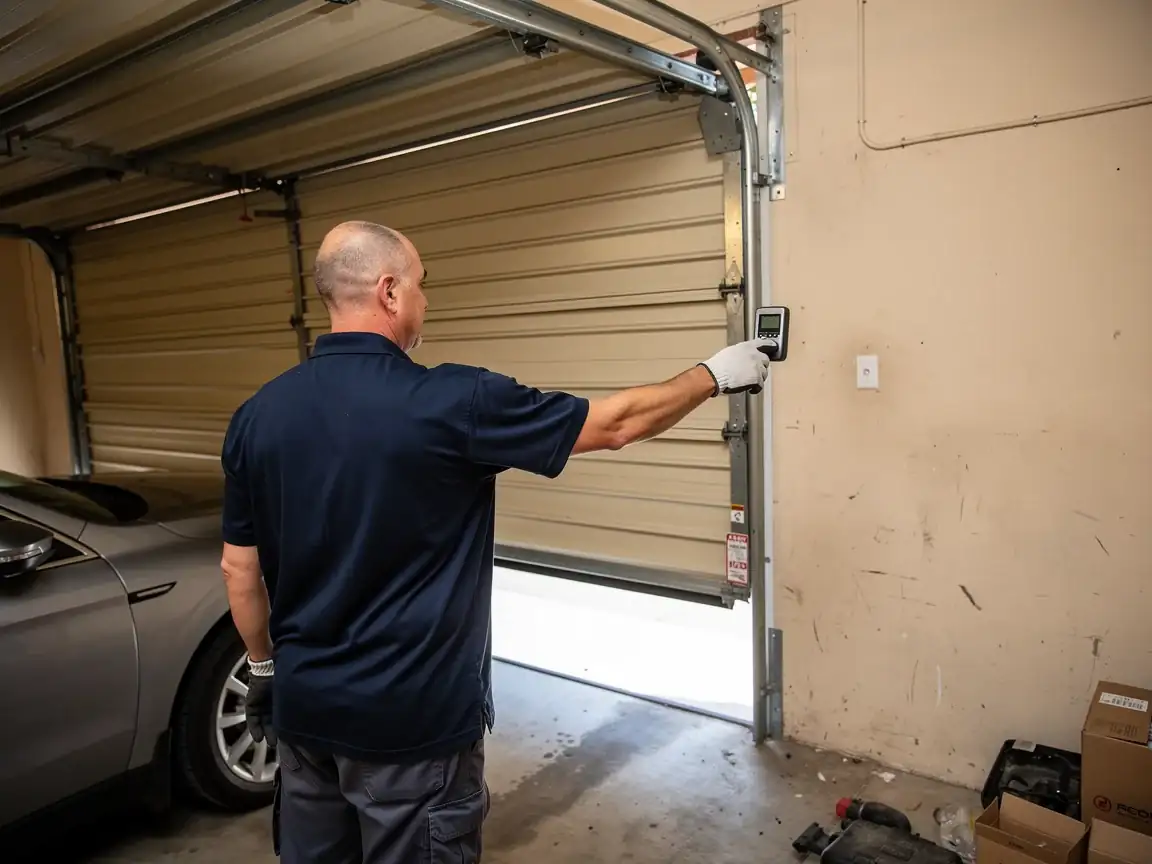
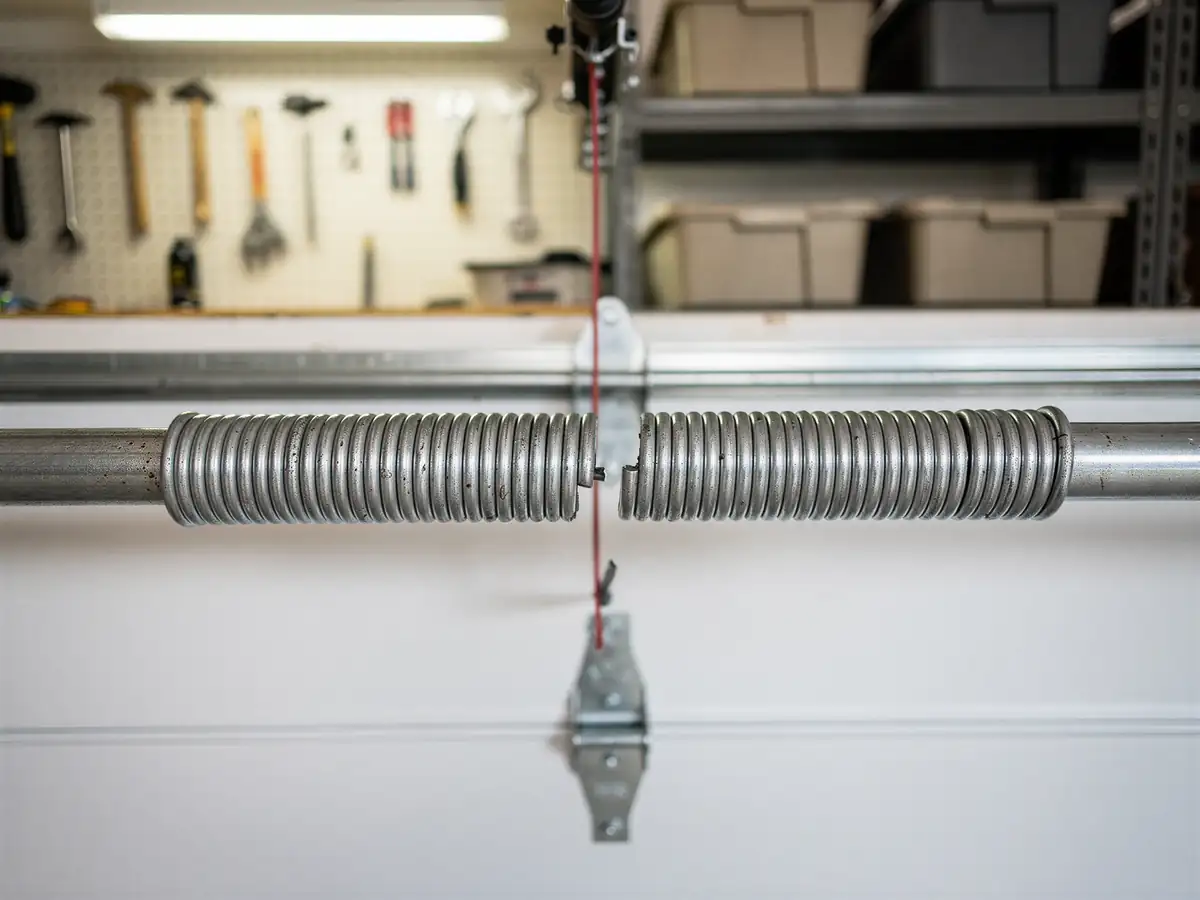
We still get the standard stuff: a spring that let go on a cold morning, a sensor knocked out of alignment, a remote that stopped pairing. But the mix skews toward maintenance and upgrade calls rather than "my door is 45 years old and the drums are rusted solid," which is a far more common call in the older parts of the area.
What That Means for Doors
This area sits in a cold climate band
And that affects every door regardless of build year - steel contracts, lubricant stiffens, torsion springs lose a little tension in the deep cold. On a door built in 2000 or later, that typically shows up as a slow or noisy cycle rather than a snapped cable, because the hardware is newer and better matched to the opener.
What we don't do is treat a 2000-built door like it needs the same fix as a 1965-built one
If your opener or spring set is original to a house in this age range, you're approaching the point where replacement parts are still easy to source - that's the upside of newer stock. The honest limitation: we can't promise a same-day part for every opener model, especially less common ones, so sometimes the fix takes a return trip once the part's in hand.