Why It Happens Here
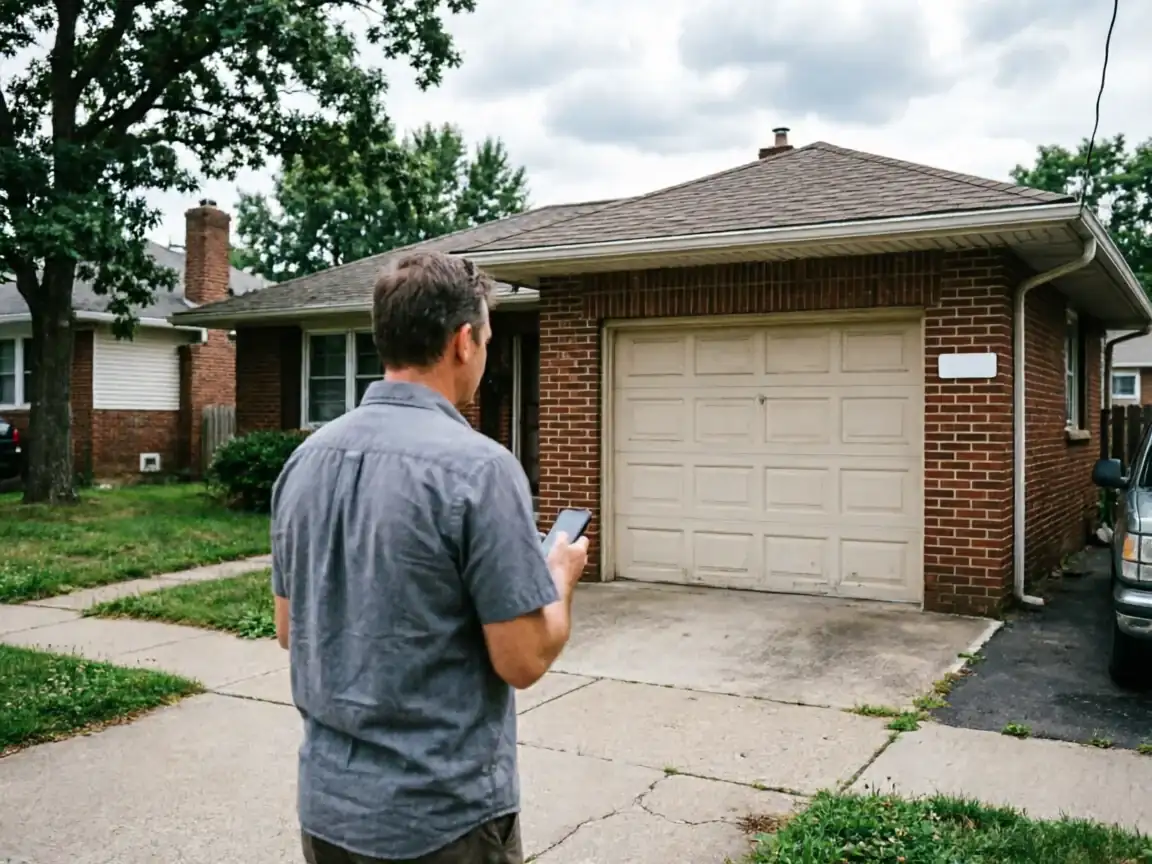
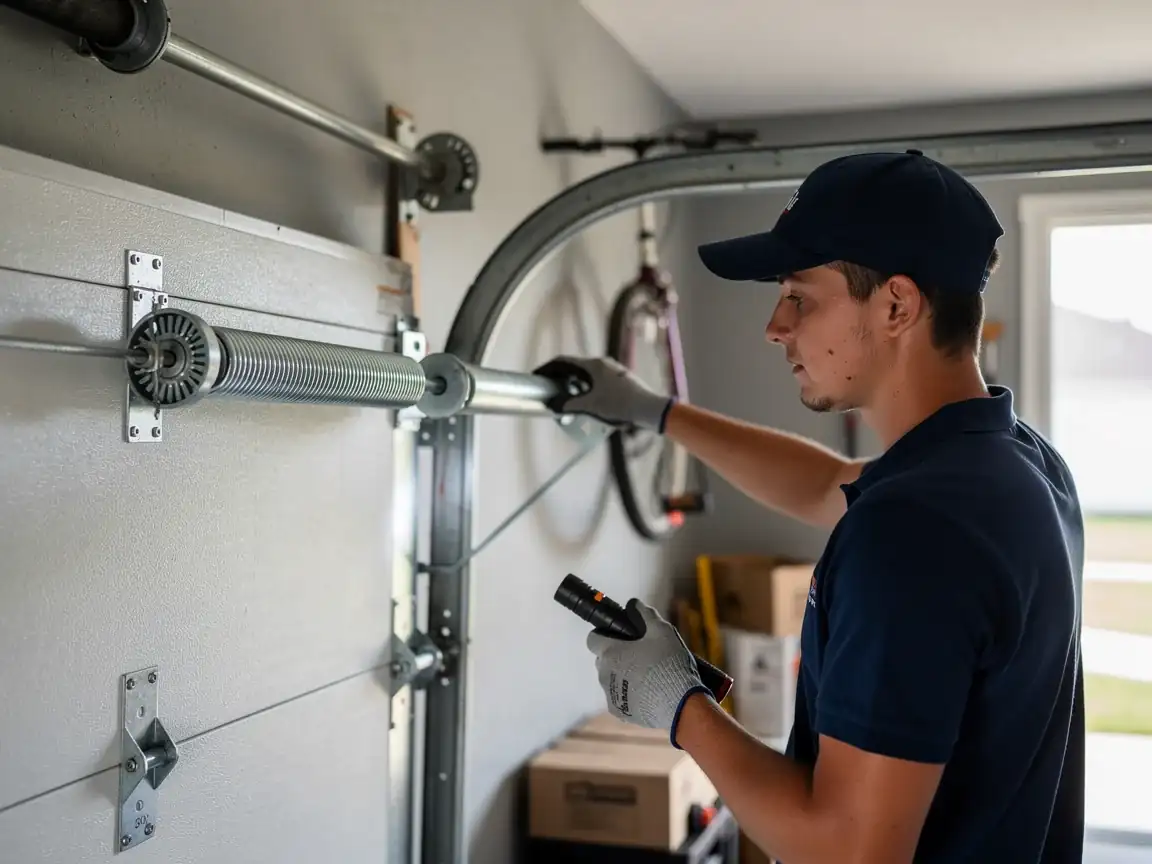
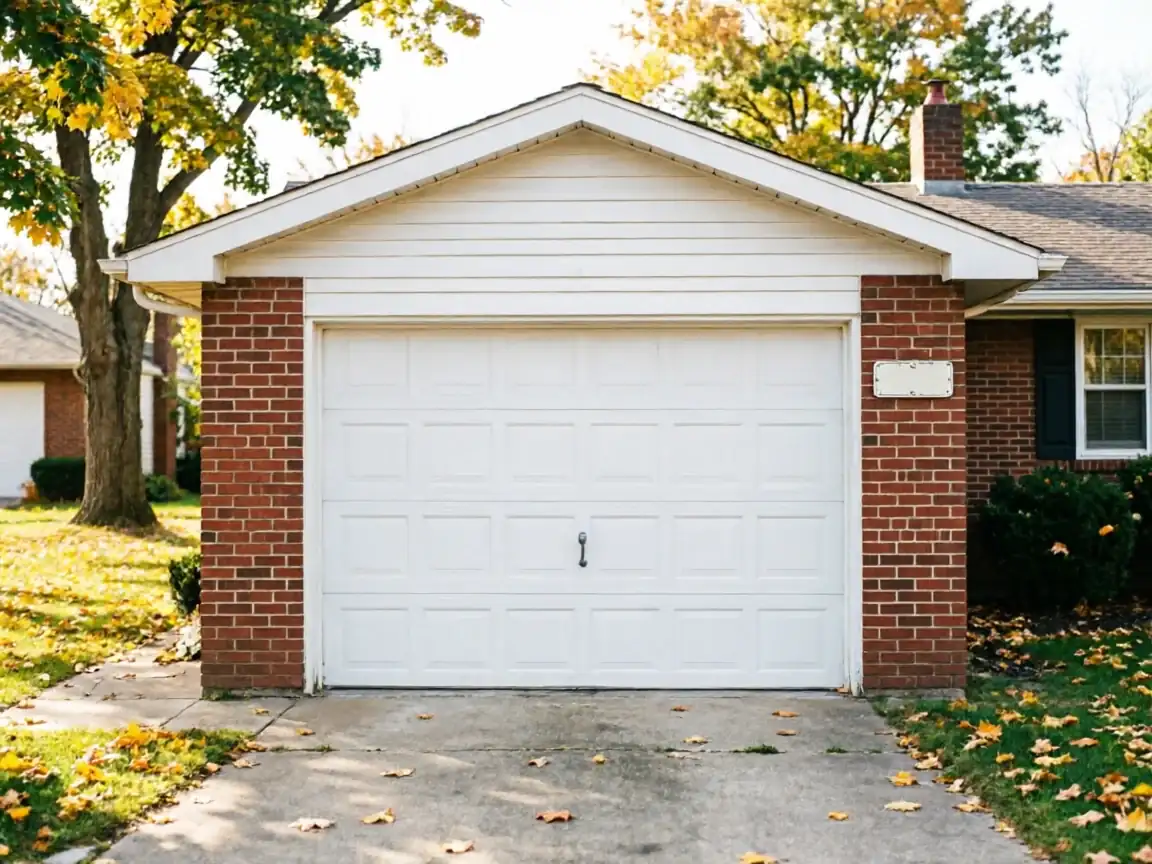
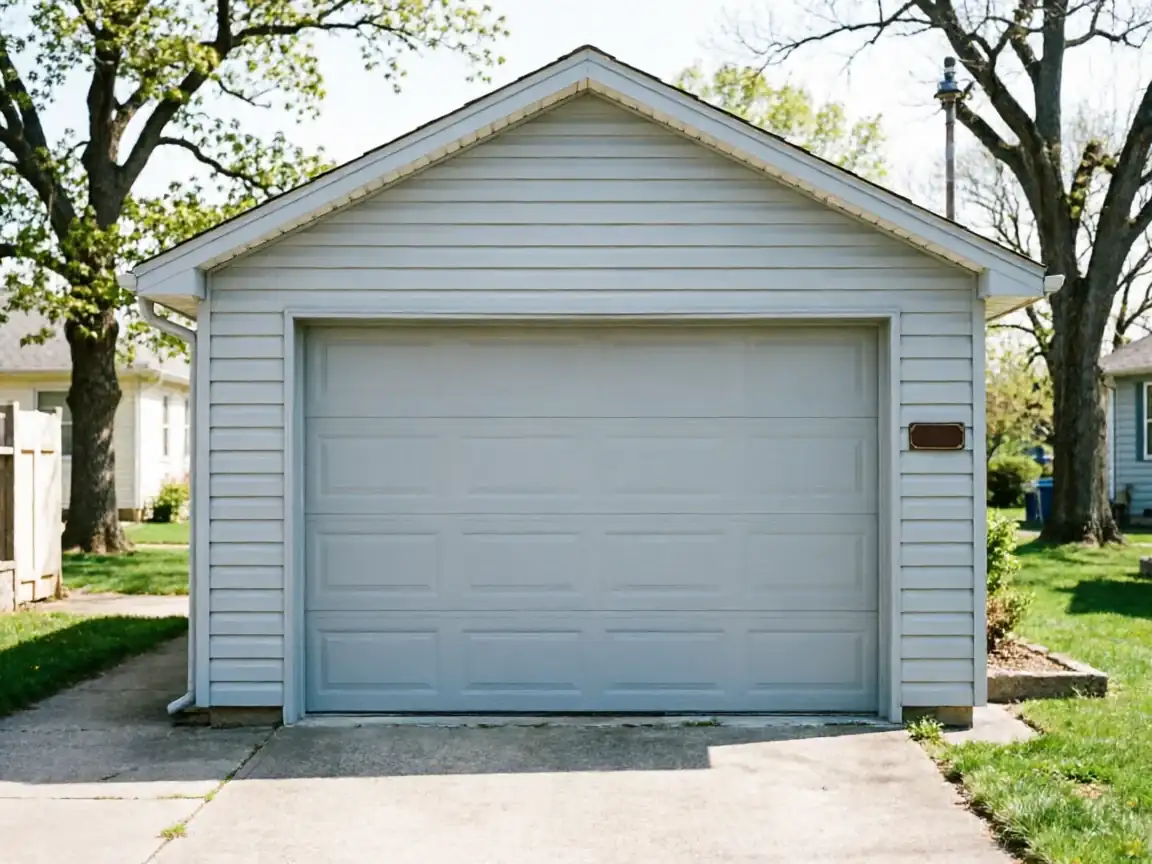
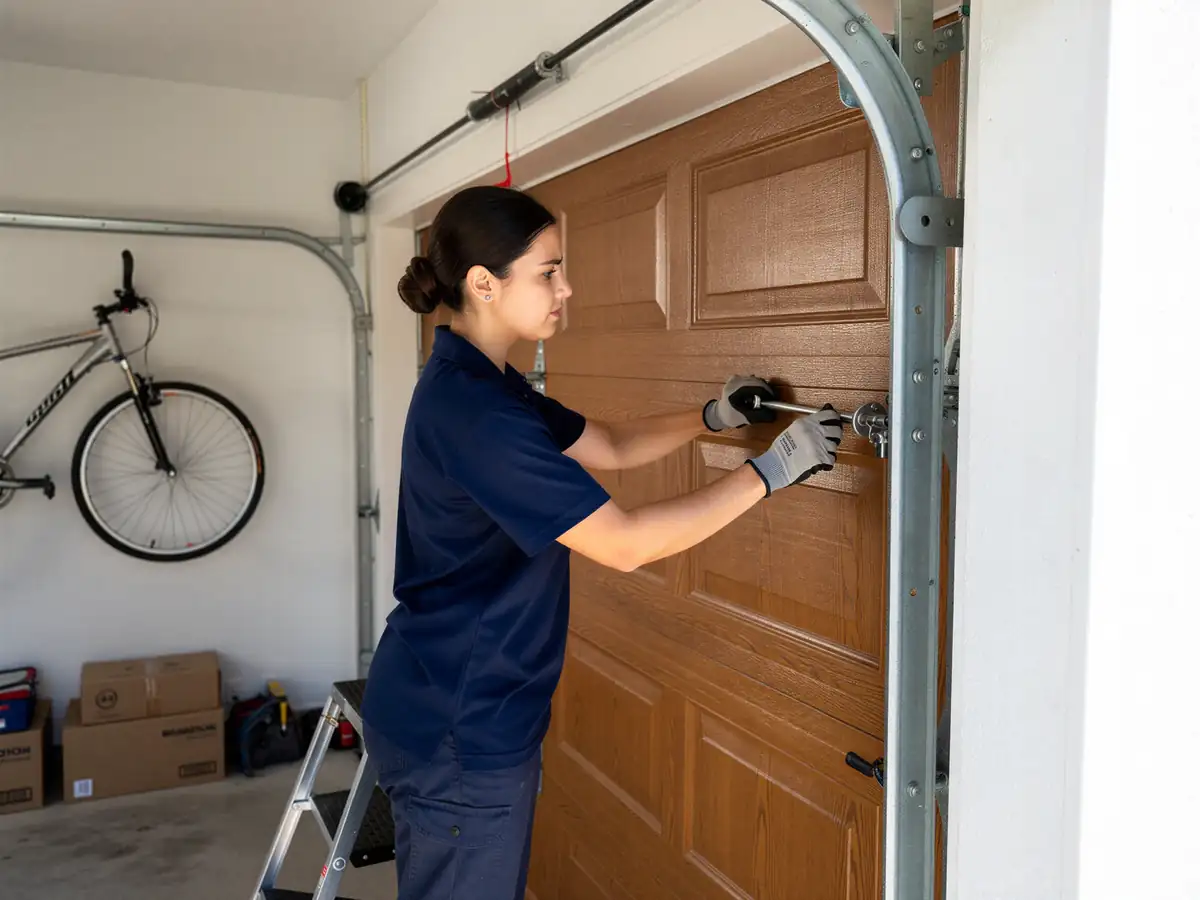
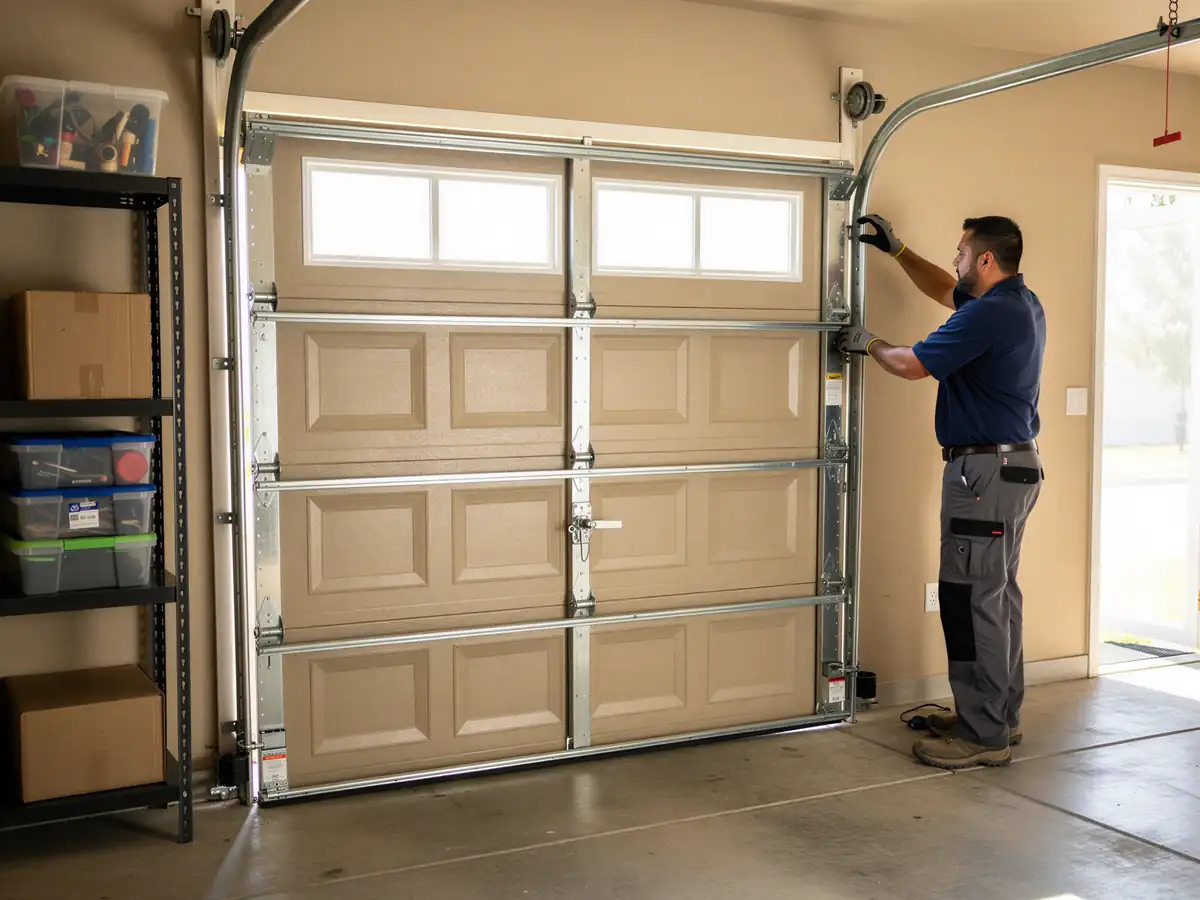
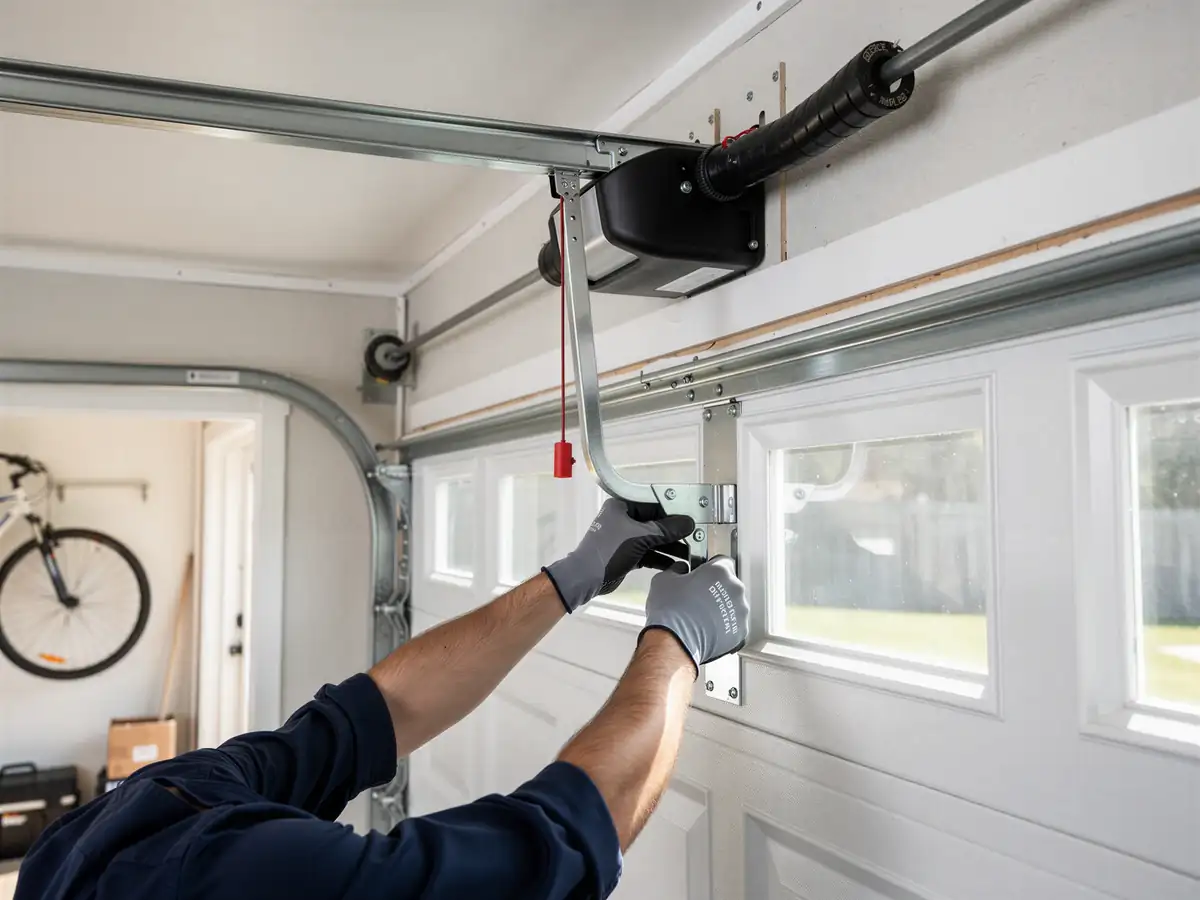
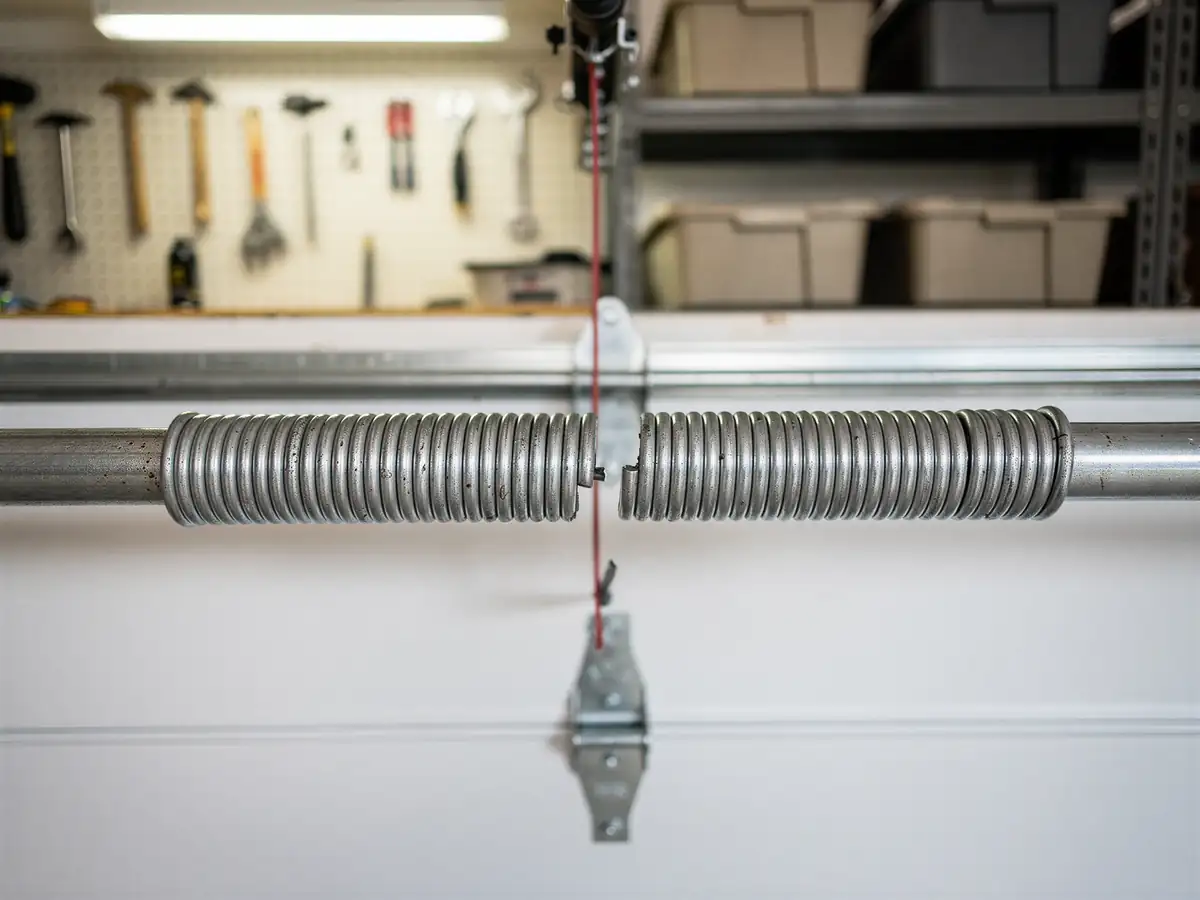
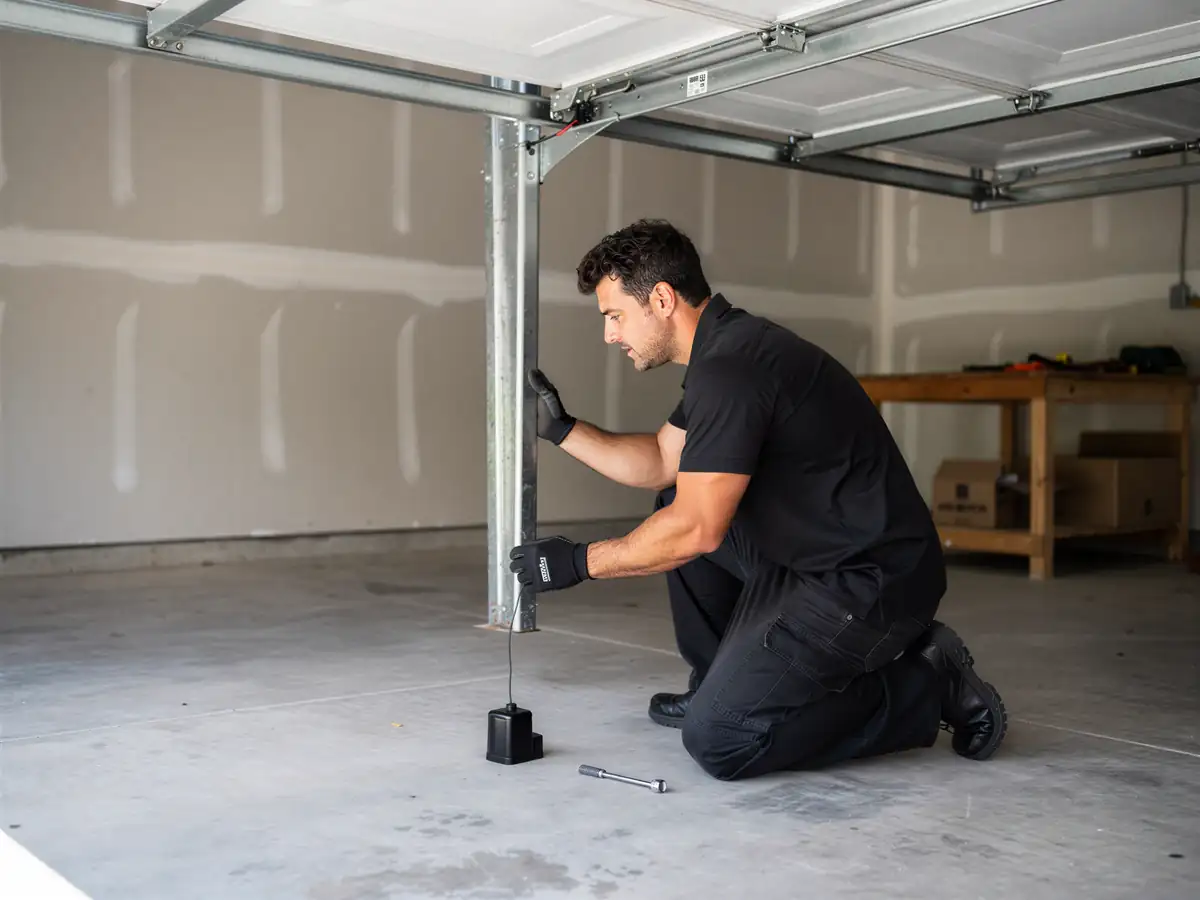
Frankfort's housing stock sits at a median build year around 2000, a couple of decades newer than the 1970-era stock that dominates more of this service area. That changes the failure pattern. You're not dealing with the brittle, original one-piece doors or the obsolete side-mounted hardware that shows up on older houses - you're dealing with doors and openers that are now hitting 20 to 25 years of cycle count, which is roughly when torsion springs rated for 10,000 cycles start giving out and when circuit boards in first-generation chain-drive openers begin failing outright rather than intermittently. Winters here still fall in the same cold climate band as the rest of the area, so a spring already near end of life is more likely to snap on a sub-freezing morning when the steel is least forgiving. The doors are newer, but newer doesn't mean exempt - it means the clock on original hardware is running out right about now, all at once, across a lot of houses built in the same few years.
The Cost of This Job
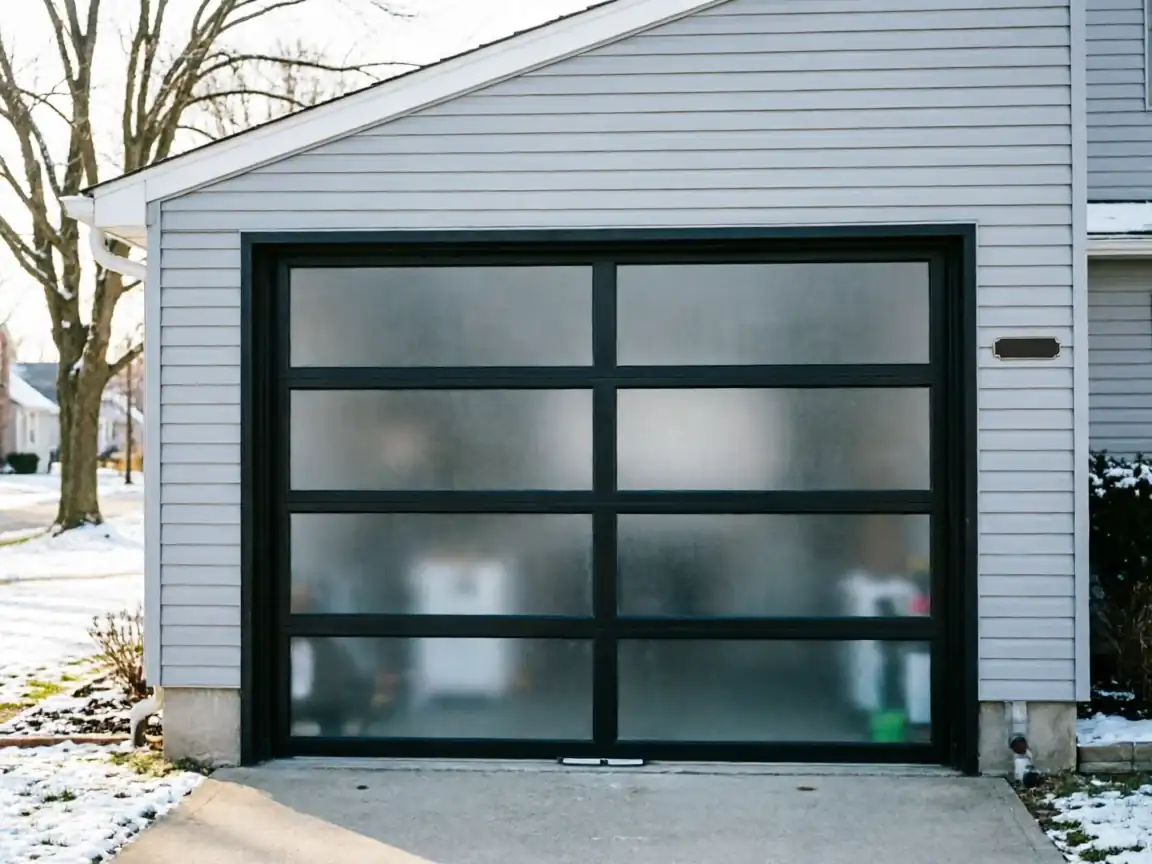
Frankfort's median household income runs well above the service area's overall figure of $79,442, closer to $153,714 by local numbers. That doesn't change what a spring or opener costs on the shelf, but it does shift what gets asked for: more owners here ask about full opener replacement with battery backup or smart connectivity rather than patching an aging unit, and more ask about matching an insulated door rather than a basic steel panel when one gets damaged. We don't carry a published price list here because the right number depends on spring size, door weight, and what's already installed - not on the town. What we won't do is talk someone into a full door replacement when a spring and a tune-up would hold for years; if the opener and door are sound, we say so.
The Complications
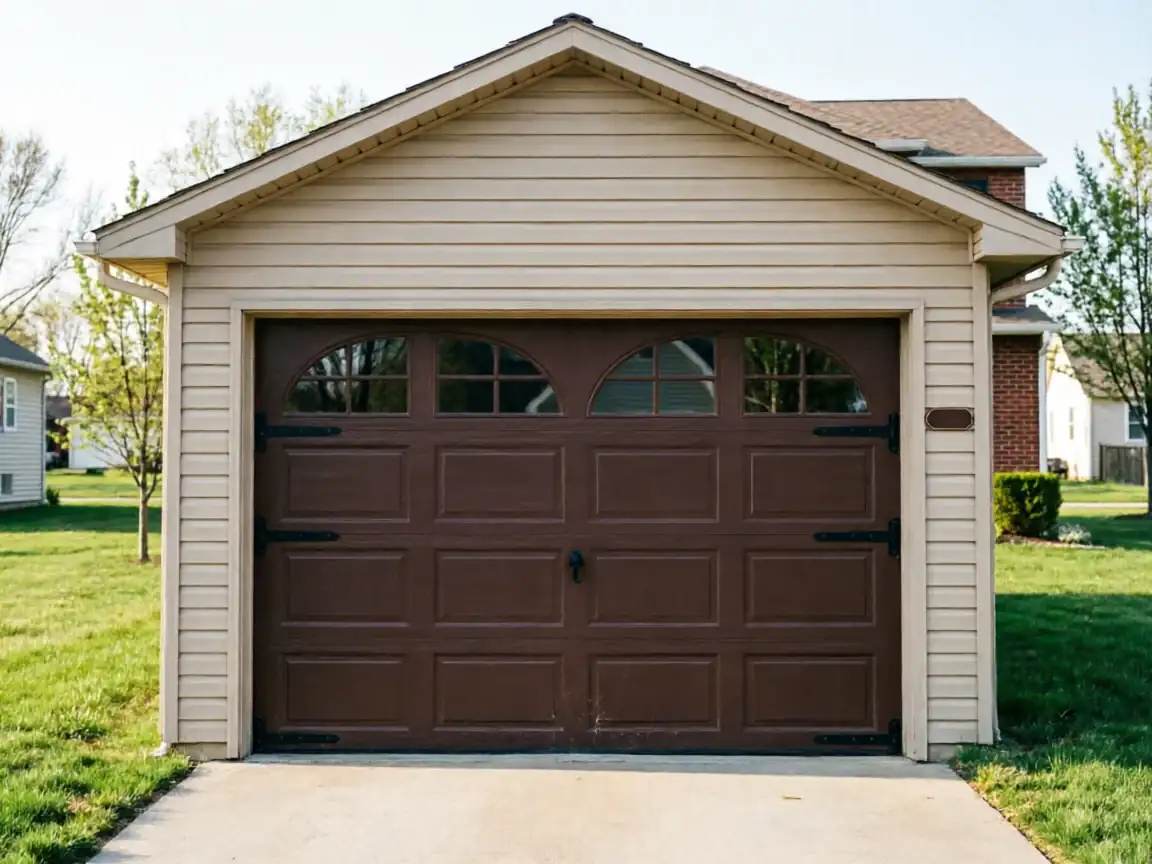
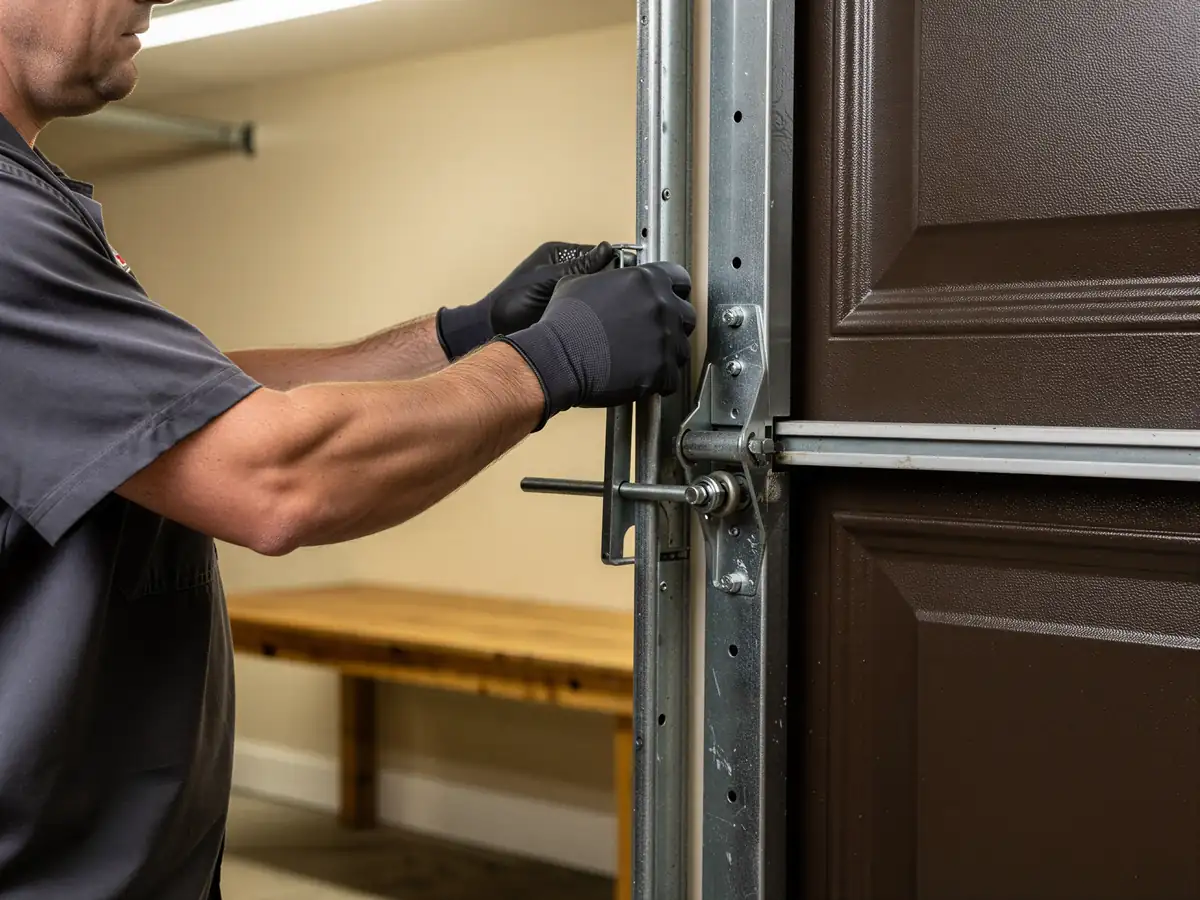
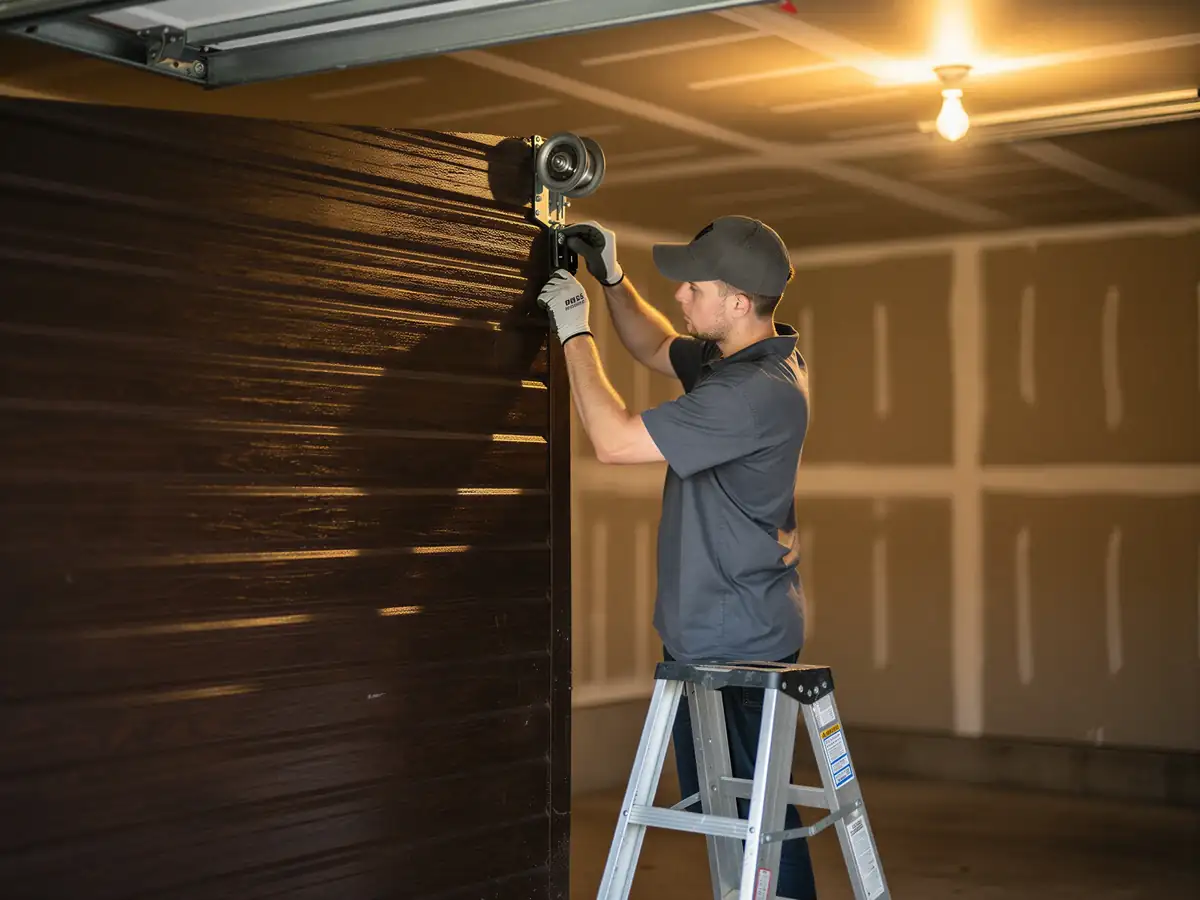
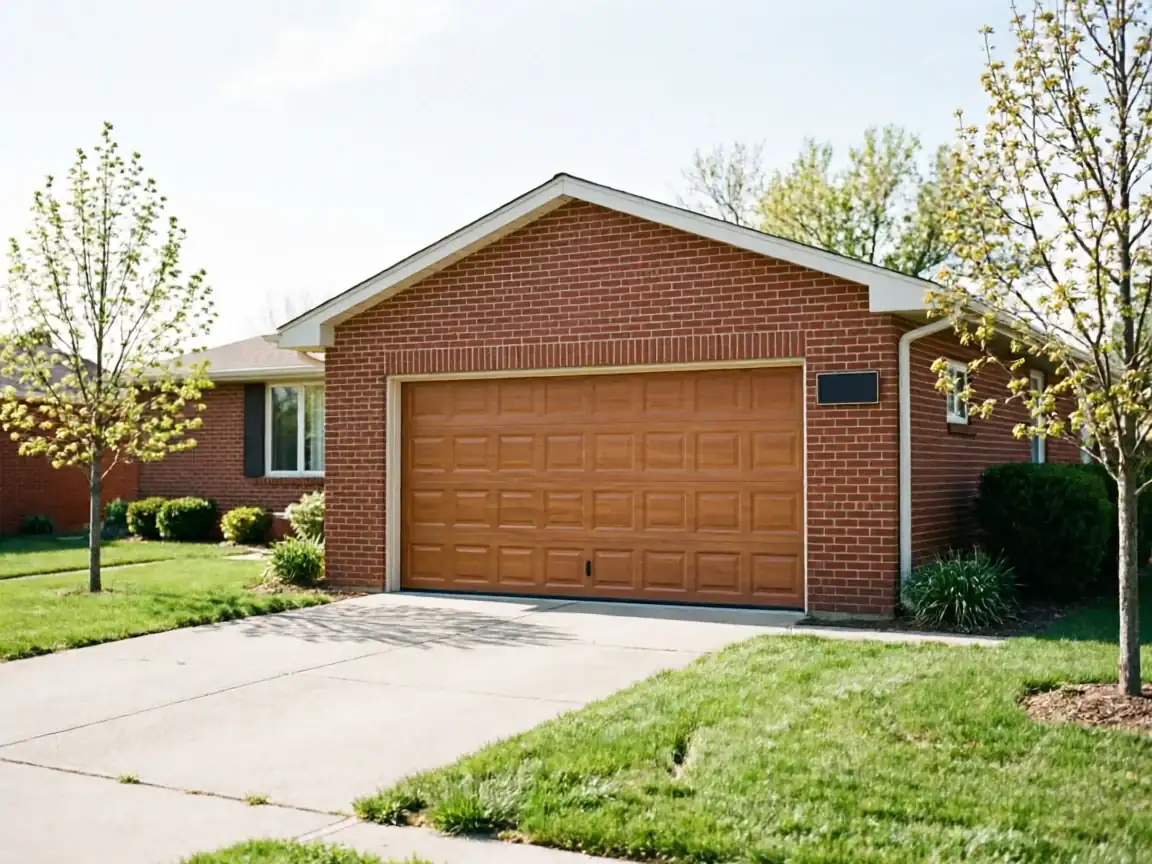
Seven miles isn't far, but it's enough that we schedule Frankfort calls rather than treat them as a drive-by, and a same-day appointment depends on the route that day rather than being guaranteed. The other complication is matching parts on a newer door. A 2000-era garage door is old enough that the exact panel or window-insert pattern a builder used may no longer be in production, which means a damaged single panel sometimes can't be matched and the honest answer is a full door replacement rather than a patch. We'll tell you that up front rather than order a panel that turns out to be close but visibly off. None of this is about the town being unusual - it's what happens once a batch of houses built in the same stretch of years all start needing the same parts at once.