Why It Happens Here
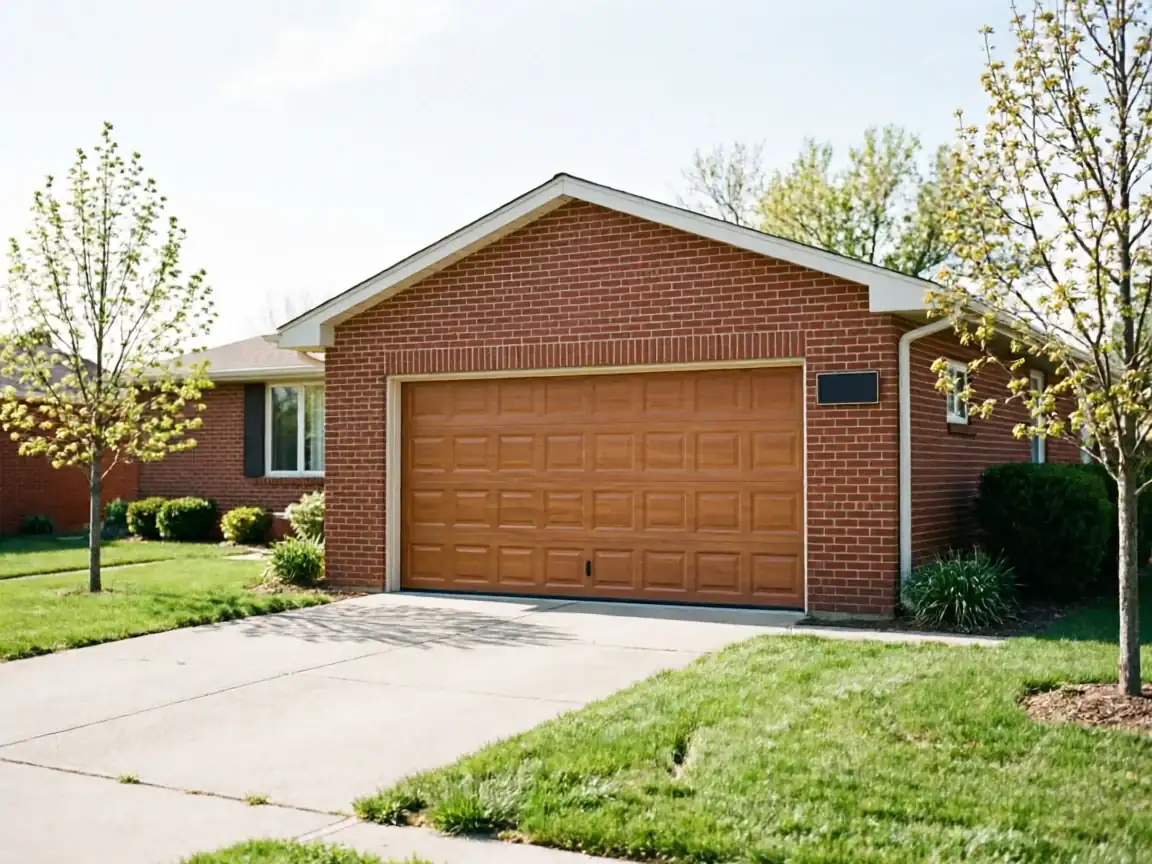
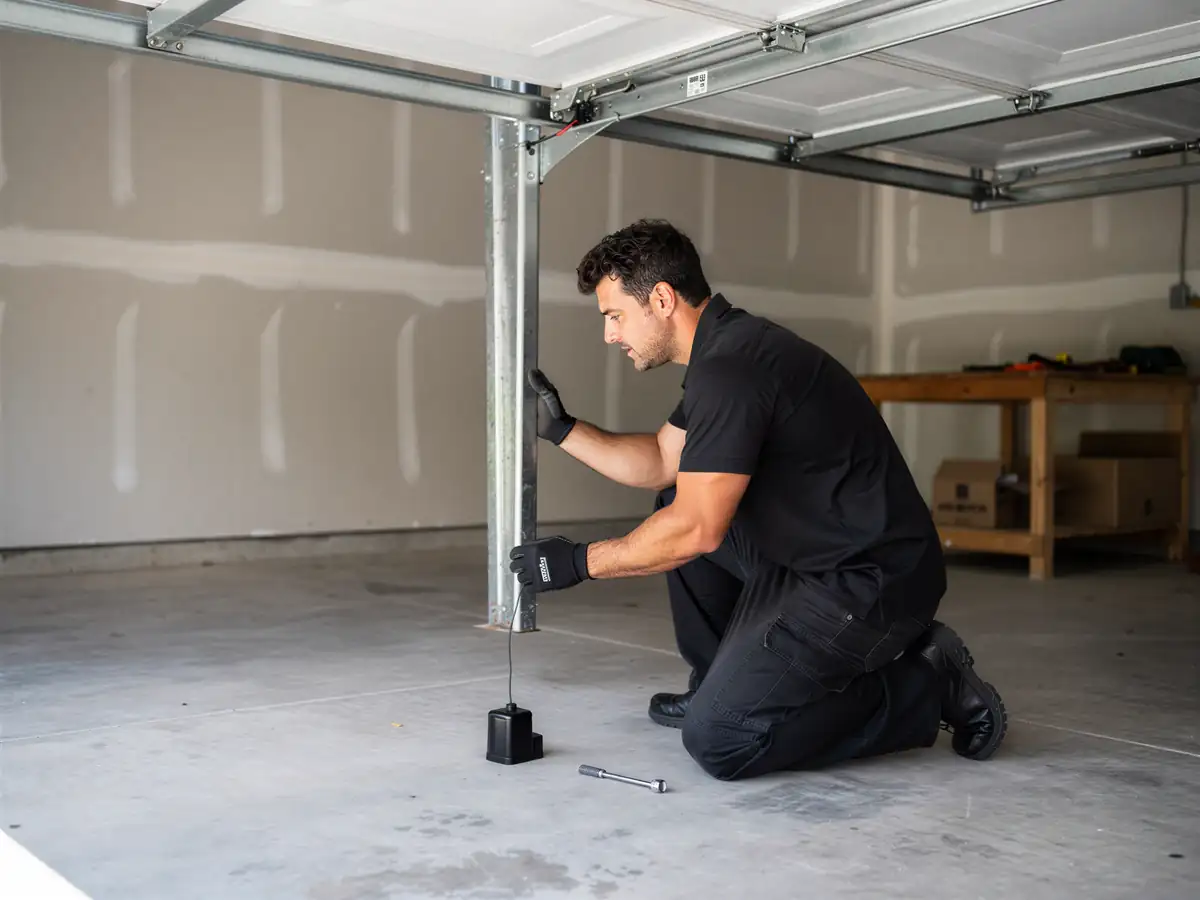
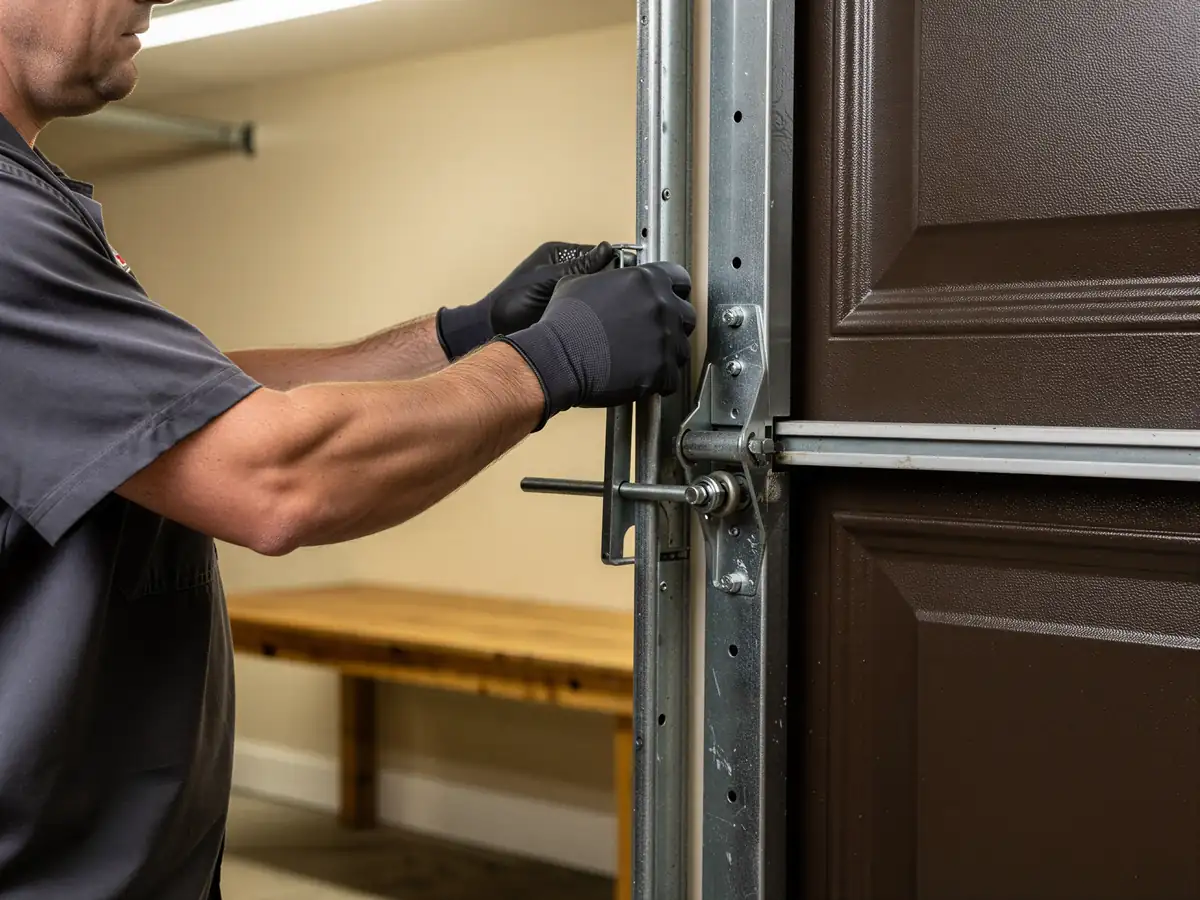
Frankfort's housing stock runs newer than most of the towns we cover - a median build year around 2000, compared to the 1970 median across the wider service area. That matters for off-track doors specifically. Newer builds here tend to have steel rollers on nylon or ball-bearing tracks rather than the all-steel setups common in 1960s and 70s construction, and the tracks themselves are usually factory-aligned extension or torsion systems rather than the older side-mounted hardware. The failure mode in Frankfort is less often worn-out hardware and more often a single bent track bracket, a roller that's popped its channel, or a cable that's frayed from age even though the door itself is only 15-20 years old. The area sits in a cold, moderate climate band, and winter is still the biggest driver of off-track calls here: cold-stiffened grease, a frozen bottom seal catching on the slab, or a door forced through ice that's built up at the threshold.
The Cost of This Job
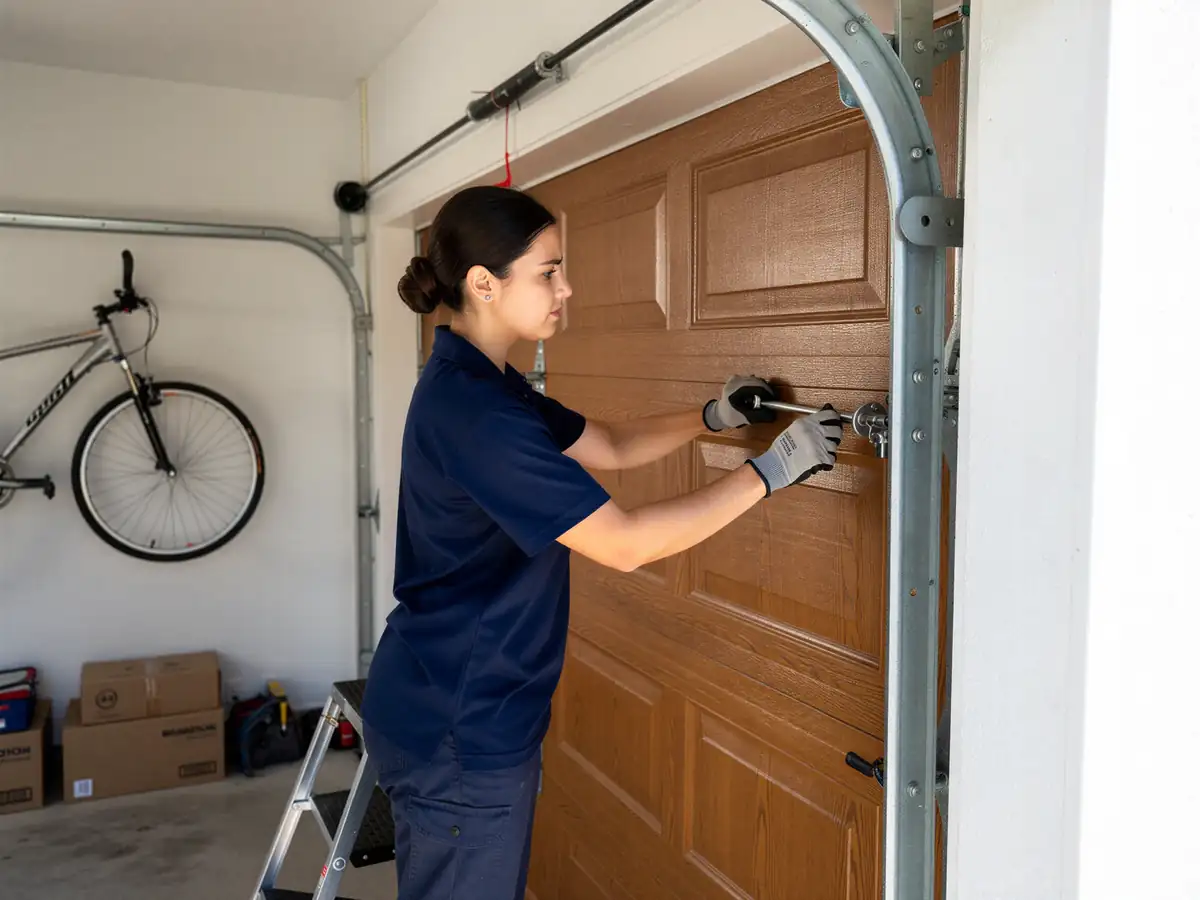
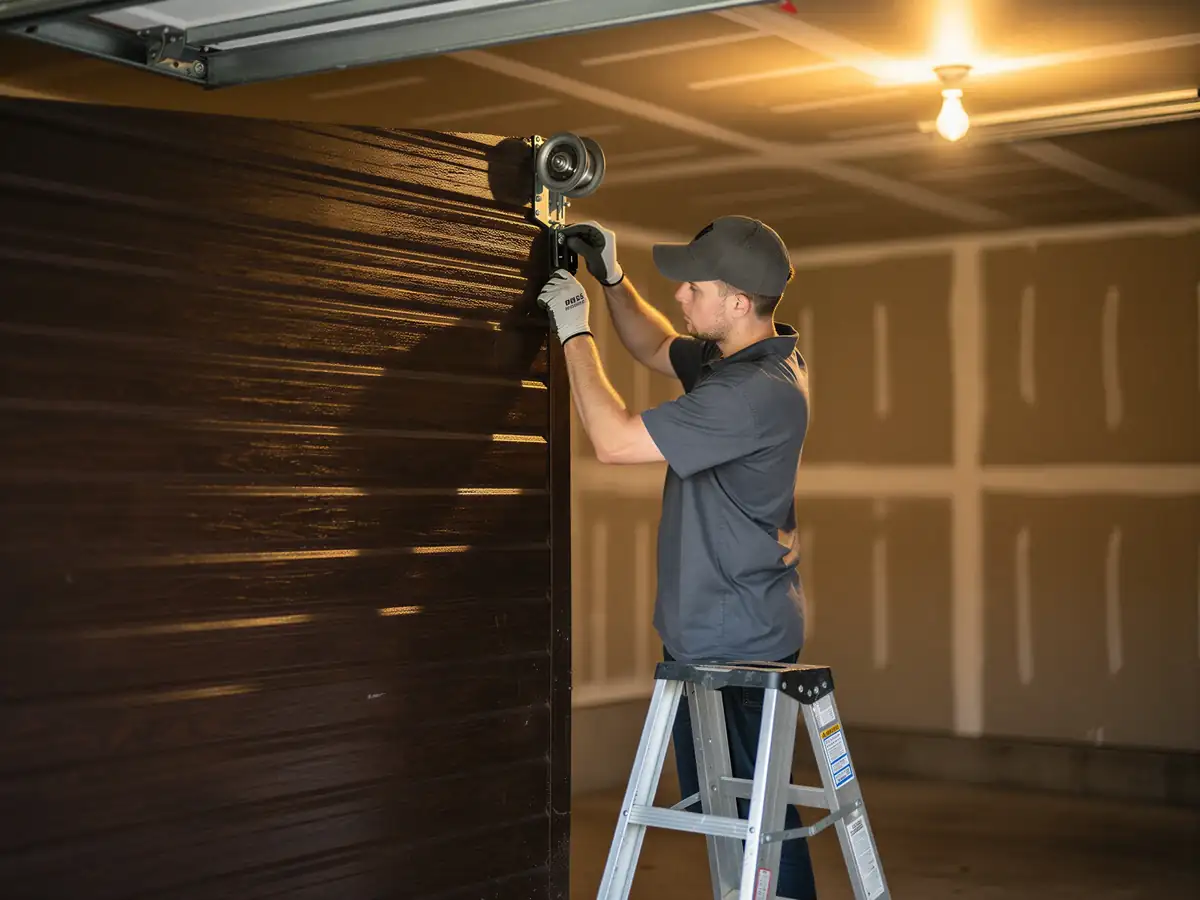
We don't have a flat number to quote you here, and we're not going to make one up. What we can tell you is how the decision usually breaks down. A straightforward off-track repair - realigning a track, replacing a roller or two, reattaching a cable - is a small job on a door that's otherwise sound, which describes most doors in Frankfort given how recently they were built. Where it gets more expensive is if the track bent because the door came down on something, or if the opener forced the door hard enough to crack a stile. At that point you're pricing parts plus labor, not just labor, and depending on the door's age and the extent of damage, it's worth asking us straight out whether a track repair is throwing money at a door that has other problems coming. We'll tell you if that's the case instead of just fixing what's in front of us.
The Complications
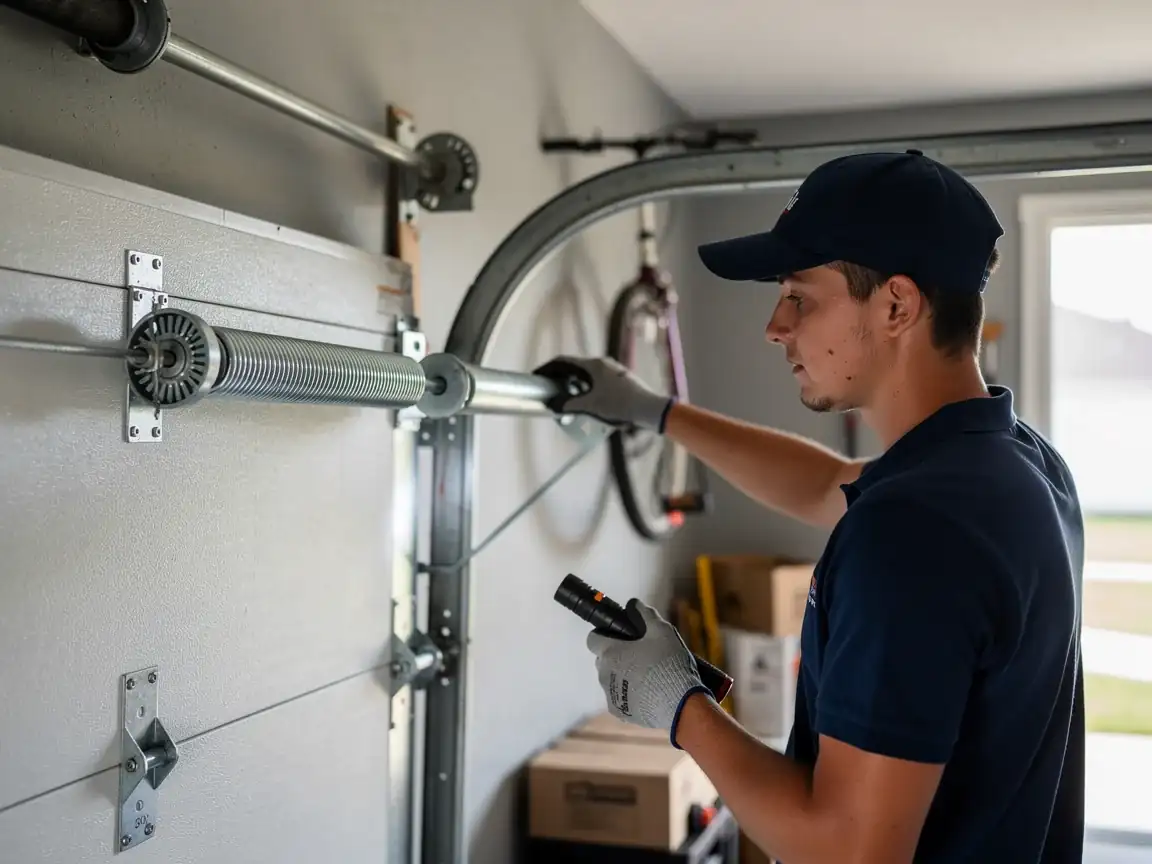
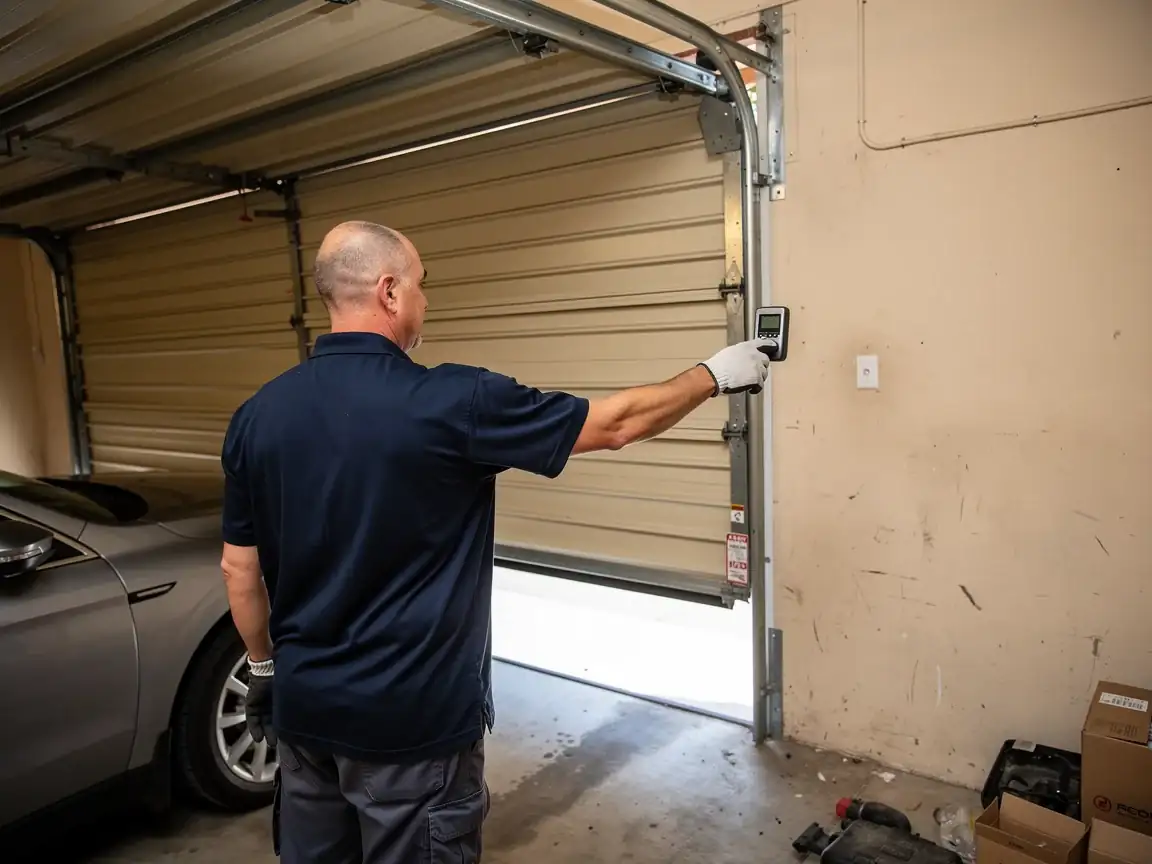
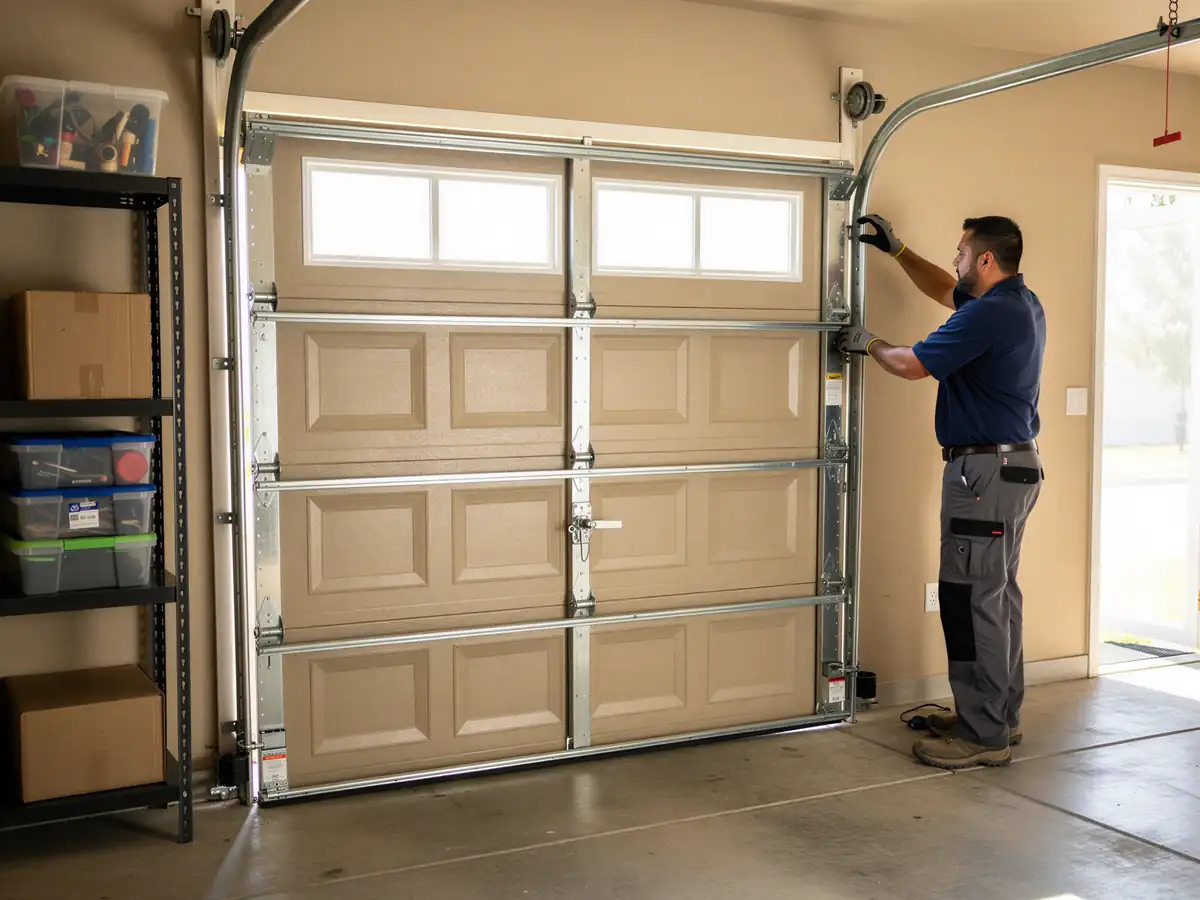
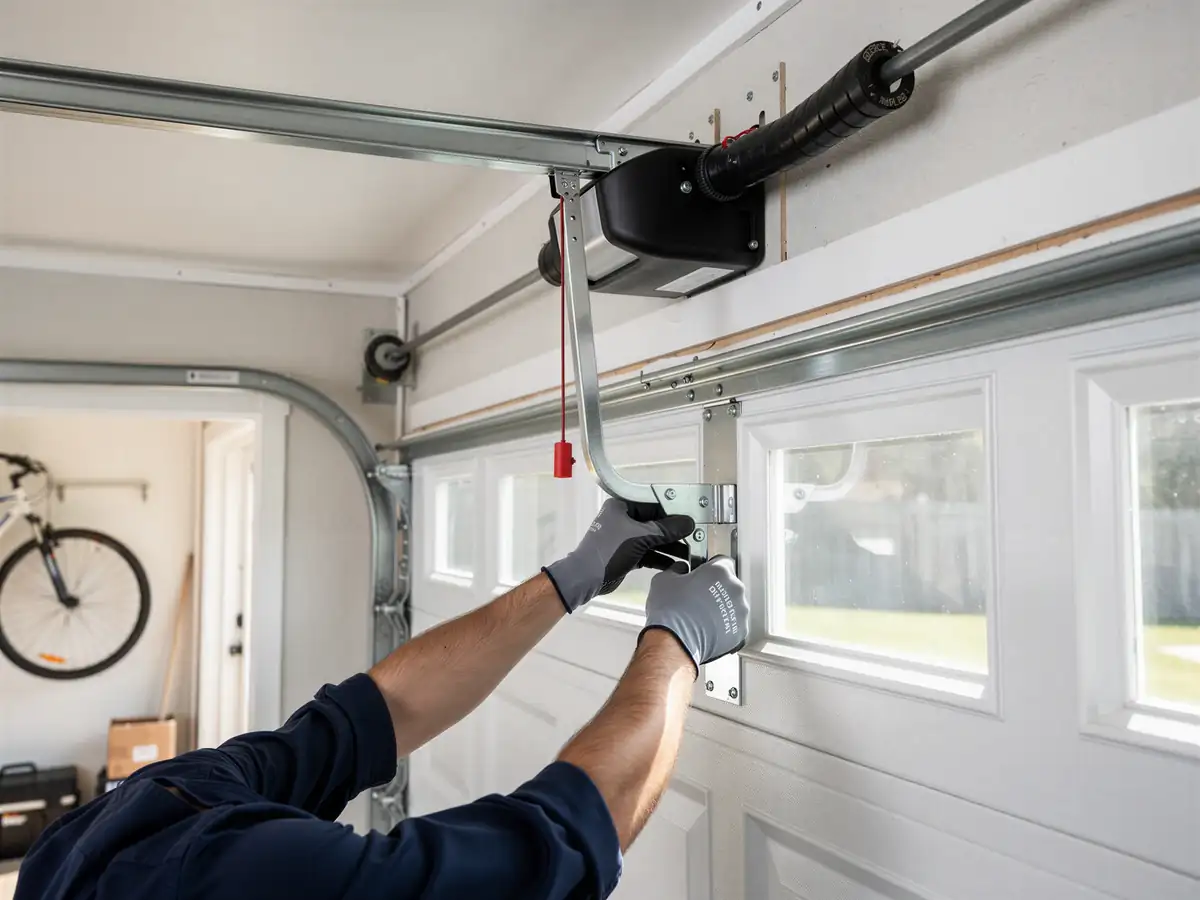
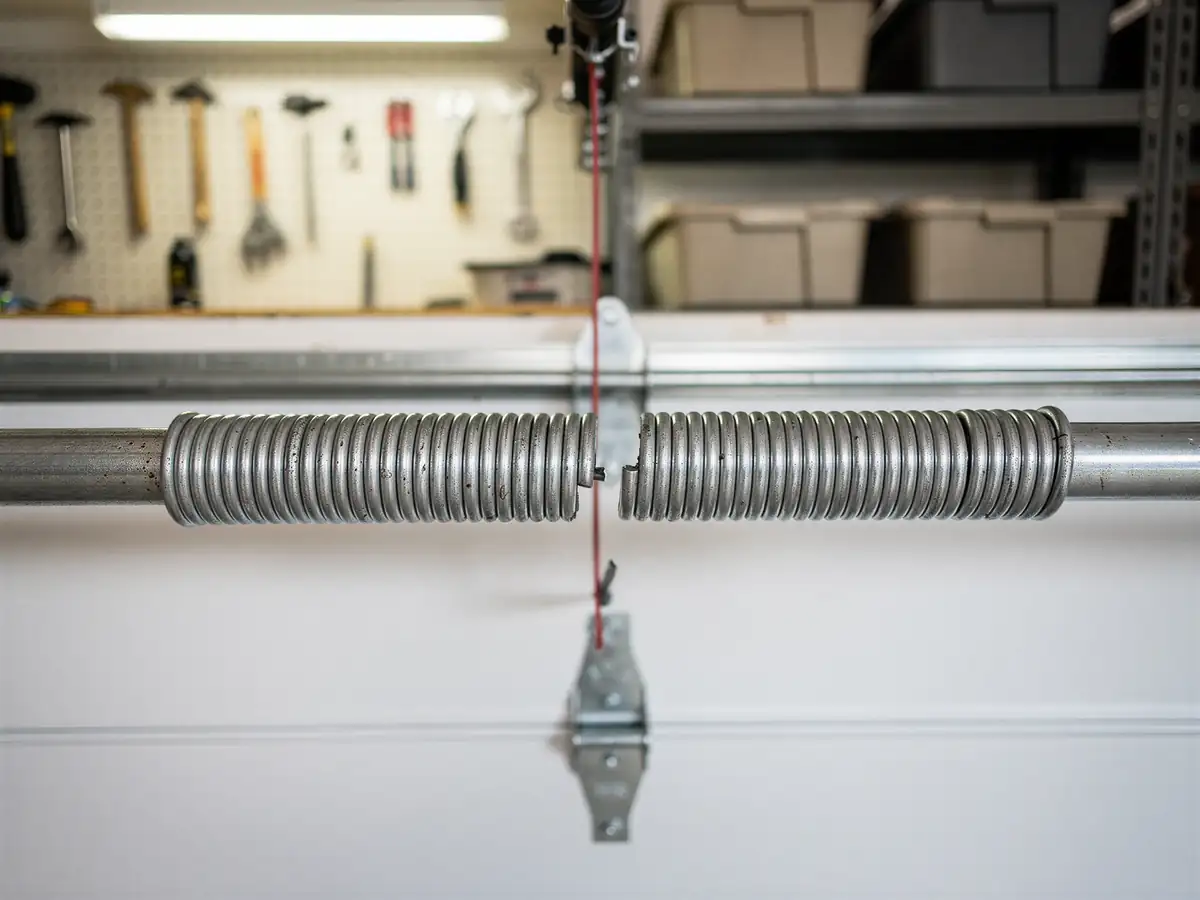
An off-track door is sometimes a symptom, not the problem itself. If the opener kept running after the door jumped the track, you may have a stripped gear or a burned-out motor on top of the track damage - two repairs, not one. If the track bent because the door was already out of balance from a weak spring, fixing the track without addressing the spring just sets up the next jump. And if the slab has settled or the opening isn't square - more common than people expect even in houses built in the last 20 years - a track that looks bent may actually be sitting on a frame that's shifted, which changes the fix. We'll check the whole door, not just the part that's visibly wrong, before we tell you what it needs.