What Local Conditions Do
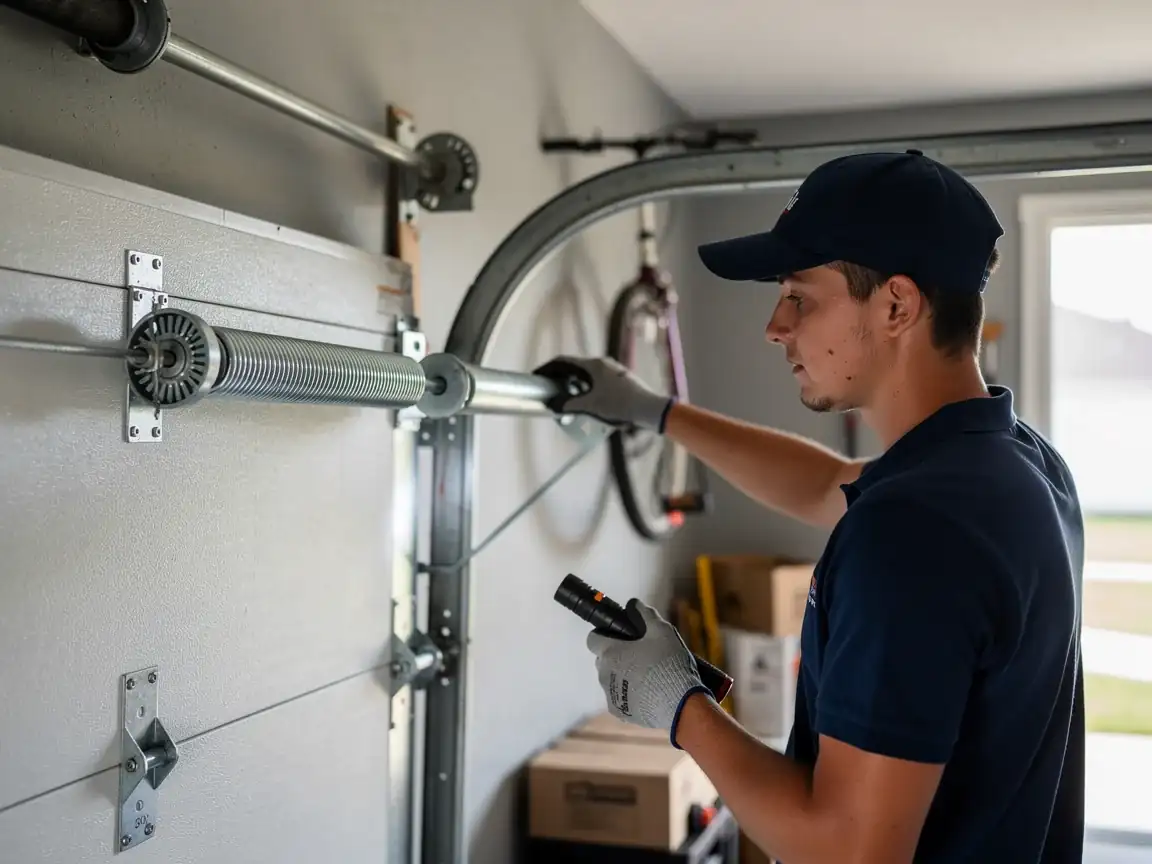
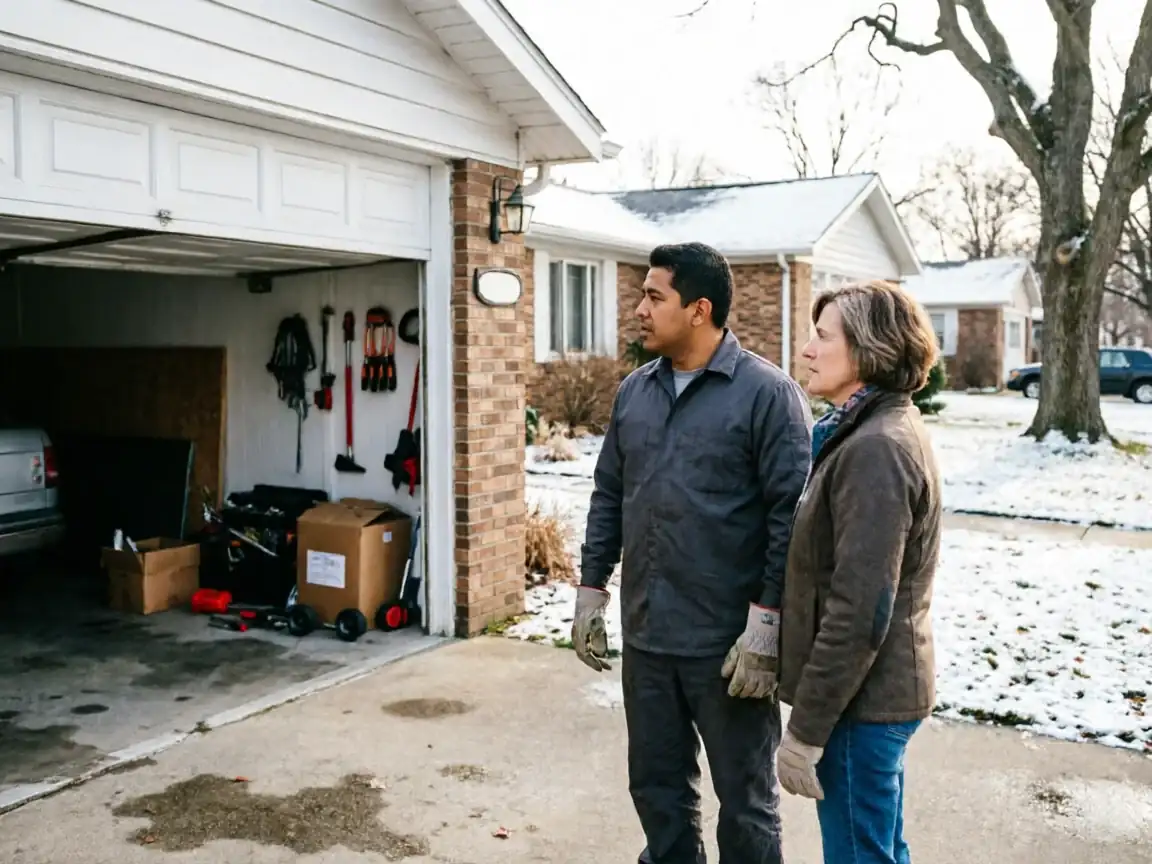
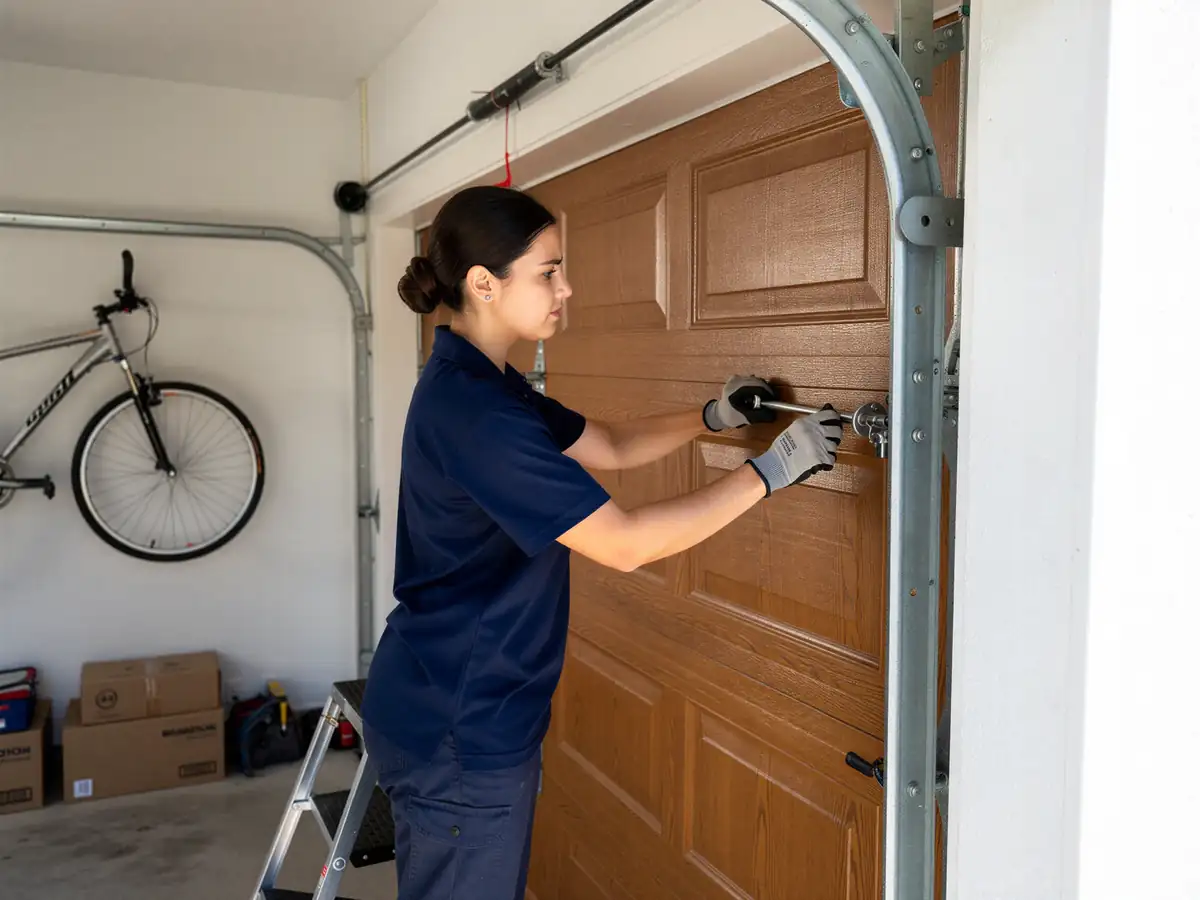
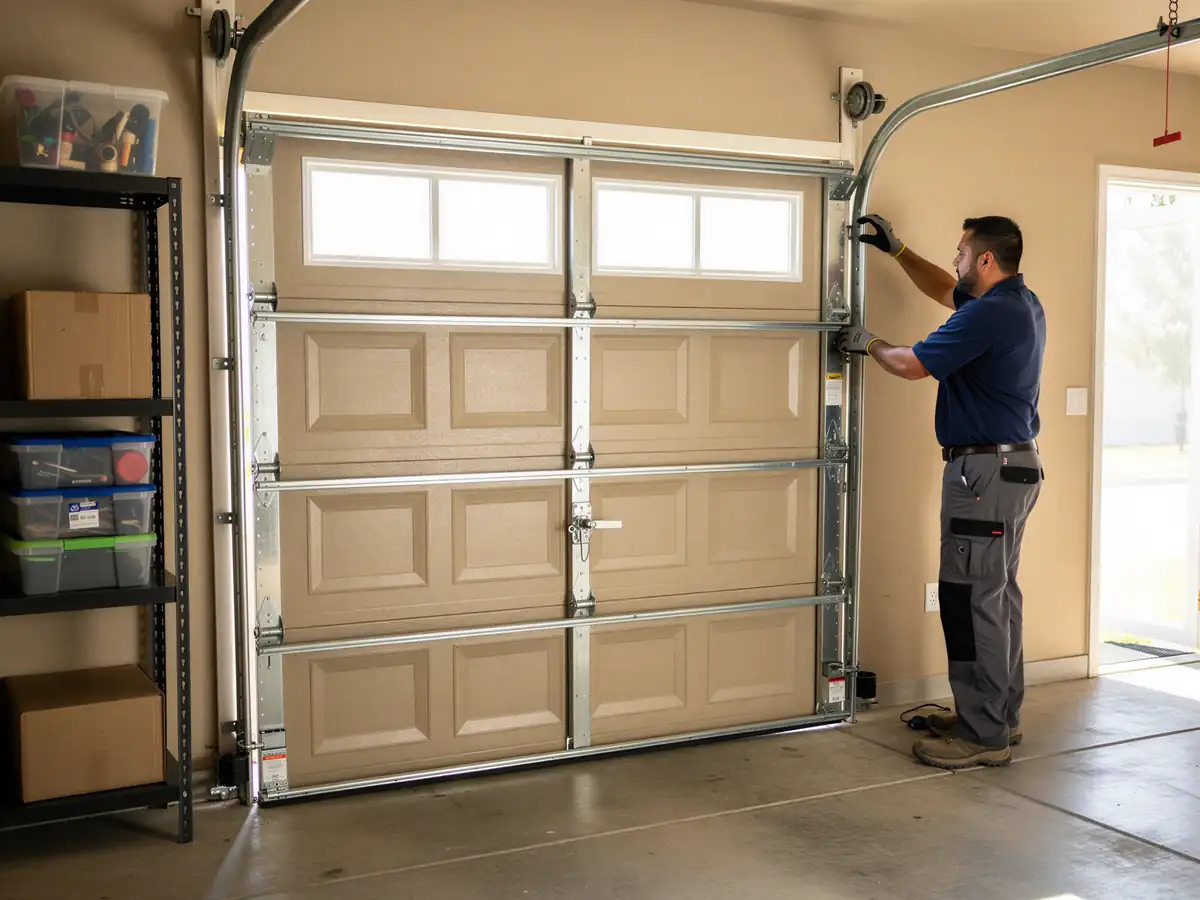
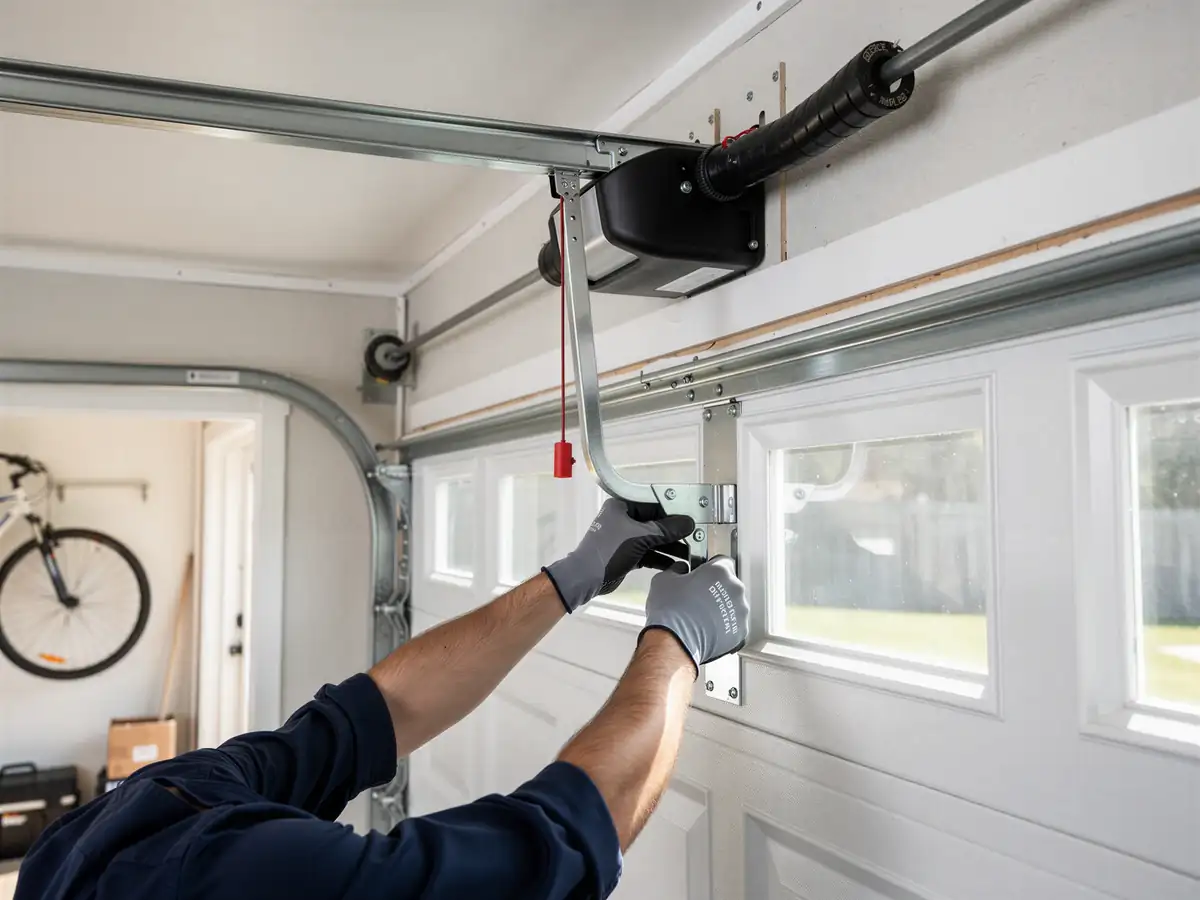
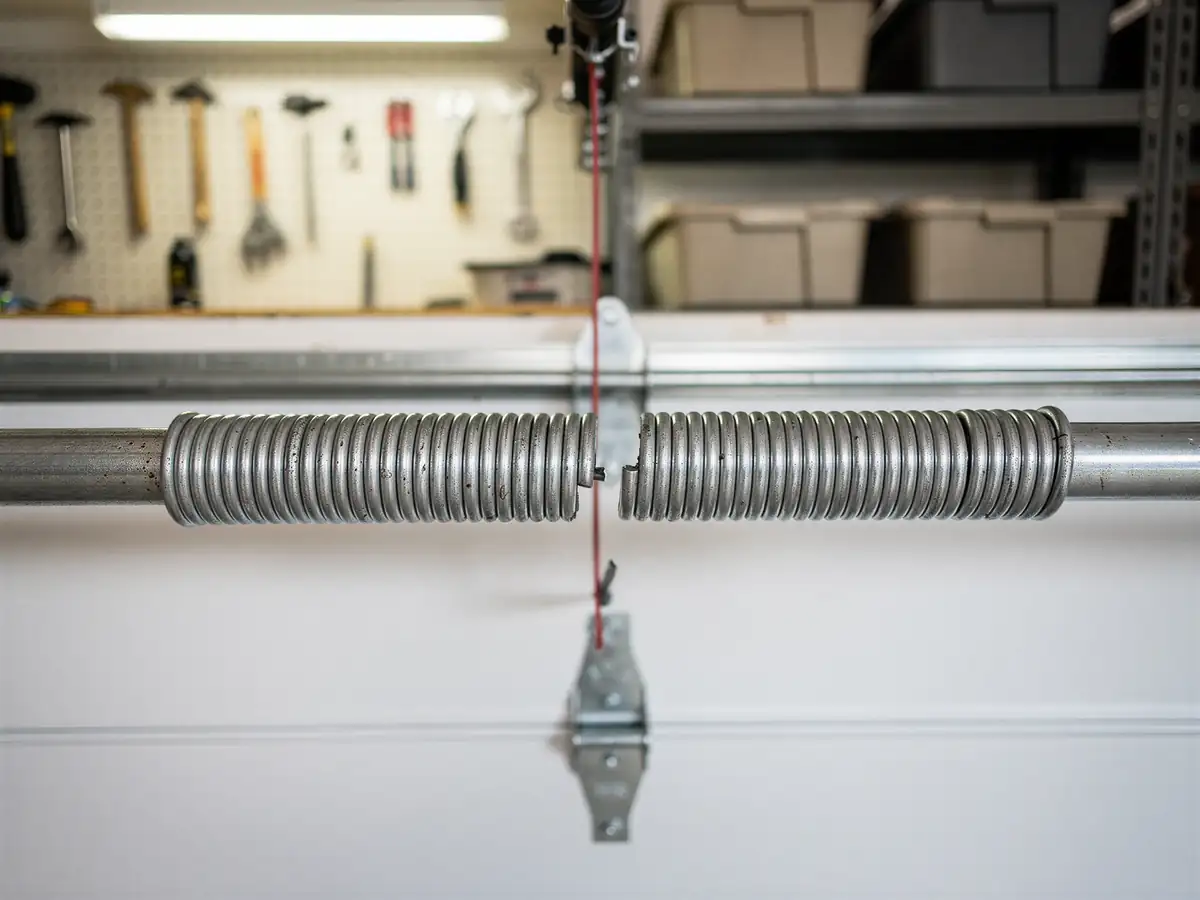
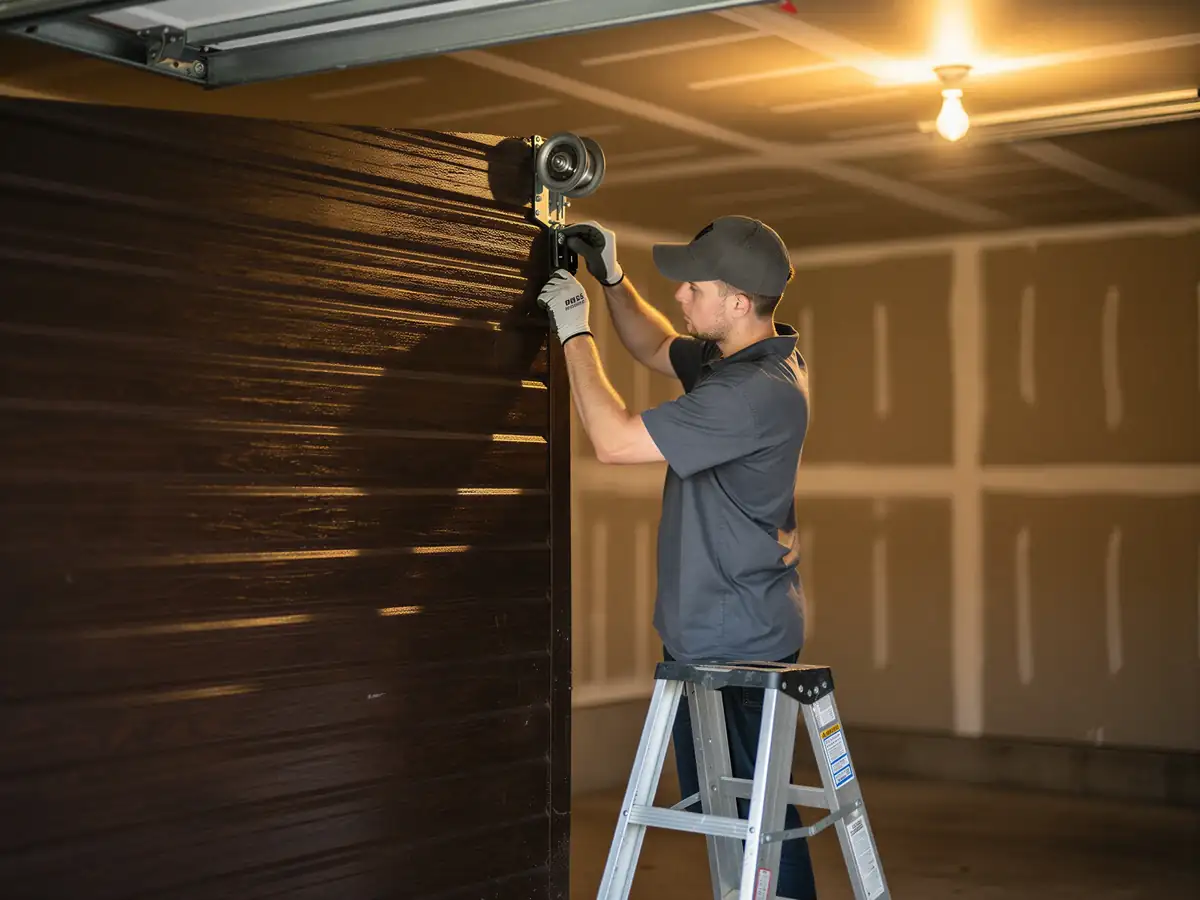
This area sits in a cold, moderate climate band, which means real freeze-thaw cycles every winter, not just a few cold snaps. That cycle works on garage door components in specific ways: steel tracks contract and can pull slightly out of alignment, nylon rollers get brittle and crack instead of wearing smooth, and lubricant that was fine in October gums up by January. A door that rolls quiet in fall can start grinding by February for no reason other than temperature swings on the track. We also see more broken torsion springs in the coldest stretch of winter, since cold steel is less forgiving under the tension a spring holds every time the door cycles. None of this is dramatic weather - it's just the slow wear that comes from a real winter repeating itself for decades on the same hardware.
The Problem
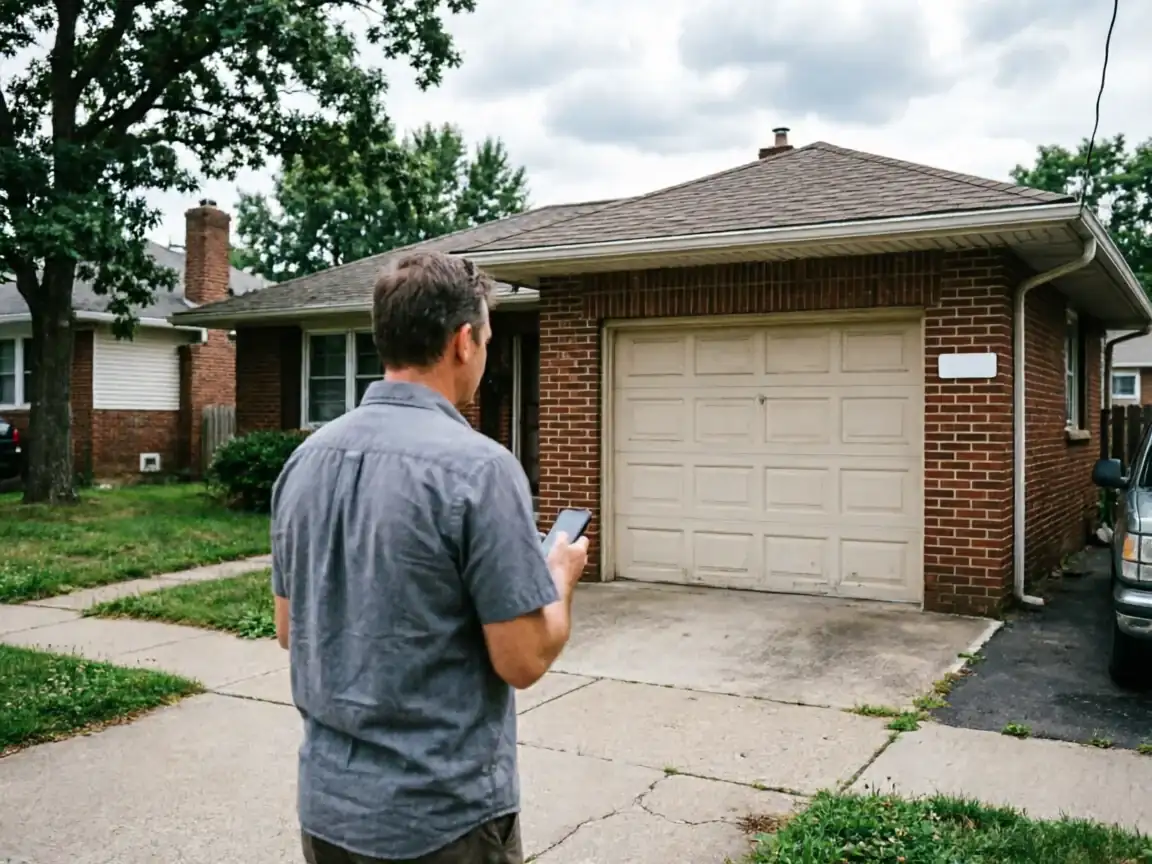
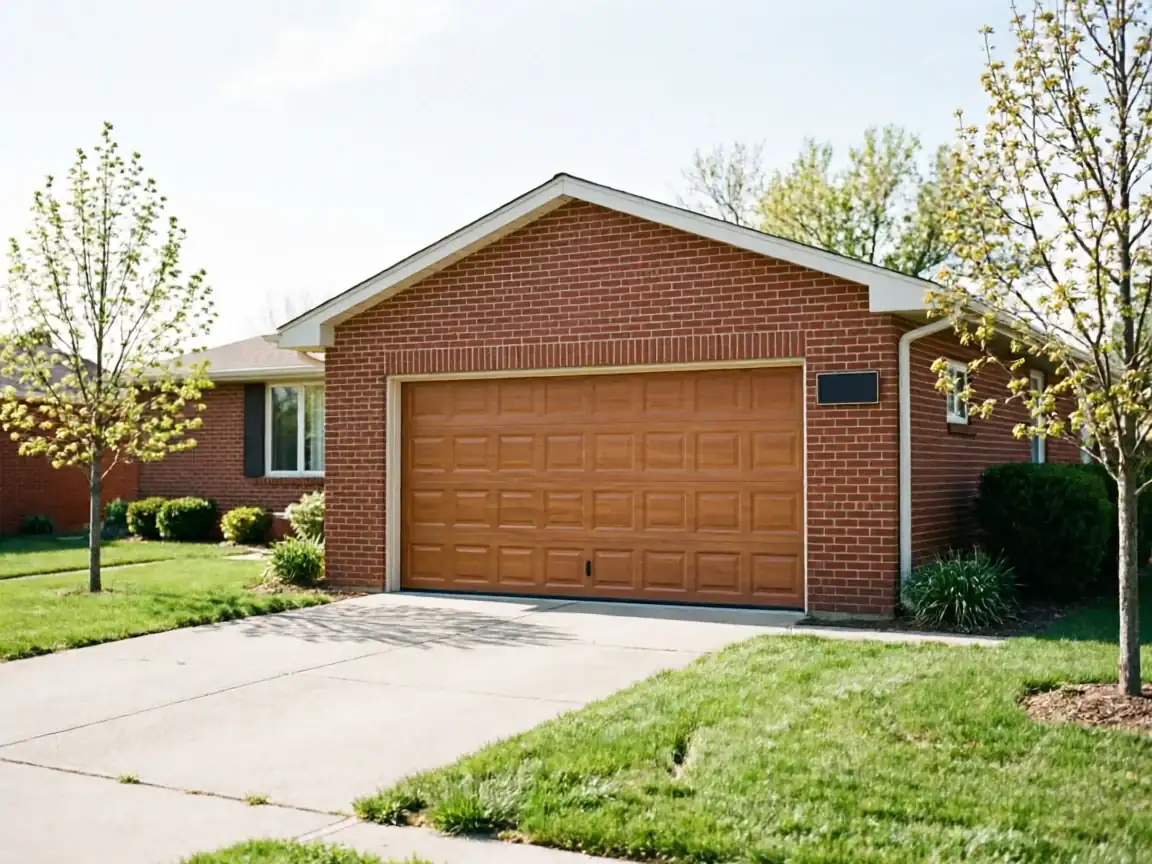
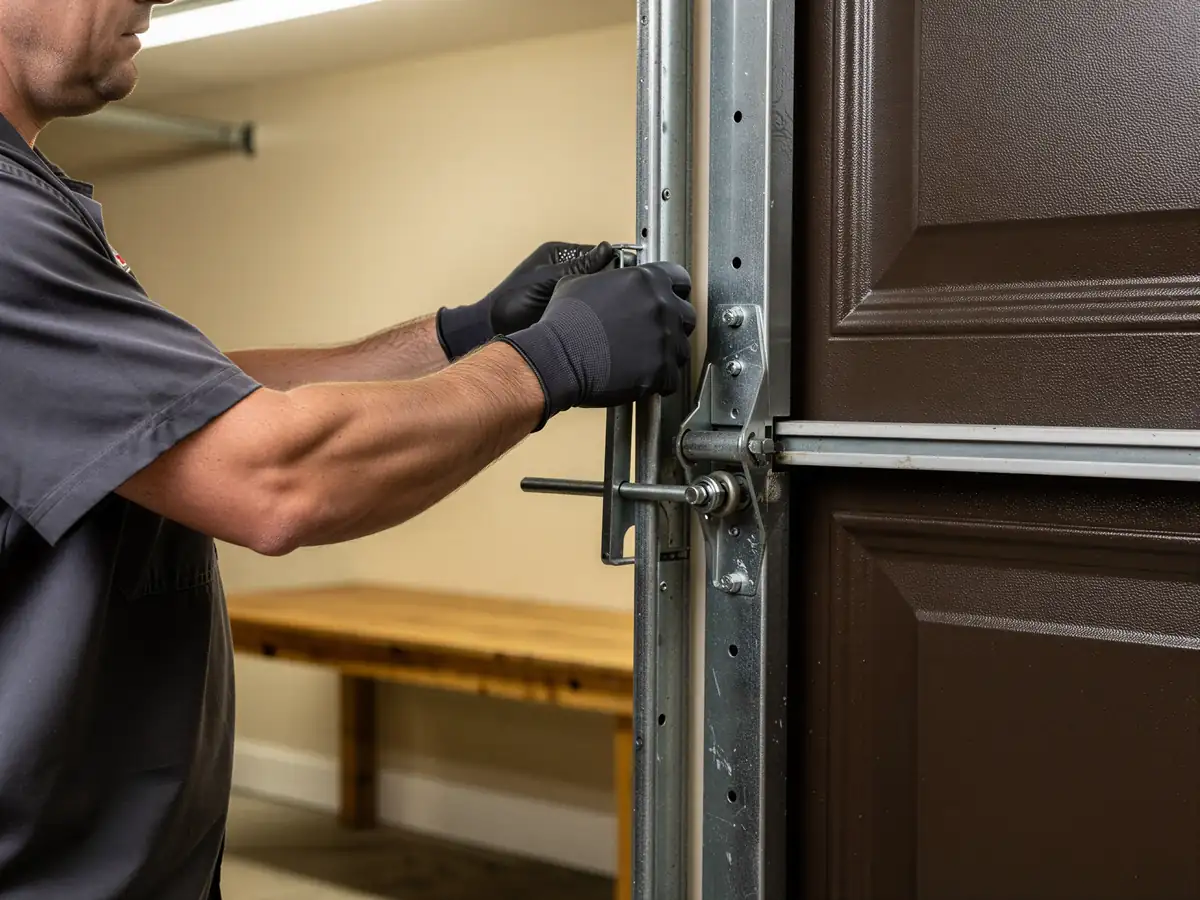
Most of the doors we open up in Orland Park sit on houses built somewhere between 1938 and 2004, with the bulk from the 1960s and 70s. That range matters because garage door hardware from that era wasn't standardized the way it is now. A house built in 1965 might still have its original jamb brackets or a torsion setup sized for a door that's been replaced once or twice since. When a homeowner calls about a door that