Orland Park homes built mostly in the 1960s-70s are hitting the age where doors and tracks give out. Here's what installation involves and what it costs you in time.
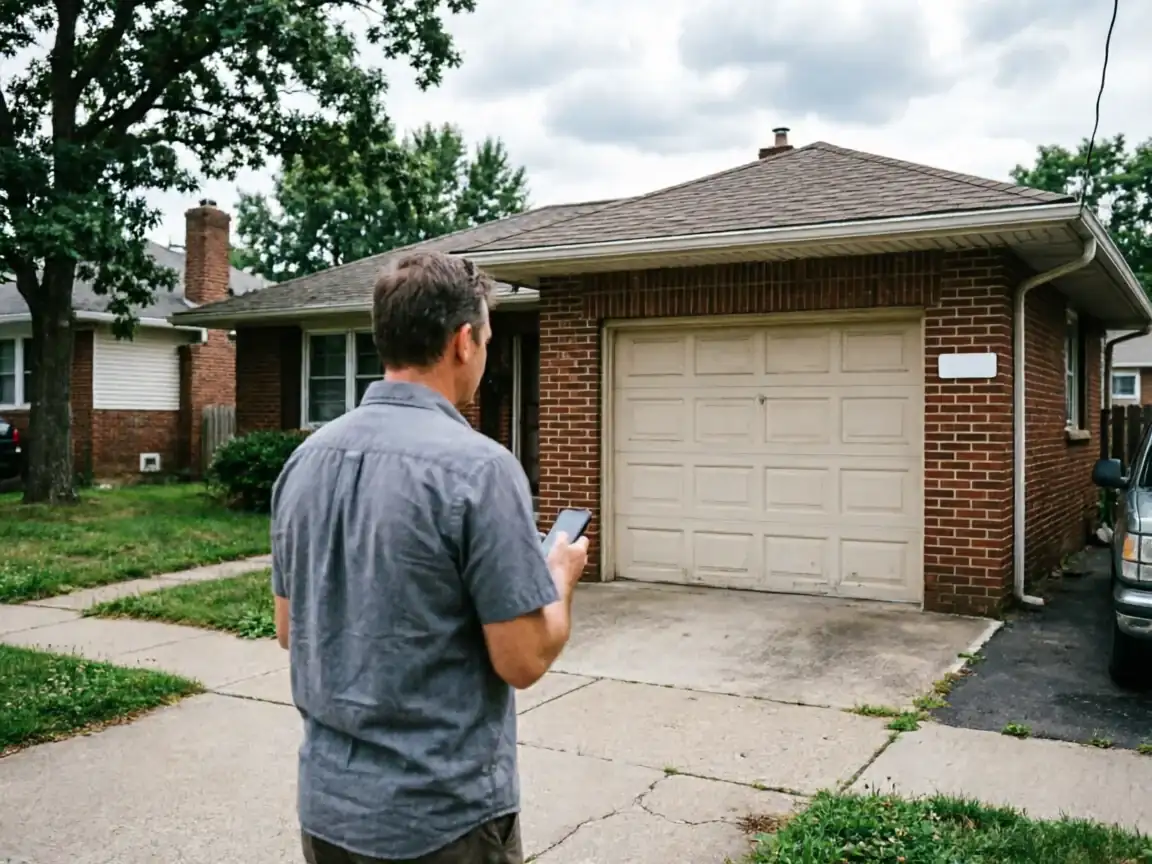
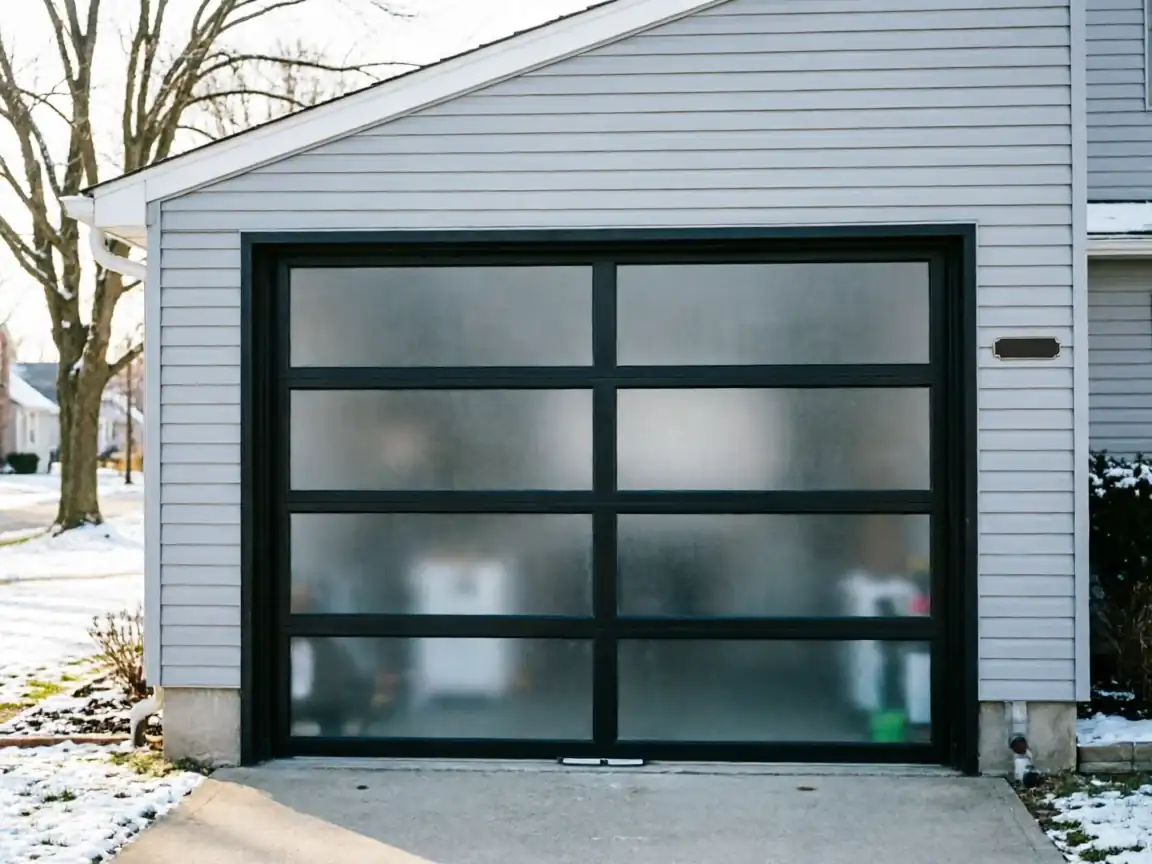
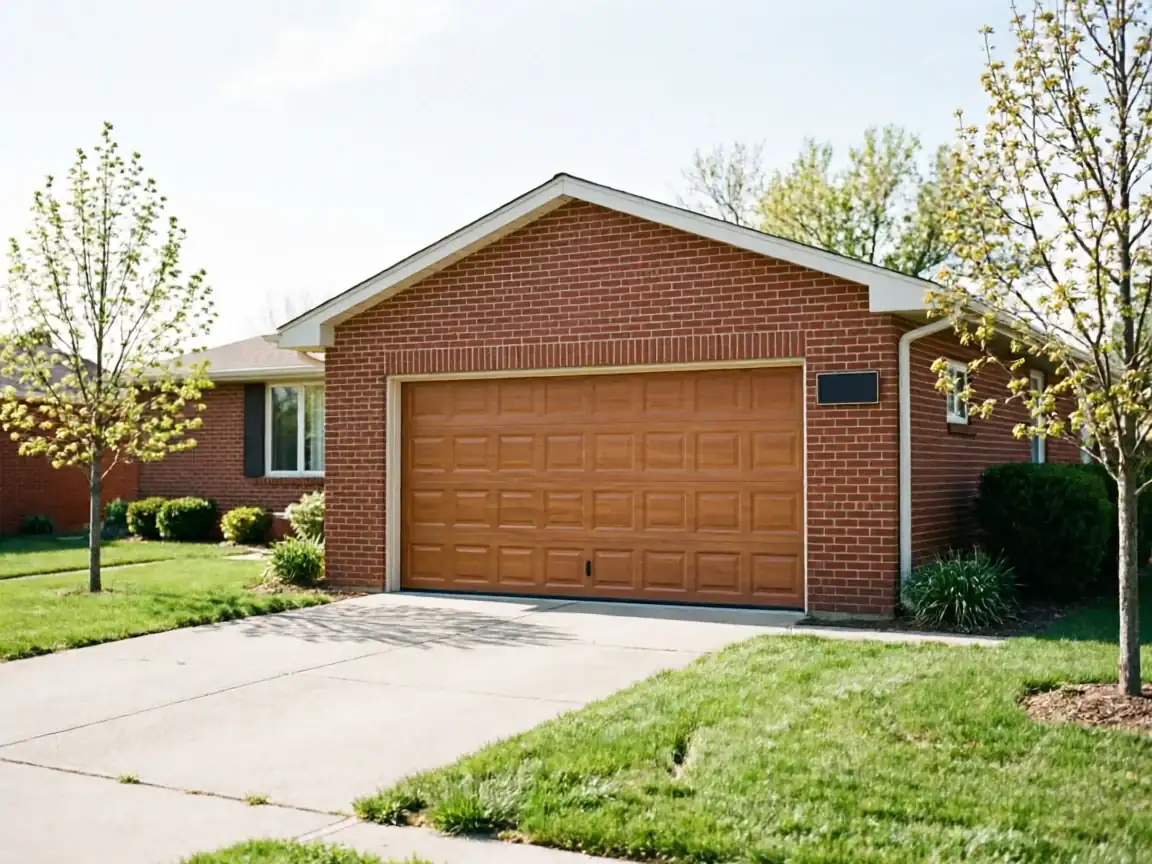
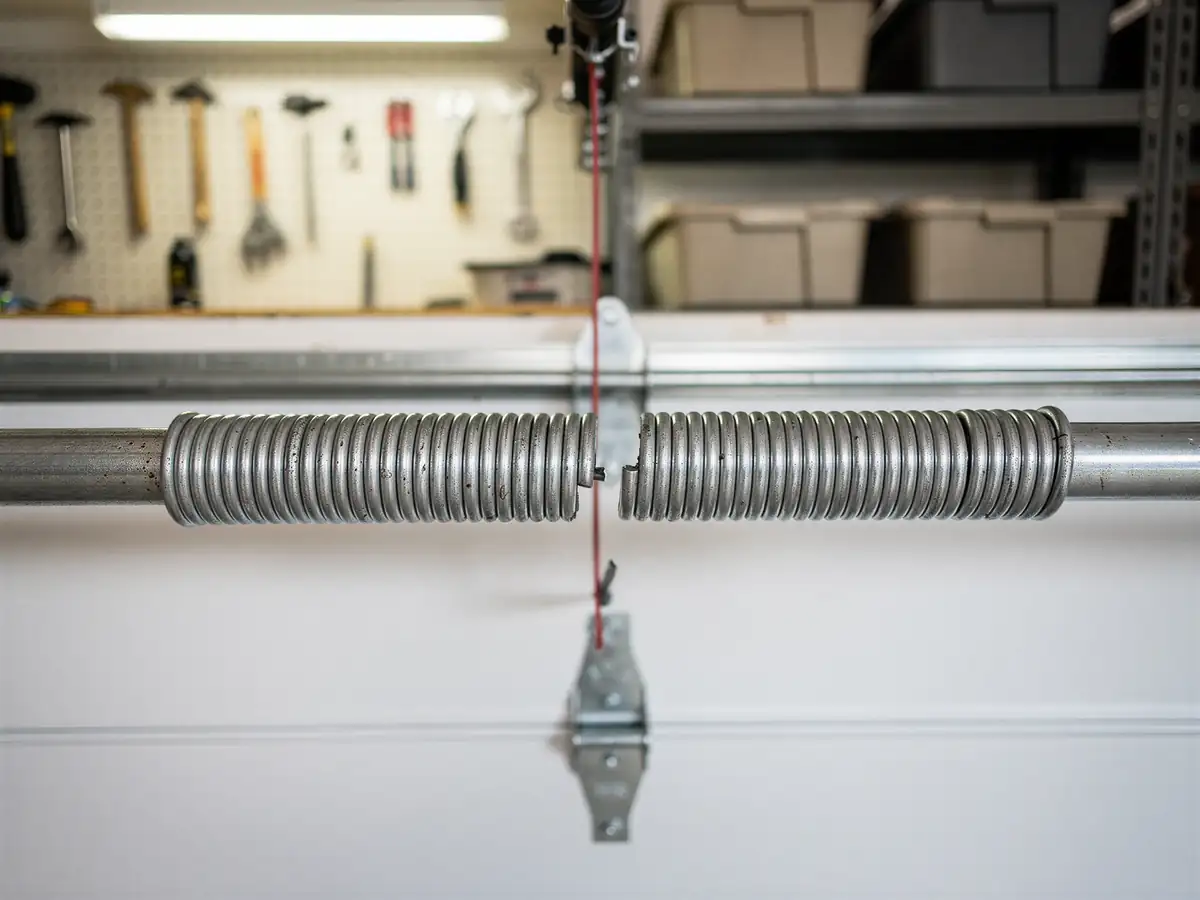
Orland Park's housing stock runs 1938 to 2004, but the bulk of it went up in the 1960s and 70s across the area's named subdivisions. That matters for installation because a door put in when a house was built 50-plus years ago has outlived every part in it twice over - the torsion springs, the rollers, often the track itself. Steel doors from that era were also built thinner, with less insulation, which is a real problem once you factor in a cold-moderate climate band that puts real freeze-thaw stress on panels and seals every winter. A door that's cycled through 50 winters here doesn't fail all at once. It fails at the hinges, then the bottom panel, then the opener starts straining to lift a door that's racked out of square. By the time a homeowner calls about installation rather than repair, the door has usually told them for a year or two that it was done. The other driver is simpler: a lot of these houses were never upgraded past their original builder-grade door, and after five decades that door is not insulated, not balanced, and not worth chasing with more repairs.
How Long It Takes
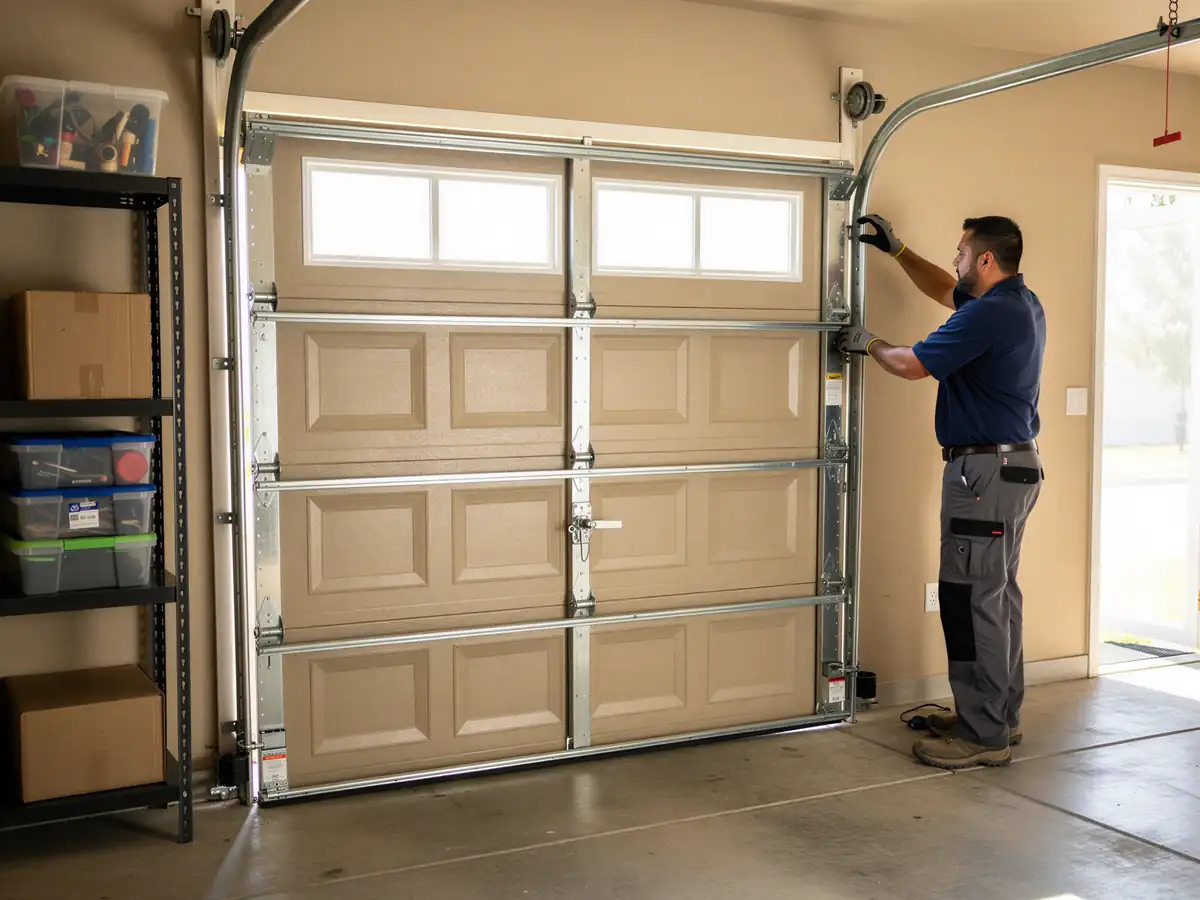
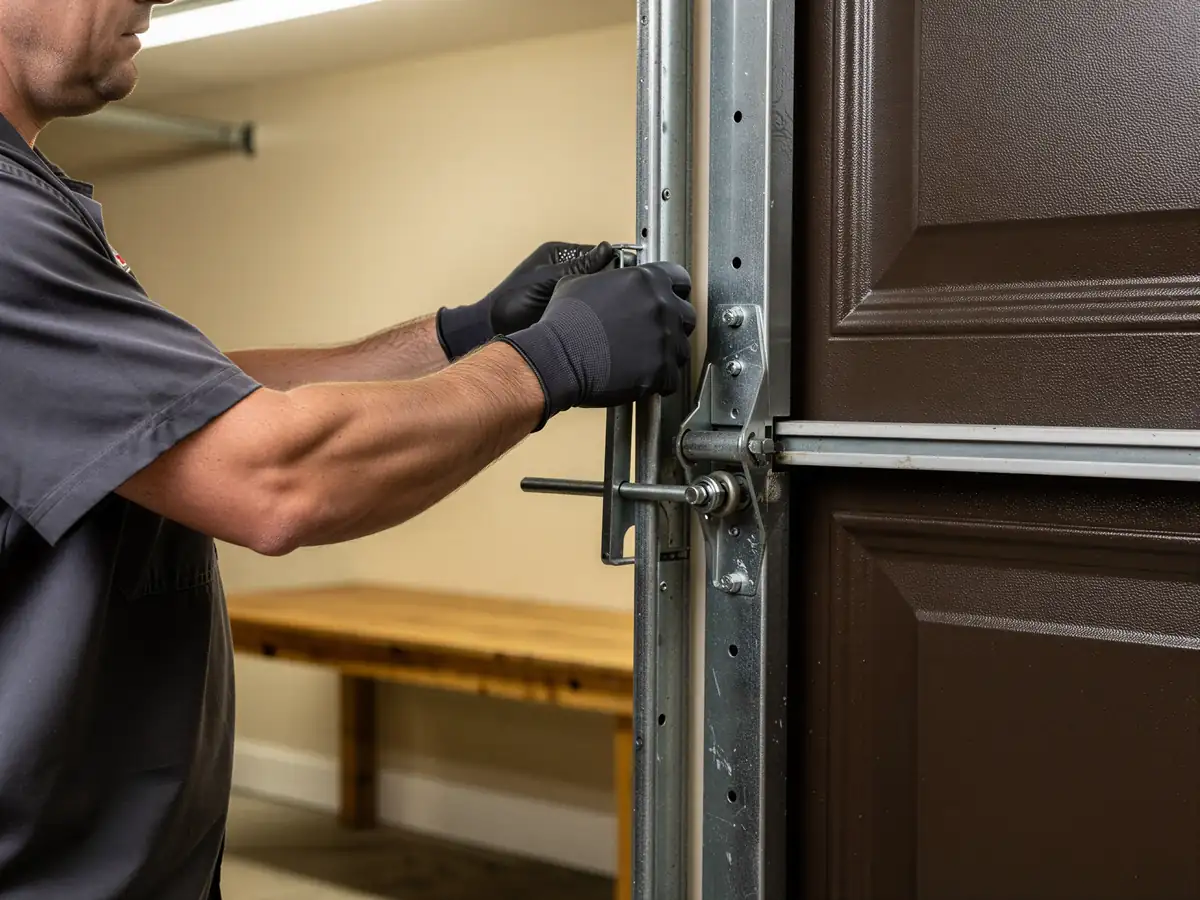
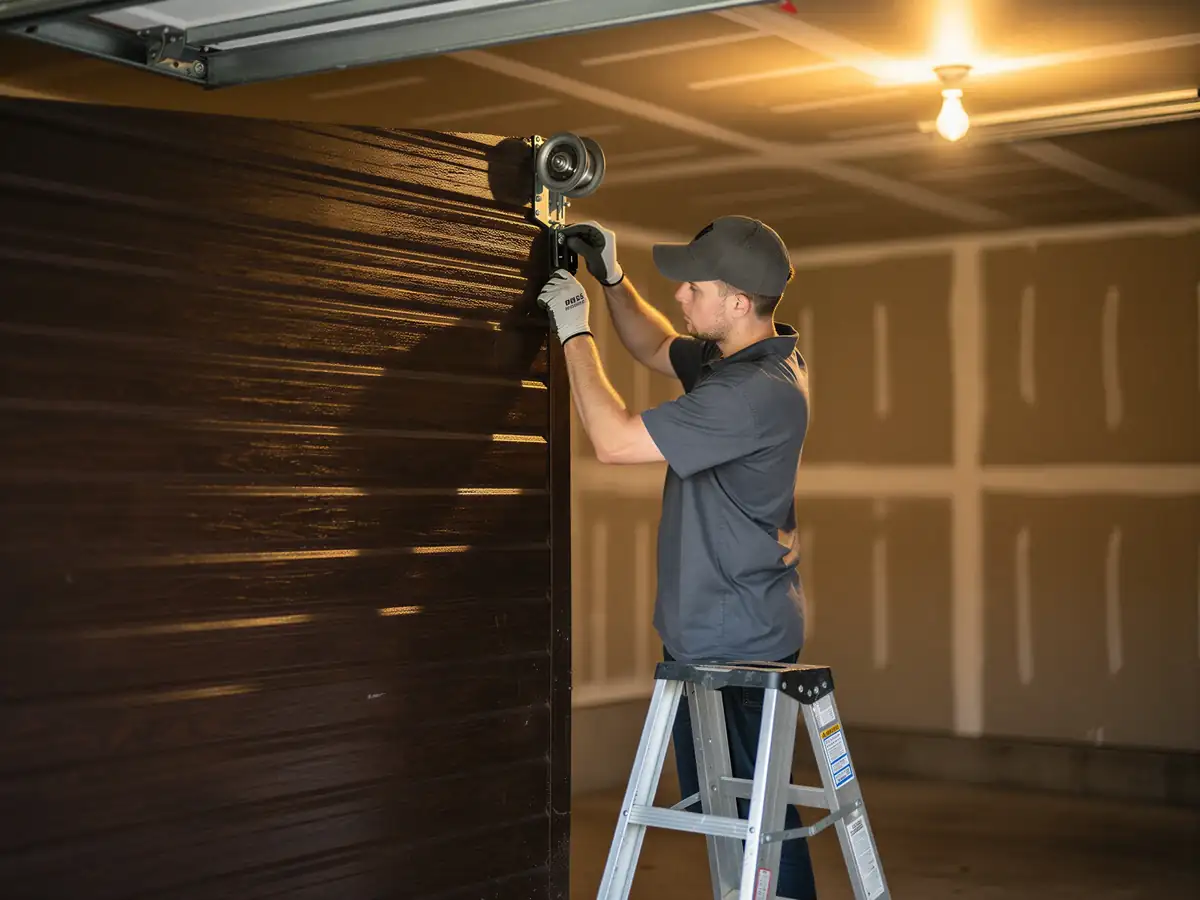
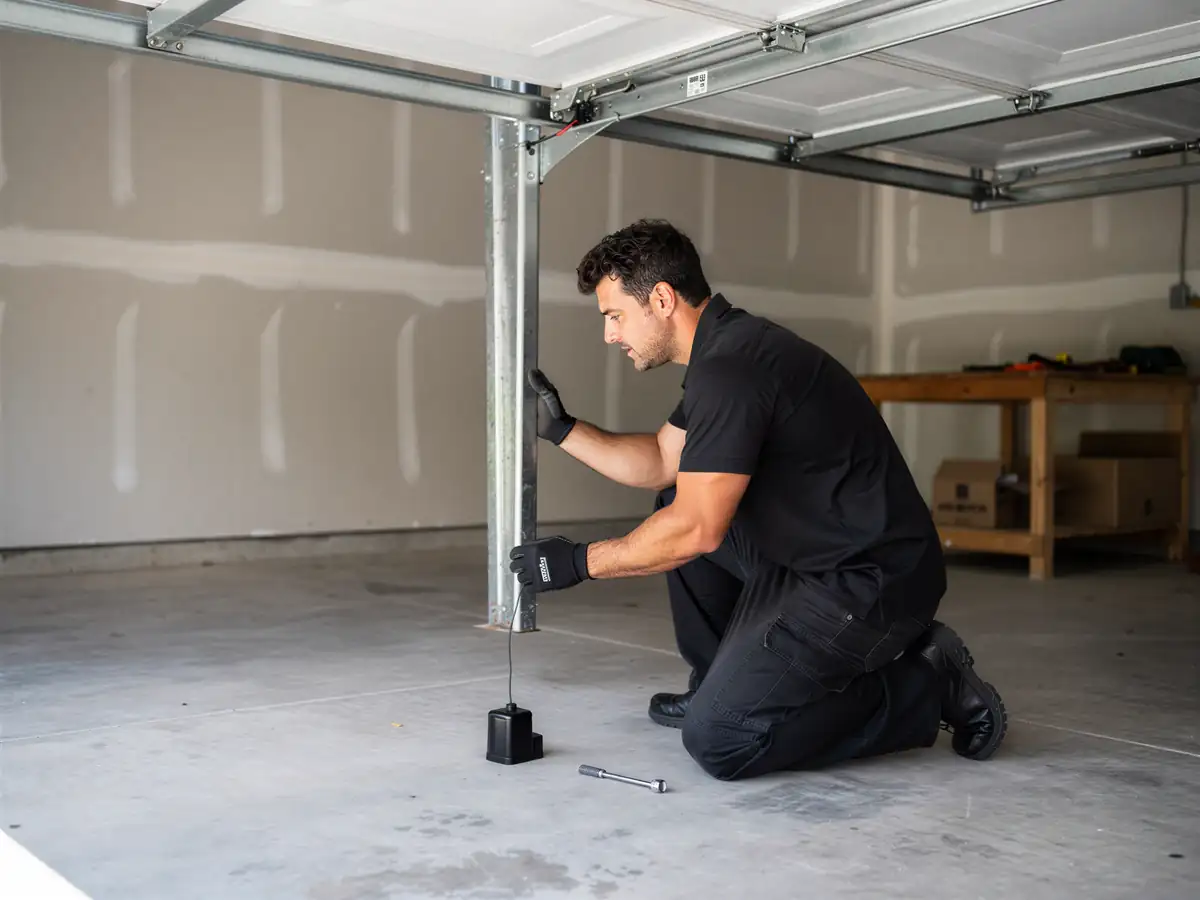
A single-car or double-car replacement on an existing opening, with the old door and track stripped out and new track, springs, and panels installed, is a one-day job for most houses in this area - the opening doesn't need to be reframed and the header is already there. What can stretch the timeline is parts: if the house has an older or oddball door width, which still turns up given how much of the stock here dates to the 1960s and 70s, getting the right panel size in isn't always a same-day pull from the truck. Weather plays a role too. In a cold-moderate climate band, cold snaps affect how fast sealant and weatherstripping cure, so a job done on a 10-degree day may need a return visit to finish sealing properly. Nobody can promise a install window shorter than the parts lead time allows.
The Symptom
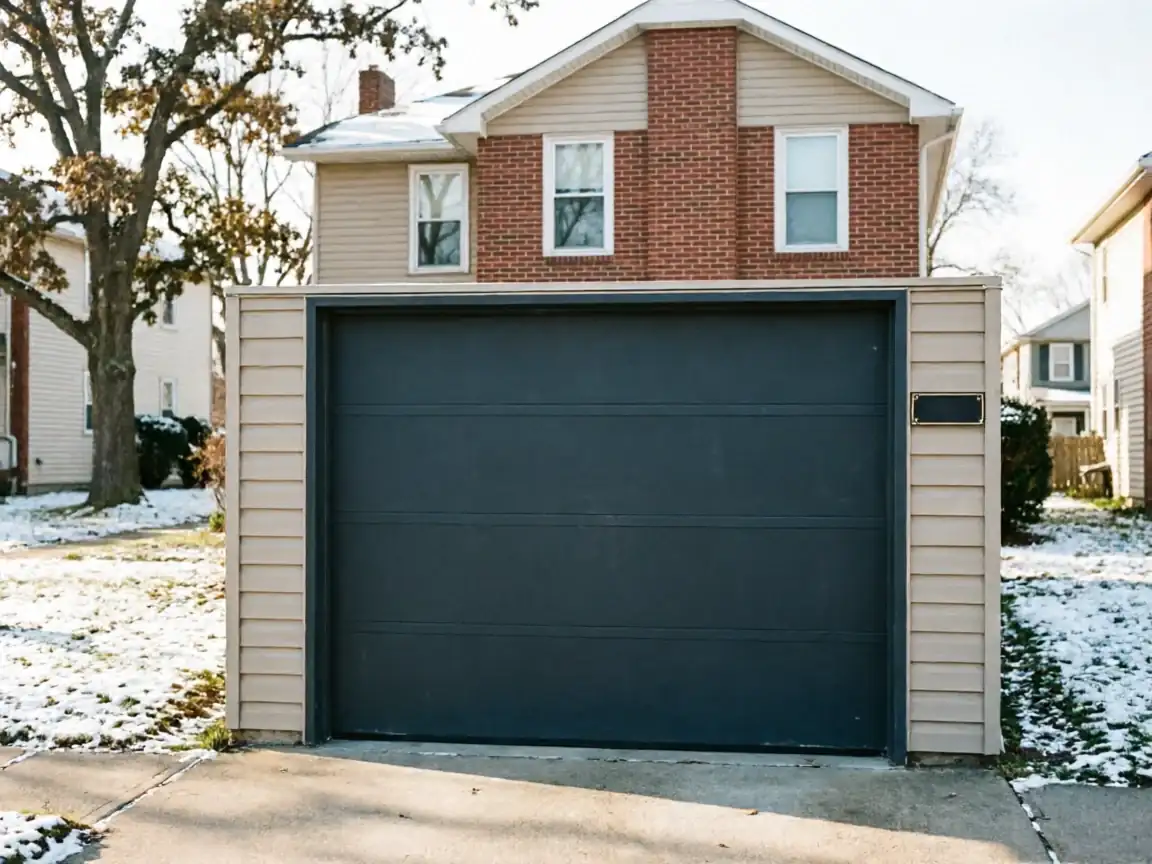
The giveaway that a door needs replacing instead of patching is usually visible before it's audible. Panels bowed or dented at the bottom section, a door that sags when it's two feet off the floor, daylight visible around the edges when it's shut, or an opener that strains and reverses on a door that used to lift clean - these show up most on original doors from houses built in that 1960s-70s band. On a double door, if one side sits noticeably lower than the other even after track adjustment, the door itself has racked and no amount of spring tuning fixes that. Cold-moderate winters make the gaps worse: a door with worn-out seals lets in enough cold air to frost the inside of the garage wall, which is a sign the door, not just the weatherstrip, needs replacing.
Can You Do This Yourself
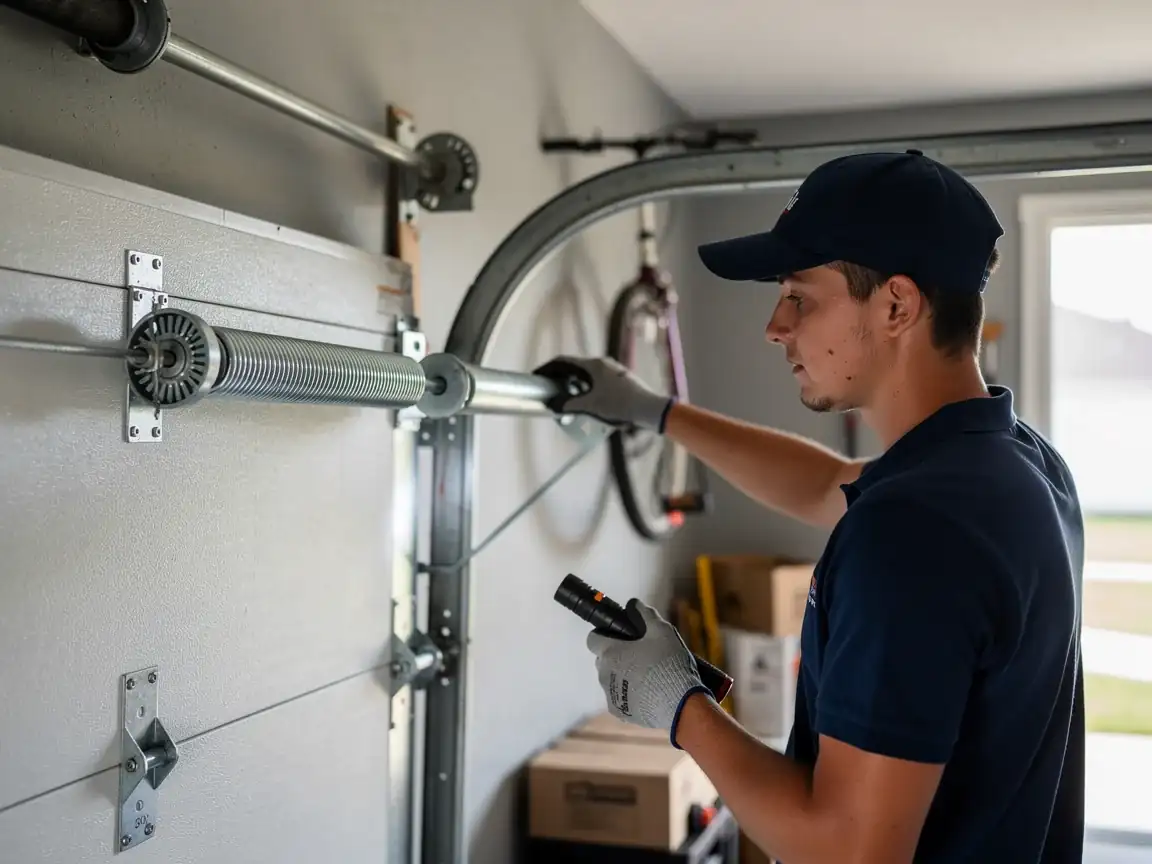
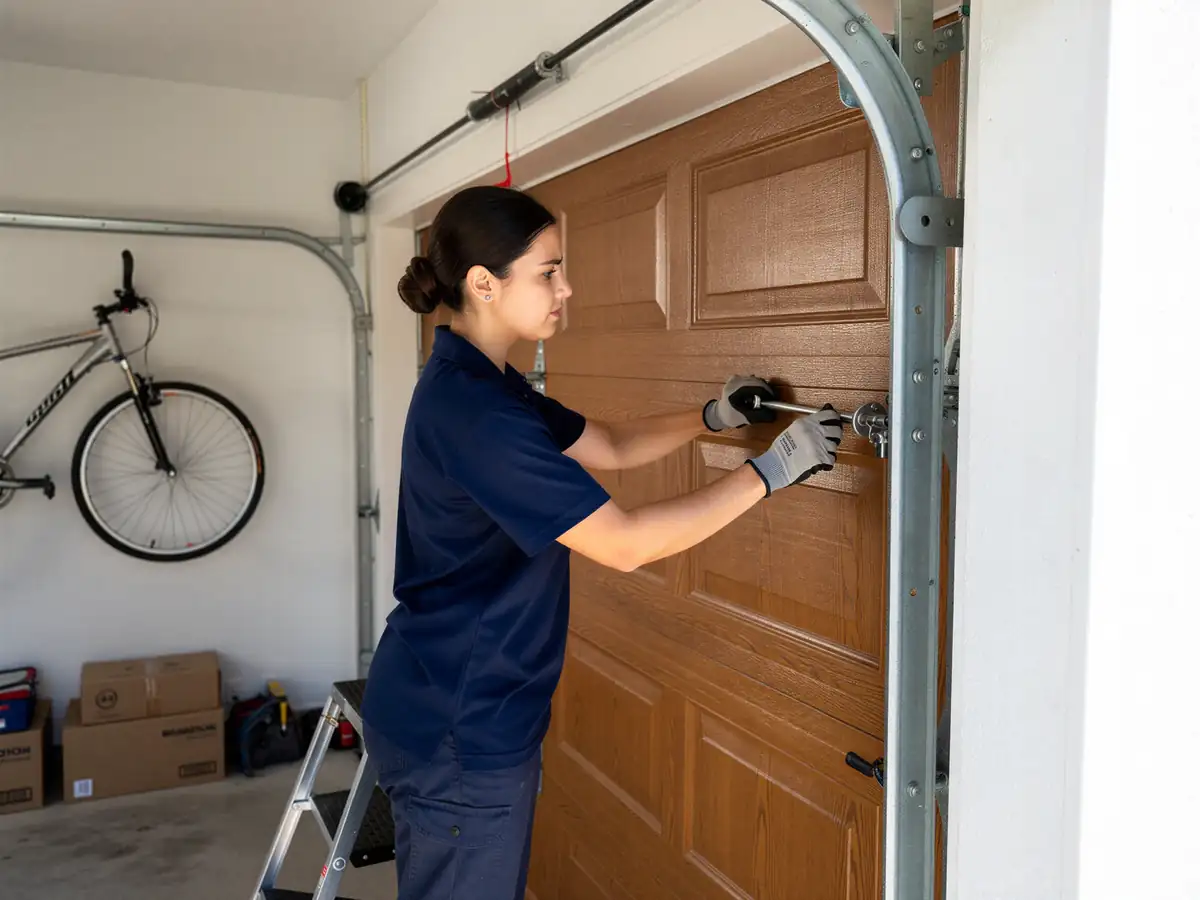
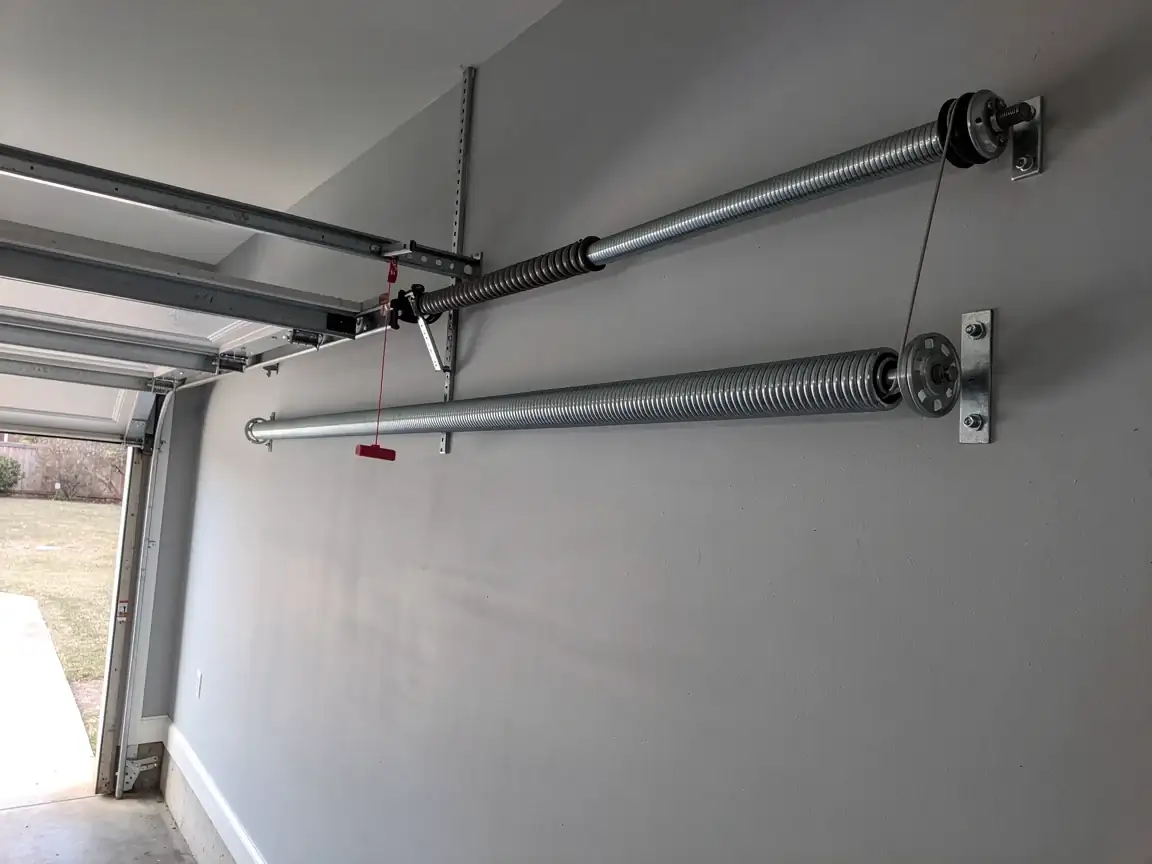
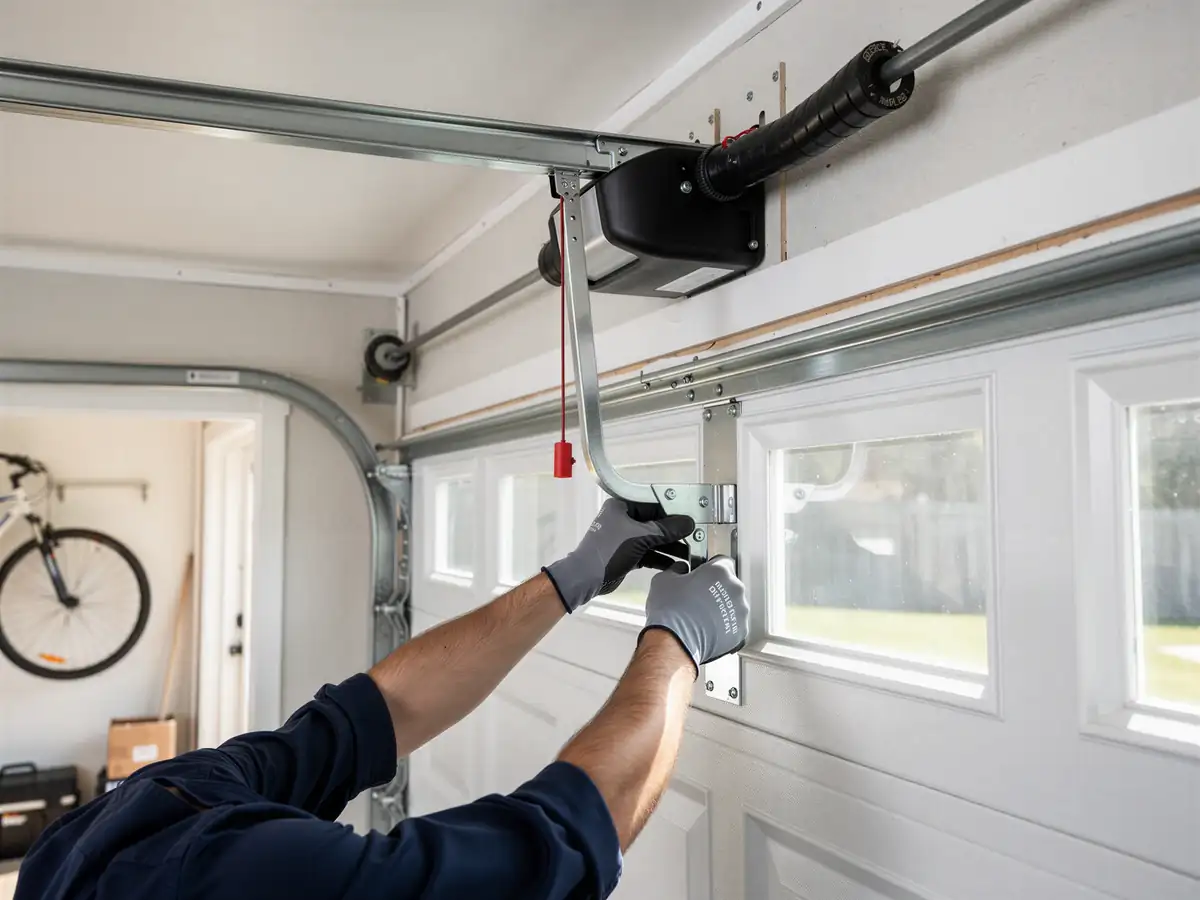
Swapping a garage door is not a weekend DIY project the way replacing a storm door is. The springs are under enough tension to break a bone or worse, the panels are heavy and awkward for one person to square up alone, and getting the new door balanced against the opener takes more than eyeballing it. Where a homeowner can reasonably do their own work is cosmetic - replacing weatherstripping, tightening hardware, painting panels. Full installation is where we'd tell you honestly: this is a two-person job with the right lift tools, and the cost of getting it wrong is a door that comes down on something or someone. If your budget is the concern, know that full replacement usually costs more upfront than you'd spend DIY-ing a patch, but a door and opener matched to the opening outlasts another round of repairs on a 50-year-old track.
How it works
From “it’s stuck” to “it’s fixed”
01
Tell us what’s wrong
Describe the symptom - won’t open, loud bang, opener runs but the door won’t move.
02
On-site diagnosis
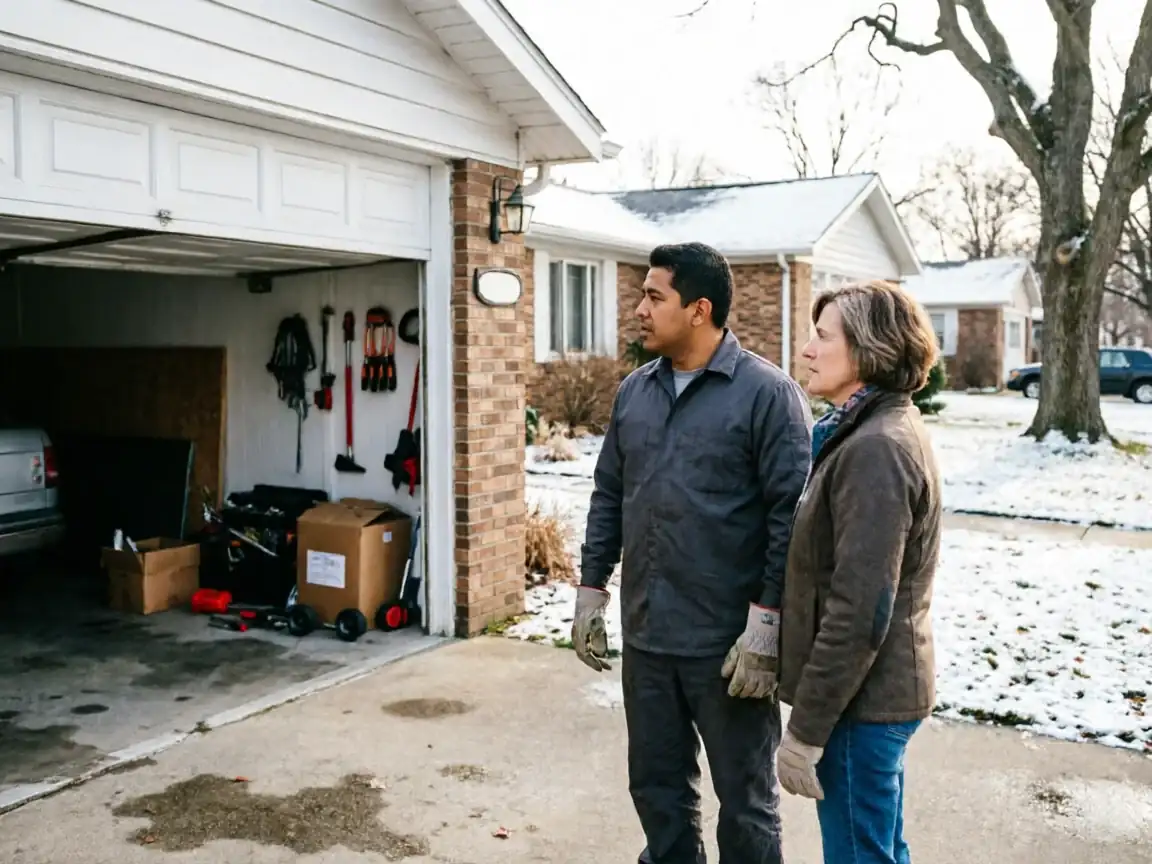
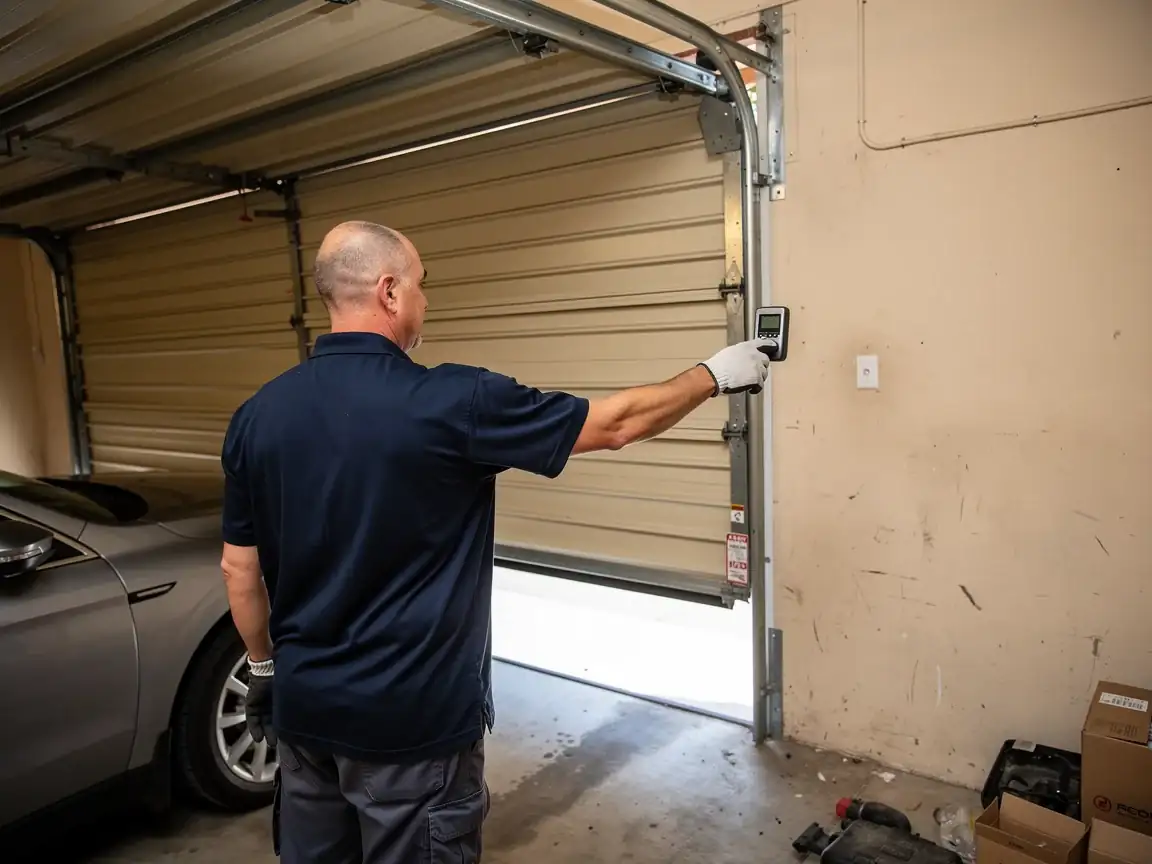
A technician tests the door under power and by hand and finds what actually failed.
03
Clear, up-front plan
You get the fix that’s needed and what drives the cost - before any work starts.
04
Repaired & tested
The repair is done, the door is set true and tested, and the work area left clean.
Not sure which repair your door needs in Orland Park, IL? Describe what it’s doing - every job starts with a diagnosis.
How old does a garage door have to be before replacement makes more sense than repair?
There's no fixed number, but once a door is from the original build of a house constructed in the 1960s or 70s - which covers a lot of Orland Park - the track, springs, and insulation are usually all past their useful life at once, and replacing piece by piece starts costing more than a full install.
Will cold weather affect my new garage door installation?
It can. In a cold-moderate climate, sealant and weatherstripping need time to cure properly, so an install on a very cold day may need a short follow-up visit to finish sealing the edges right. The door itself goes in fine regardless of temperature.
Do you serve areas near Orland Park like Orland Hills or Palos Park?
We cover the surrounding area including Orland Hills, Palos Park, Homer Glen, Palos Heights, and other nearby communities. Check with us directly for your specific address.
Can I install a garage door myself to save money?
The door panels and the torsion spring system are heavy and dangerous to handle without the right tools - a spring under tension can cause serious injury. Cosmetic work like weatherstripping is fine to DIY, but full installation isn't a one-person job.
Ready to get your garage door sorted?
Tell us what it’s doing and where you are in Orland Park - we’ll take it from there.