The Drive Over
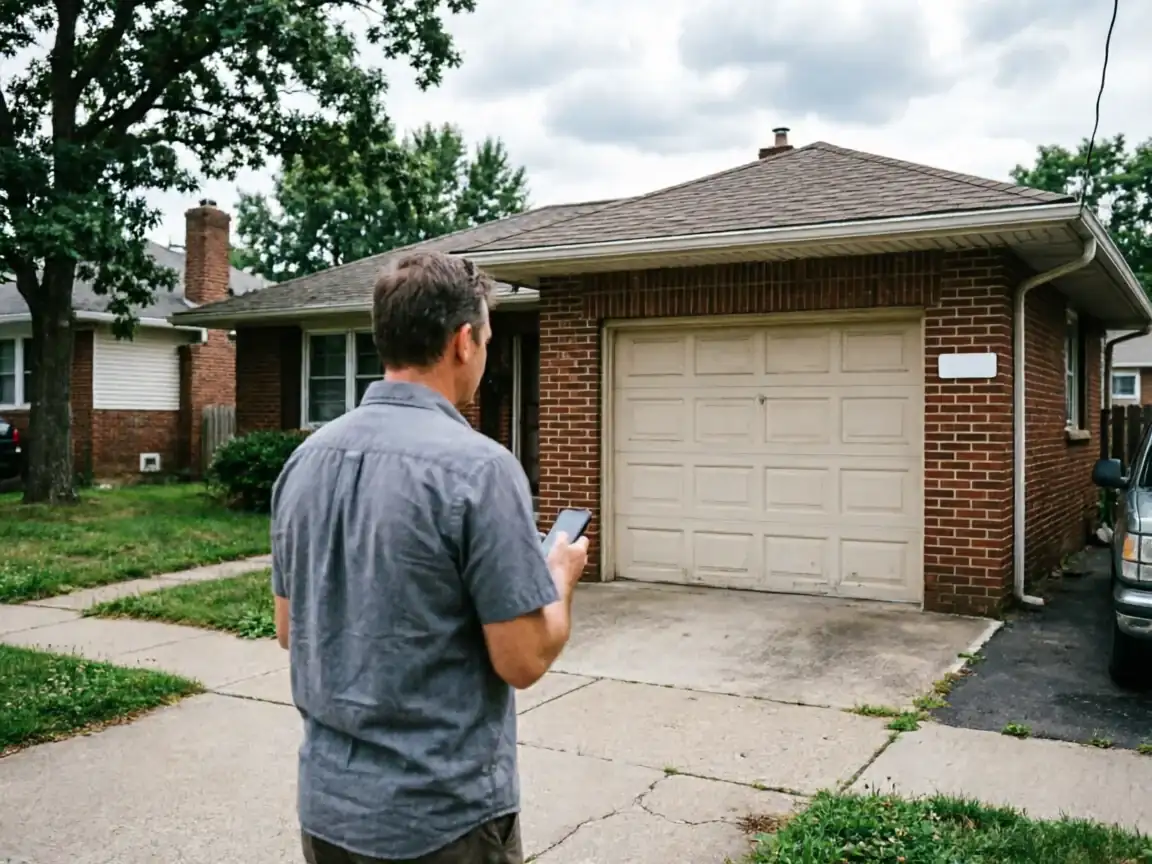
Orland Park Garage Door Pros runs out to Hinsdale from Orland Park, about 14 miles each way
That's one of the longer hauls in the coverage area, so it's not a stop we treat casually - a tech coming out here has already sized up the job from what the homeowner describes on the phone, because driving back for a part nobody checked wastes everyone's afternoon.
- 14 miles
We don't keep a depot in Hinsdale and we're not going to pretend otherwise
What we do bring is a truck stocked for the kind of doors this town actually has, which, as it turns out, aren't quite the same doors we see closer to home.
That distinction matters more here than in most of the towns we reach
Hinsdale's housing stock skews newer than the service area's overall median, and that changes what breaks and how we fix it. The rest of this page is about that difference, not about how fast we can get here.
What Was Built Here
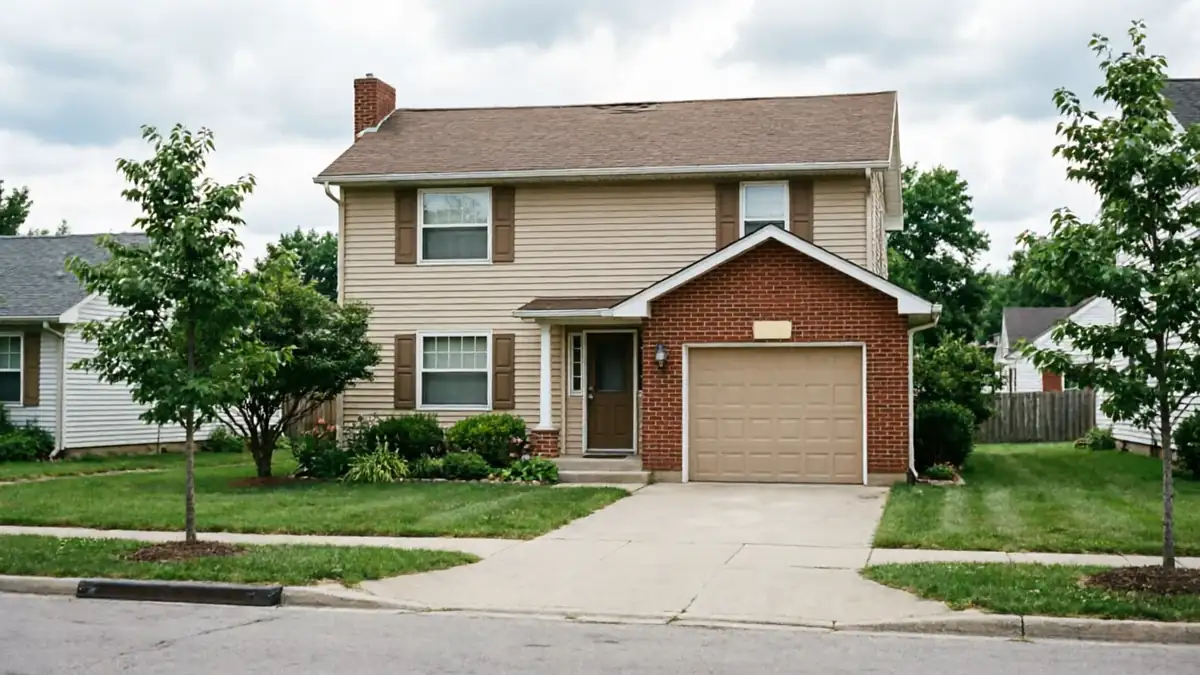
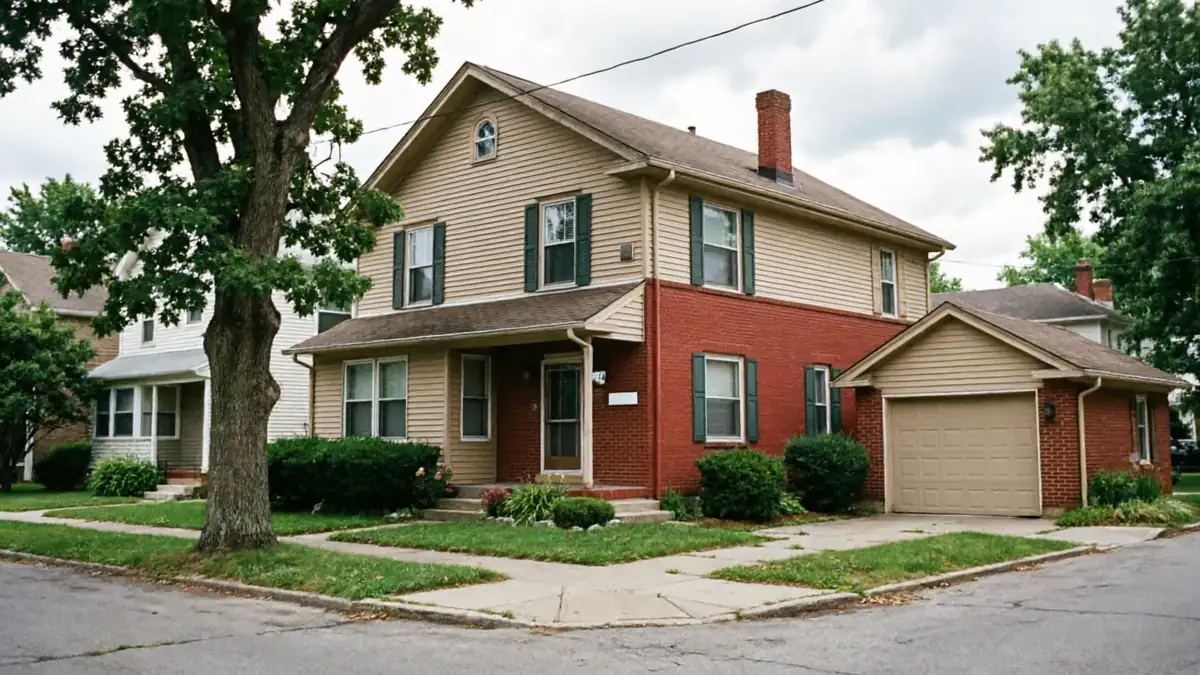
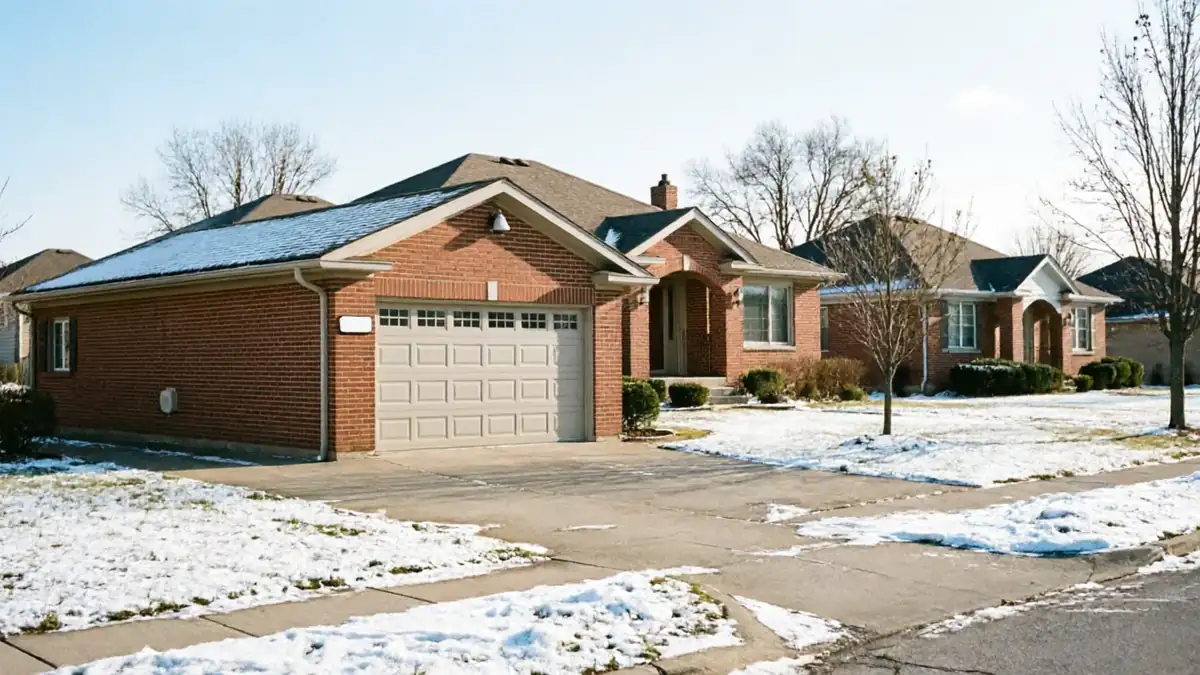
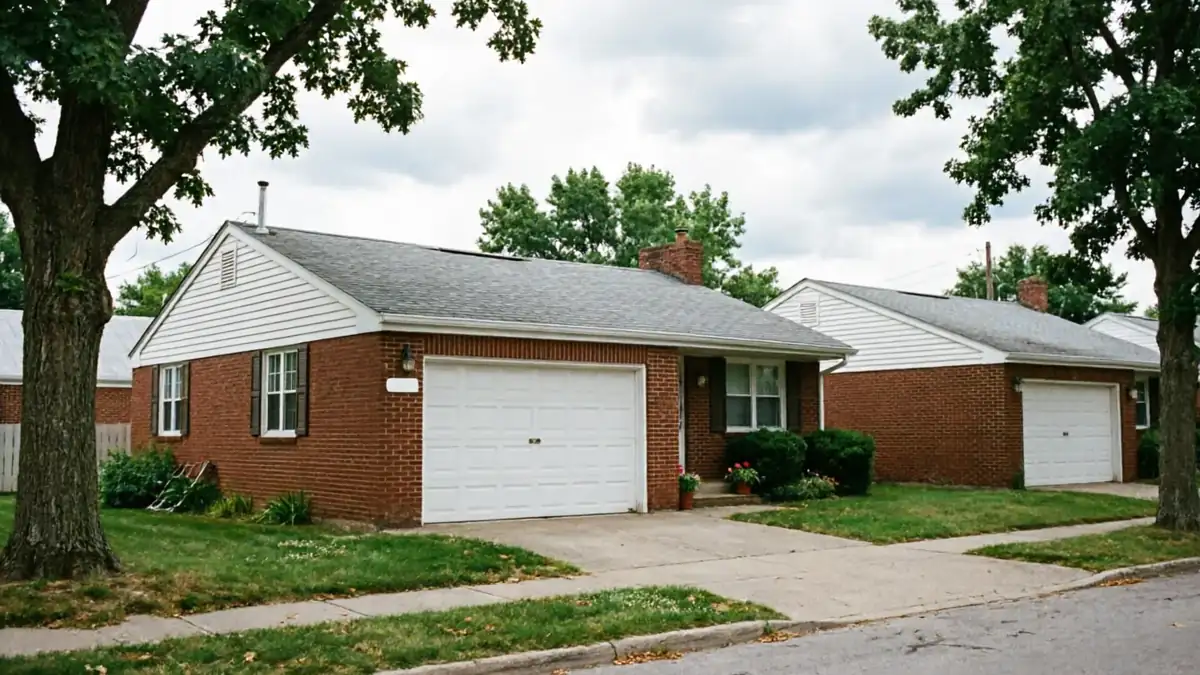
Across the wider service area, the median house went up around 1970, with most of that stock dating to the 1960s and '70s. Hinsdale sits a decade later than that: the median year built here is 1979. It sounds like a small gap. On a garage door it isn't.
A house built in 1960 usually has a door that's been replaced once or twice already, often with whatever hardware a prior owner had on hand. A house built in 1979 is more likely to still be running something closer to its original torsion setup, or a first-generation chain-drive opener that's outlived its warranty by decades.
With 5,640 households in Hinsdale and a median income around $250,001, this is also a town where garage doors tend to get replaced on a schedule rather than nursed along. We see fewer of the improvised fixes - baling wire on a cable, a 2x4 propping a track - that show up on older, lower-turnover streets elsewhere in the service area. That's not a knock on anyone; it's just what a higher-income, newer-stock town looks like from the inside of a service truck.
What People Here Ring About
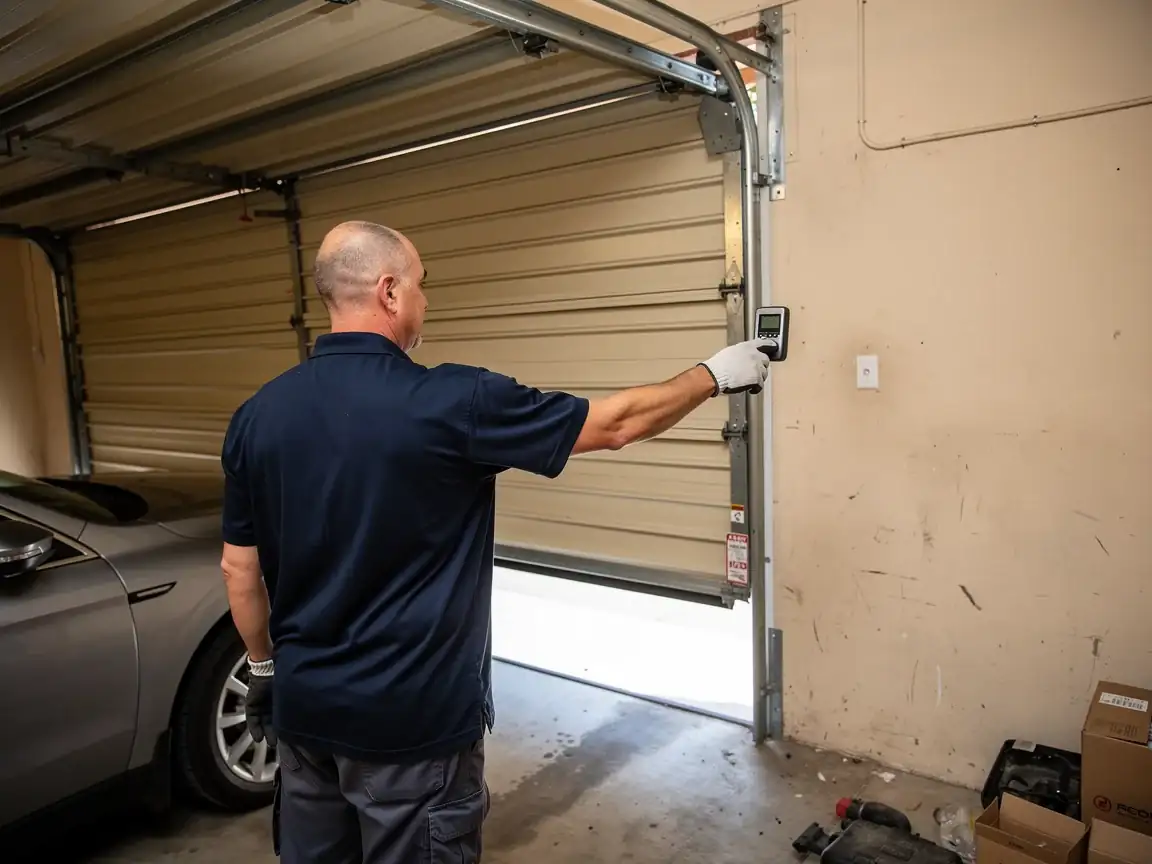
The calls from Hinsdale lean toward opener trouble more than they lean toward the door itself. A 1979-era garage, even after one or two renovations, often still has an opener that's been upgraded more recently than the door - a belt-drive unit bolted onto original track, or a newer logic board paired with a spring setup nobody's touched since install.
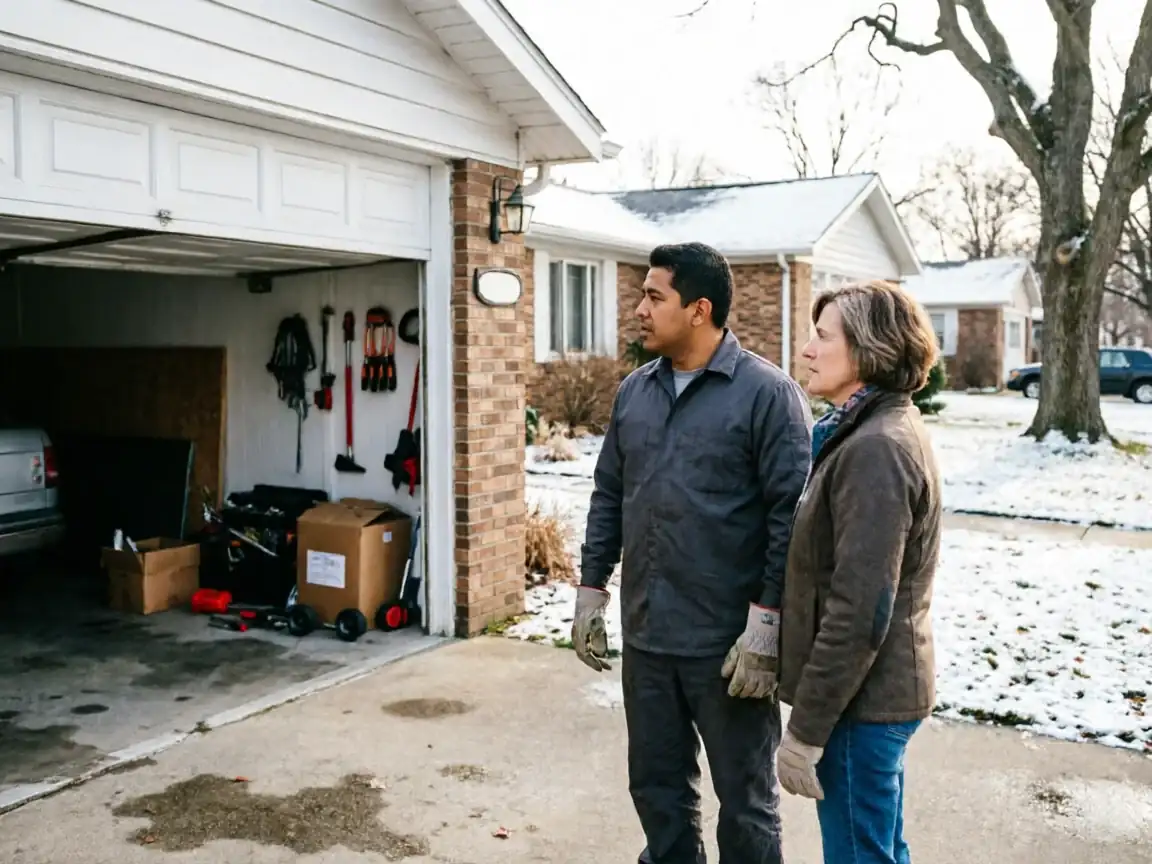
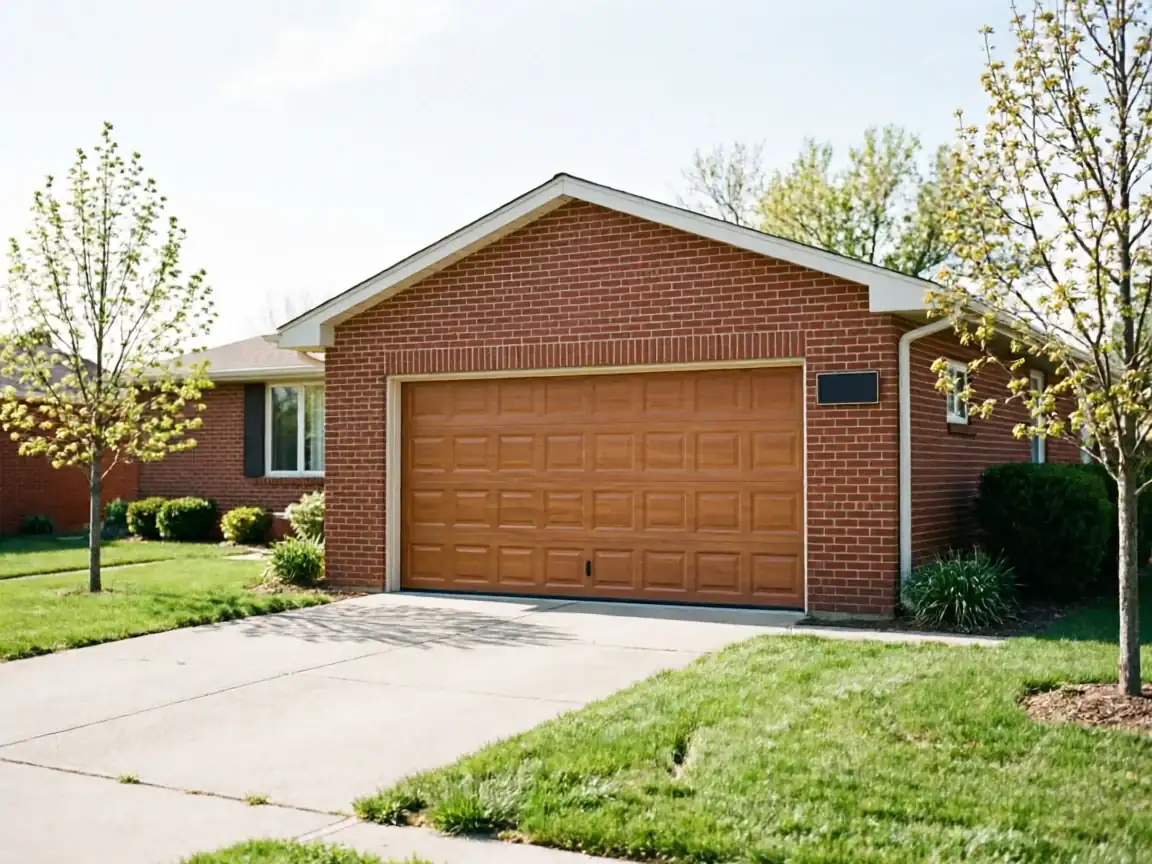
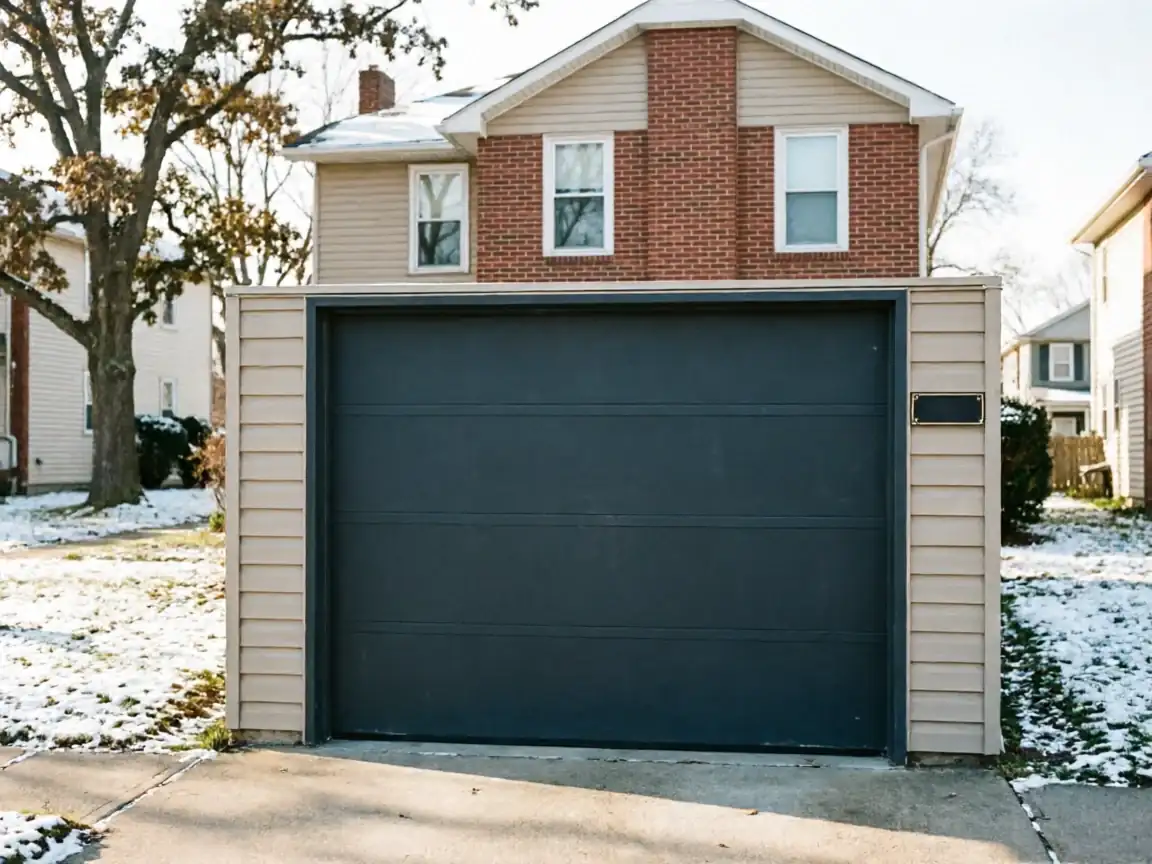
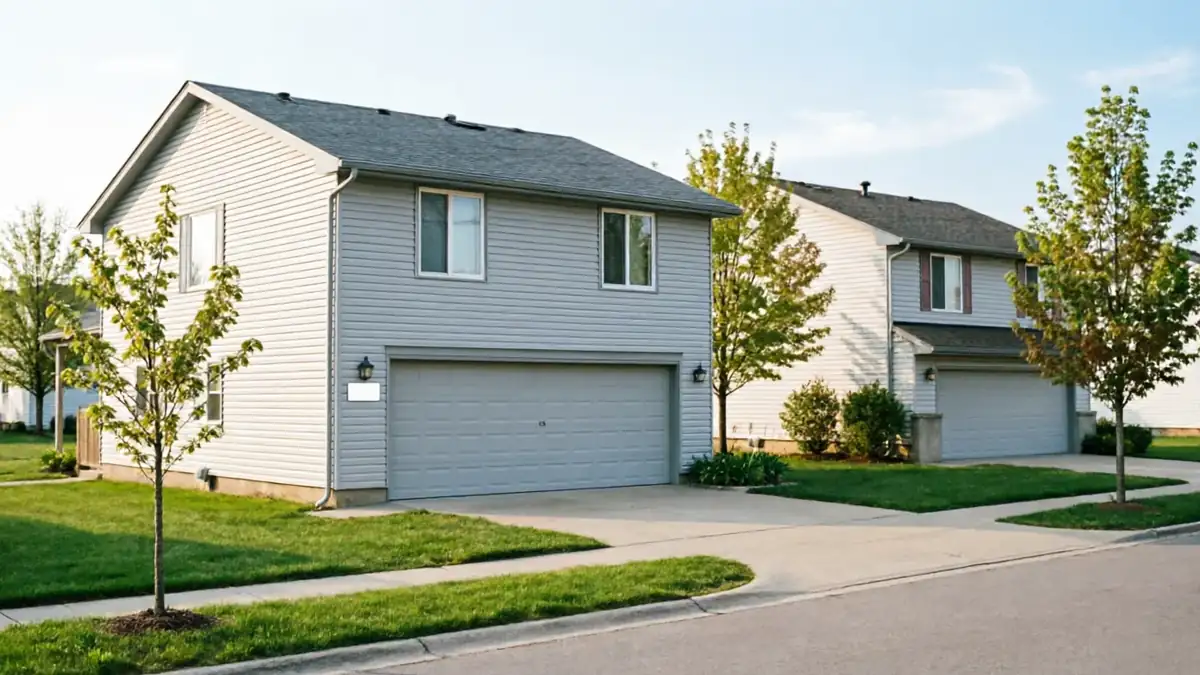
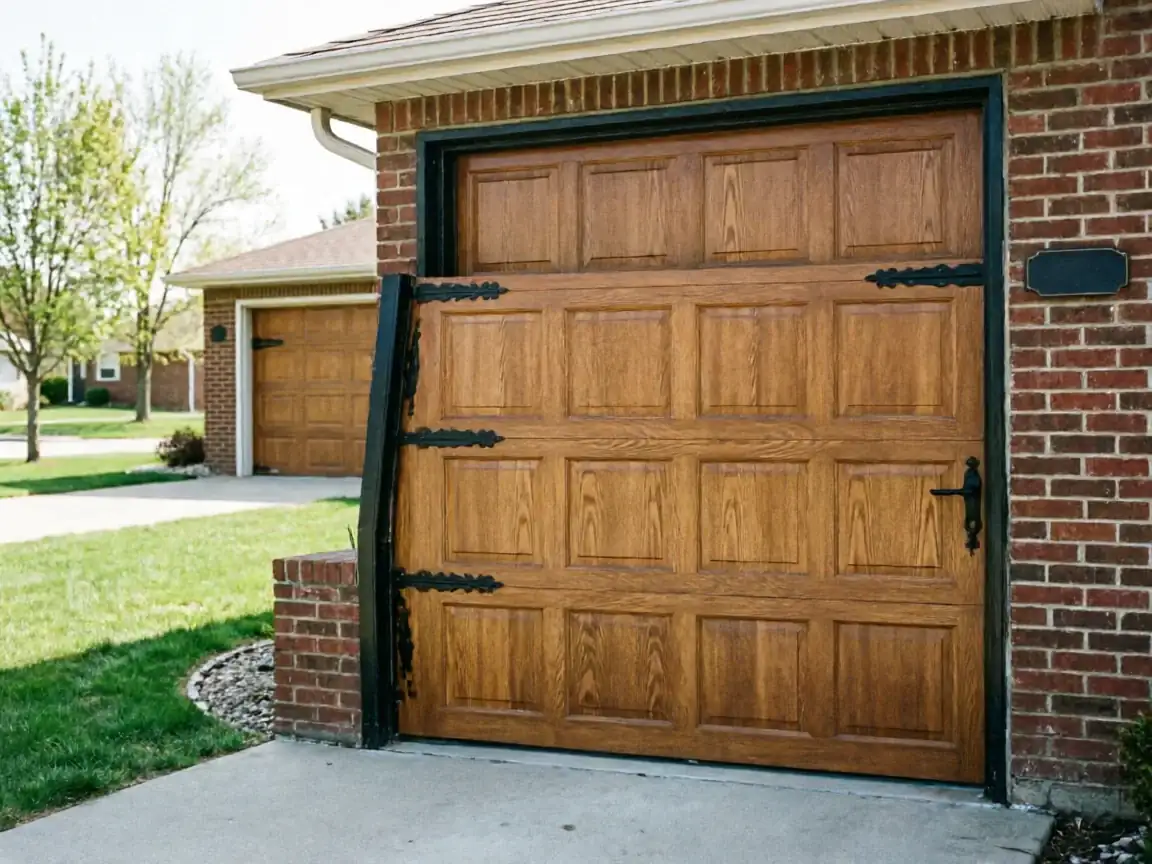
We also get more calls here about insulated steel doors losing their seal or a panel denting on a double-wide door, which tracks with a town where more garages hold two cars and a higher share of doors are full steel rather than older single-layer wood.
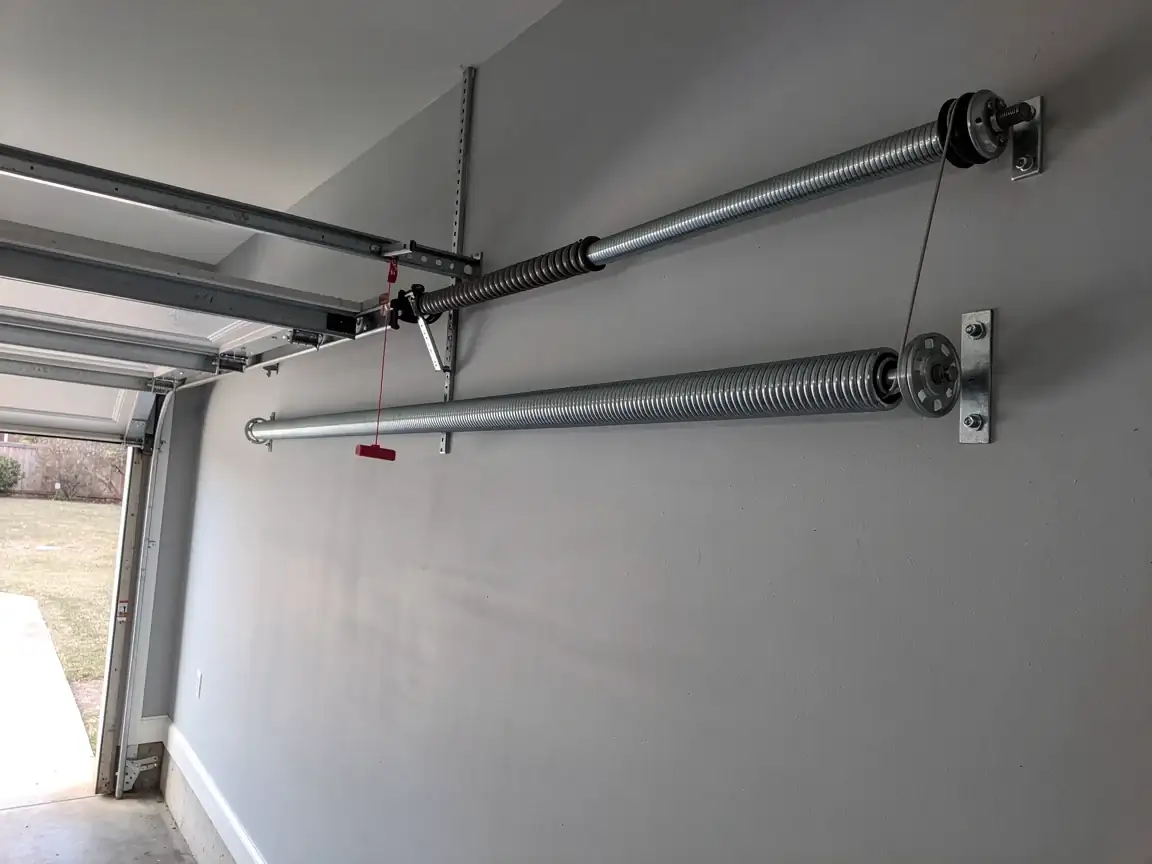
Torsion spring failure still happens - it happens everywhere a door opens and closes a few thousand times a year - but it shows up slightly later in a house's life here than on 1960s stock, simply because the springs themselves are younger. The honest limitation: we can tell you what's common, but we can't tell you what's on your garage until someone's looked at it. Era is a strong clue, not a diagnosis.
What That Means for Doors
If your Hinsdale house was built close to that 1979 median
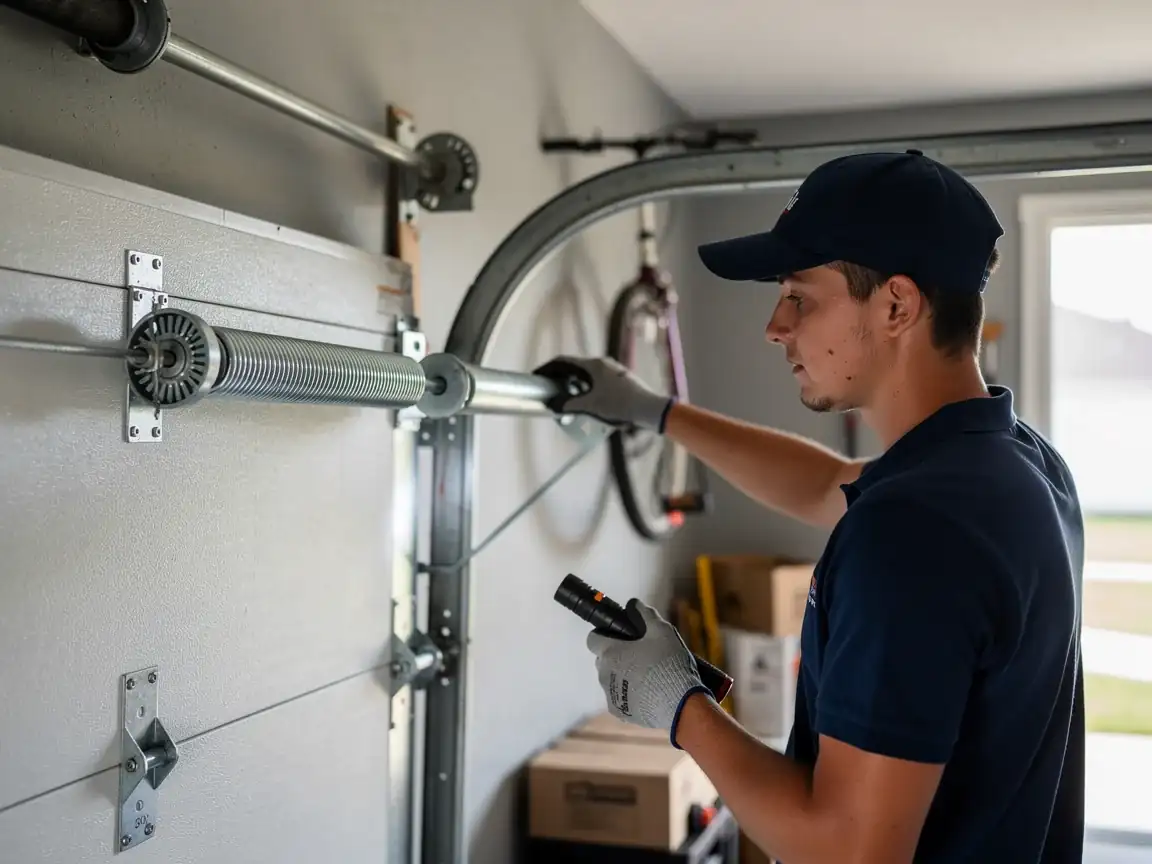
The door hardware underneath is probably one generation newer than what we pull parts for on older streets - meaning we're less likely to be chasing down a discontinued side-mounted torsion spring and more likely dealing with a standard-width extension or torsion system that still has parts on the shelf.
That's good news for repair cost, less good news if the fault turns out to be the opener's control board rather than the spring
Since boards on older-but-not-ancient openers can be pricier to source than the mechanical parts.
For a higher-income town like this one, we also see more owners choose full replacement over a patch repair once a door's opener or springs fail together
Not because the repair is impossible, but because the math on a newer insulated steel door often makes more sense than keeping a 1979 door limping along. We won't push that decision either way; it depends on what's actually wrong and what the door's worth to you.