What the Fix Involves
A broken spring job starts the same way every time
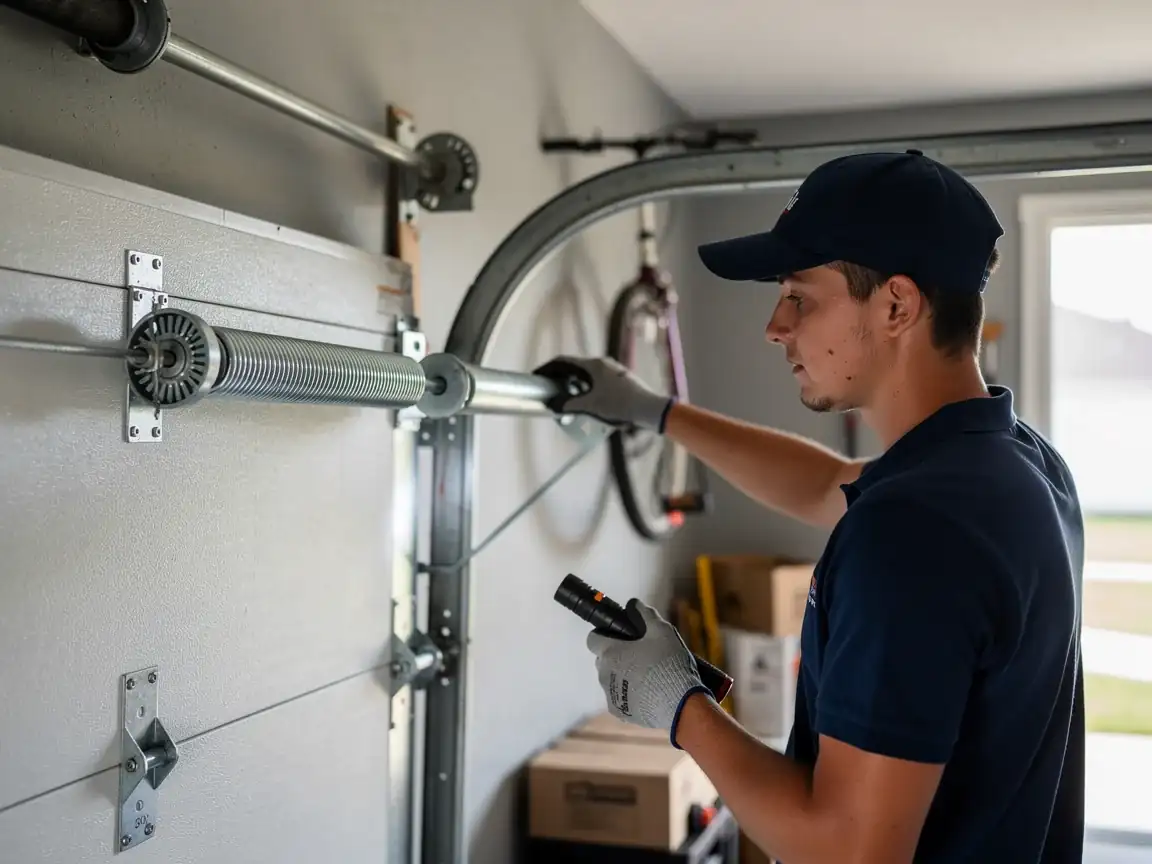
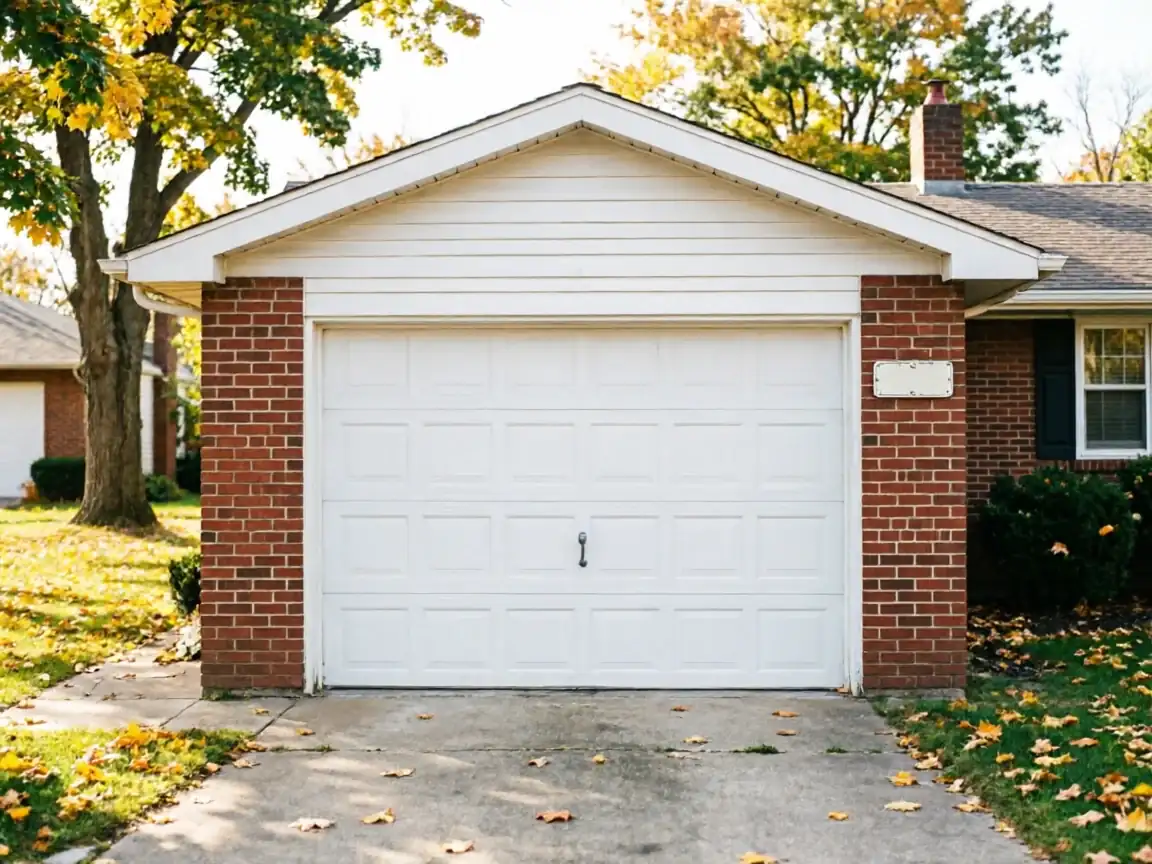
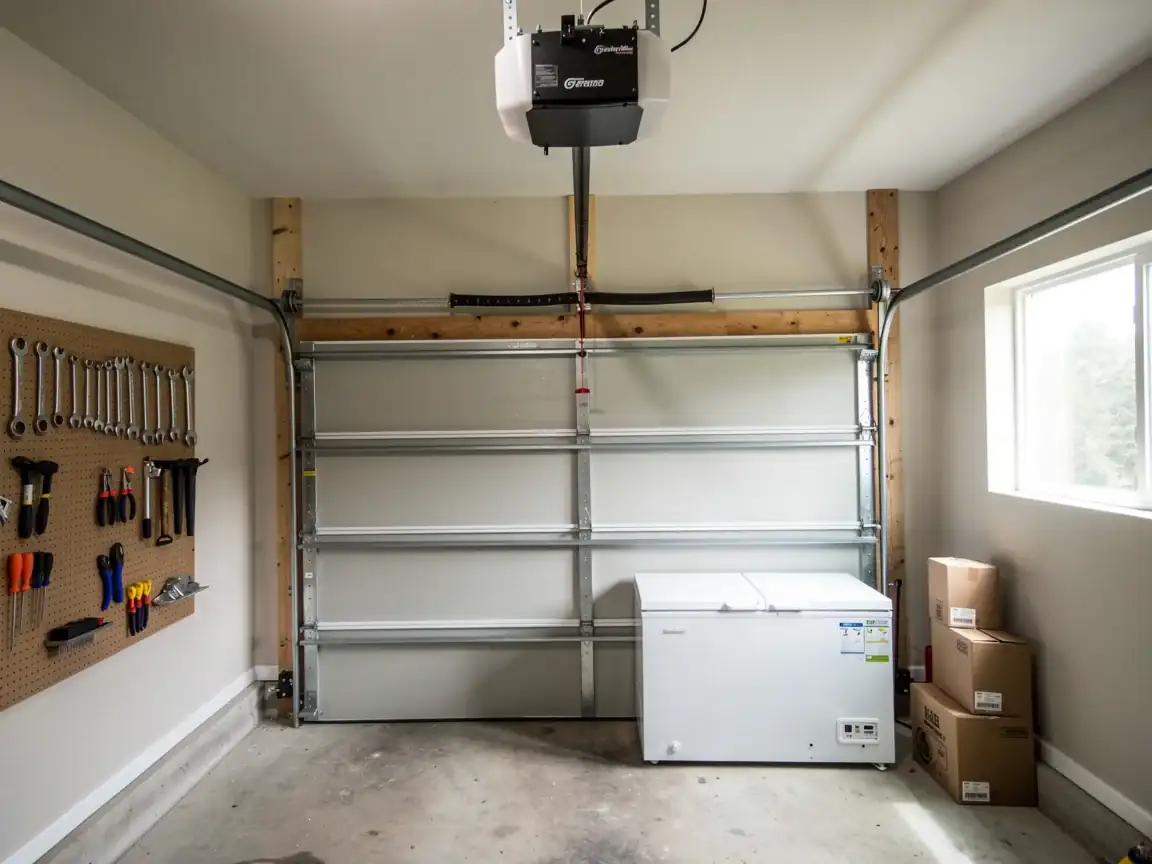
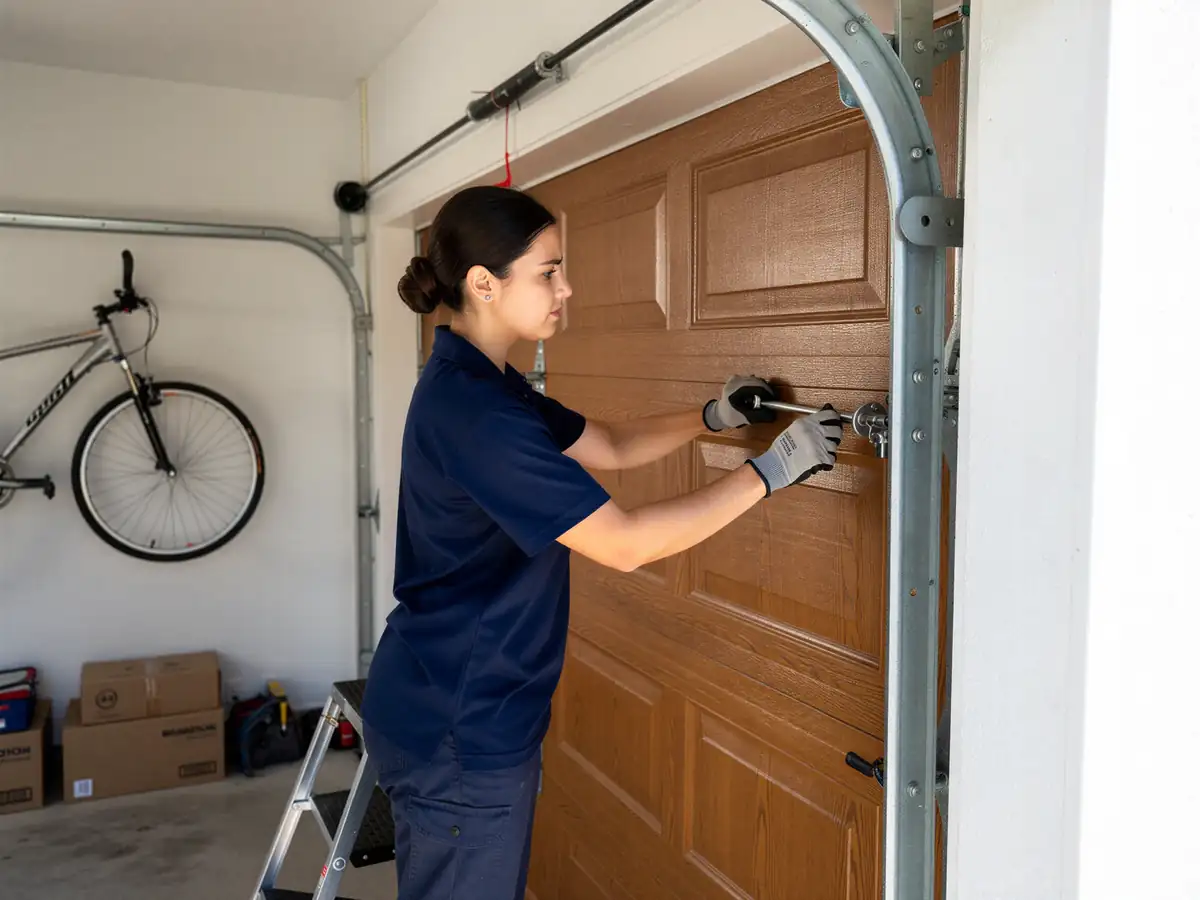
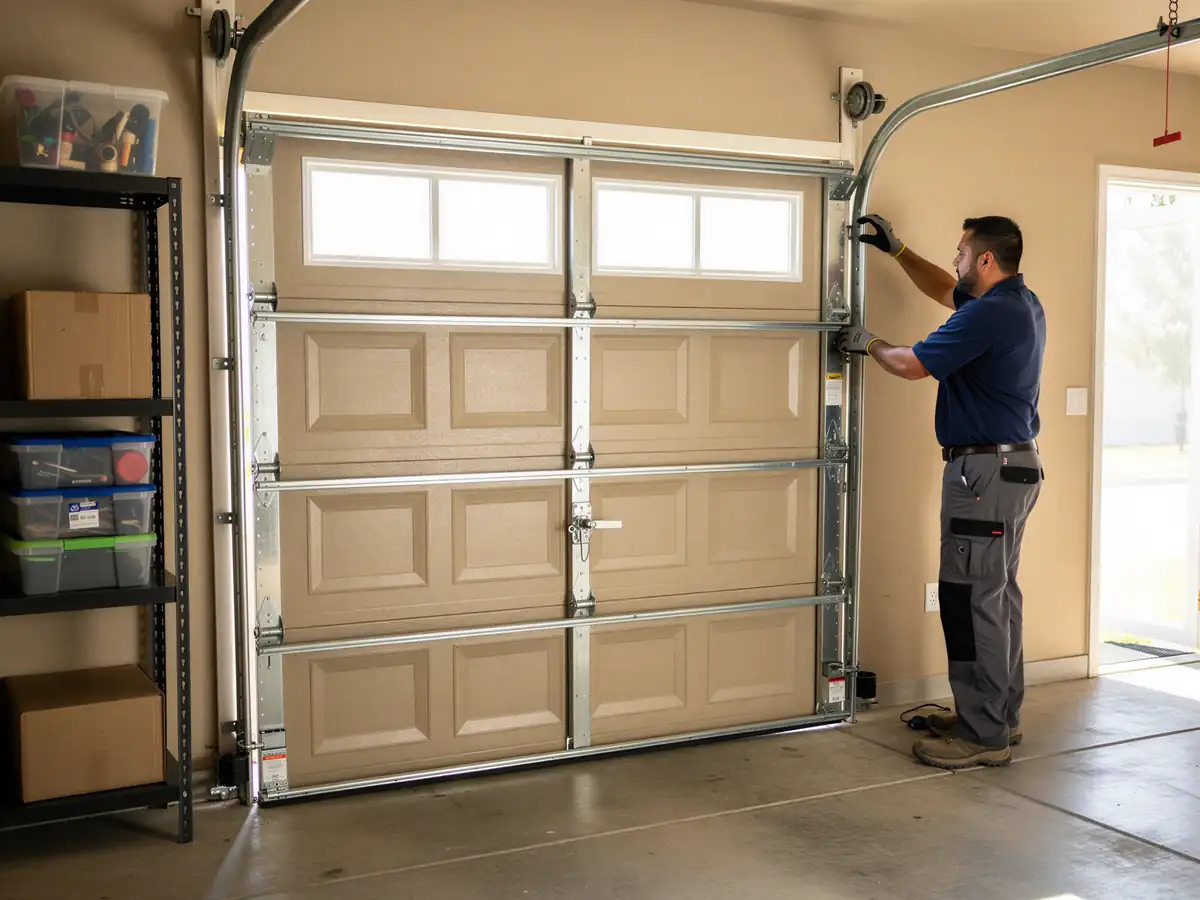
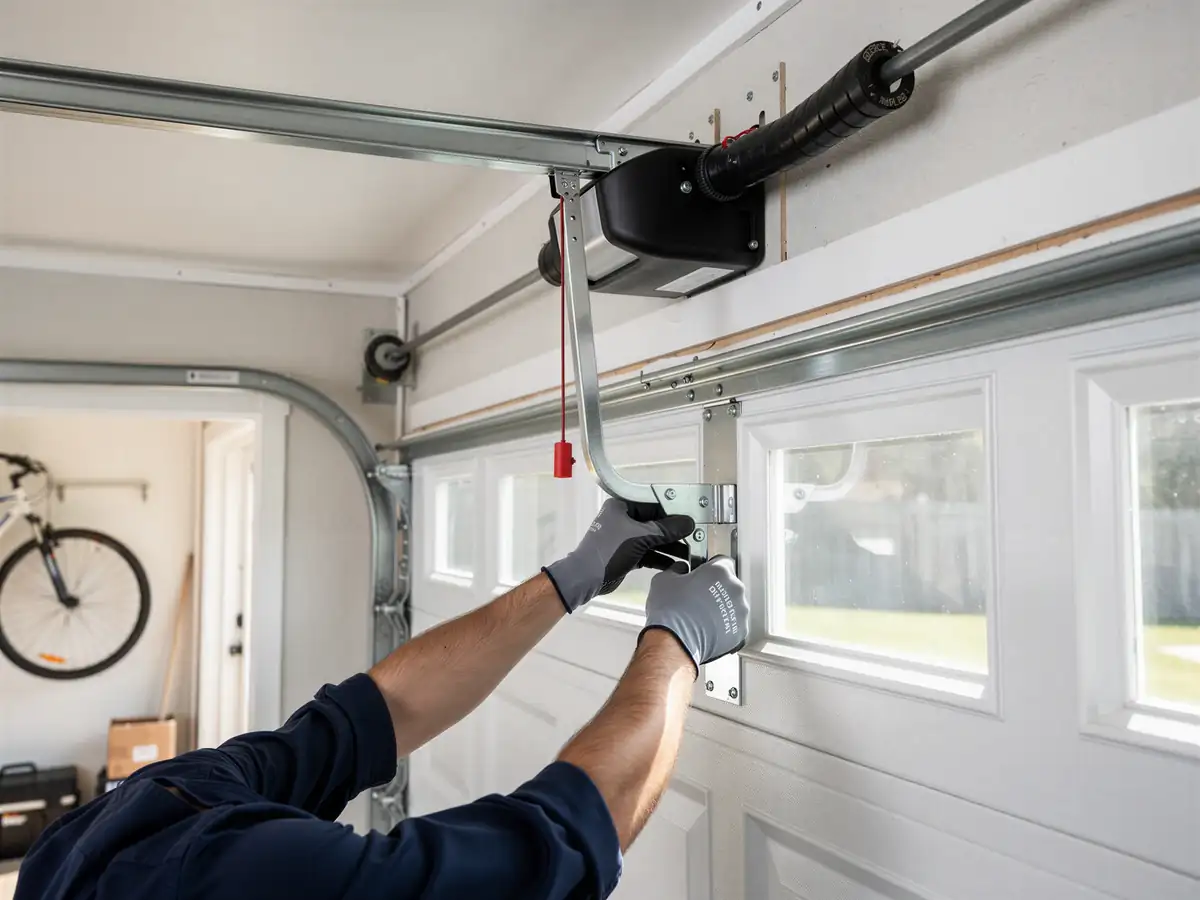
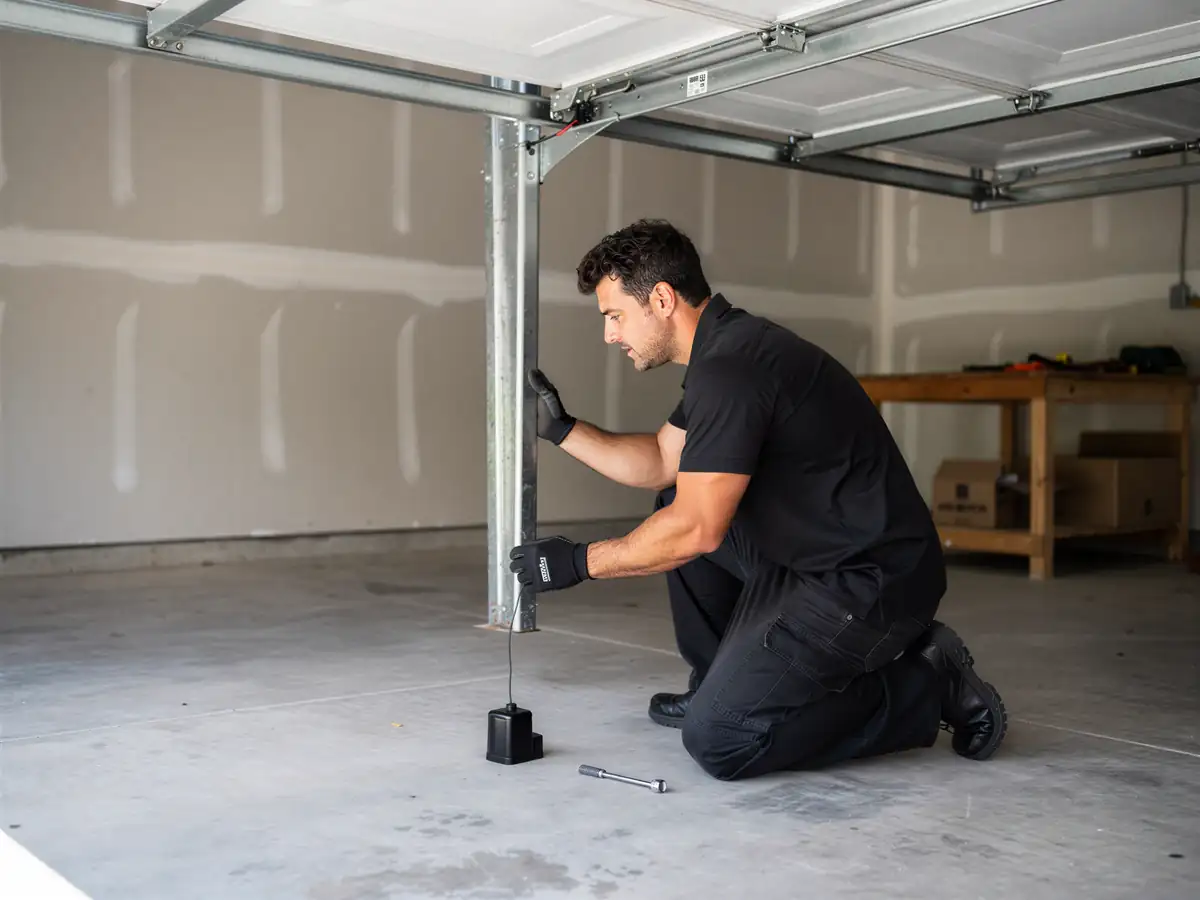
The door is pulled up on the counterbalance, the old spring is clamped off with winding bars, the shaft comes loose, and the new spring goes on under tension. What changes house to house is the hardware waiting under the bracket. Hinsdale's housing stock centers on 1979, which puts a lot of doors here past the era of side-mounted extension springs and into torsion-spring openers mounted on a center shaft above the door. That's a more balanced setup to work on, but it still needs the shaft pulled true and the cable drums seated right, or the door racks sideways on the track within a season.
We check both springs even when only one has broken
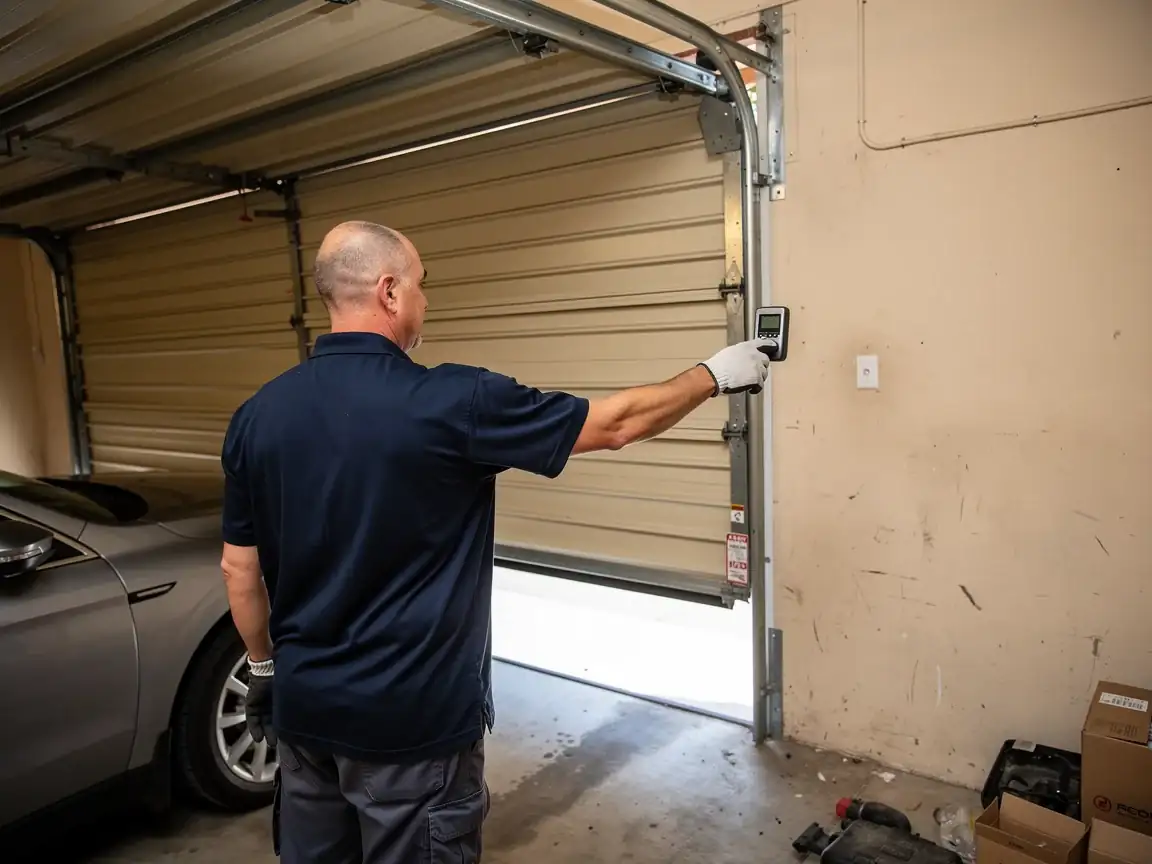
On a double torsion setup they wear at close to the same rate, so a tech who replaces one and leaves the other is setting up a second call. We also check the cable condition and the bottom brackets, since a spring failure under load sometimes nicks a cable on the way down. None of that changes because of the address - it's just what a torsion door built in this window actually needs.
How Long It Takes
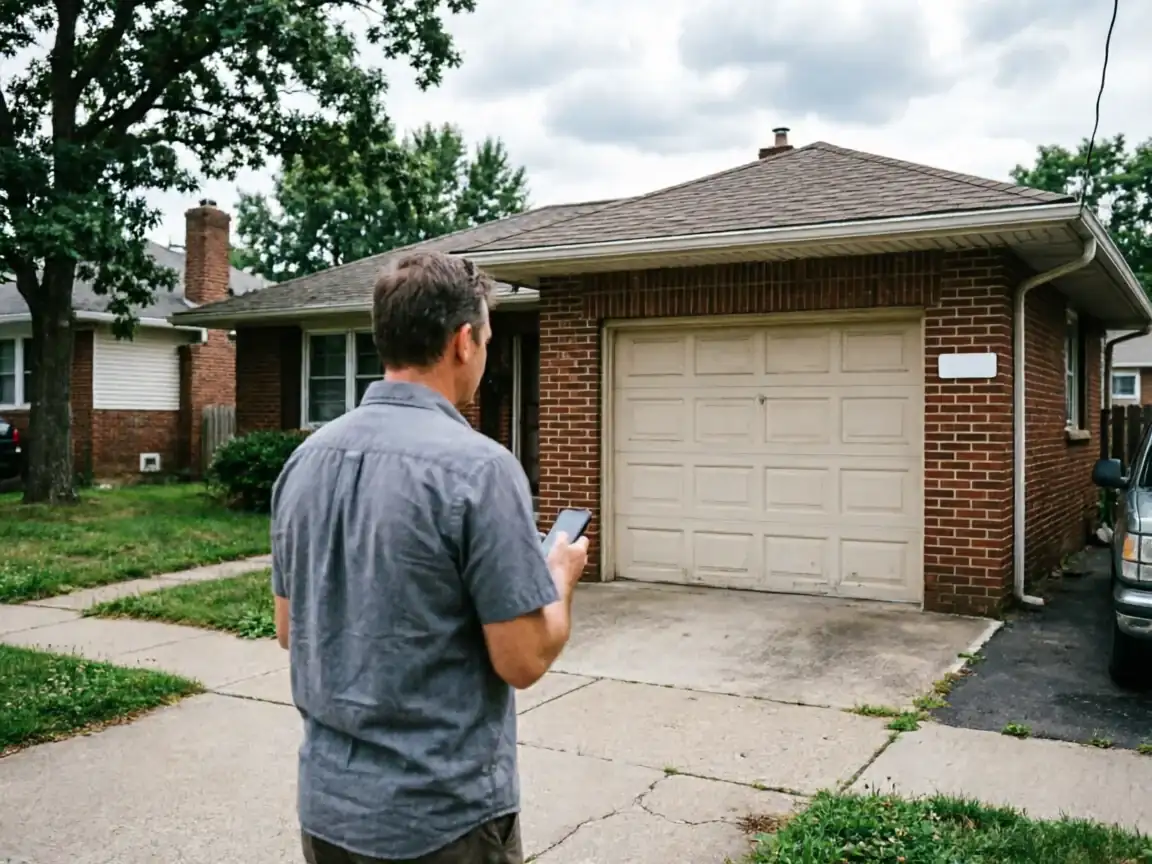
The drive from Orland Park out to Hinsdale runs about 14 miles, and that distance is the first thing that shapes how a call here actually works. We're not dispatching from a branch around the corner - a tech loads the truck with the spring sizes a 1979-era torsion door typically takes, and makes the run. Once on site, the spring swap itself usually runs under two hours for a standard double-door torsion setup; the 14 miles add to the schedule, not to the job.
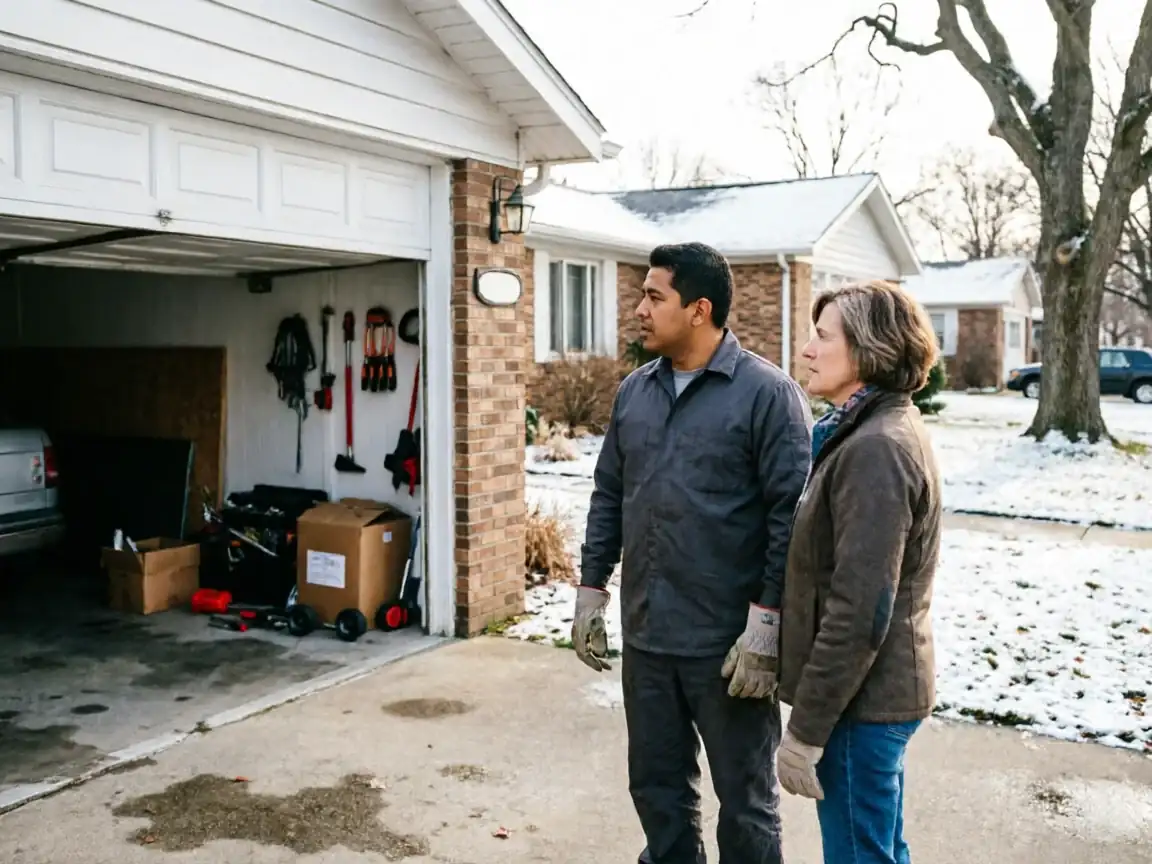
What that means practically: same-day calls need to be set up early enough in the day for the drive to fit, and an afternoon call placed late may land the next morning instead. We'd rather tell you that up front than promise a window we can't hit from 14 miles out.
Stocked Parts
The truck carries torsion springs sized for the wire diameter and wind that cover most doors built in the 1960s through 1980s range, which lines up with Hinsdale's median build year of 1979. That covers the common single and double-door torsion setups without a special order.
What we don't carry on the truck: springs for older side-mounted extension systems, which show up on a smaller share of homes here, and odd-length torsion shafts from custom doors. If your door falls into either category, the first visit is a diagnosis and measurement, and the part gets ordered rather than installed same-visit. That's the one honest limit worth stating up front - we'd rather say it now than have a tech show up without the right spring.
The Symptom
The usual sign is a door that won't lift, or lifts a few inches and stops
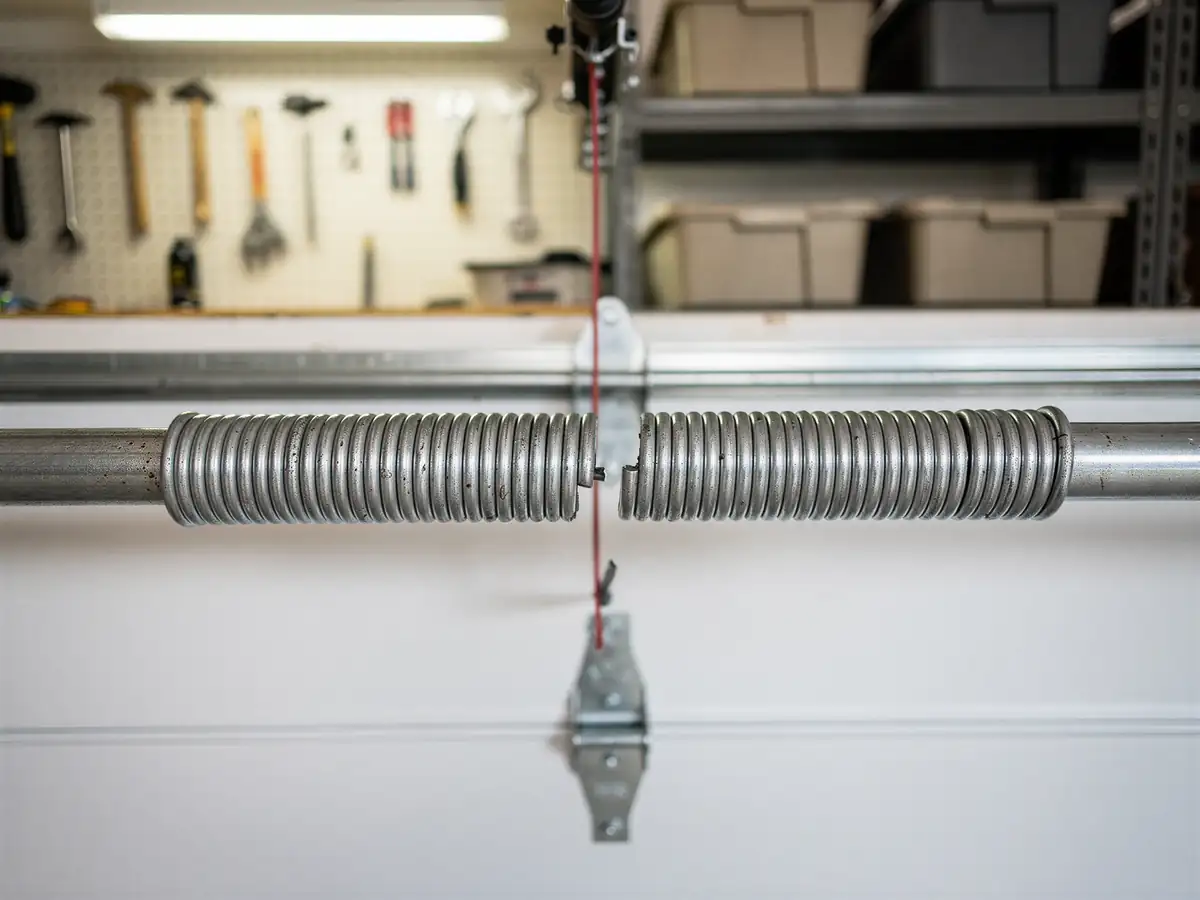
With a loud bang from the garage right before it happened. That bang is the spring letting go under tension, not the opener motor failing - though a lot of owners call it in as an opener problem first. On a torsion setup, you'll often see one side of the door hang slightly lower than the other, or the door tilts as it opens partway.
A second, quieter symptom
The opener strains and reverses the door instead of completing the cycle. That's the opener doing its job - it's sensing resistance from a spring that's no longer carrying its share of the door's weight, and it shouldn't be run through repeated cycles like that. Either symptom means stop using the opener and call it in rather than forcing the door by hand, which is where fingers get caught.
Can You Do This Yourself
No, and this is the section where we're blunt about it. A wound torsion spring holds enough stored force to break bones or worse if the winding bars slip, and the tools to do it safely - the right bar length, a vise grip on the shaft, a ladder rated for the reach - aren't things most garages have on hand. This isn't a caulk-gun repair.
What you can safely check yourself: whether the door is a torsion setup (spring on a shaft above the door) or extension (springs along the horizontal tracks on either side), since that affects what gets ordered. You can also look at whether one side of the door sits lower than the other with the opener disconnected, which tells you if one spring or both failed. Past that, leave the winding to someone doing it daily.