Why It Happens Here
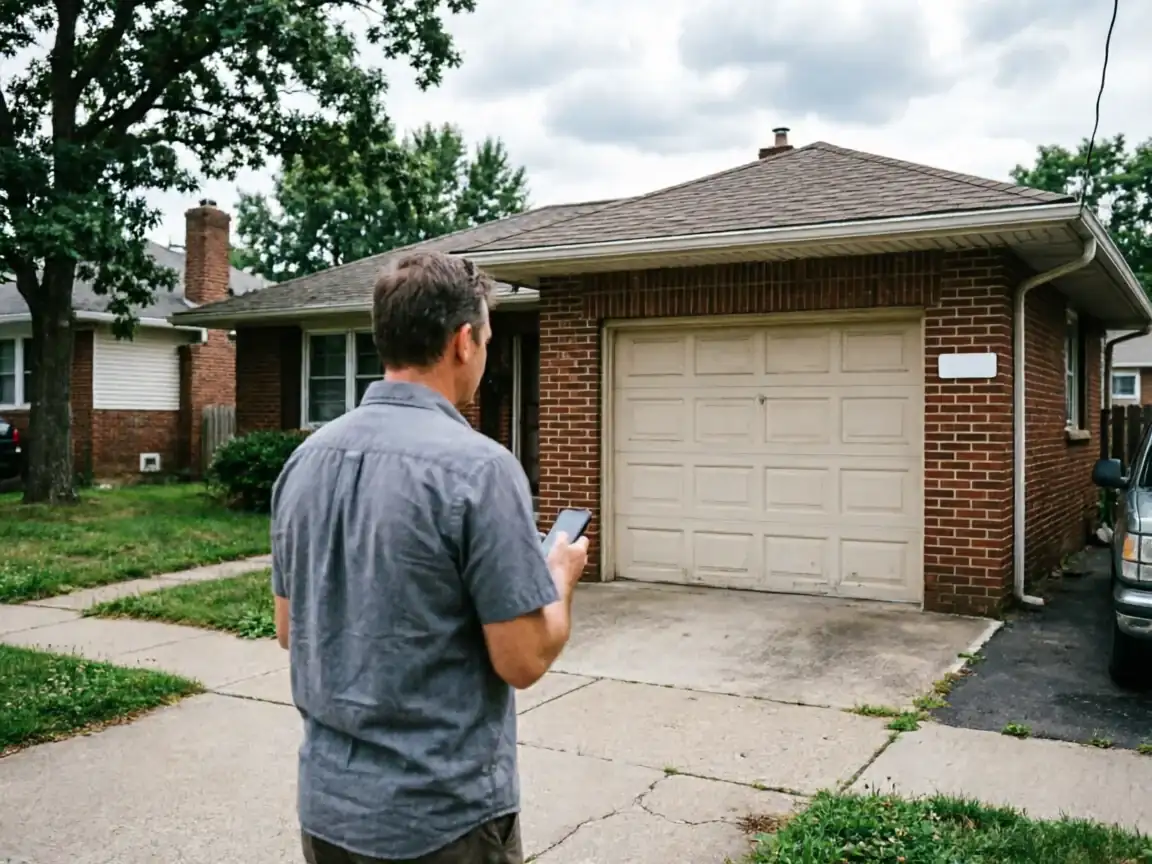
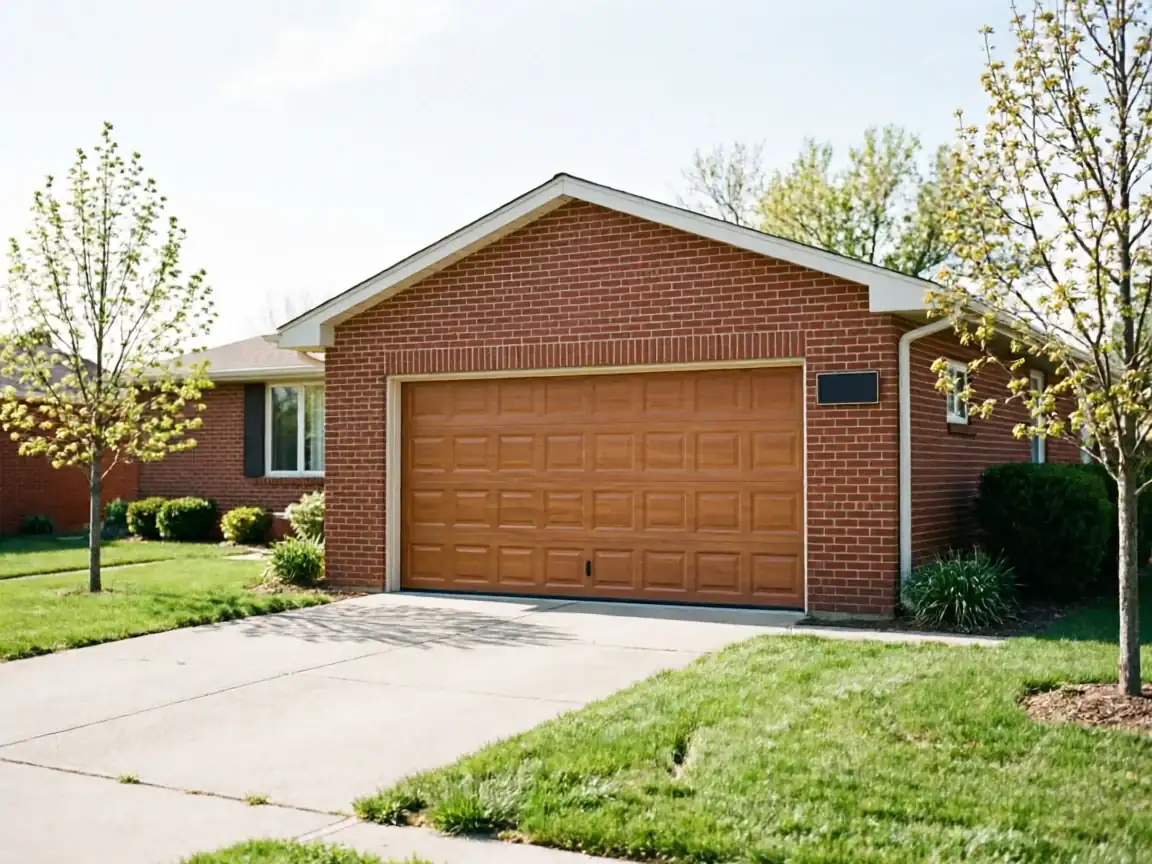
Most of the housing stock in this part of the service area went up between 1938 and 2004
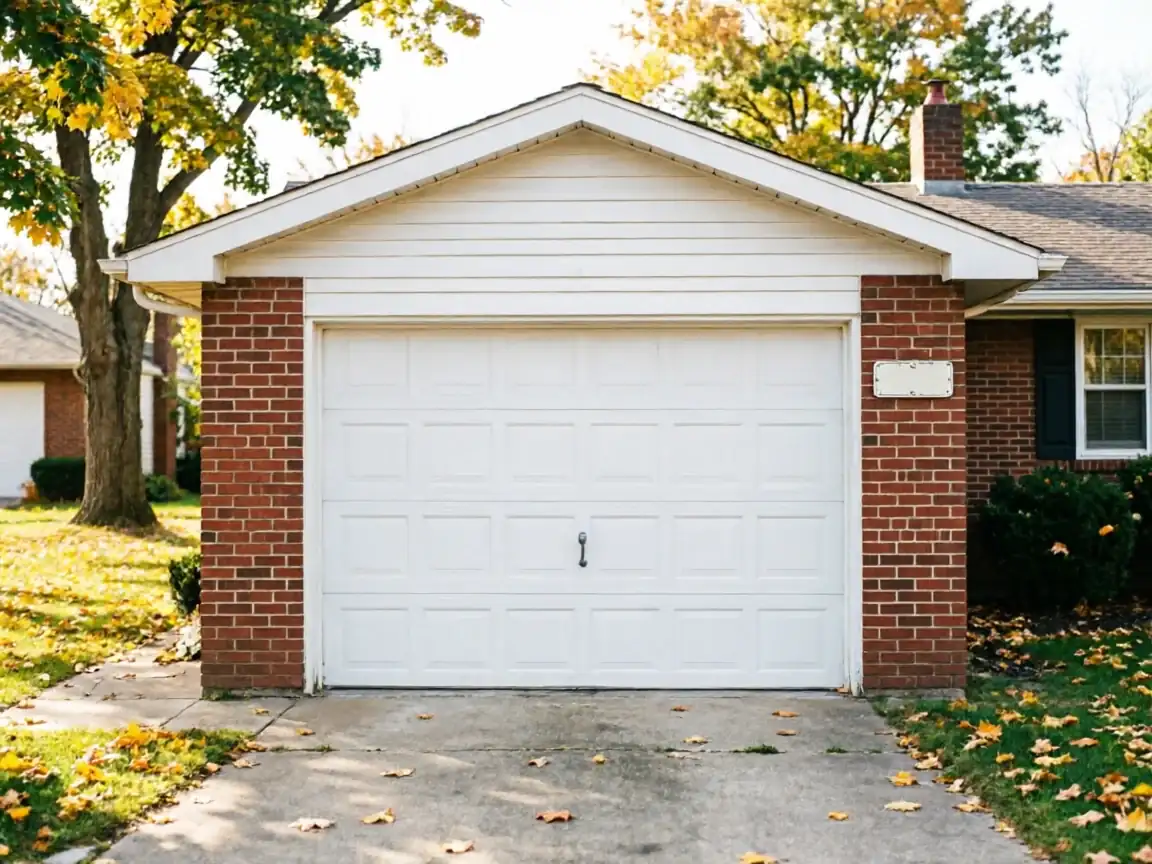
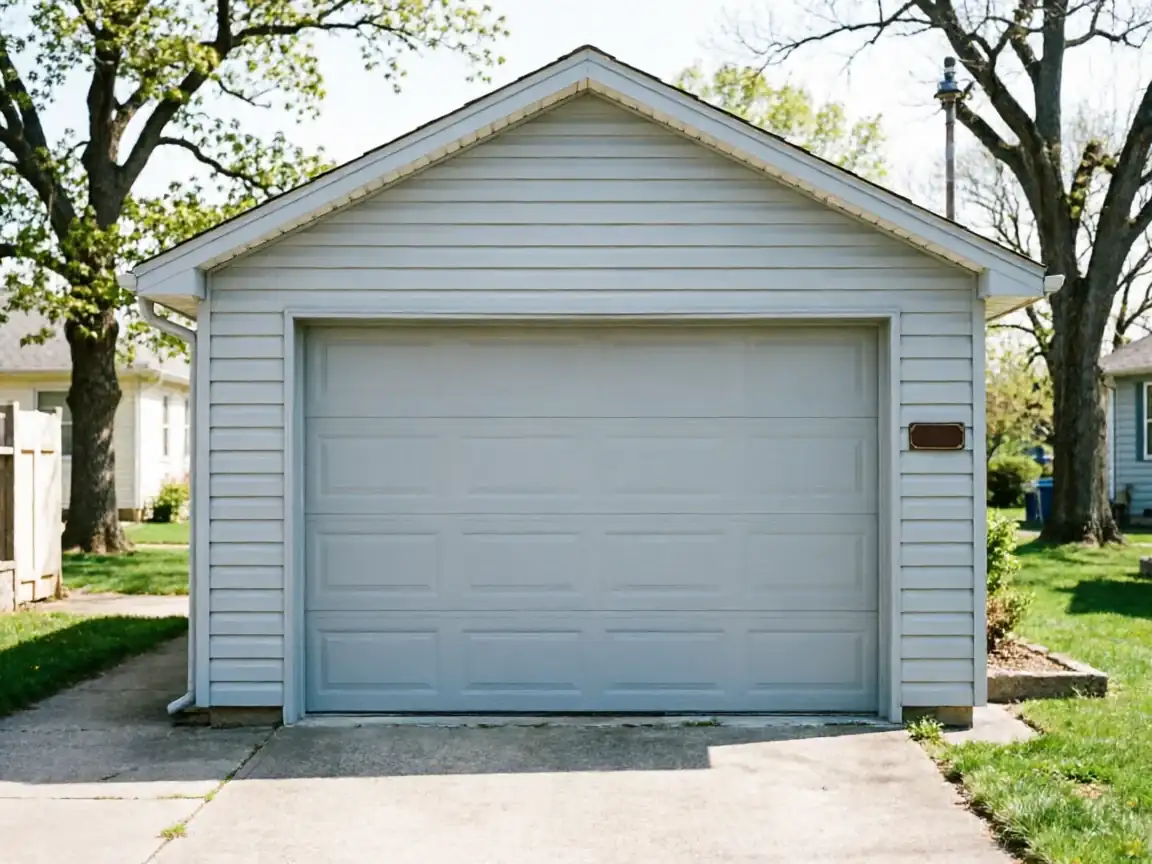
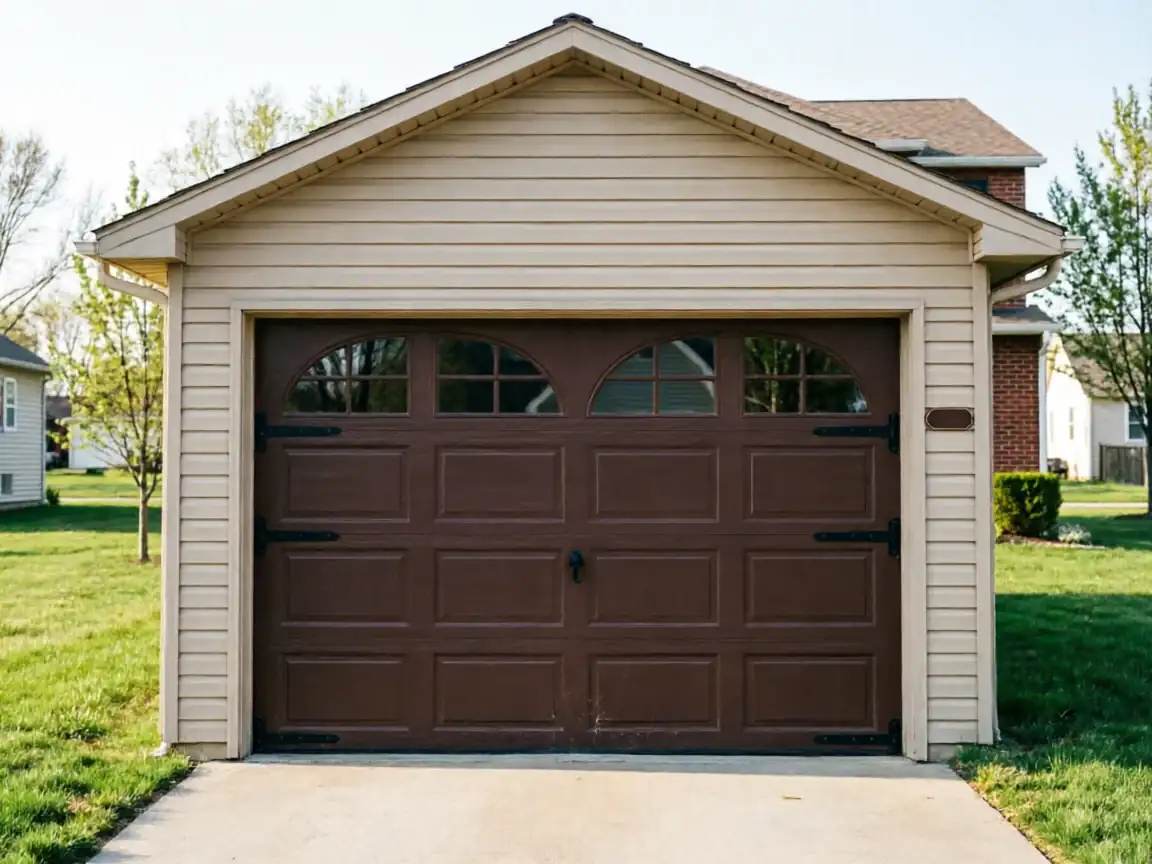
With the bulk of it dating to the 1960s and 70s. That matters for maintenance because a door and opener installed when a house was built, or replaced once since, is now old enough that lubrication, hardware wear, and spring fatigue are catching up with it at the same time across whole blocks. A torsion spring rated for a set number of cycles doesn't care how old the house is, but houses from that era tend to share the same spring sizing and track hardware, so when one starts to go, neighbors on the same street often aren't far behind.
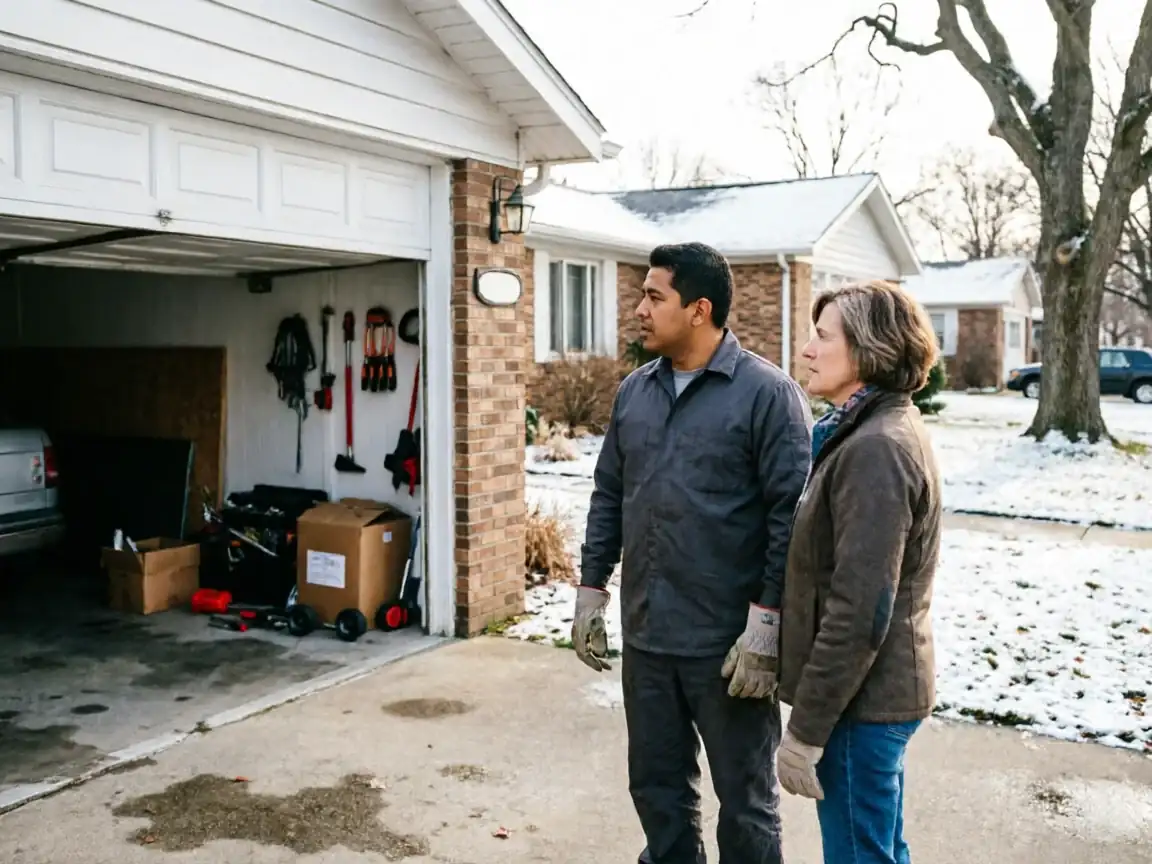
Add the climate band here
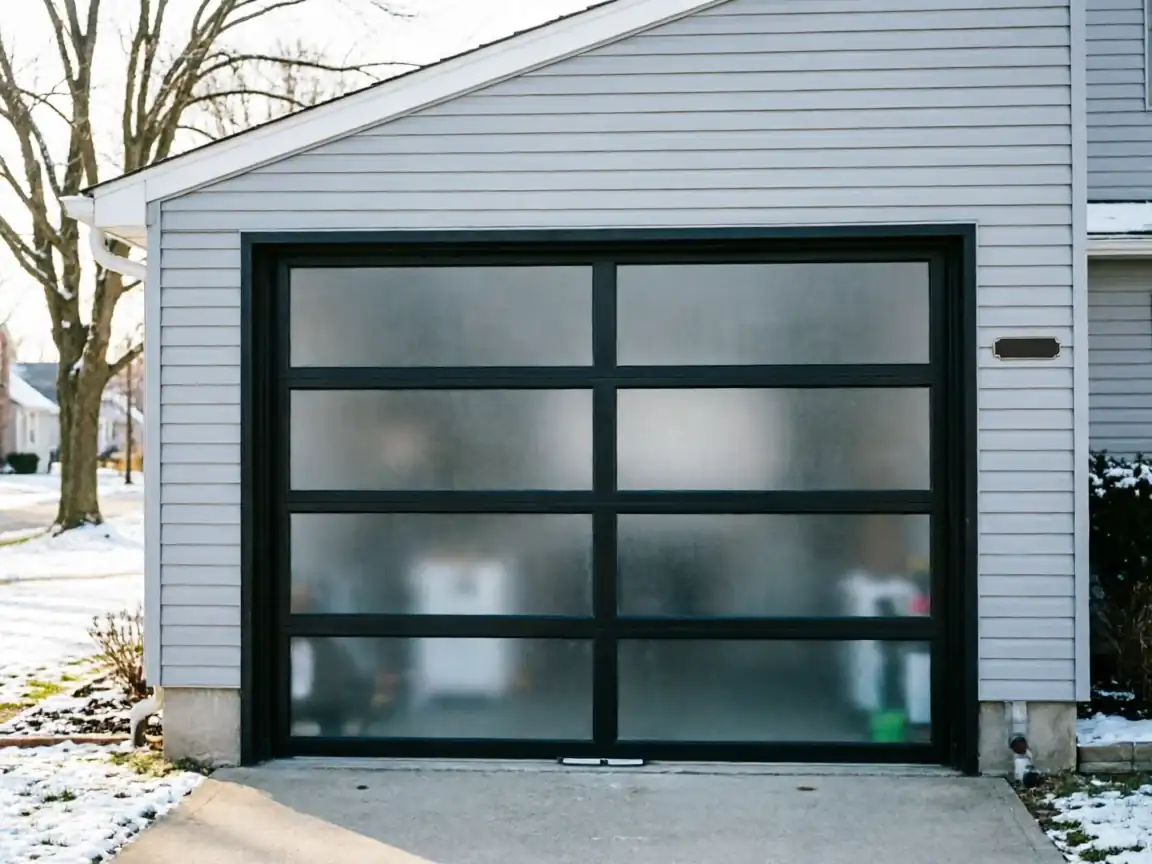
Which runs cold with real seasonal swings, and steel hardware does what steel does: it contracts in the cold, grease stiffens, and rollers that were fine in August start binding in January. None of this is dramatic. It shows up as a door that's a little louder, a little slower, or a little harder to lift by hand than it was last spring. That gradual change is the maintenance window. Once it turns into a snapped cable or a seized opener, you're past maintenance and into a repair call.
How Long It Takes
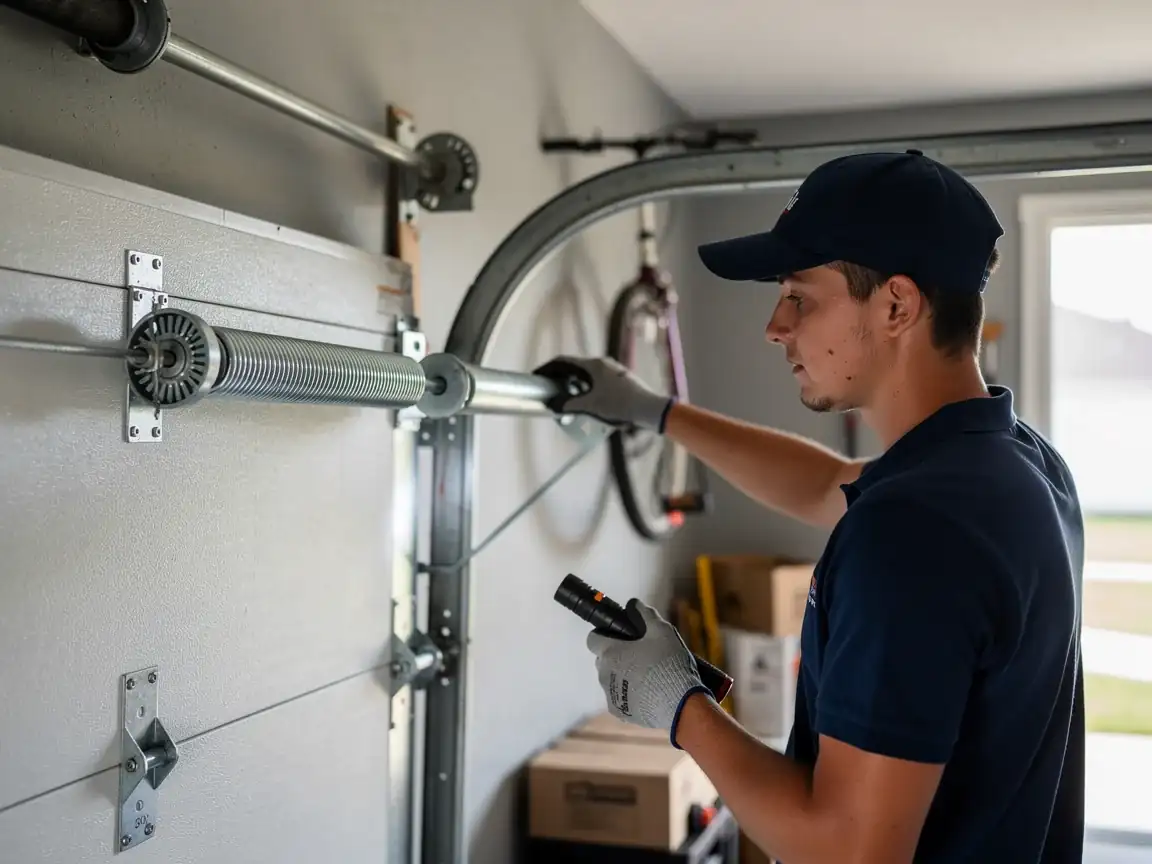
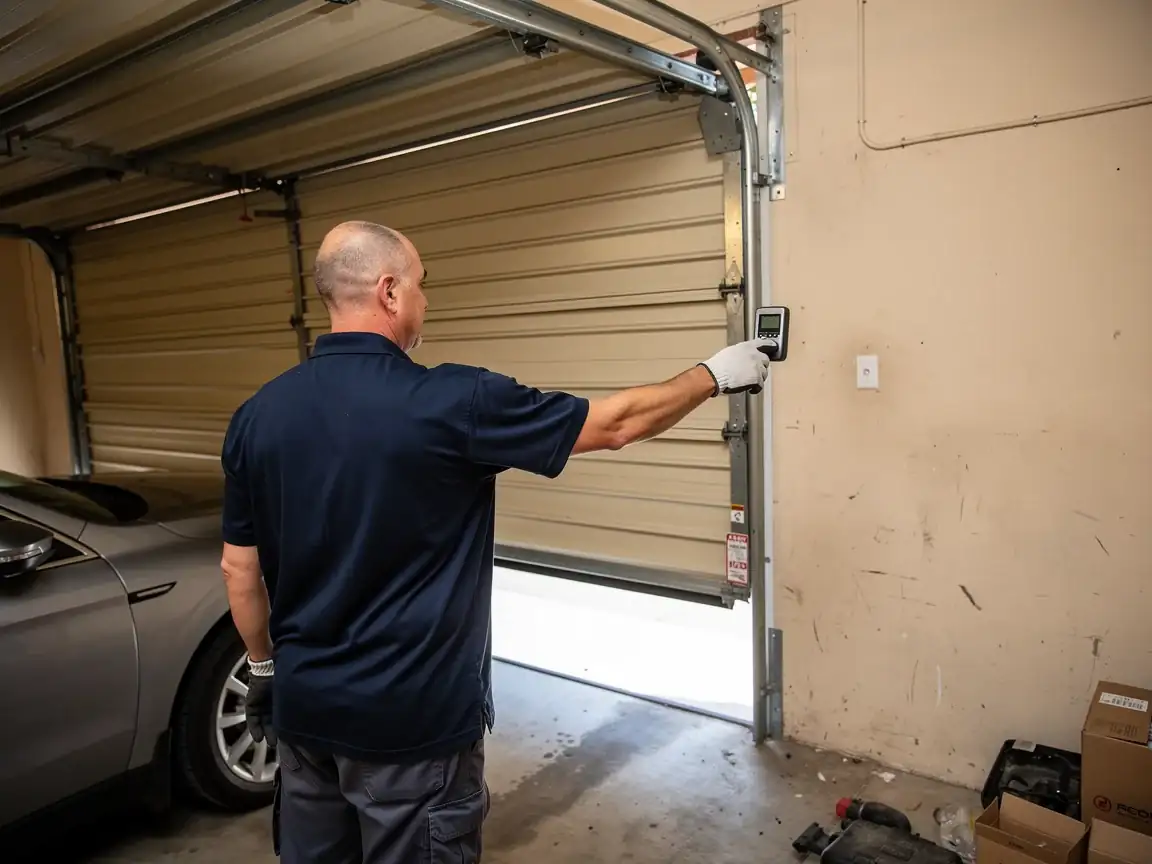
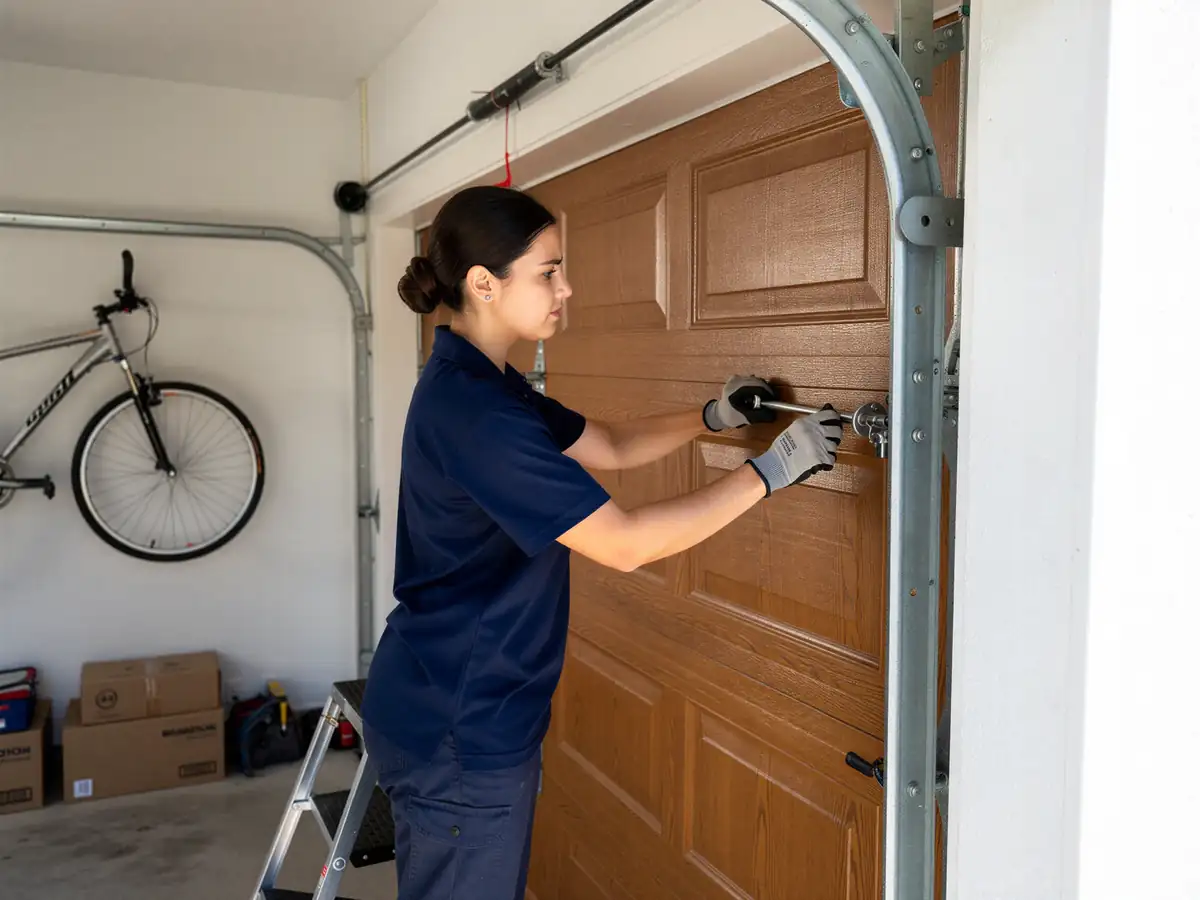
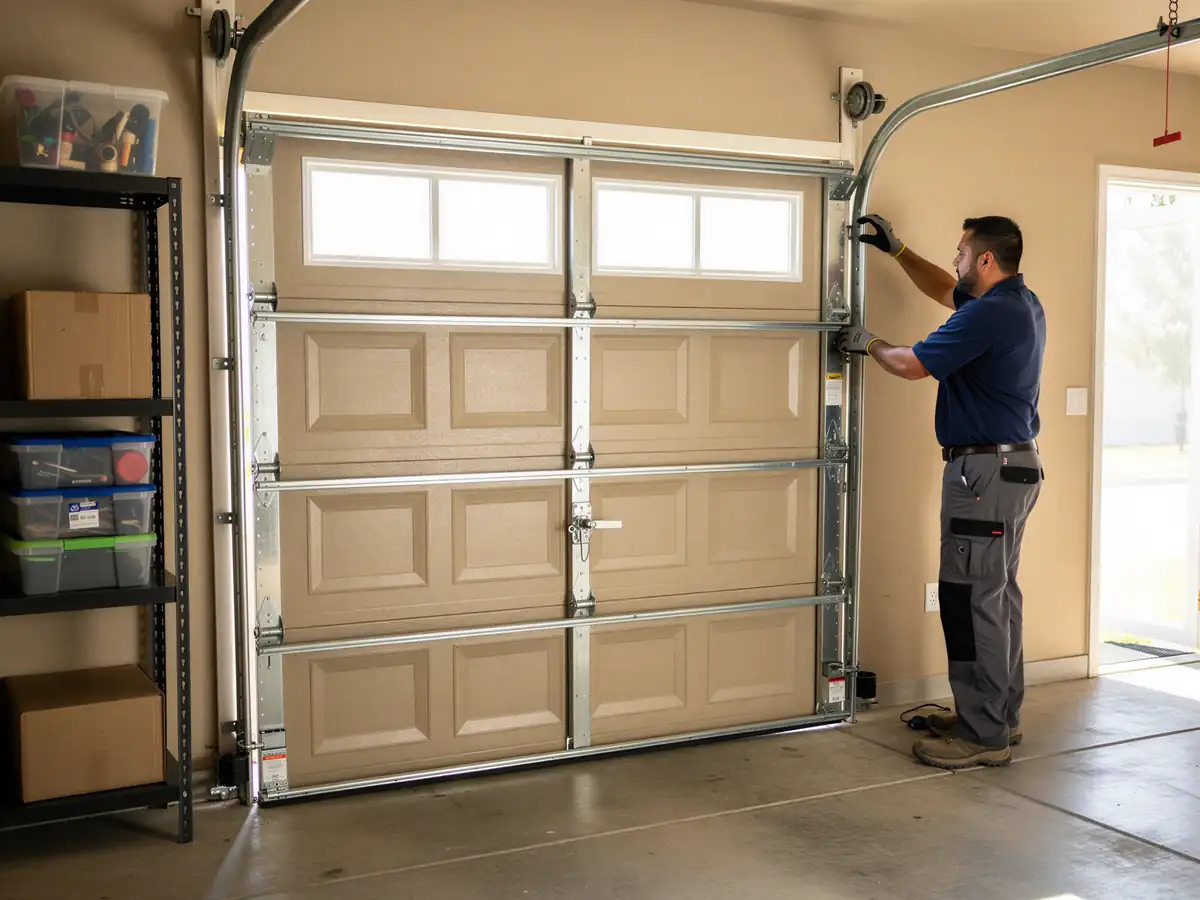
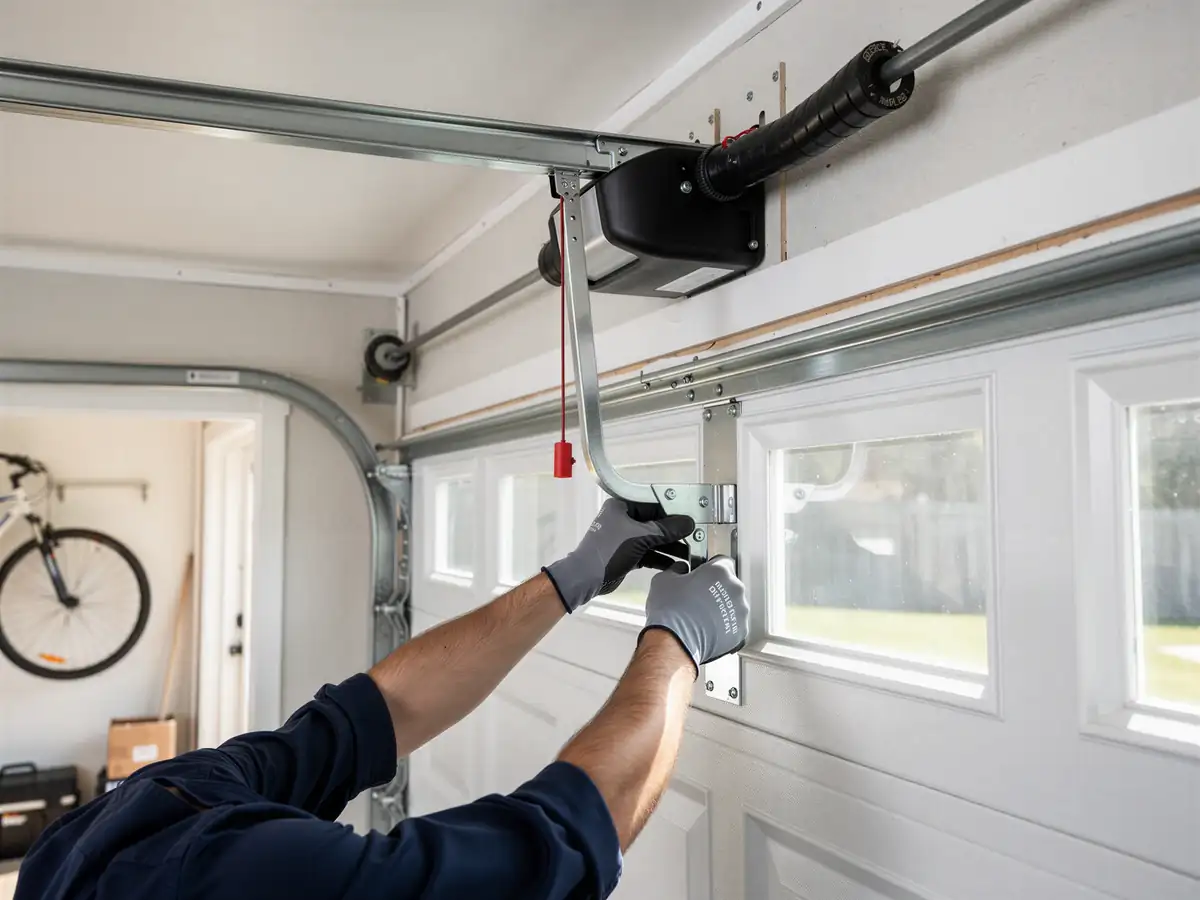
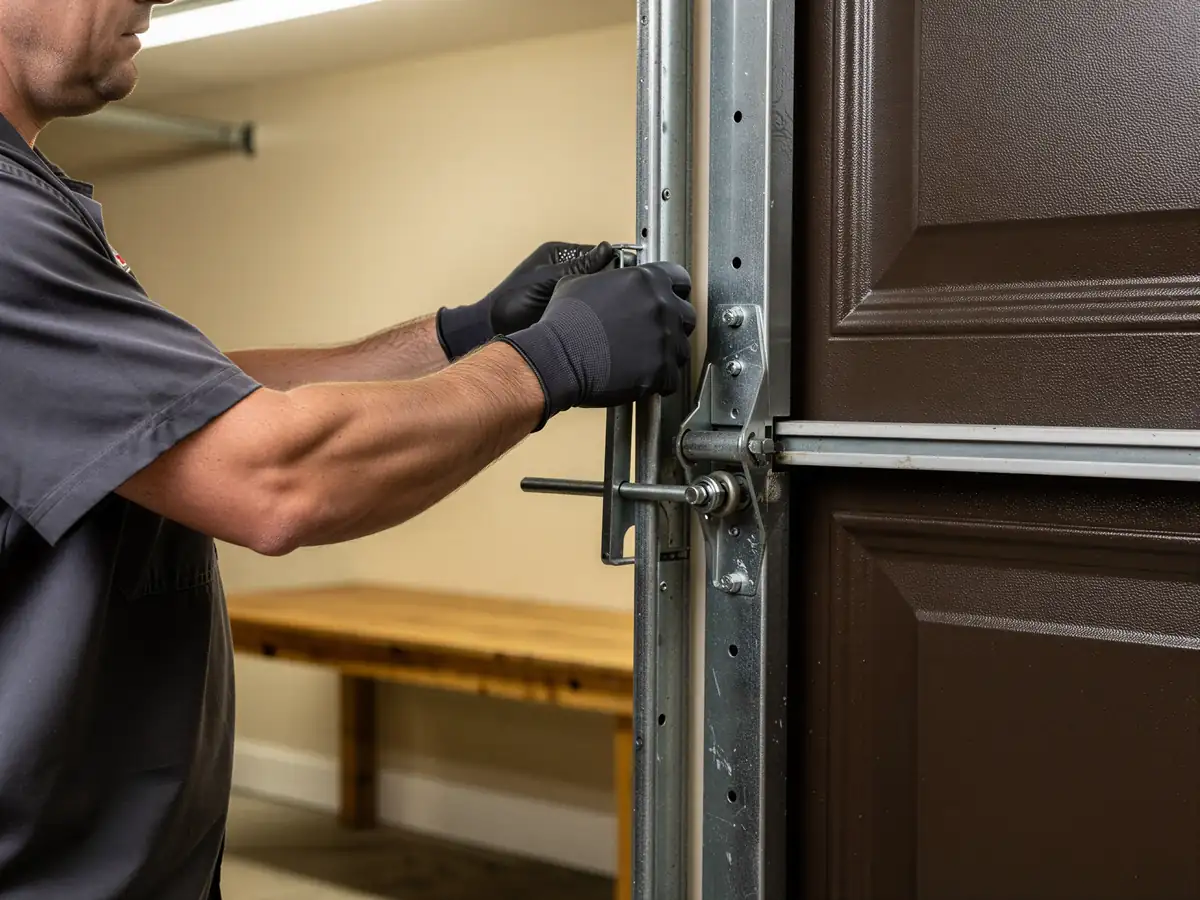
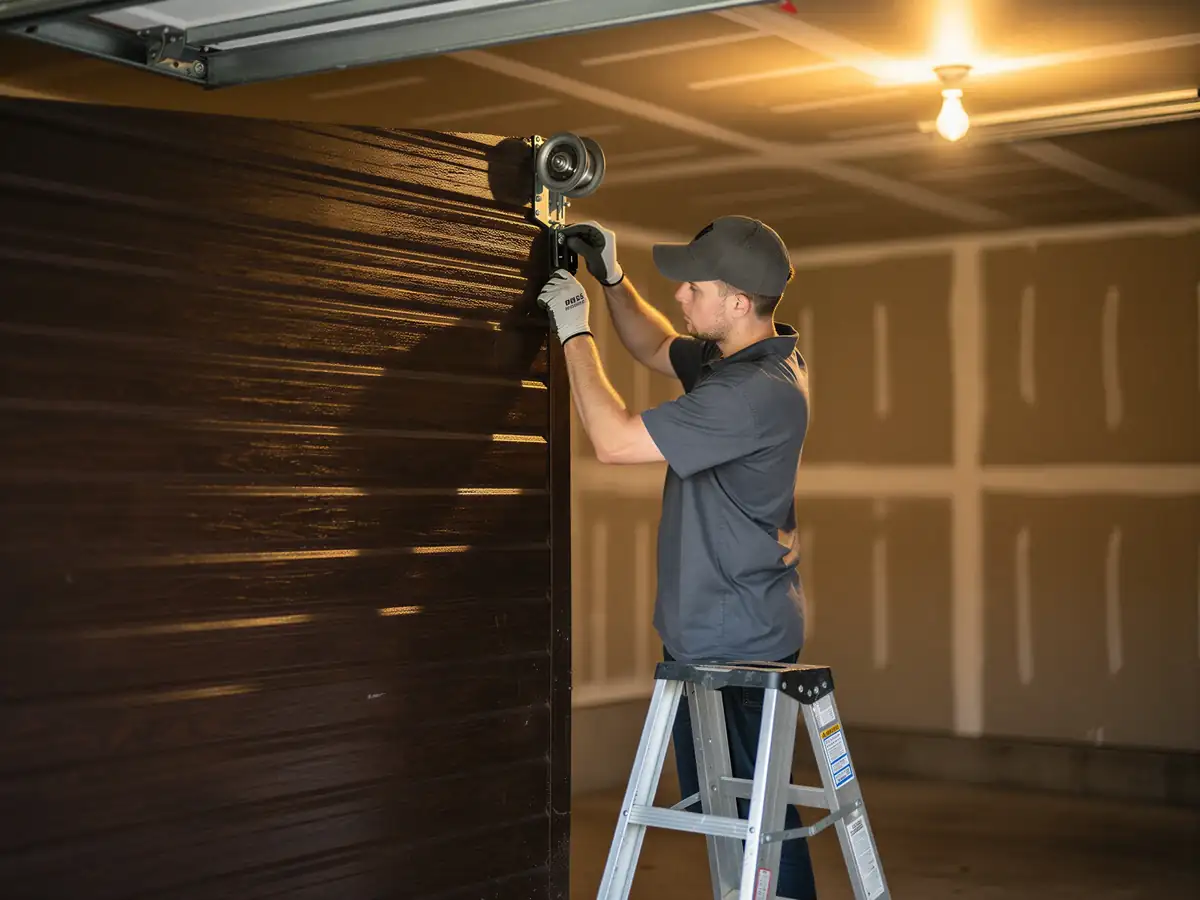
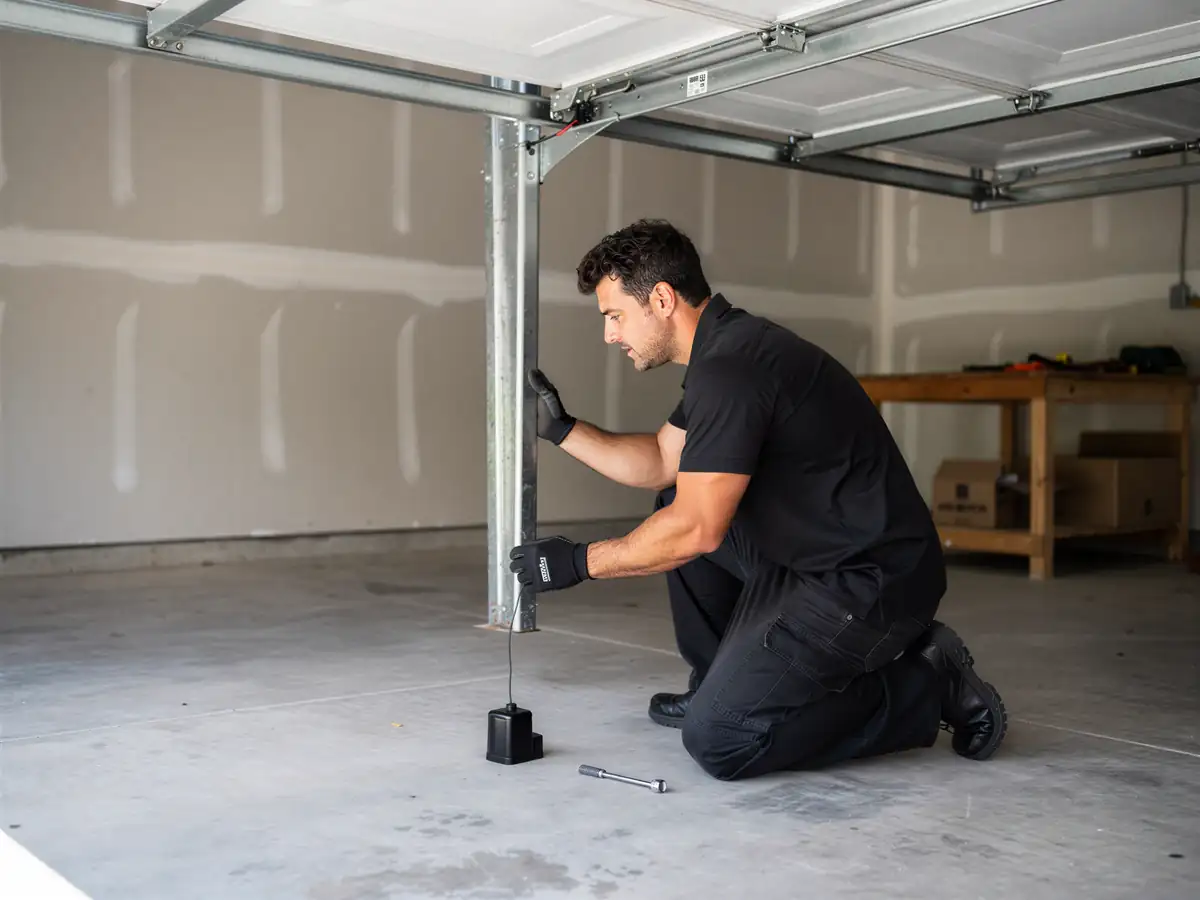
A standard maintenance visit covers the whole moving system: springs, cables, rollers, hinges, track alignment, opener force and travel settings, and the weatherseal at the bottom of the door. On a typical single or double door in a home from the 1960s-70s era common across this area, that's a focused job, not an all-day project. The time goes into checking spring tension and balance, lubricating the track and hinges, tightening hardware that's worked loose, and testing the auto-reverse safety feature on the opener.
We don't have a posted price or a fixed minute count to give you here, and jobs vary with door size, how long it's been since the last service, and whether anything found during the check needs more than lubrication. What we can tell you is that a maintenance visit is built around inspection and adjustment, not replacement parts, so it runs shorter than a repair call where a spring or cable actually has to come off and go back on.
The Symptom
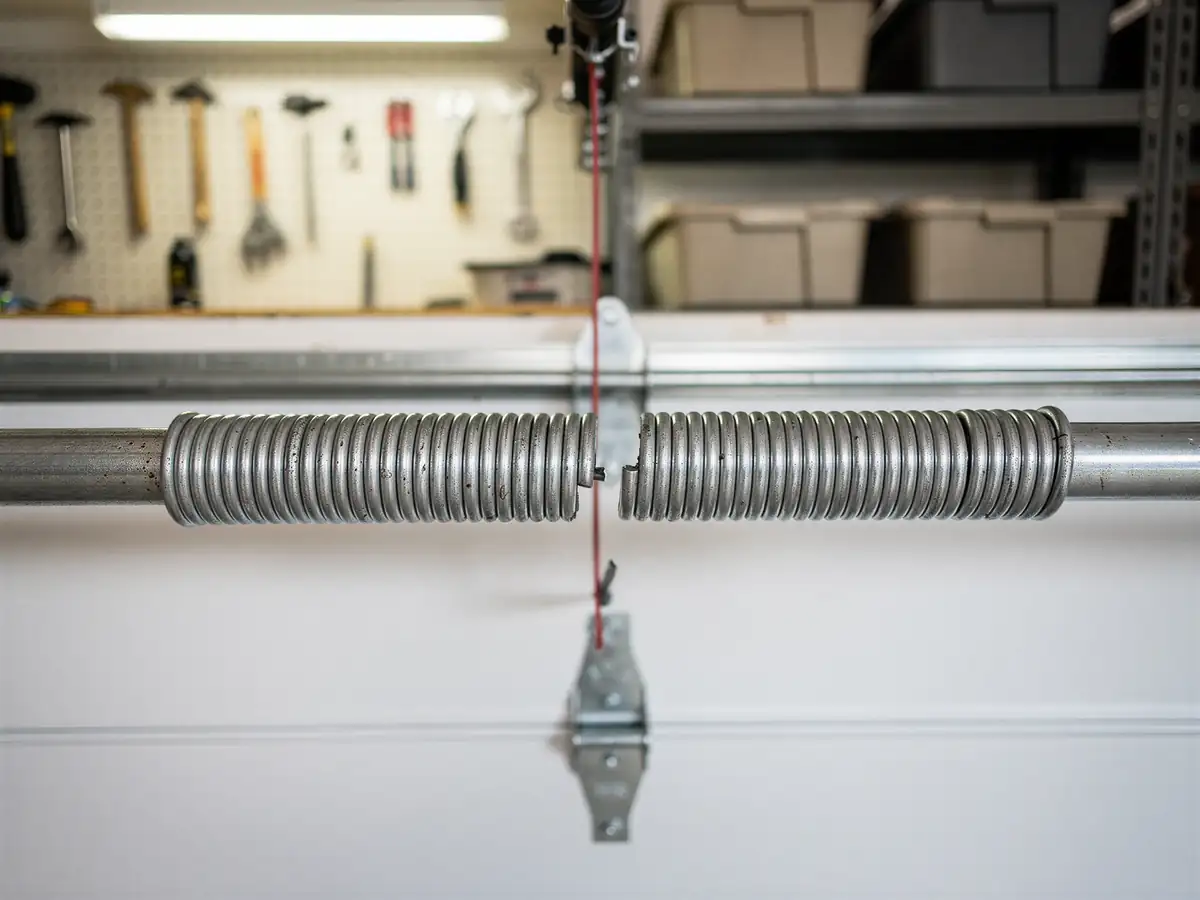
The most common thing we hear from owners in homes from that 1960s-70s building wave is some version of: it used to be quiet, now it isn't. A grinding or popping sound when the door starts moving usually means a roller or hinge that's dry or worn, which is exactly the kind of wear that shows up on original or long-serving hardware in houses of that age. A door that hesitates partway up, or that the opener strains to lift, often points to a spring that's lost tension, a problem that gets worse faster once cold weather sets in and steel contracts.
Another pattern tied to the climate band here is a bottom seal that's cracked or flattened, letting cold air and moisture into the garage and, over a season or two, into the house. None of these symptoms mean the door is about to fail tomorrow. They mean the door is telling you what a maintenance visit is for: catching the wear before it becomes the 6 a.m. call when the door won't open at all.
Can You Do This Yourself
Some of it, yes
Wiping down and lubricating the tracks and rollers with the right garage door lubricant, checking that the bottom seal isn't cracked, and visually looking for rust or fraying on the cables are things most owners can do on a Saturday. Tightening visible hardware with a wrench is reasonable too.
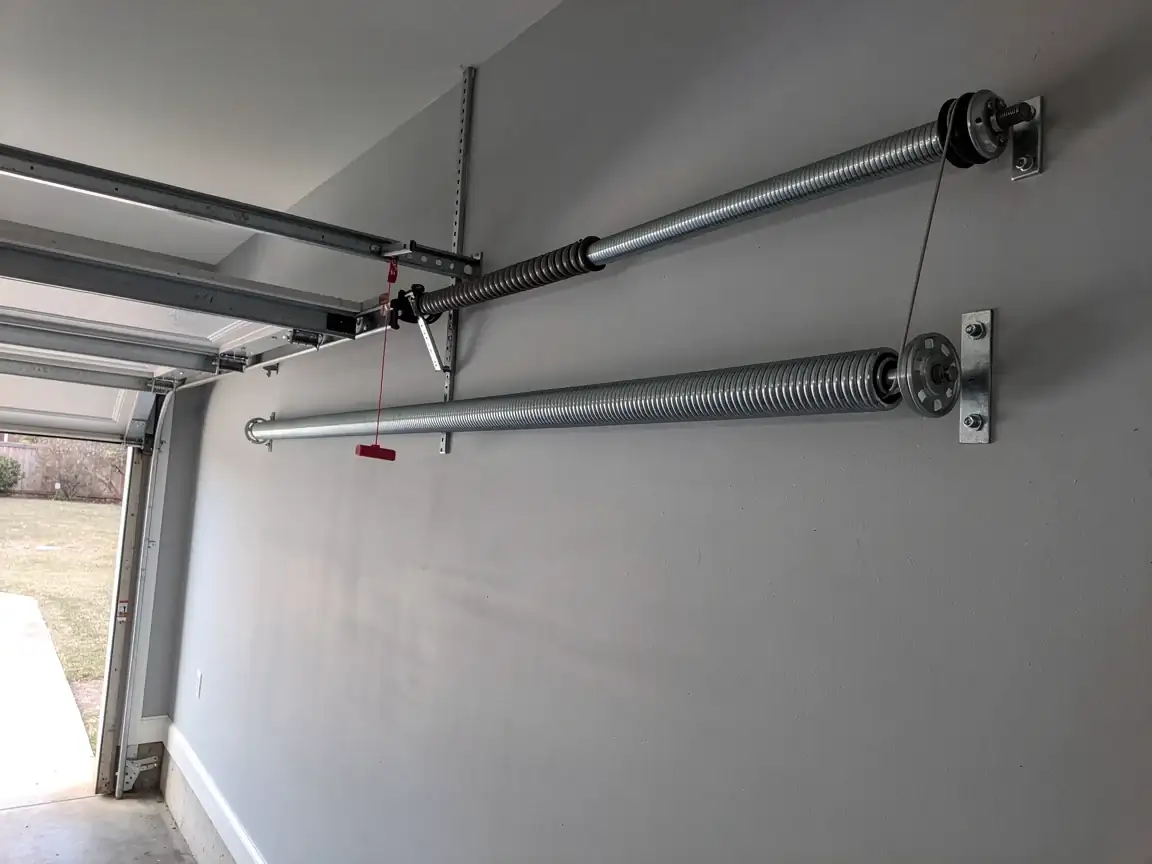
What we don't recommend doing yourself: anything involving the torsion spring
A door's spring is under enough tension to cause a serious injury if it releases wrong, and that's true regardless of how old or new the door is. We also wouldn't recommend adjusting opener force settings without checking the auto-reverse safety test afterward, since a door that closes with too much force and doesn't reverse on an obstruction is a real hazard to anyone in the garage. If your door is from the original 1960s-70s building wave common in this area and you're not sure how old the spring is, that's a reasonable thing to have checked rather than guessed at.