Serving Orland Park, IL & nearby
(708) 251-9730
Orland Park, IL

Garage Door Roller Replacement in Orland Park

Worn rollers on Orland Park garage doors show up early thanks to cold winters and 1960s-70s housing stock. Here's why, how long the fix takes, and what you can skip.

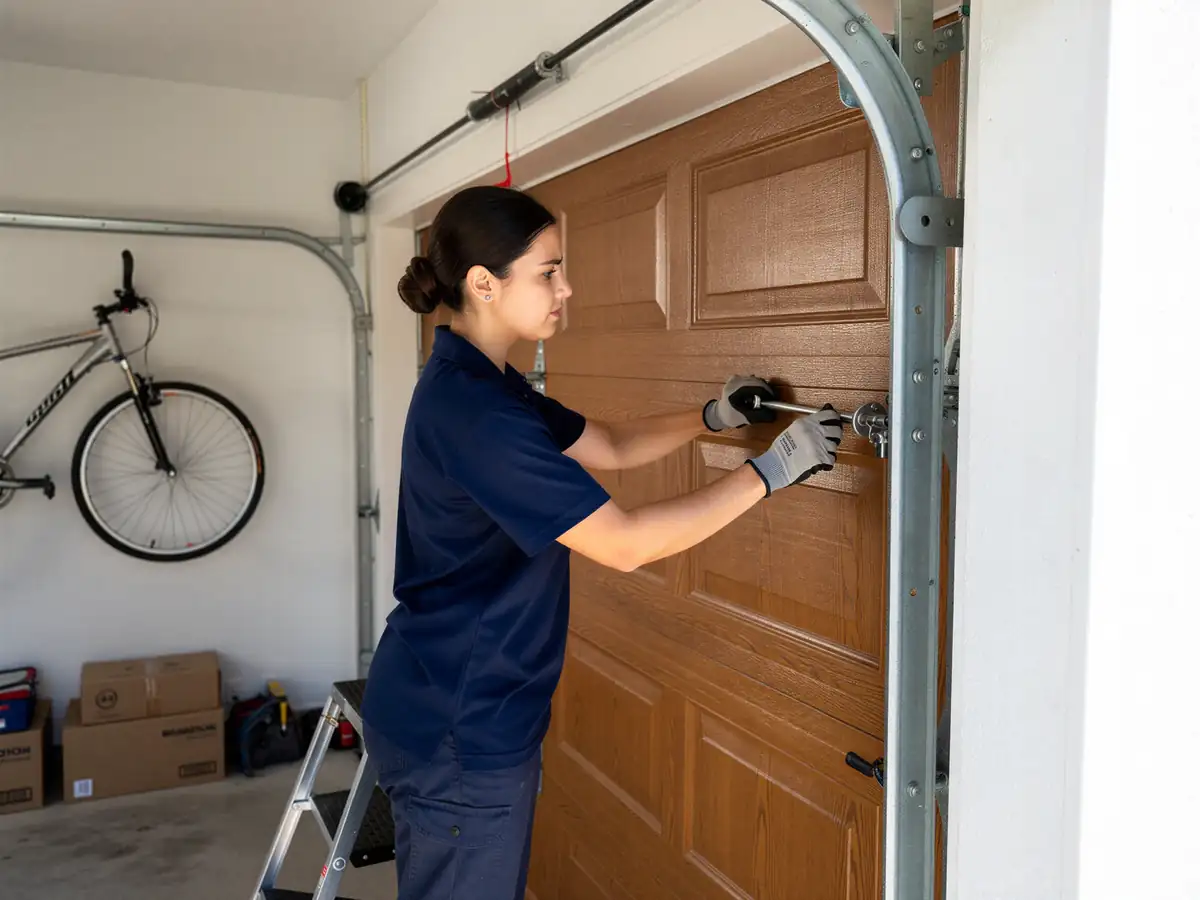
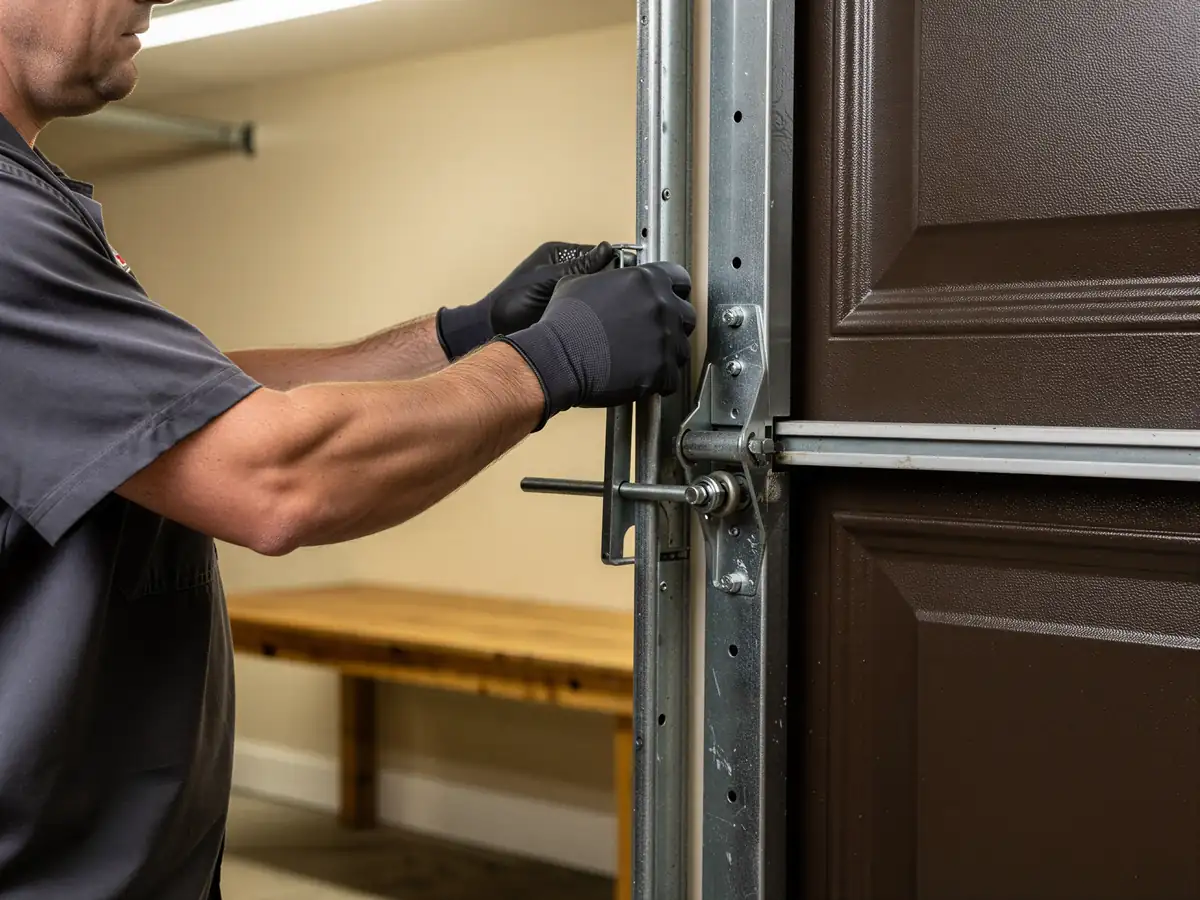
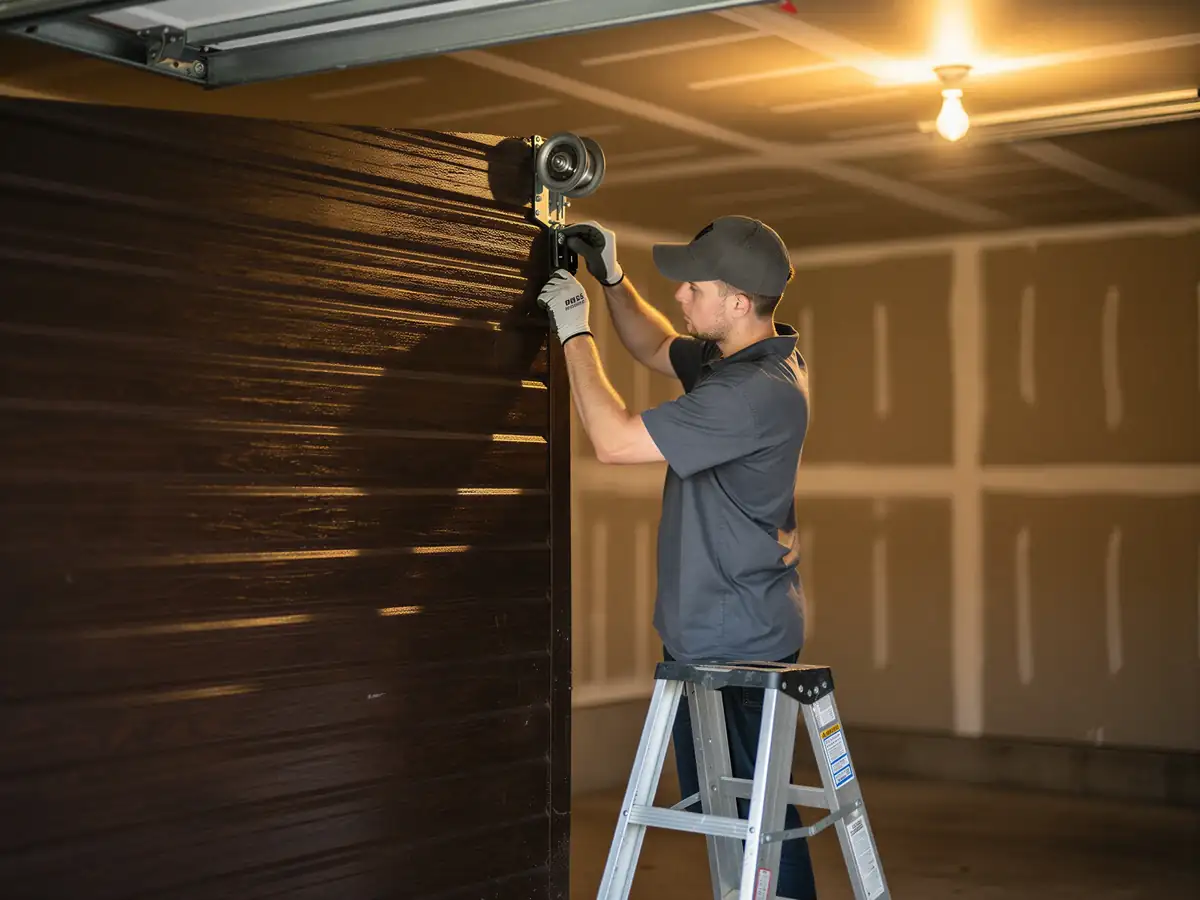
A technician on a ladder adjusts a roller on a dark brown garage door.
Orland Park, IL
8 services
7 service areas
Diagnosis first, then the fix

Why It Happens Here

  1. Most garage doors in Orland Park sit on houses built between 1938 and 2004

    With the heaviest concentration from the 1960s and 70s. That matters for rollers specifically. Doors from that era were hung with steel rollers running in galvanized steel tracks, and over fifty-plus years of use the track edges wear a groove that a worn roller rides unevenly in. Once a roller flattens on one side, the door starts to bind right at that spot every single cycle.

  2. Colder winters make it worse

    This area sits in a cold moderate climate band, which means the grease in an old roller bearing thickens up hard on the coldest mornings, and steel rollers contract slightly in the cold, tightening their fit against track rails that already have decades of wear in them. That combination - old steel-on-steel hardware plus a real winter - is why roller failure shows up here on a different schedule than it does in a mild climate.

  3. Nylon rollers with sealed bearings handle both problems better

    They flex slightly instead of binding, and the sealed bearing doesn't thicken up the same way. Swapping worn steel rollers for nylon is the single most common roller job we run across the houses in this bracket.

How Long It Takes

A straight roller swap on a residential double door - ten rollers, no track damage - is a short job, usually finished in under an hour once we're on site with the right roller stem length for your track gauge. Most Orland Park doors from the 1960s-70s stock use a standard stem and bracket, so parts aren't the holdup.

What extends the job is track condition. If a flattened roller has been riding in the same groove long enough, the track itself can develop a lip or a bend, and that has to get straightened or the track swapped in sections before new rollers will run smooth. We check that before we quote the time, not after.

We don't carry every stem length and gauge on the truck for every call, so if your door uses an odd bracket spacing - more common on some of the older builds in this bracket than on anything built after 2000 - there can be a short wait on that specific part. We'll tell you up front if that's the case rather than guessing.

The Symptom

The giveaway is noise that's localized, not constant. A bad roller doesn't make the whole door loud - it makes one spot in the travel loud, a grind or a thunk at the same point every time the door opens or closes, because that's where the flat spot or the chipped nylon hits the track. If you can stand at the door and predict exactly where in the cycle the noise happens, that's a roller, not a spring or an opener gear.

A second sign is the door hesitating or jumping slightly at one point in the track, almost like it catches and then releases. That's a roller that's stopped turning and is dragging instead of rolling.

What it isn't: a door that's loud the entire way up and down usually points to a dry hinge or a worn cable, not a roller. And a door that won't move at all, or moves and drops suddenly, is a spring problem - different part, different urgency. Rollers make noise and get rough; they don't typically strand the door shut.

Can You Do This Yourself

  1. Replacing the bottom rollers on a garage door is within reach for a homeowner who's comfortable with hand tools

    As long as the door is down and the opener is unplugged first. The bottom brackets aren't under spring tension, so there's no real risk swapping those rollers one at a time.

  2. The rollers near the top of the track, close to where the cables and the torsion spring assembly sit

    Are a different story. Pulling those brackets can shift a door that's under spring load, and on an older door with worn hardware, that's where people get hurt. We don't recommend DIY on the top rollers, full stop - that's not a close call.

  3. If you do the bottom rollers yourself and the door still grinds or hesitates afterward

    The issue probably isn't the roller - it's the track alignment or a bent section, and that's worth a call rather than more guessing with a wrench.
How it works

From “it’s stuck” to “it’s fixed”

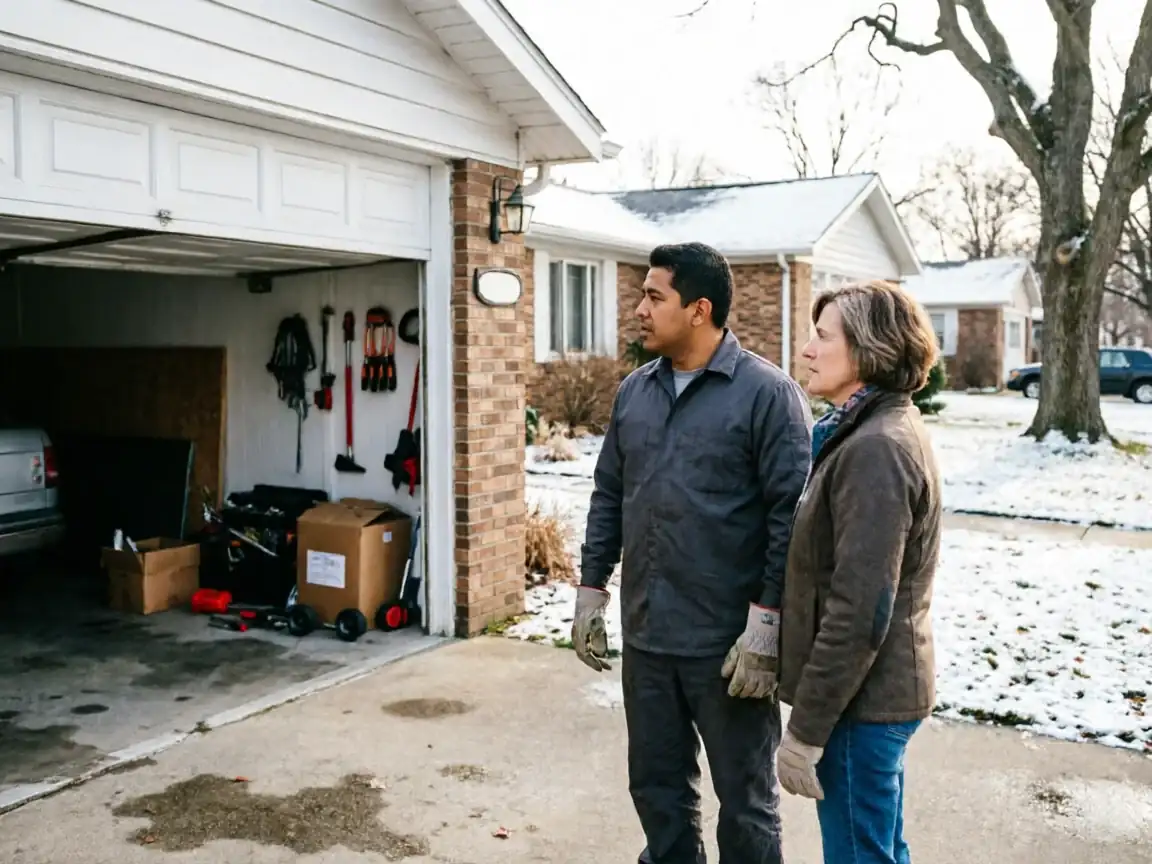
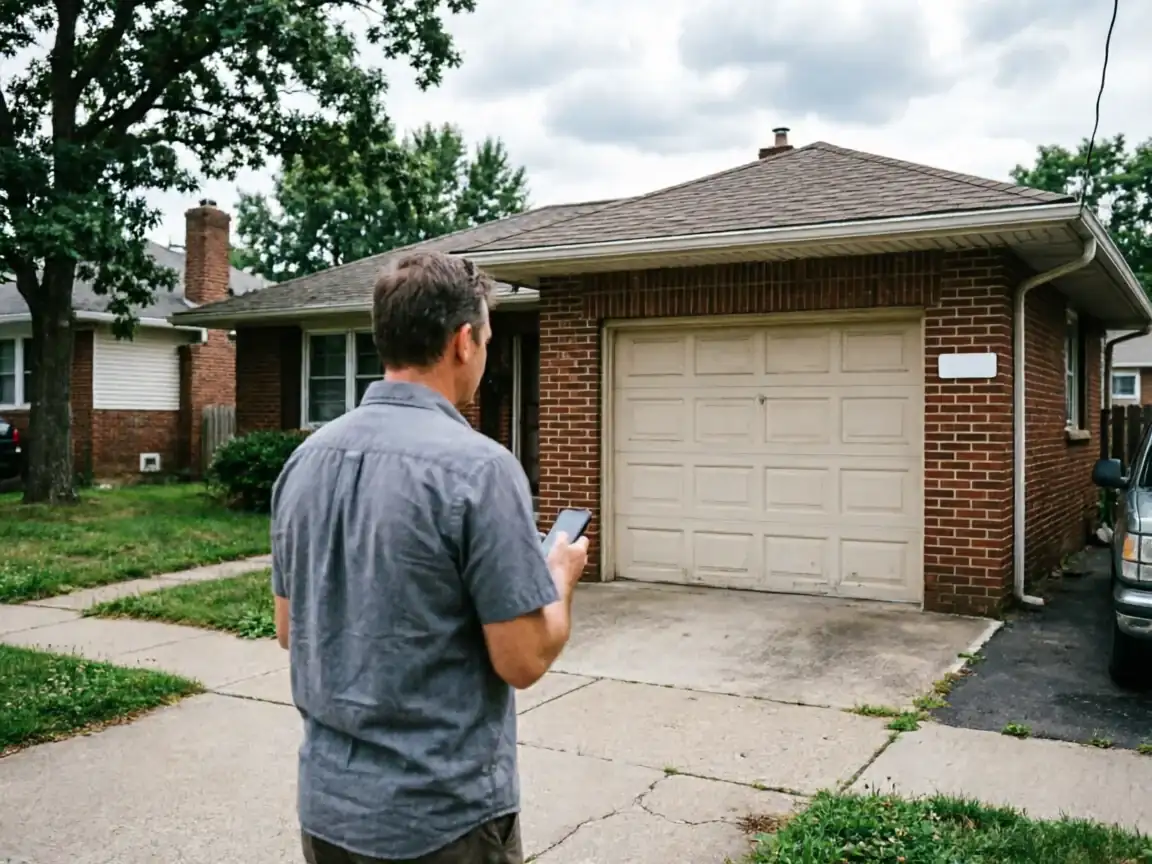
A technician stands on a driveway looking at a closed garage door.

Tell us what’s wrong

Describe the symptom - won’t open, loud bang, opener runs but the door won’t move.

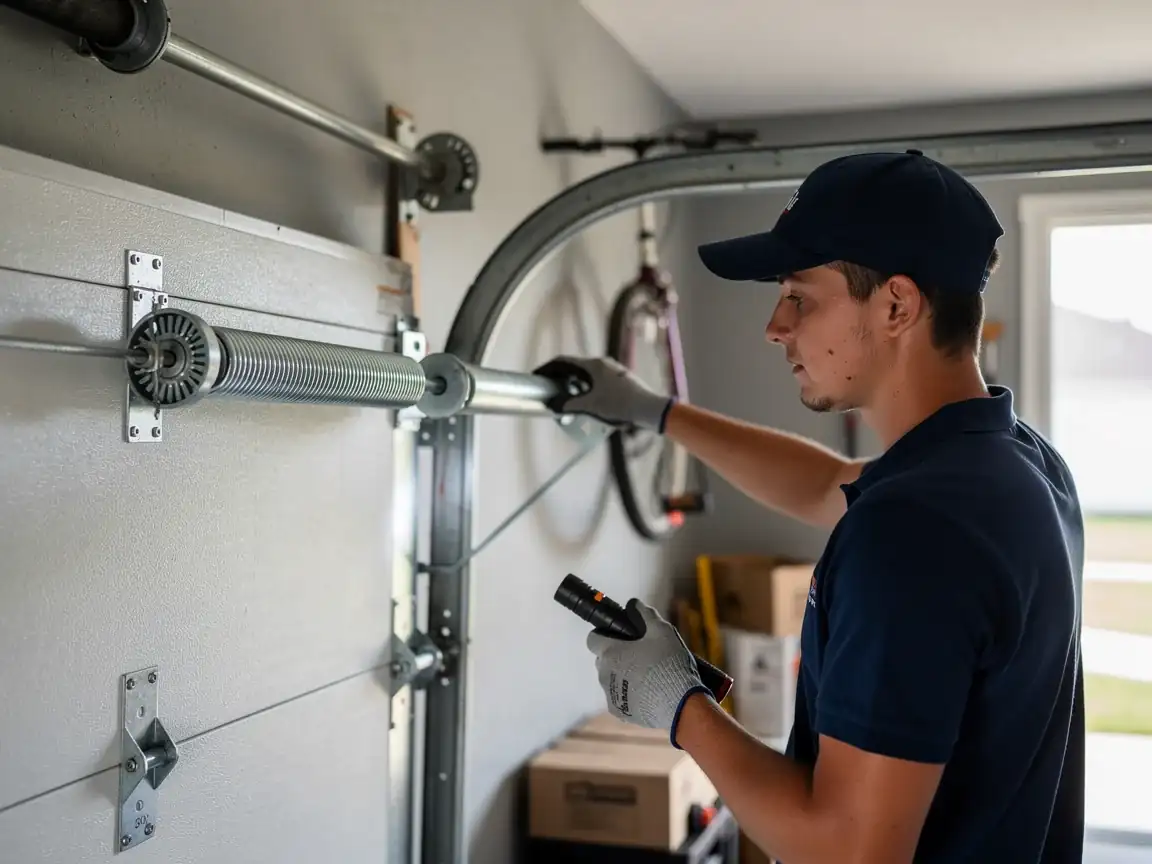
A technician in a blue shirt and cap works on a garage door torsion spring.

On-site diagnosis

A technician tests the door under power and by hand and finds what actually failed.

A technician and a woman stand in a driveway looking at an open garage.

Clear, up-front plan

You get the fix that’s needed and what drives the cost - before any work starts.

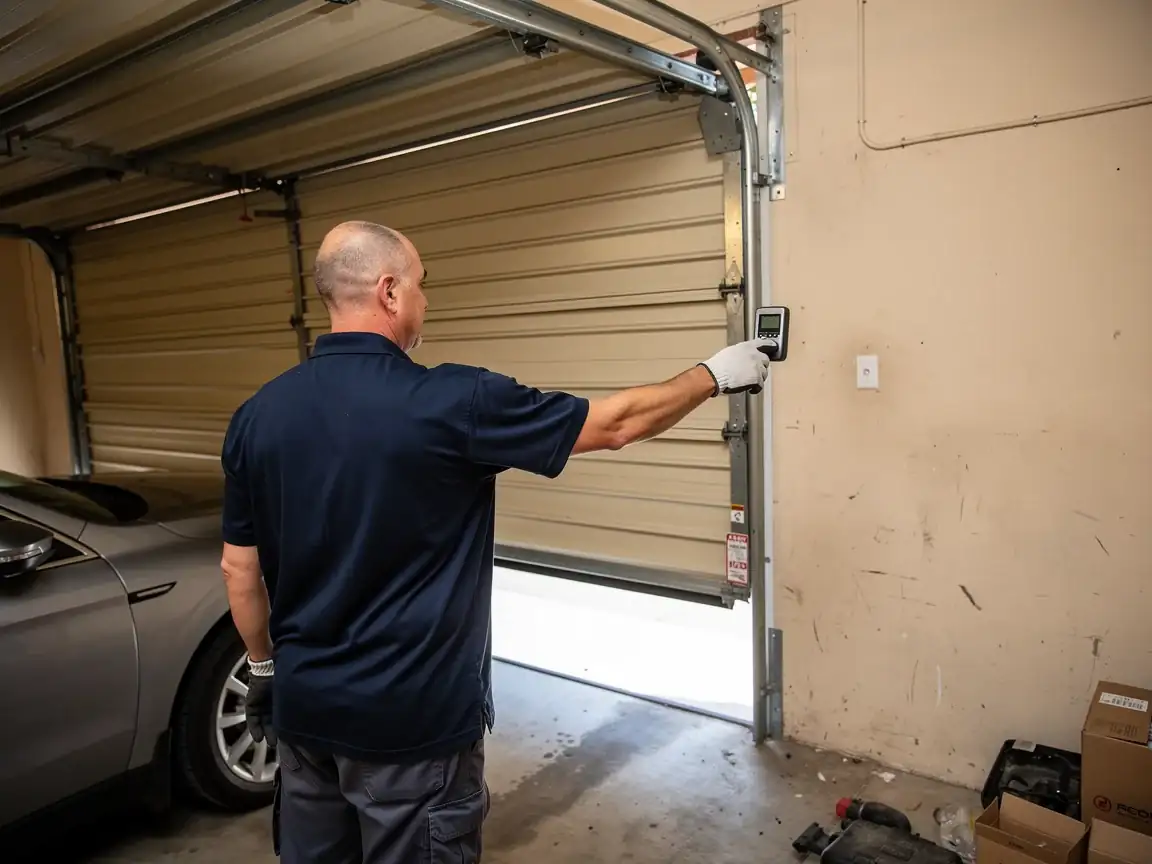
A technician holds a remote control while standing next to an open garage door.

Repaired & tested

The repair is done, the door is set true and tested, and the work area left clean.

Not sure which repair your door needs in Orland Park, IL? Describe what it’s doing - every job starts with a diagnosis.

How we work

What to expect

Diagnosis firstEvery visit starts by finding what actually failed - not a pre-written parts list.
The right part for the doorSprings and openers matched to the door’s weight and age, so the fix holds up.
Straight answersWhen a repair makes more sense than a replacement - or the reverse - you hear it plainly.
Clean, careful workTension released safely, hardware set true, the door tested under power before we leave.
58,619Residents in Orland Park
8Garage door services
7Neighborhoods & suburbs
ILServing Orland Park, IL
What we do

Garage Door Services

Repair and installation work for Orland Park homes and businesses.

A technician adjusts a brown garage door with a tool.

Garage Door Repair

Garage door repair in Orland Park, IL for homes built mostly in the 1960s and 70s. We diagnose broken springs, off-track doors, and failed openers from original hardware.

Learn more
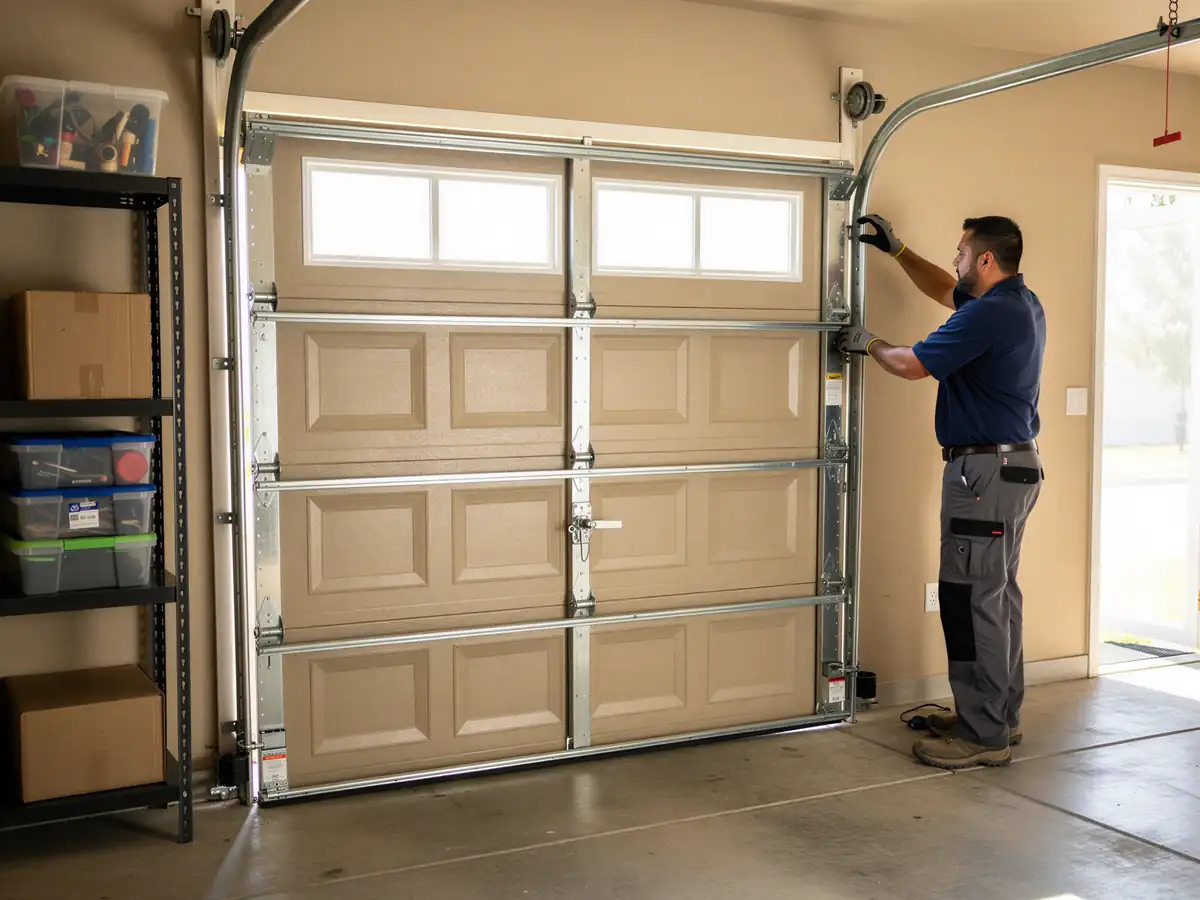
A technician in a blue shirt is working on a tan garage door with windows.

Garage Door Installation

Orland Park homes built mostly in the 1960s-70s are hitting the age where doors and tracks give out. Here's what installation involves and what it costs you in time.

Learn more
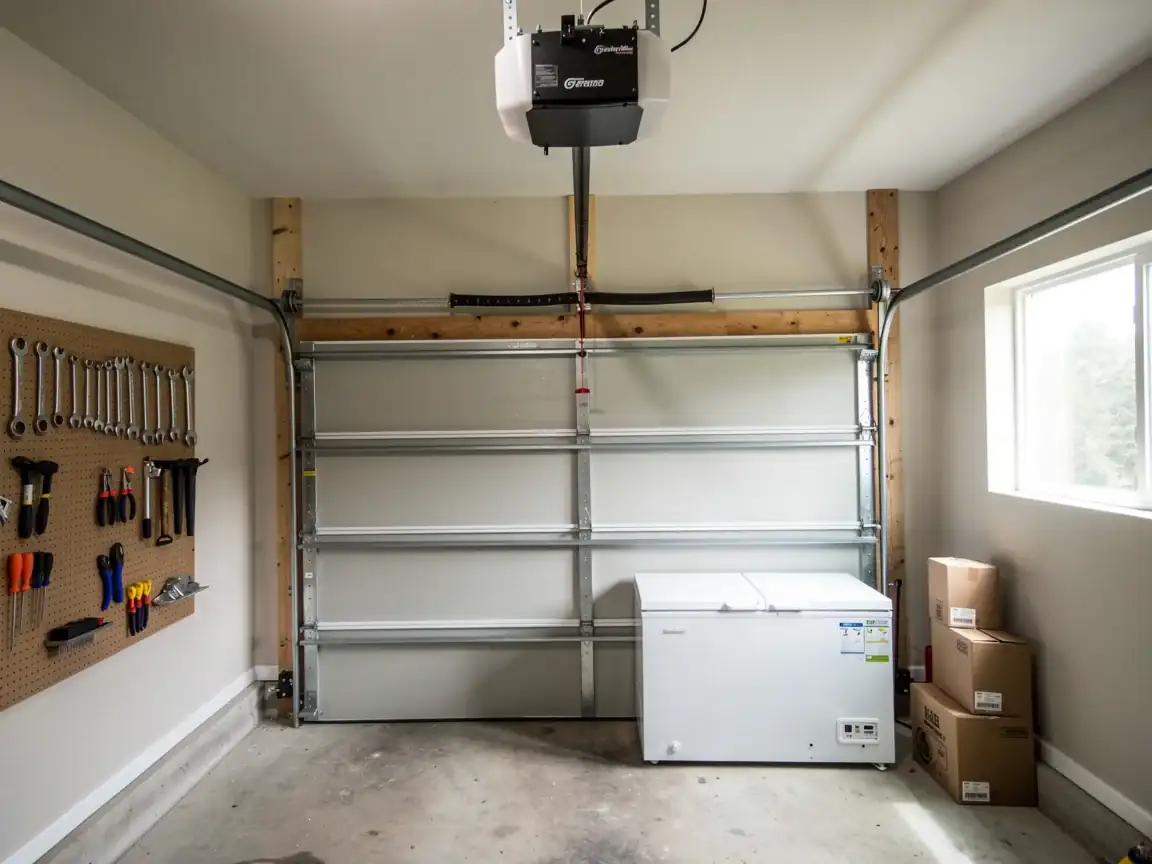
The garage door is closed, with an opener above it and a freezer to the right.

Garage Door Service

Service calls for garage doors built on Orland Park's 1960s-70s housing stock, where original hardware and cold-weather wear combine to cause the same handful of failures.

Learn more
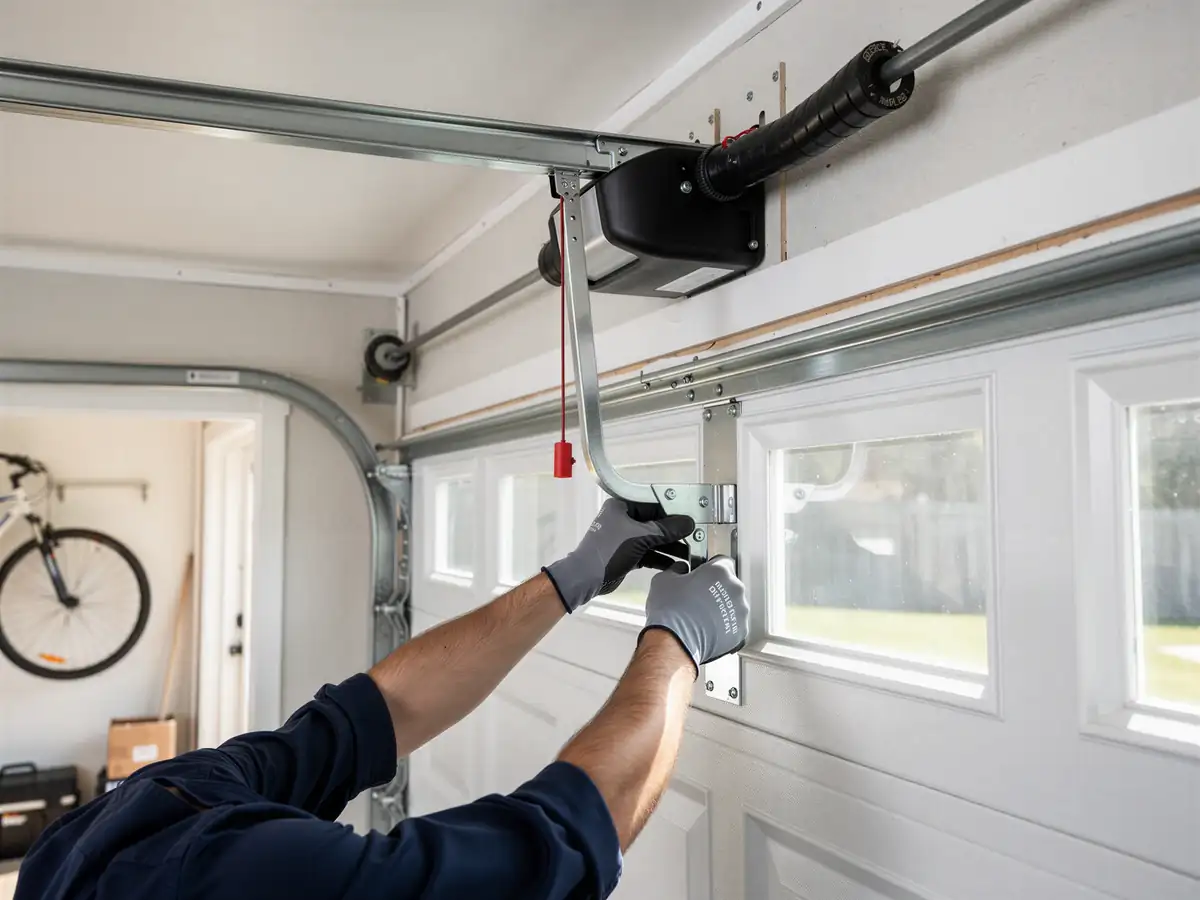
A technician's gloved hands are adjusting a garage door hinge and roller.

Opener Installation

Opener installs and swaps for Orland Park homes built mostly in the 1960s and 70s, sized for cold-climate gear loads and older header framing.

Learn more
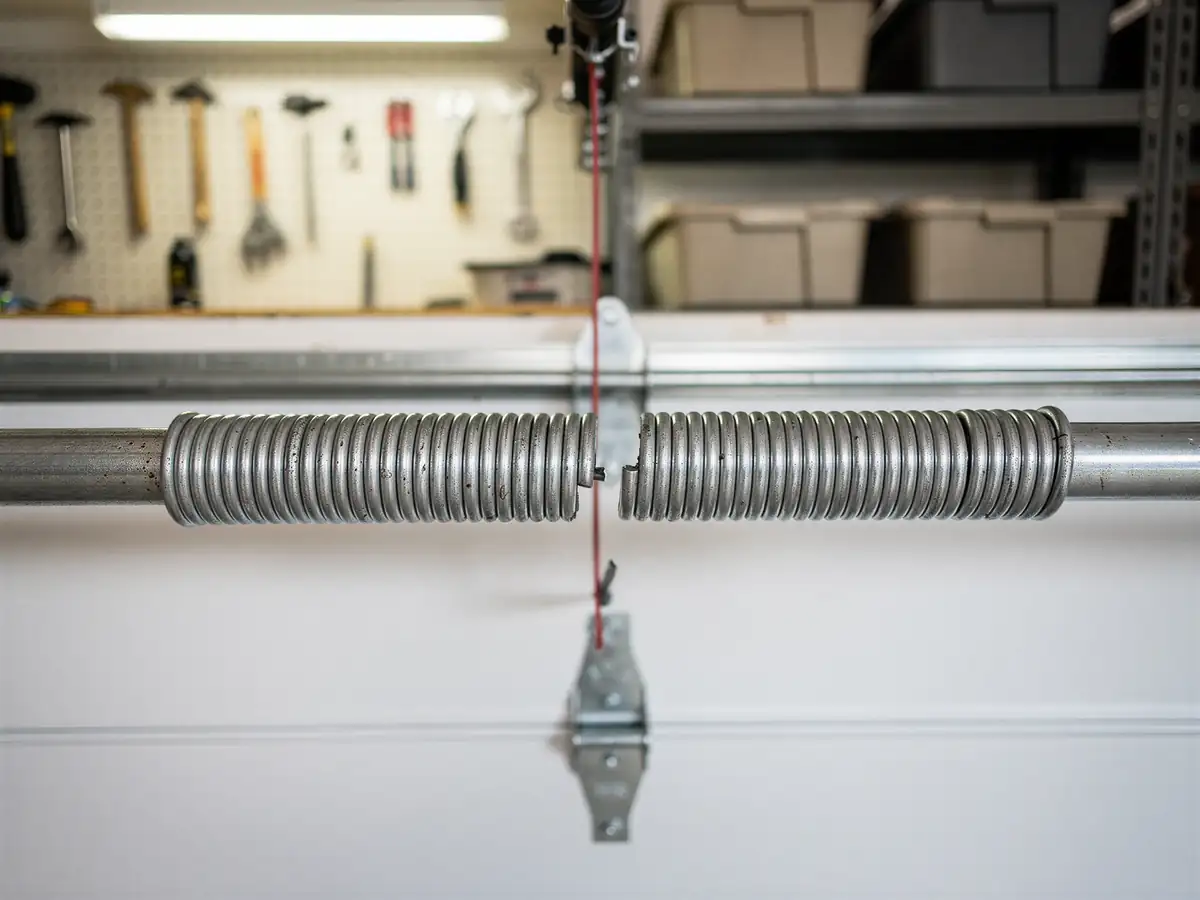
A broken torsion spring is visible above a white garage door.

Spring Repair

Torsion and extension springs wear out fast on Orland Park's 1960s-90s housing stock in cold winters. We diagnose the break and replace the spring fast.

Learn more
A technician in black gloves is adjusting the metal track of a brown garage door.

Off-Track Repair

Garage door off its track in Orland Park? See why older tracks and cold swings cause this, what the fix involves, and when to call instead of forcing it back.

Learn more
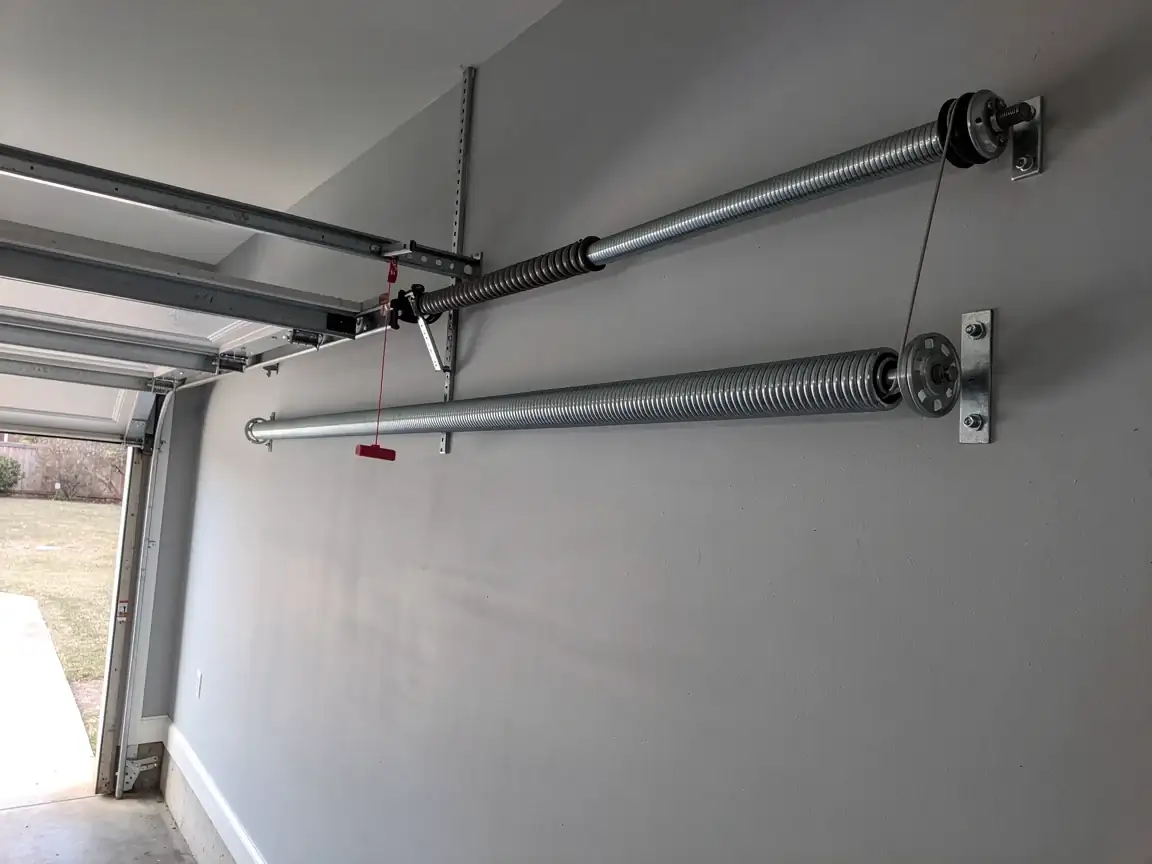
Two garage door torsion springs are mounted on a light gray wall.

Roller Replacement

Worn rollers on Orland Park garage doors show up early thanks to cold winters and 1960s-70s housing stock. Here's why, how long the fix takes, and what you can skip.

Learn more
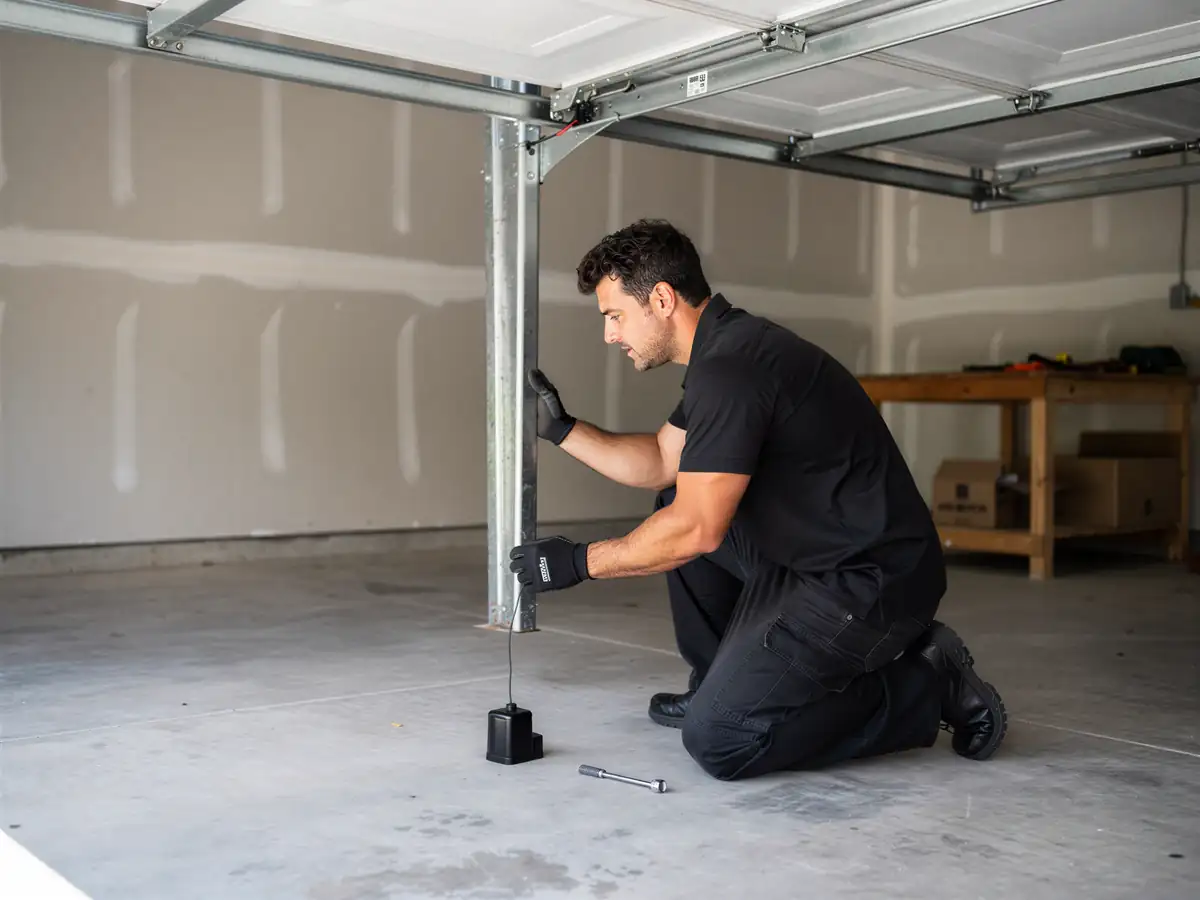
A technician kneels, holding a garage door track with a plumb bob on the floor.

Maintenance

Garage door maintenance for Orland Park homes built mostly in the 1960s and 70s. Tune-ups that catch worn springs, dry tracks, and cold-weather strain before they fail.

Learn more
Where we work

Serving Orland Park & nearby

Local garage door service across 7 Orland Park-area neighborhoods and communities - is your street on the list?

7

Orland Park-area neighborhoods & nearby communities we cover

Questions

Frequently asked

Straight answers about garage door repair in Orland Park. Still unsure? Ask us directly.

How many rollers does a garage door actually need replaced?

Most double doors have ten rollers total - two per section on a standard four-section door, plus the end rollers. We rarely replace just one; if one roller has worn out from age, the others on the same door have usually logged the same miles and are close behind. Replacing the full set at once is cheaper than a second call six months later.

Will nylon rollers fix the noise for good?

Nylon rollers with sealed bearings run quieter than steel, and they don't bind up the same way in cold weather, so most owners notice an immediate drop in noise. They won't fix noise coming from a dry hinge, a loose track bracket, or a worn cable - those are separate parts and worth checking at the same visit.

Is roller replacement cheaper than fixing the track?

Usually, yes. A straight roller swap with no track damage is a shorter job and fewer parts than straightening or replacing track sections. The reason we check track condition before quoting roller work is that worn rollers and a lipped track often show up together, and skipping the track check just means a repeat call later.

Ready to get your garage door sorted?

Tell us what it’s doing and where you are in Orland Park - we’ll take it from there.

Request a QuoteCall