Why Your Safety Sensors Keep Drifting Out of Alignment
Why garage door safety sensors drift out of alignment on Orland Park homes built from the 1960s and 70s, what the cold-moderate climate does to the slab, and how to check it yourself.
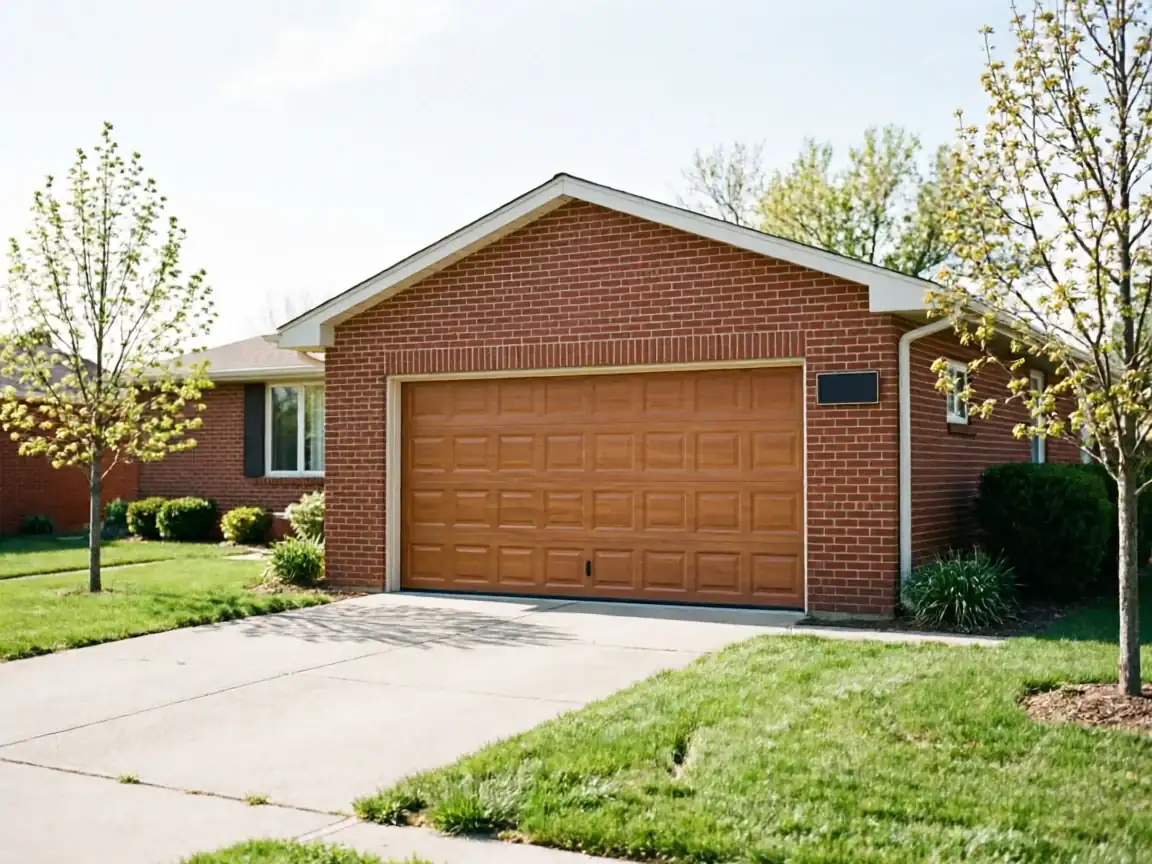
We don't have a flat number to hand you here, because what this job costs depends on what's actually wrong - a bumped bracket is a five-minute fix, while a sensor that's been chewed by rodents or had its wiring run through a cracked conduit is a different call entirely. What we can tell you is what drives the price up on houses in this area: age. A lot of the garages here sit on slabs poured anywhere from 1938 to 2004, with the bulk of that stock dating to the 1960s and 70s. On those older pours, the sensor brackets are often mounted directly into concrete that's shifted over fifty-plus years, so re-anchoring takes more than a quick nudge - sometimes the bracket itself needs a new mounting point. Newer wiring harnesses with molded connectors are quicker to diagnose than the older spliced wire you still find in houses from that mid-century batch. If your opener itself predates modern sensor requirements, there may be a retrofit cost layered on top of the alignment fix. We'll tell you straight if it's a five-minute job or something bigger before we touch anything.
What Local Conditions Do
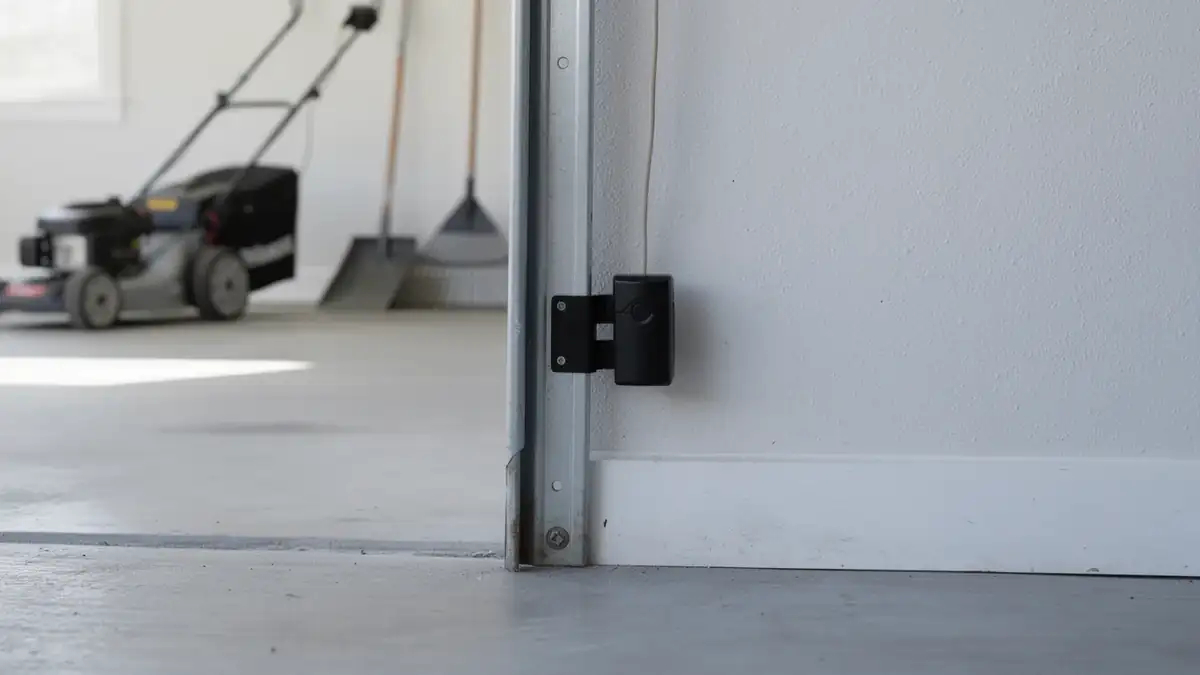
Orland Park sits in a cold-moderate climate band, and that matters more for sensors than people expect. The photo-eye units mount low, six inches or so off the slab, right where ground temperature swings hit hardest. Every winter the soil under and around that slab freezes and thaws, and that freeze-thaw cycle doesn't move the whole garage evenly - it heaves one corner a little more than another. Over enough winters, that uneven lift tilts the sensor brackets just a few degrees, which is all it takes to throw the beam off. Houses built in the 1960s and 70s, which make up most of the stock in this part of town, have had decades of that cycle working on their original slabs. Newer construction with better footing depth handles it some, but even recent builds aren't immune once a slab has a few winters on it. Condensation is the other piece - cold glass lenses fog on humid days, which can look exactly like a misalignment fault on the opener's diagnostic light, when really it's just moisture sitting on the lens.
The Problem
The failure almost always starts the same way: the opener light blinks, the door reverses or won't close, and the homeowner assumes the opener itself is dying. Nine times out of ten it's not the opener - it's that the two sensor eyes are no longer looking straight at each other. On the older slab stock common here, that drift comes from the ground moving underneath, not from anything breaking. A bracket that was dead level in 1975 can be a half-inch off plumb today just from fifty years of frost heave, and a half-inch at that distance is enough to miss the beam entirely. The honest limitation: we can realign and re-anchor a bracket, but we can't stop a slab from continuing to settle. If your garage floor has a visible crack running toward the sensor mounts, realignment today doesn't mean it stays aligned for good - it may need another adjustment down the road as the slab keeps moving.
Checking It Yourself
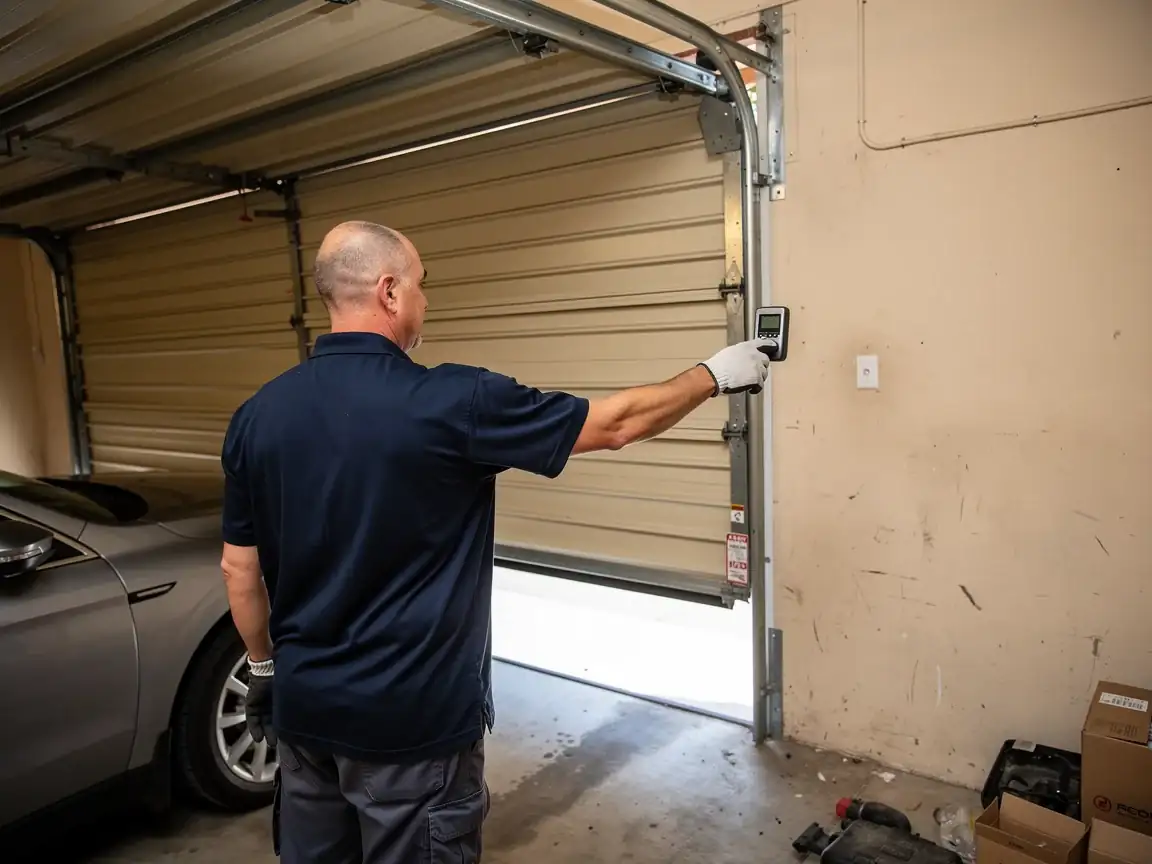
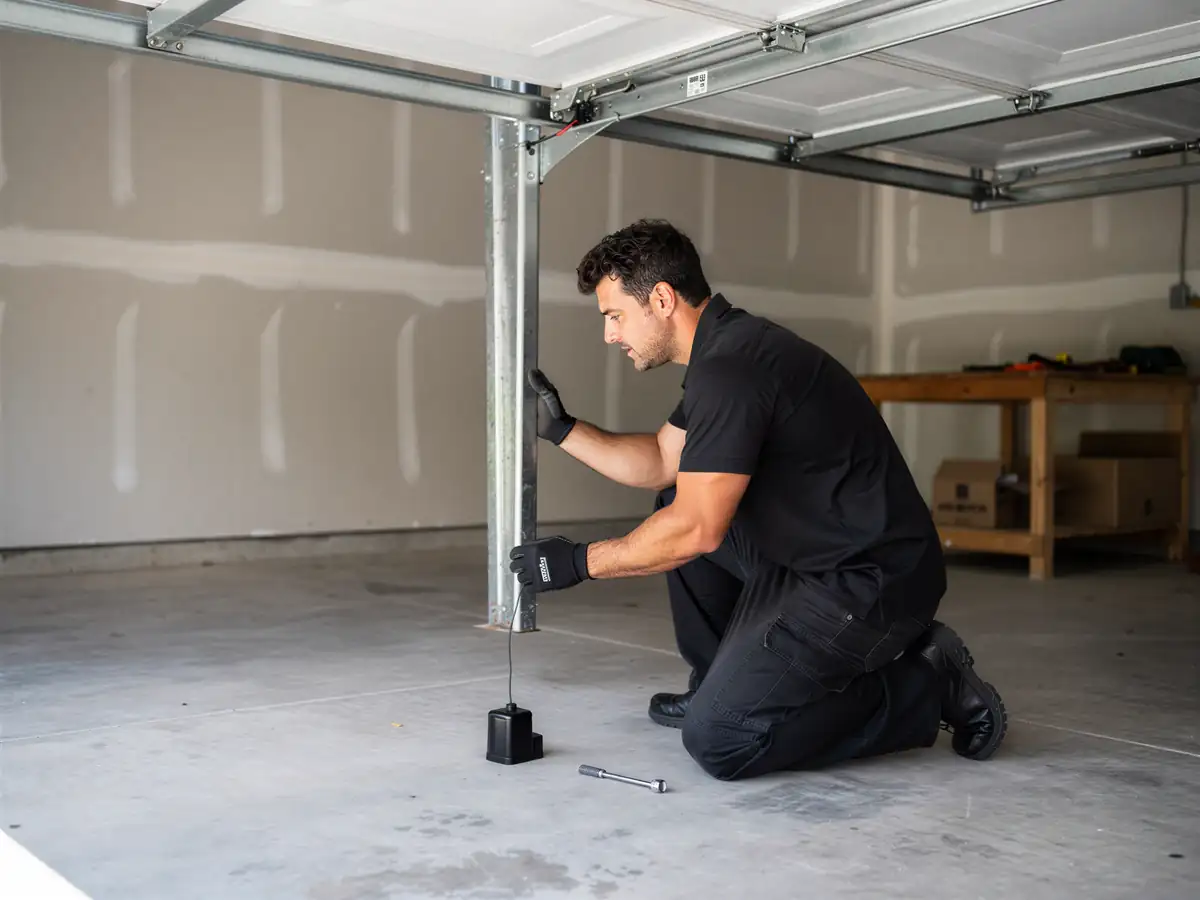
Before you call anyone, look at the two sensor units low on each side of the track - most openers show a small LED on each eye. Steady light usually means it's receiving; blinking or dark means the beam's broken. Wipe both lenses first; condensation from a cold night is a common false alarm. Then crouch down and sight along the brackets - on older houses in this area, it's common to find one eye sitting noticeably higher than the other after years of slab movement. If you can see daylight gap between the bracket and the wall where it used to sit flush, that's your heave. Loosen the wing nut, nudge the bracket until both LEDs go steady, and retighten gently - concrete anchors strip easily if overtightened. What we don't recommend doing yourself: rewiring, or forcing a bracket back into a mounting hole that's visibly cracked out of the concrete. That's a job for new anchor points, not a bent bracket forced back into failing concrete.
Cold-moderate winters here put the ground under your slab through repeated freeze-thaw cycles, and that heave shifts sensor brackets just enough to throw the beam off. Condensation on the lenses from temperature swings adds to it. It's rarely the sensor itself failing - it's the slab moving underneath it.
My house is from the 1960s - does that matter for sensors?
It can. Most of the housing stock in this part of Orland Park dates to the 1960s and 70s, and those original slabs have had decades to settle and crack. Brackets anchored into that older concrete drift more than ones on newer, better-poured foundations.
Can I fix sensor drift myself?
Often yes - wipe the lenses, check the LED indicators, and realign the bracket by loosening and resetting the wing nut. What you shouldn't do yourself is force a bracket back into cracked concrete or rewire a damaged harness; that's where a cracked mount needs a new anchor point instead.
Will realigning the sensor fix it for good?
If the drift is from a bumped bracket, usually yes. If it's from slab heave on an older foundation, the alignment can hold for a while but may need another adjustment as the ground keeps moving season to season - that's a limitation of the slab, not the fix.
Ready to get your garage door sorted?
Tell us what it’s doing and where you are in Orland Park - we’ll take it from there.