Service calls for garage doors built on Orland Park's 1960s-70s housing stock, where original hardware and cold-weather wear combine to cause the same handful of failures.
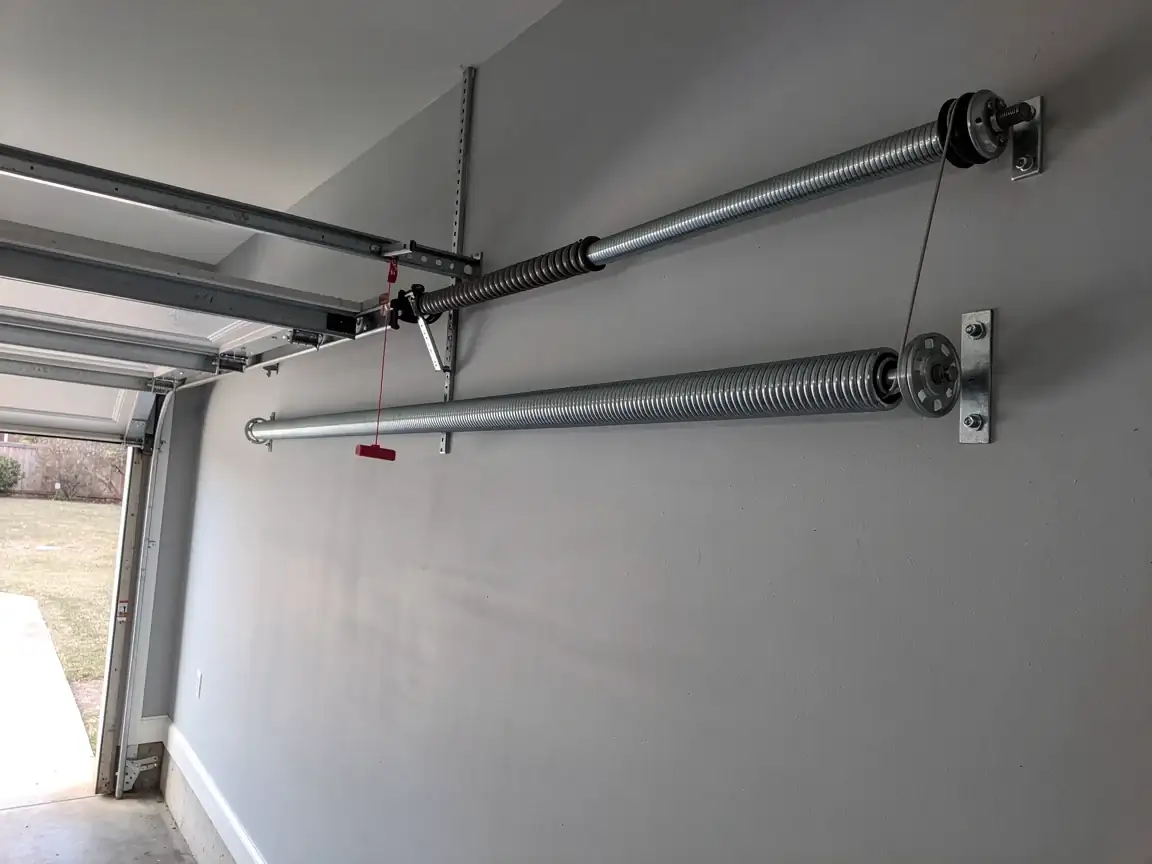
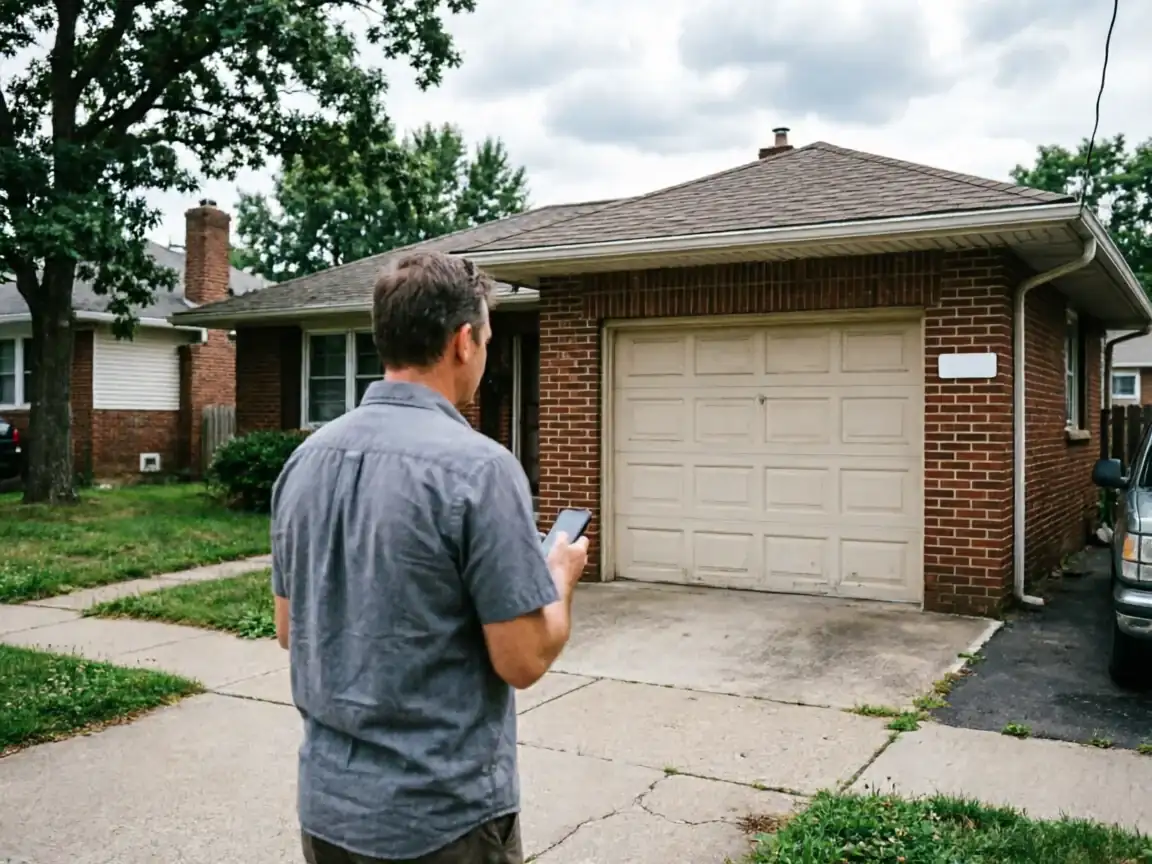
Orland Park's housing runs from 1938 to 2004, but the bulk of it went up in the 1960s and 70s, a pattern that repeats across the 94 named subdivisions in this part of the southwest suburbs. That matters for one reason: torsion springs, rollers, and openers all have a service life measured in cycles, not years, and a door installed when a house was framed in 1968 has been through decades of winters since. The cold band this area sits in means steel springs contract and lose tension faster than they would in a milder climate, and old galvanized cable frays at the drum in ways that don't show until the cable snaps. We see the same failure mode over and over on these older builds: a spring that's been quietly losing wind tension for years finally lets go on a sub-zero morning, usually the first really cold stretch of the season, because cold steel is less forgiving steel. Newer homes in town, built after 2000, don't show this pattern nearly as often because the hardware hasn't had the cycle count or the cold-weather stress yet. If your house falls in that older band, the spring and the opener are the two parts worth checking before they fail on you.
How Long It Takes
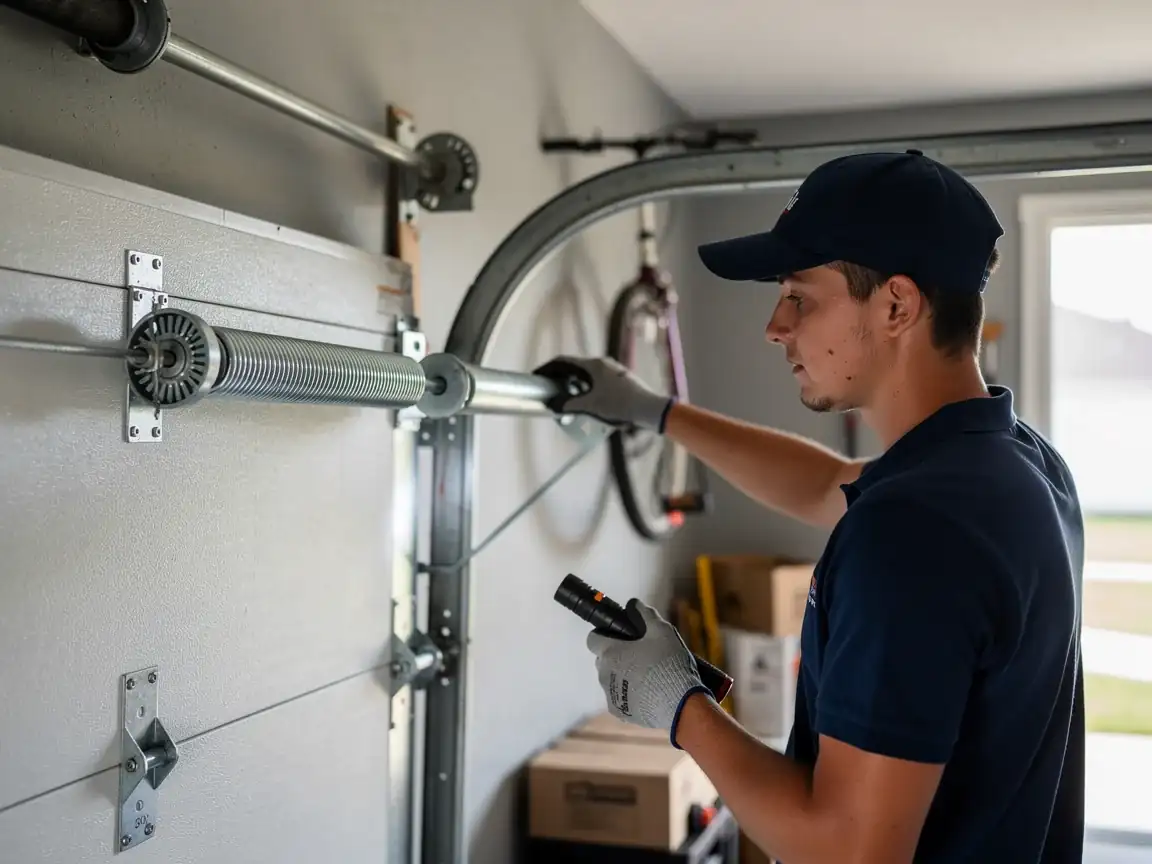
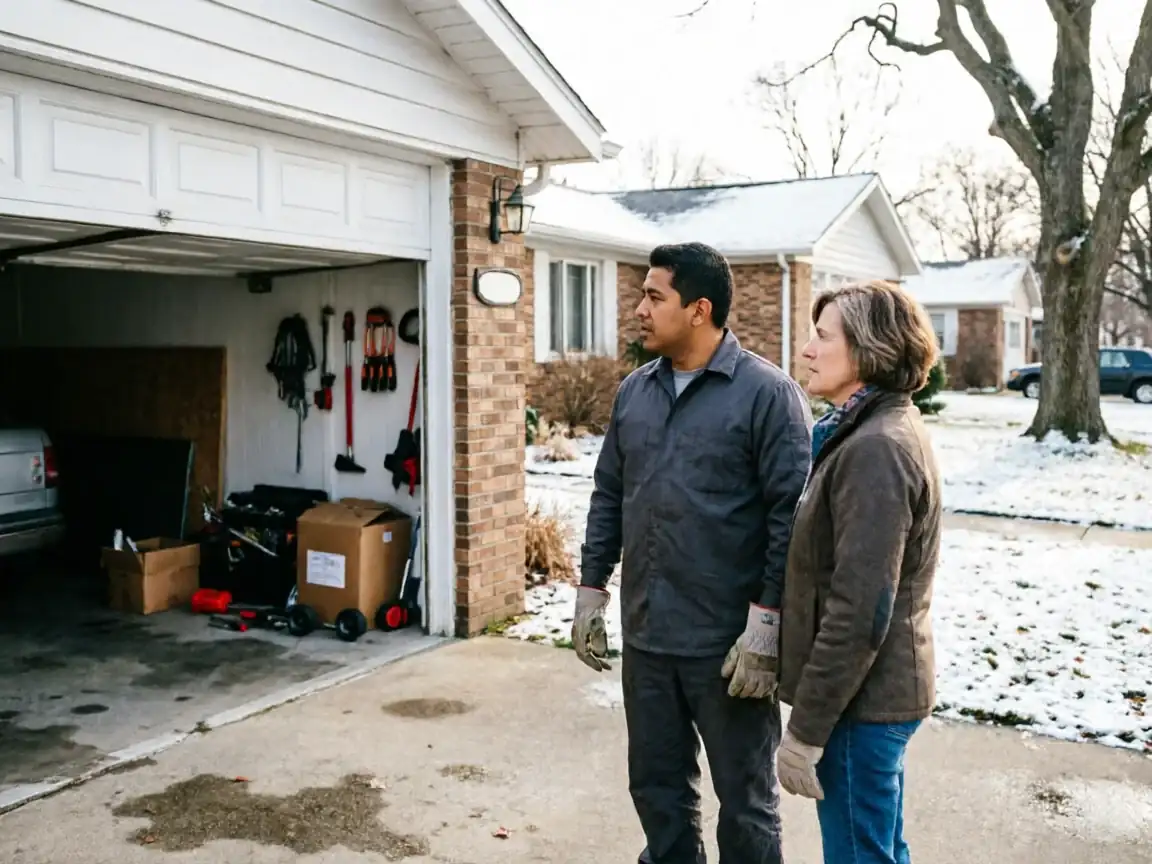
A straightforward torsion spring replacement on a standard double door is a same-visit job once we're on site, usually finished in under two hours including testing the balance afterward. Opener repairs vary more depending on what's wrong - a bad logic board or a stripped gear takes longer to source than a worn sensor. We don't carry every part for every opener brand on the truck, so if your unit is an older model that's been discontinued, there can be a short wait on parts. We'll tell you that up front rather than guess. For a door that's seizing up on cold mornings because of an iced track or a gummed-up roller, the fix itself is quick, but we want to see it move through a full cycle a couple of times before we call it done, because a door that looks fine standing still can still bind halfway up.
The Symptom
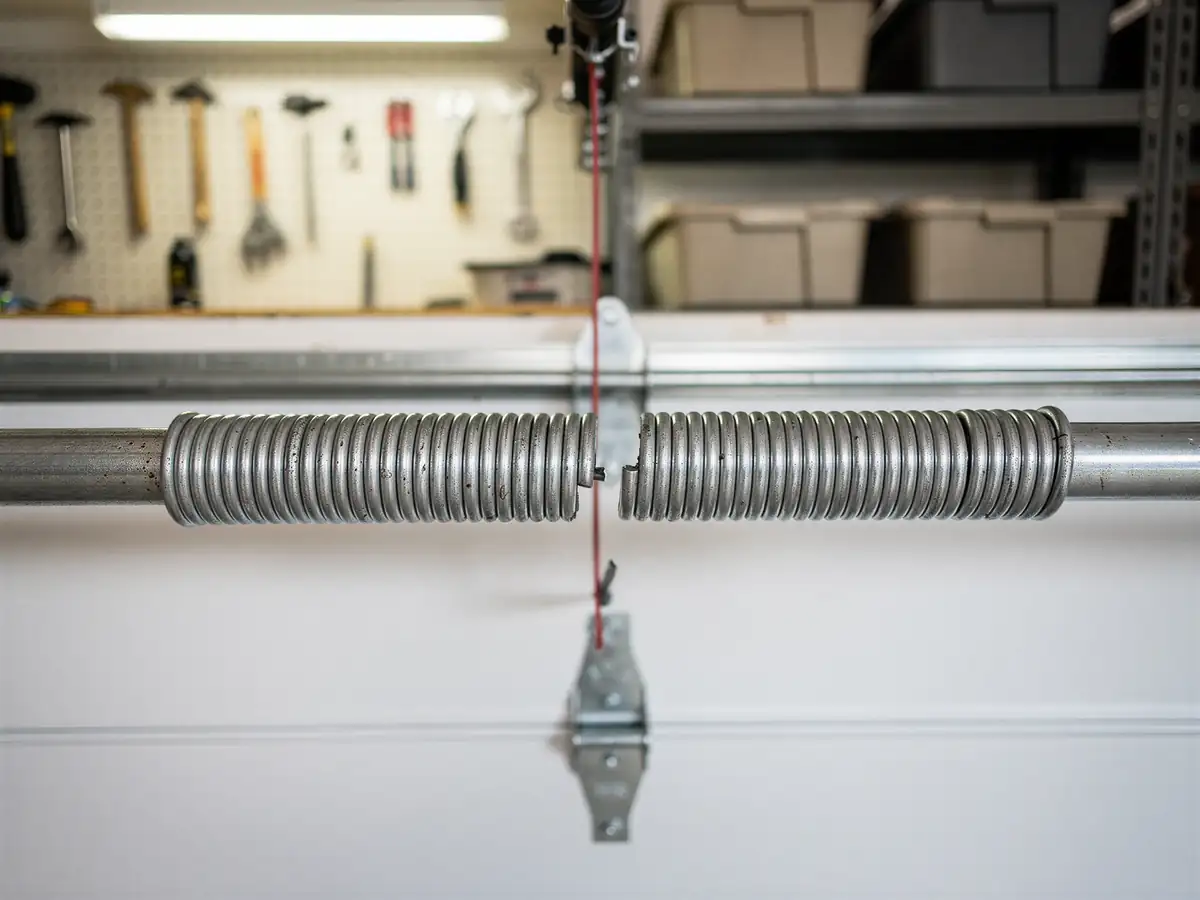
The tell on an aging torsion spring isn't usually silence - it's noise and effort. The door gets heavier to lift by hand, the opener strains and groans partway up, or you hear a loud bang from the garage that turns out to be the spring itself letting go. On the older stock common around Orland Park, this often shows up first as the door reversing itself midway on an opener cycle, because the opener is trying to compensate for lost spring tension and the safety sensors read that as resistance. Another version: a cable that's visibly frayed near the bottom bracket, usually on the side that takes more weight. If your door looks uneven when it's halfway up, or one side drops faster than the other, that's a spring or cable problem, not an opener problem, and it shouldn't wait.
Can You Do This Yourself
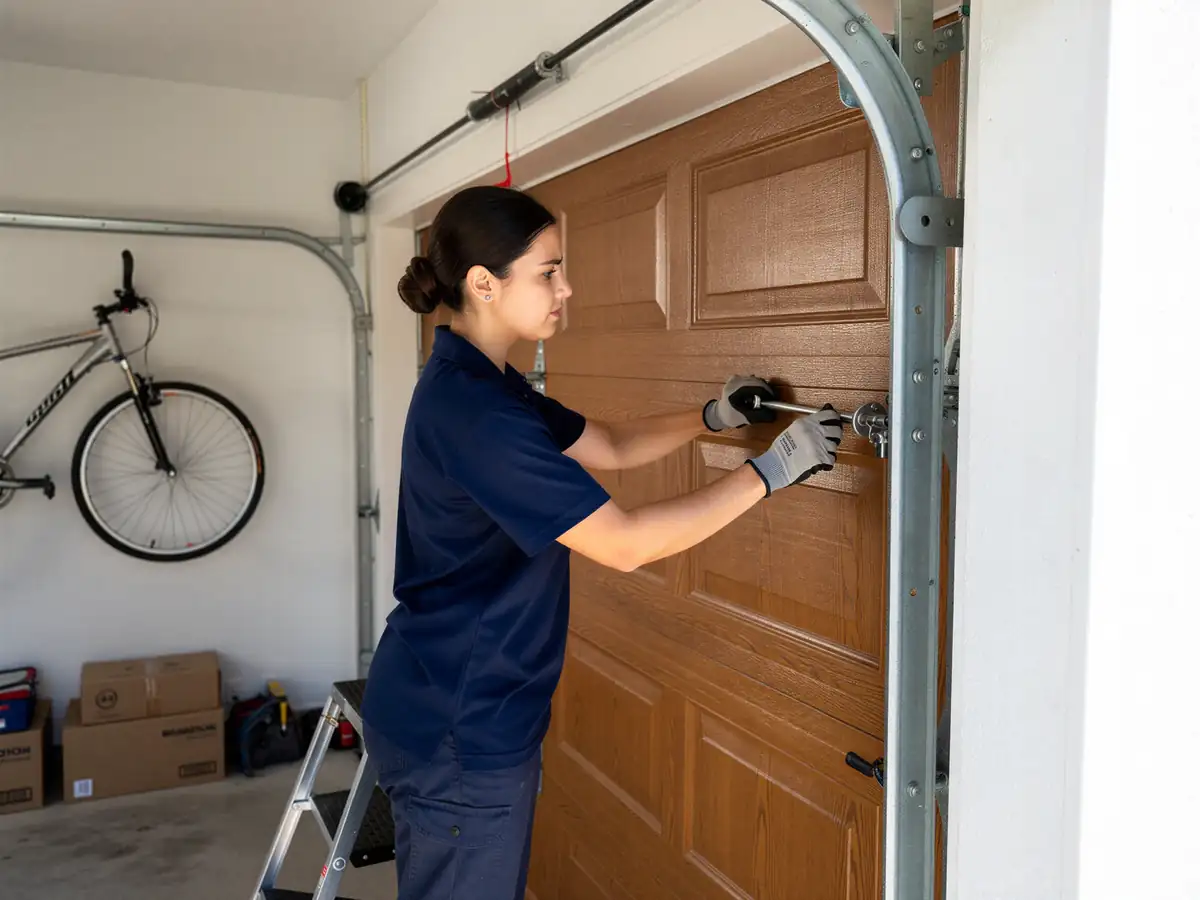
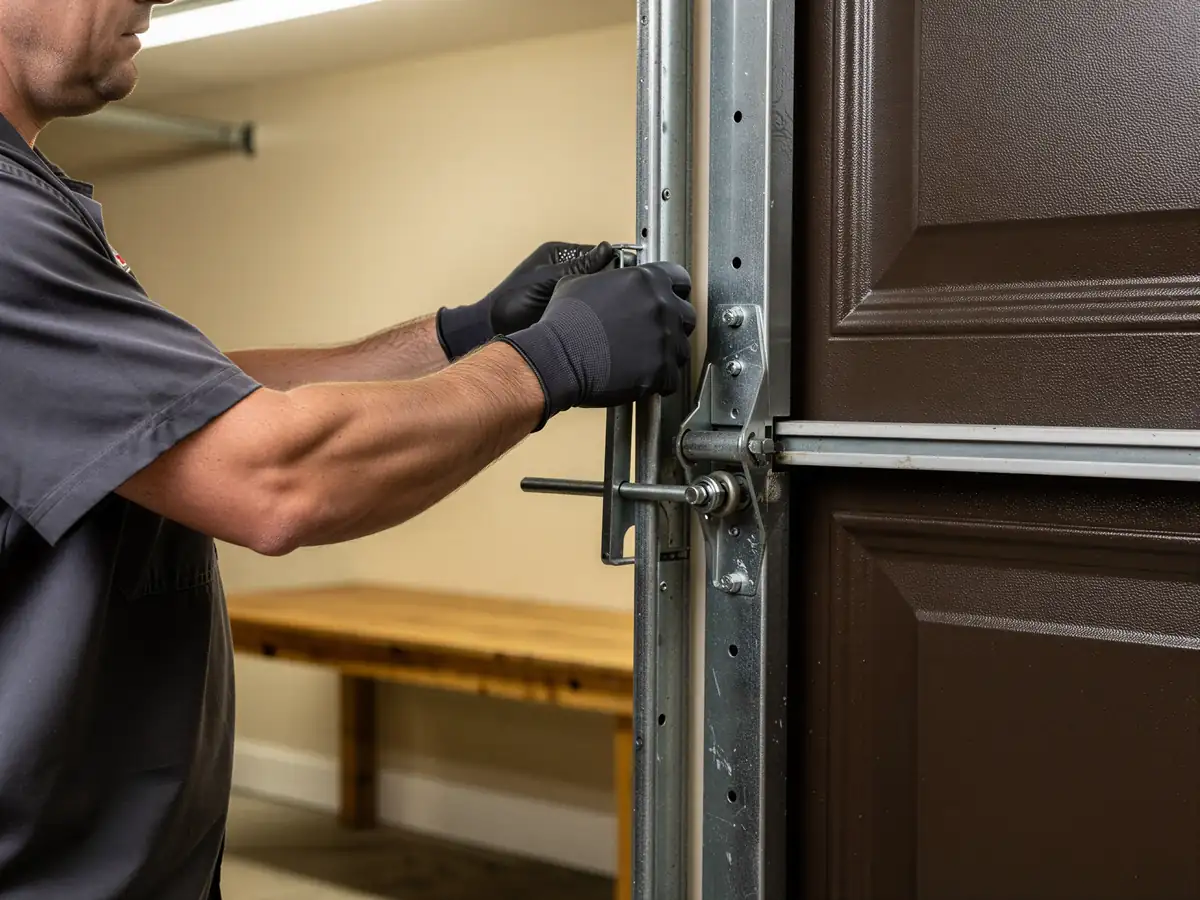
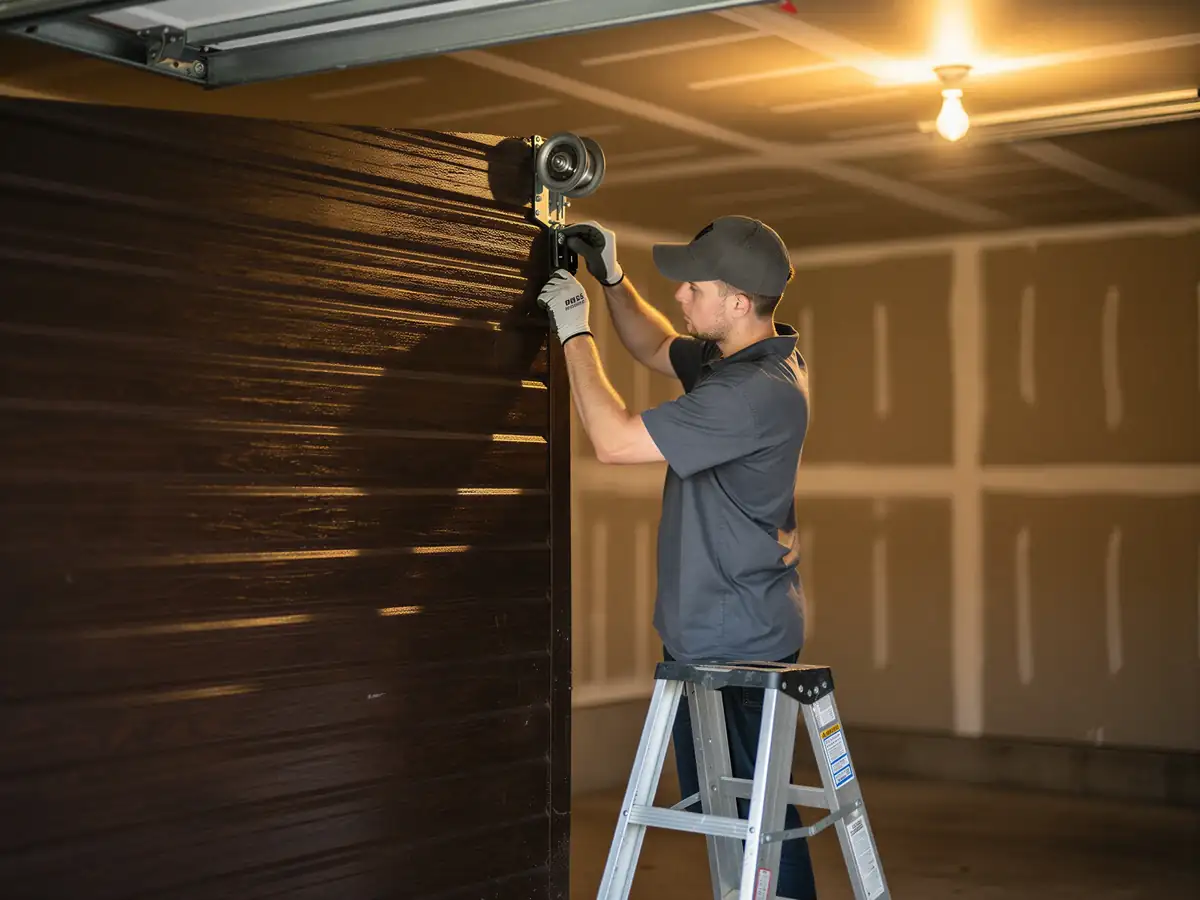
Lubricating rollers, hinges, and the track with the right spray is a fine DIY job and worth doing twice a year, especially heading into the cold months. Tightening loose bolts on the track brackets is reasonable too, if you're comfortable on a ladder. Torsion springs are where we draw the line - they're wound under enough tension to cause a serious injury if the winding bars slip, and that's true whether the door is five years old or forty. If you're not sure whether what you're looking at is a spring issue or something smaller, a quick call before you touch anything saves a trip to the hardware store for the wrong part.
How it works
From “it’s stuck” to “it’s fixed”
01
Tell us what’s wrong
Describe the symptom - won’t open, loud bang, opener runs but the door won’t move.
02
On-site diagnosis
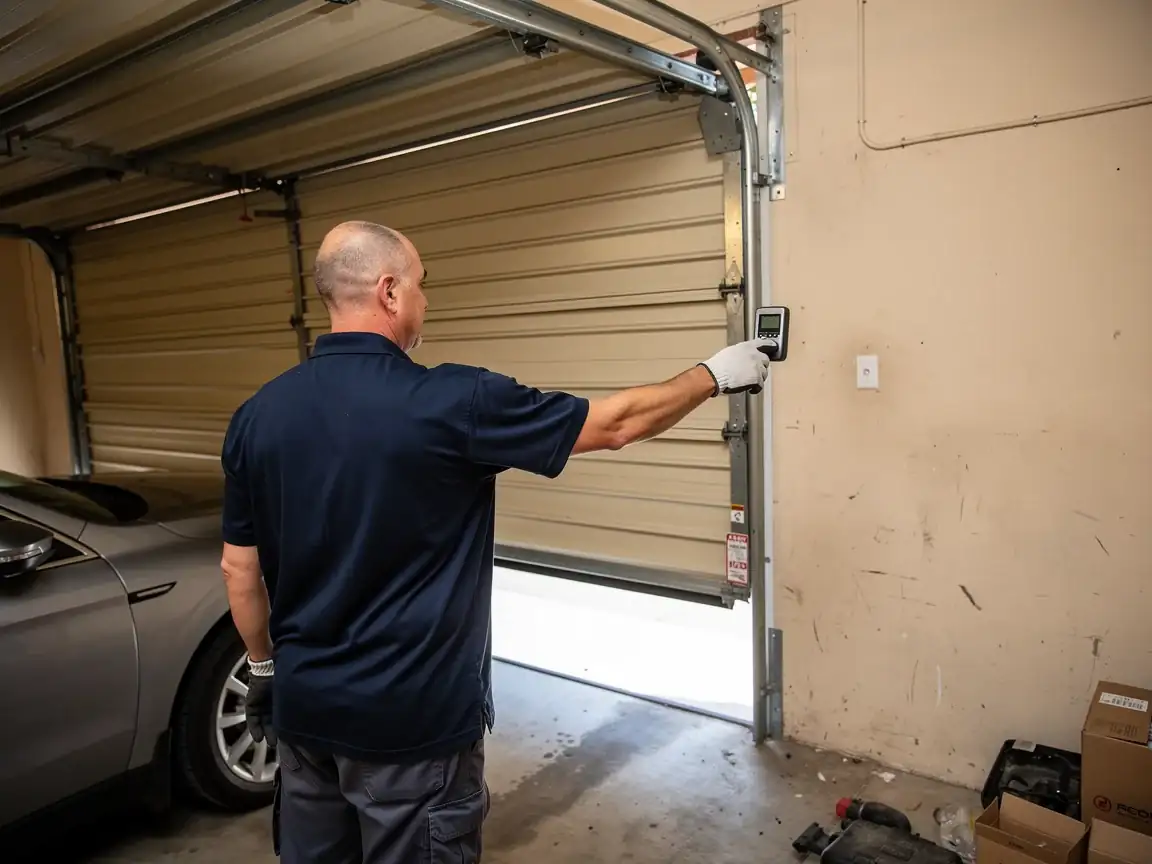
A technician tests the door under power and by hand and finds what actually failed.
03
Clear, up-front plan
You get the fix that’s needed and what drives the cost - before any work starts.
04
Repaired & tested
The repair is done, the door is set true and tested, and the work area left clean.
Not sure which repair your door needs in Orland Park, IL? Describe what it’s doing - every job starts with a diagnosis.
Why do garage door springs fail more in winter here?
Cold steel loses flexibility and the tension in a torsion spring that's already worn thin from years of cycling gives out faster in low temperatures. Combined with Orland Park's older housing stock, a lot of these springs are original to homes built decades ago, so winter is often when the wear finally catches up with the hardware.
Is my opener or my spring the real problem?
If the door is hard to lift by hand with the opener disconnected, that's a spring problem. If it lifts fine by hand but the opener struggles, reverses, or makes grinding noises, that's usually the opener or its gear. Checking by hand first saves a diagnostic call.
Do you work on doors in homes built before 1970?
Yes, and it's common - a large share of homes in this area were built in the 1960s and 70s, so older torsion hardware and original openers are something we see regularly, not an exception.
Ready to get your garage door sorted?
Tell us what it’s doing and where you are in Orland Park - we’ll take it from there.