What Local Conditions Do
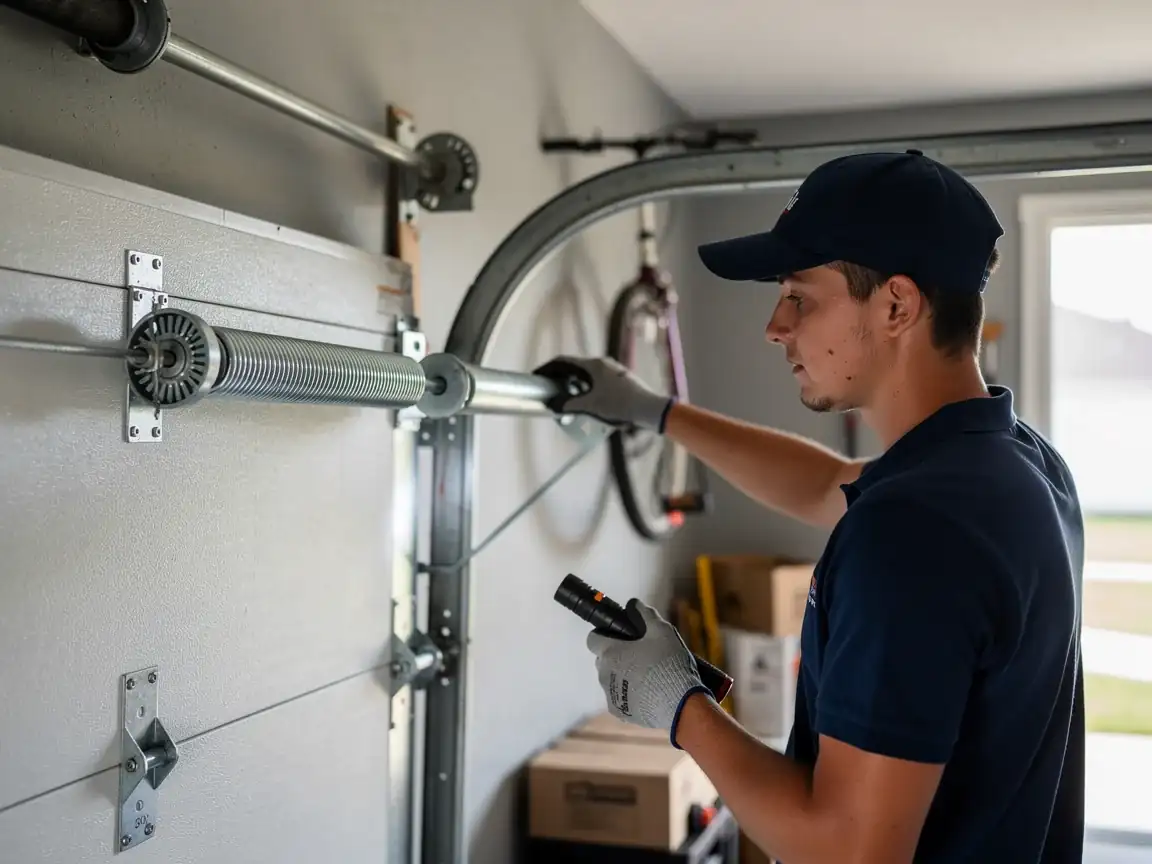
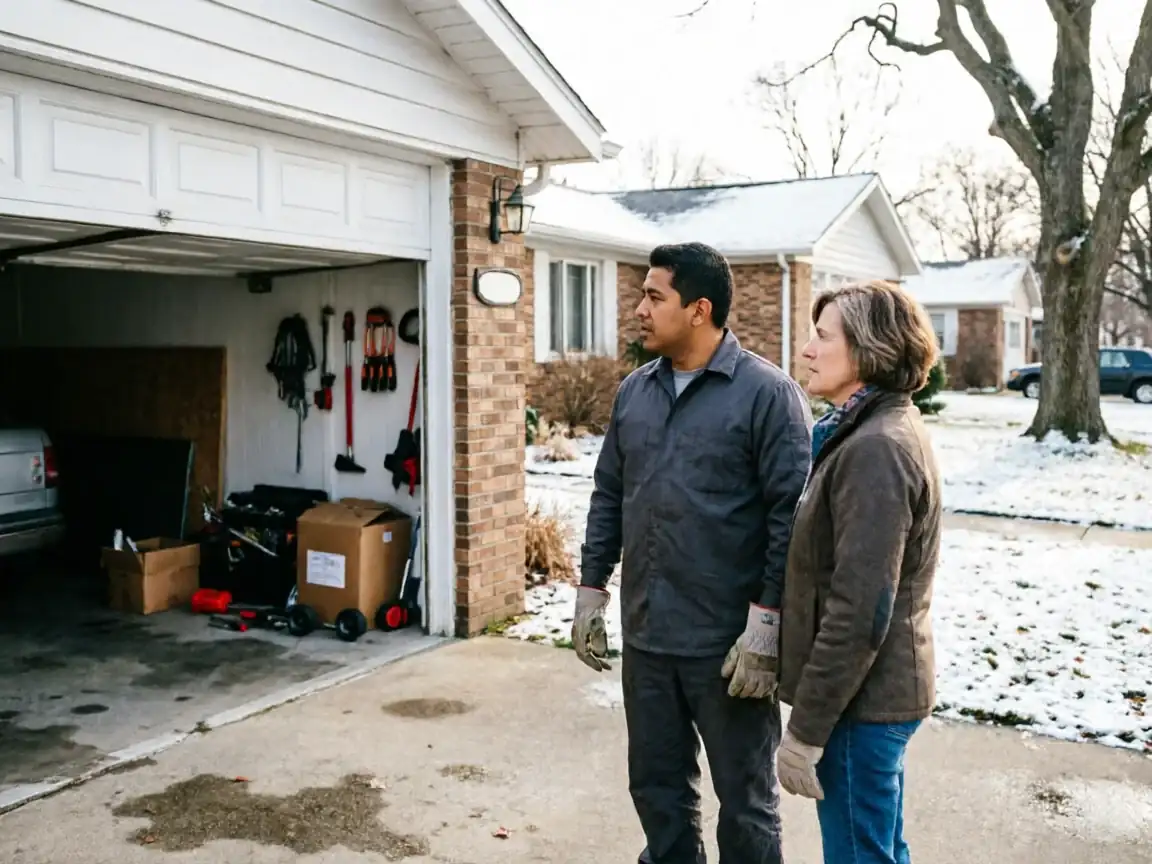
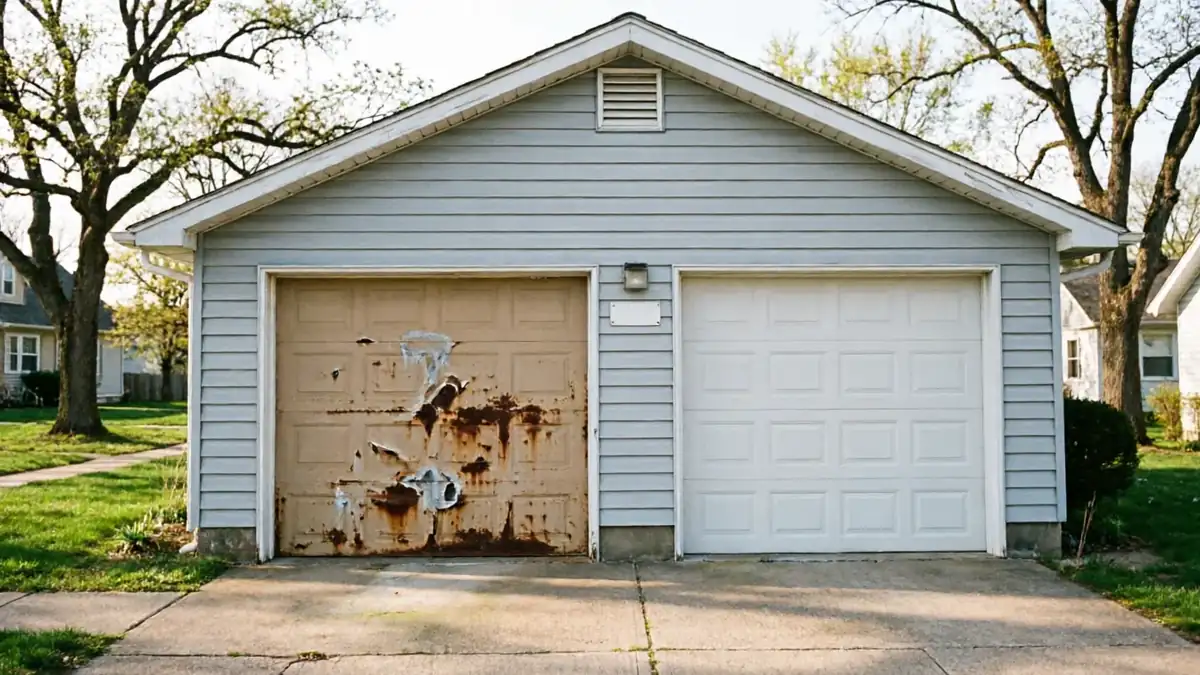
Orland Park sits in a cold-moderate climate band, and that matters more to a garage door than most homeowners assume. Steel panels here go through real freeze-thaw cycling every winter - cold enough overnight to stiffen lubricant and tighten metal, then warm enough some afternoons to let condensation form inside the door skin. That cycle is harder on springs, hinges, and rollers than steady cold or steady heat would be, because the hardware is constantly expanding and contracting instead of settling into one state. On older doors - and a lot of the housing stock in this area dates to the 1960s and 70s - that cycling has had decades to work on original hardware that was never built with today's insulation standards in mind. You'll see it as surface rust starting at hinge points, a track that's slightly out of true from frost heave under the slab, or a spring that's lost tension faster than its rated cycle count would suggest. None of that means the door is junk. It means the climate here is doing exactly what cold-moderate climates do to exposed steel and tensioned springs, and a repair plan has to account for it rather than treat the door like it lives somewhere dry and mild.
The Problem
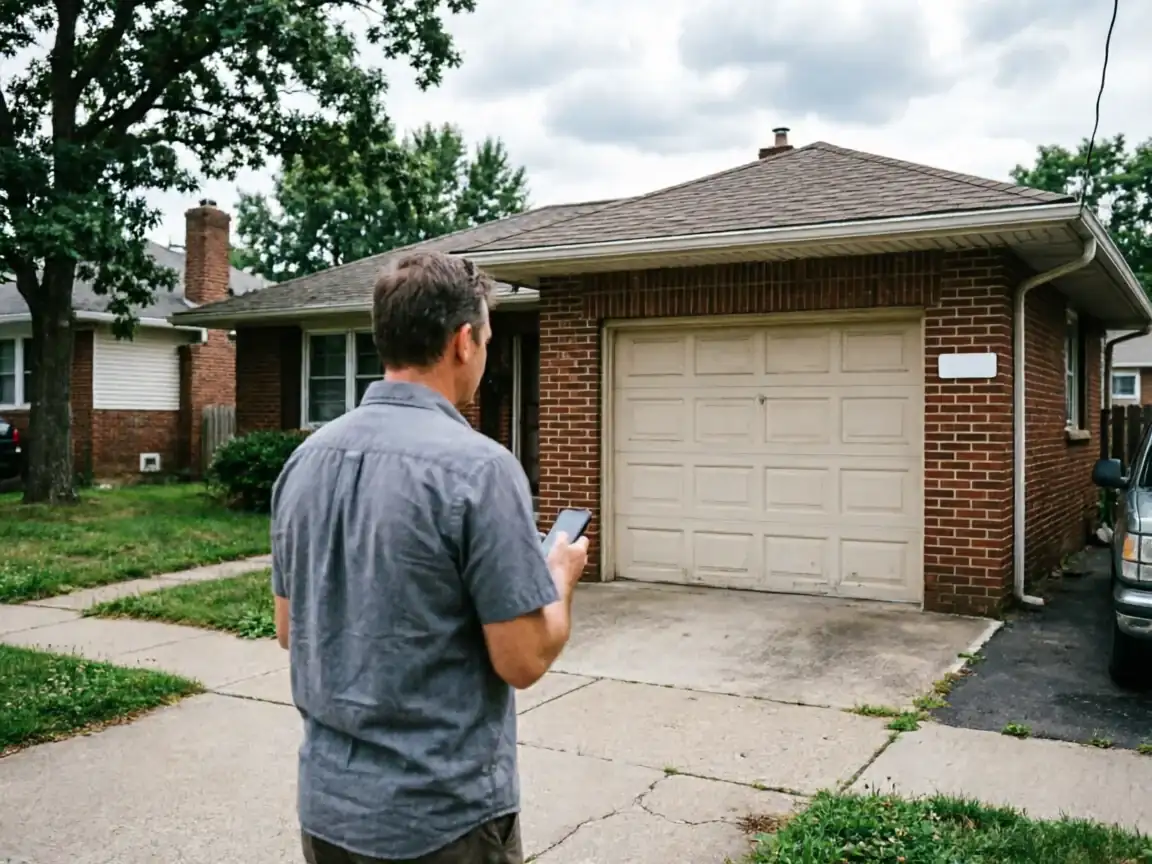
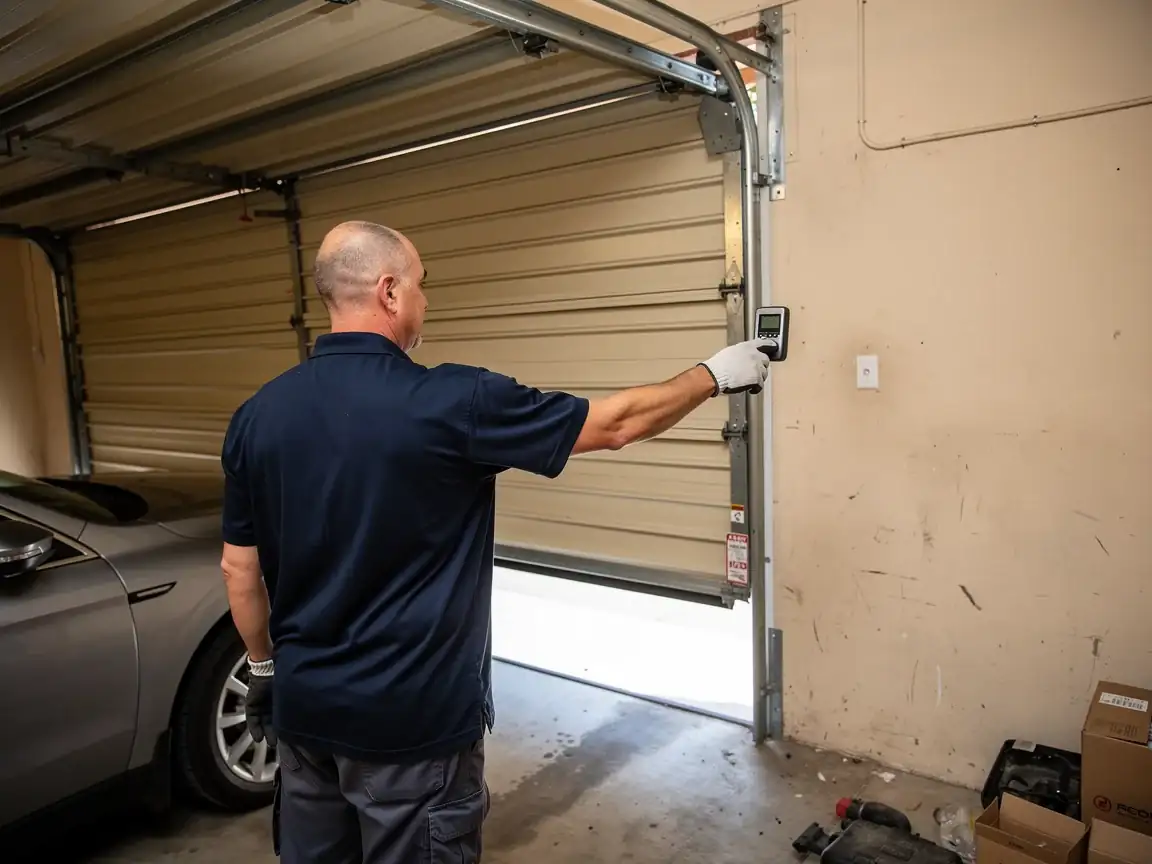
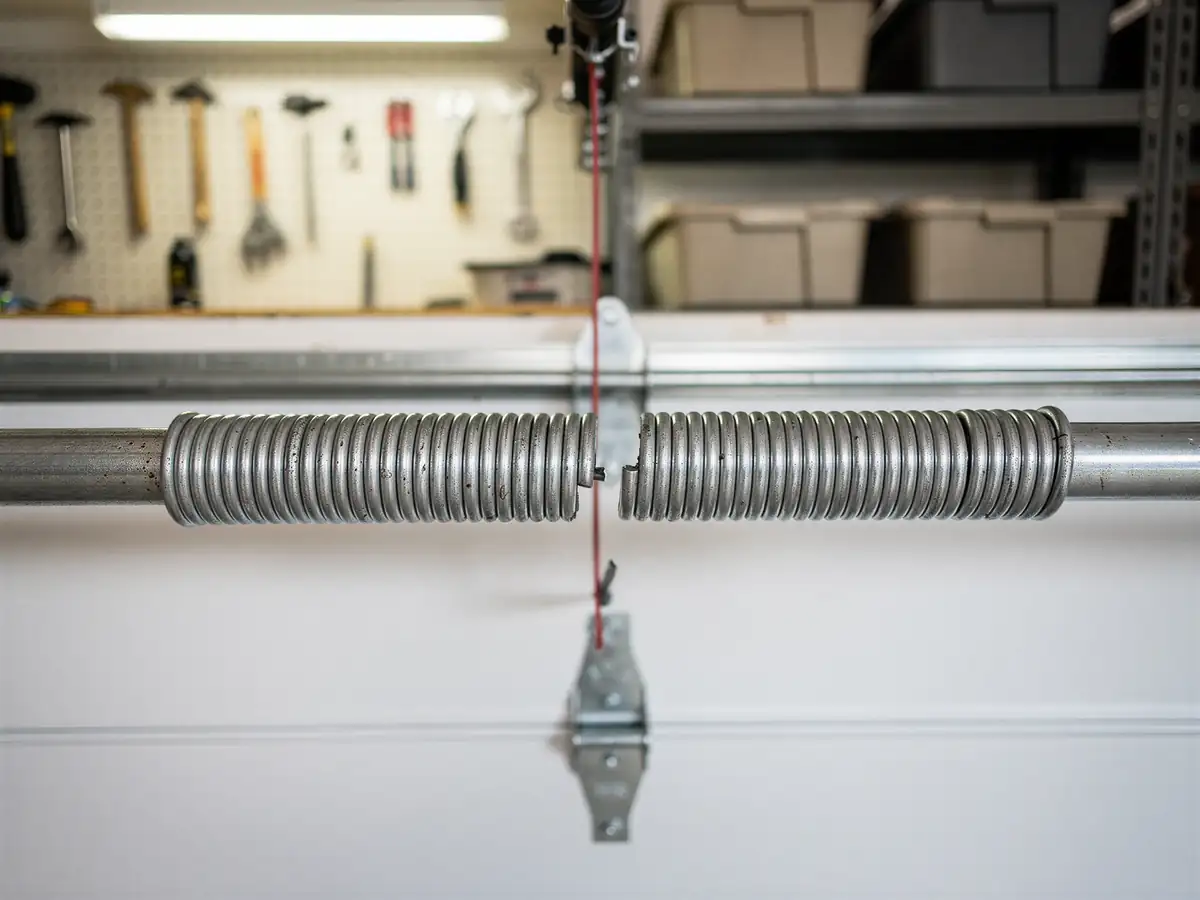
The honest answer to "should I repair this" depends on what's actually wrong, not on how the door looks from the driveway. A single broken spring on a door that's otherwise tracking straight and has sound panels is almost always worth fixing - that's a contained job. A door that's cracked across more than one panel, has a bent track from an impact, and is paired with an opener that's already struggling to lift it is a different situation: you're not fixing one thing, you're chasing three. Given that a large share of the doors in this area trace back to a median build year of 1970, a lot of what we're looking at is original or near-original hardware that's simply aged out - 20 to 25 years is the realistic service life for most torsion springs and openers, and plenty of doors here are two or three times past that mark. Rust that's worked its way from the surface into the panel seams is another stopping point; it's cosmetic until it isn't, and once it's structural, patching it just delays a replacement that's coming anyway. We'll tell you straight when a job is a $150 fix versus a door that's not worth putting more money into.