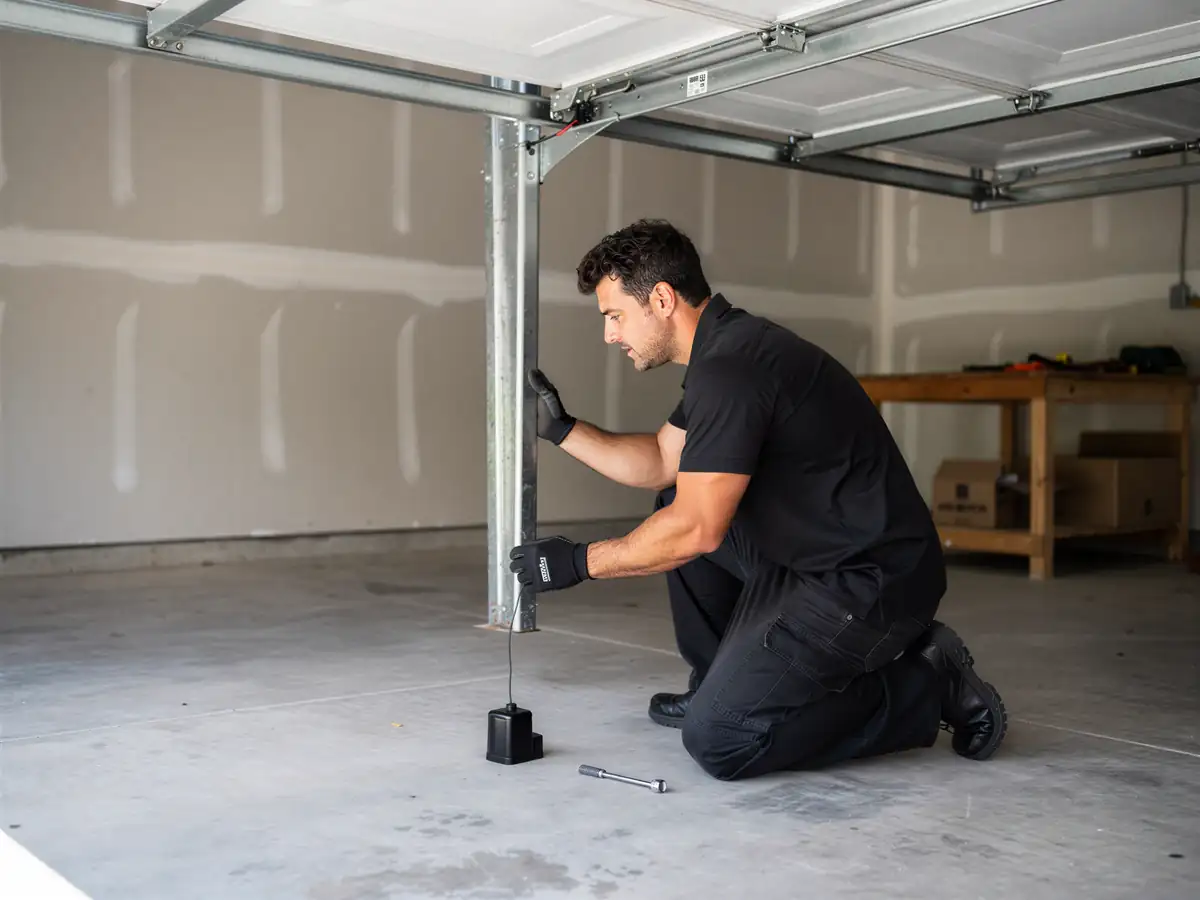
When Your Garage Door Predates Insulation Standards
Most Orland Park homes date to 1938-2004, many before garage doors came insulated. Here's what that means for cold-weather comfort, repair cost, and what to check yourself.
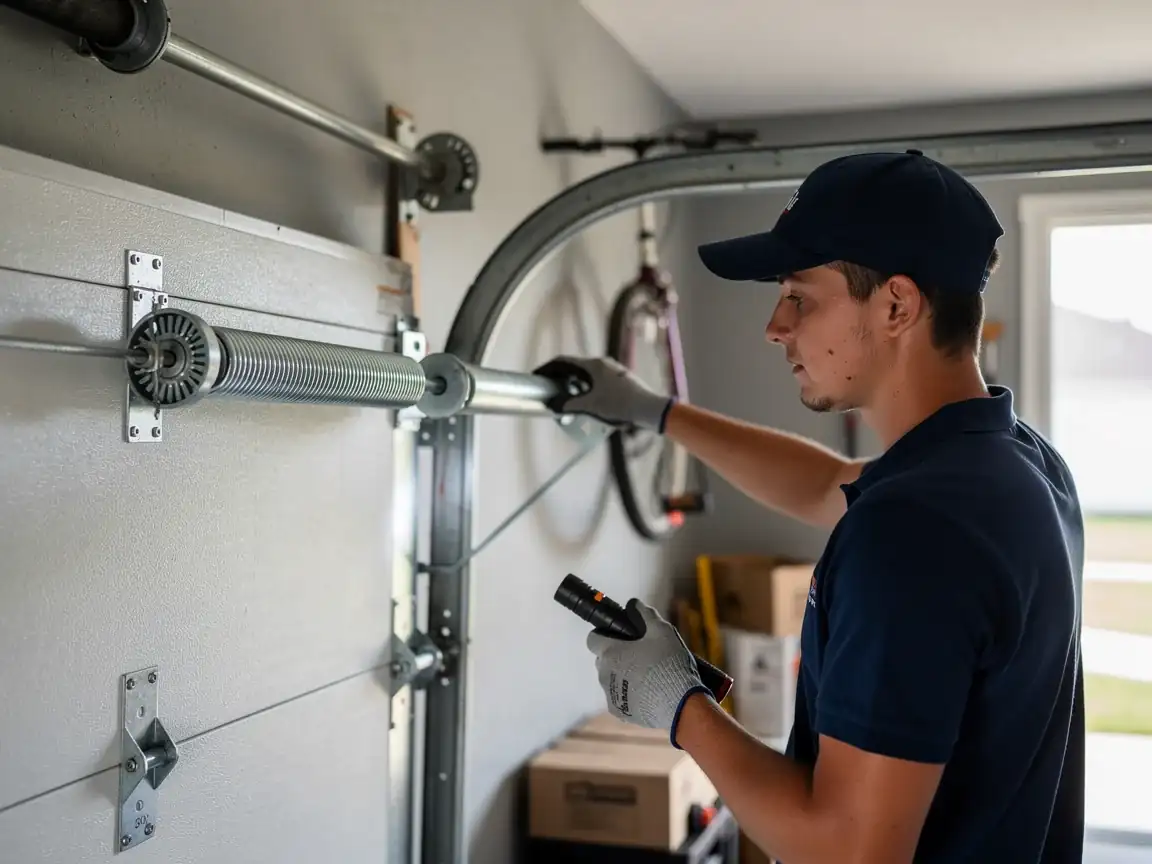
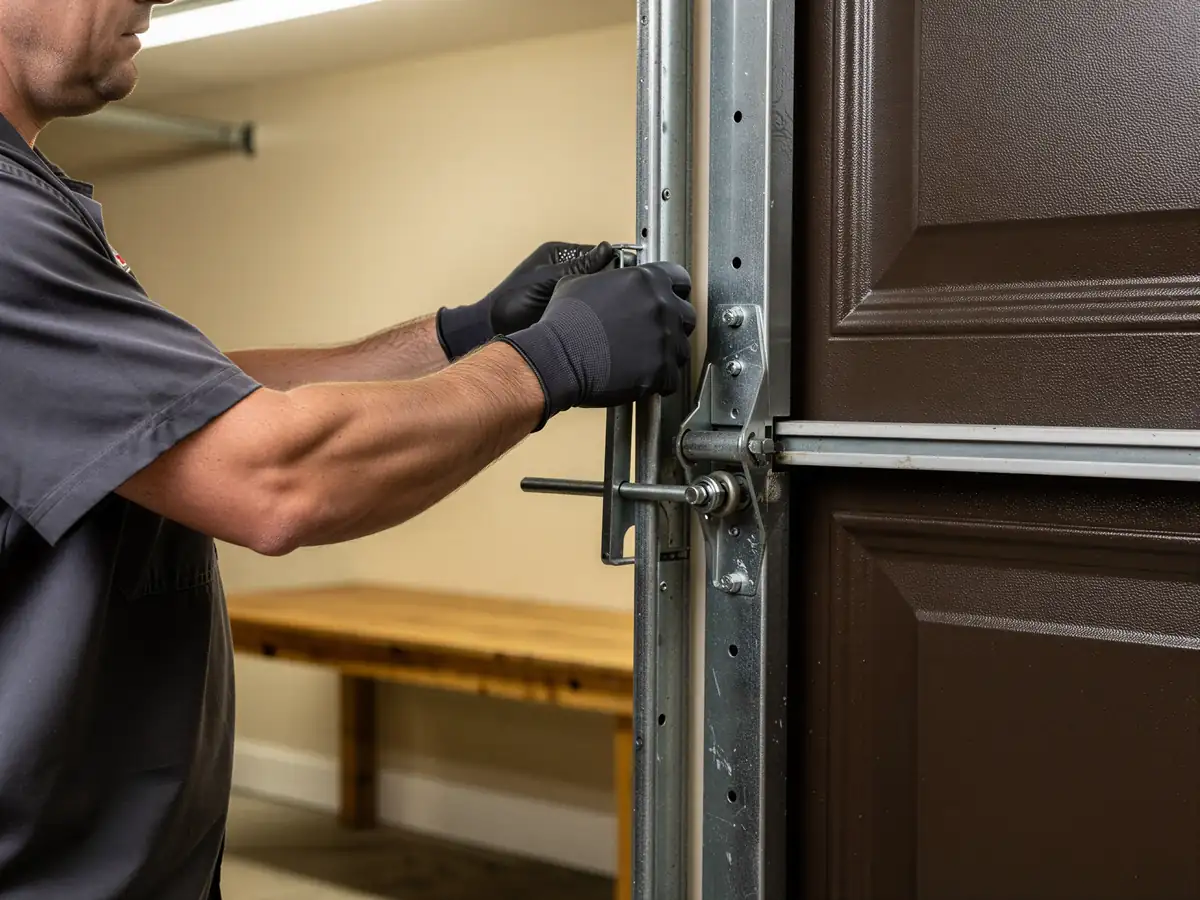
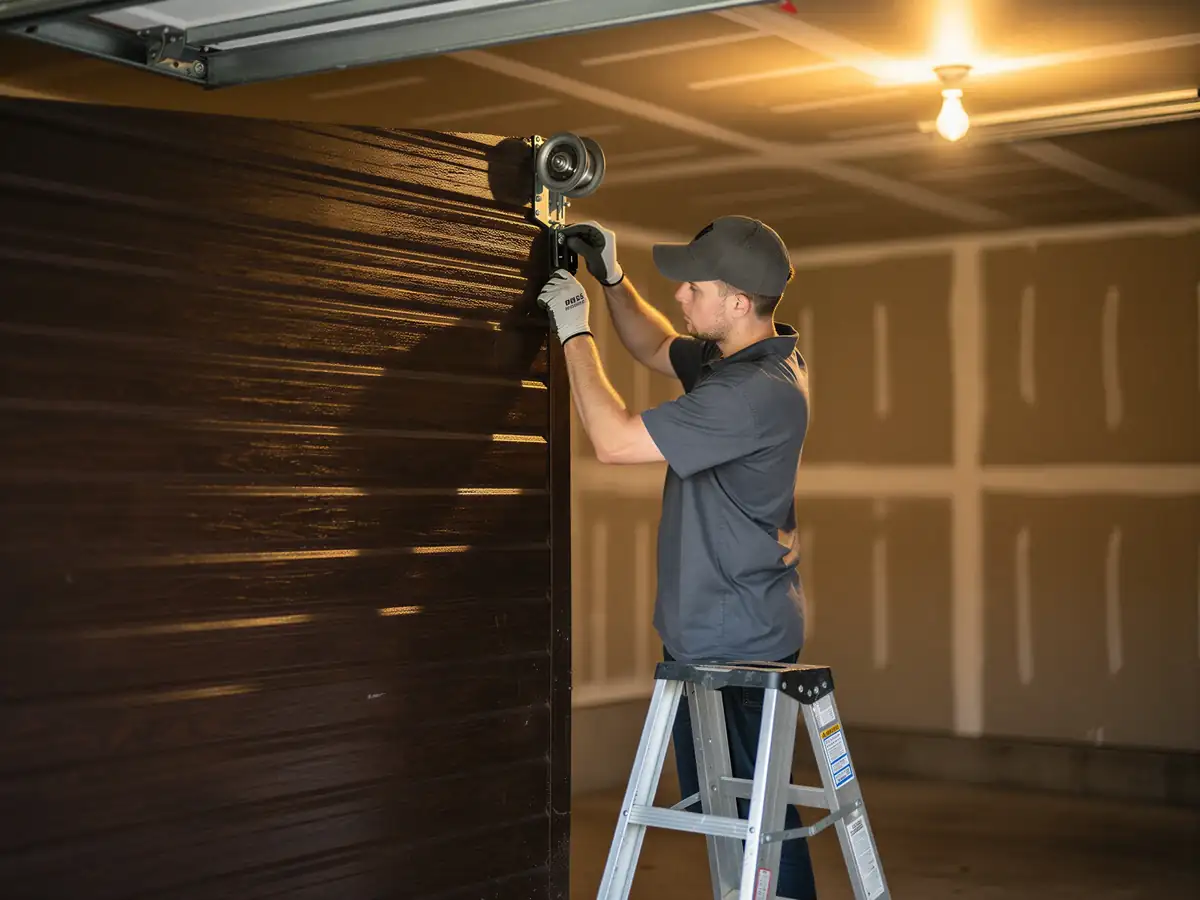
We can't quote a number here without a door in front of us, so instead of a made-up figure, here's what actually drives the cost on a job like this. A single-skin steel door with no insulation layer is a different repair than a two-layer or three-layer insulated door, and most of what you'll find on houses built in the 1960s and 70s across this area is the former. Fixing a bent panel or a broken spring on an old single-skin door is usually simpler and cheaper than the same repair on a newer sandwich-construction door, because there's no foam core or vapor barrier to work around. Where cost climbs is when the door itself is the problem, not just a part: once a steel skin has rusted through at the bottom panel or warped from decades of temperature swings, patching it doesn't hold, and replacement becomes the honest answer instead of another repair. That's not a sales pitch, it's just how steel behaves after fifty-plus years. Get a tech to look at the actual door and hardware before you plan around any number, because the gap between a spring job and a full door swap is large.
What Local Conditions Do
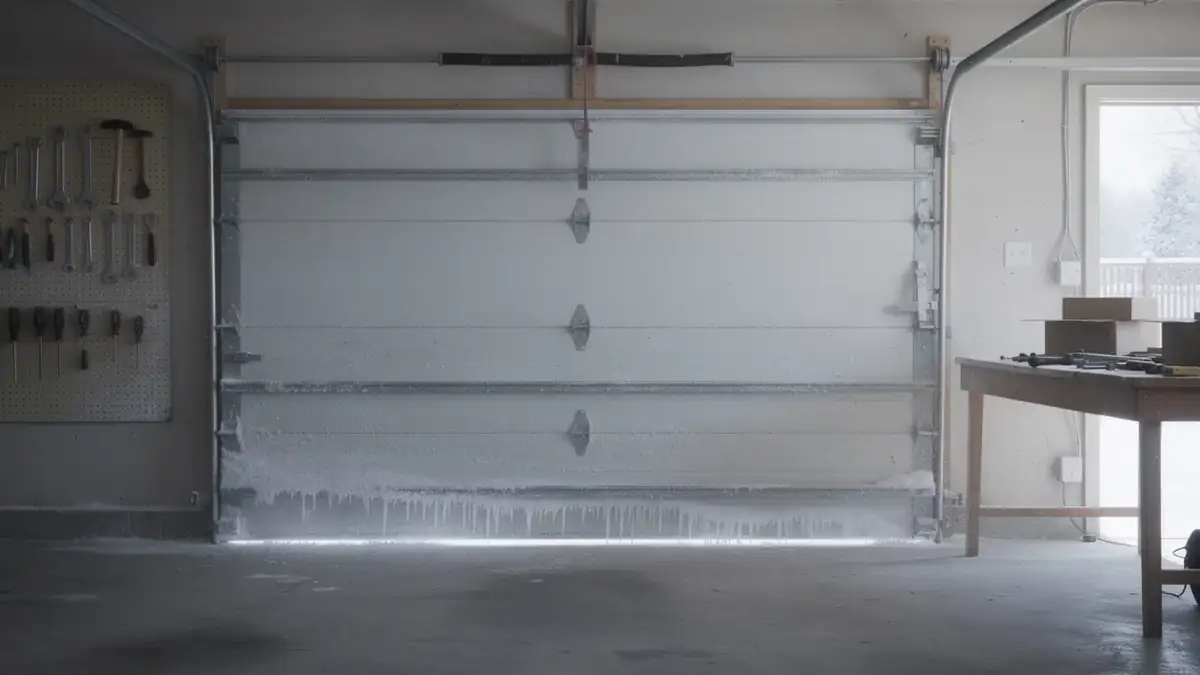
This area sits in a cold-moderate climate band, which means the garage takes real temperature swings every winter, not just a few cold nights. A door with no insulation layer doesn't just feel cold to the touch, it lets that cold radiate straight into the garage air, and if the garage shares a wall with living space, that cold moves into the house too. Condensation is the part people notice last: warm indoor air meets a cold steel door skin and you get moisture beading on the inside panel, which over years works on the paint, the hardware, and eventually the steel itself. None of this is a defect in the door. It's what an uninsulated steel skin does in a climate that spends real months below freezing. Doors built with a foam core and a thermal break handle that swing without sweating or losing heat the same way, which is the main reason insulation got added to garage door standards in the first place. If your door predates that, the cold isn't a surprise, it's just physics doing what it does to bare steel.
The Problem
Housing in this area runs from 1938 up through 2004, with most of it concentrated in the 1960s and 70s build era. That matters here because garage doors didn't commonly ship with insulation until well after that window, so a door that's original to a house from that era is almost certainly a single layer of steel with nothing behind it. Over fifty-plus years, that steel has been through enough freeze-thaw cycles that the panels often show it: hairline rust at the bottom seam, slight bowing across the width of a wide double door, hardware that's stiffened or seized from repeated cold snaps. None of that means the door is unsafe tomorrow, but it does mean the door is doing more work in the cold than it was built to handle, and the wear shows up faster than it would on a newer insulated door. With 252,172 owner-occupied houses across this service area and most of the stock from that same pre-insulation era, this isn't an unusual call for us. It's one of the more common reasons a door gets a hard look in winter instead of spring.
Checking It Yourself
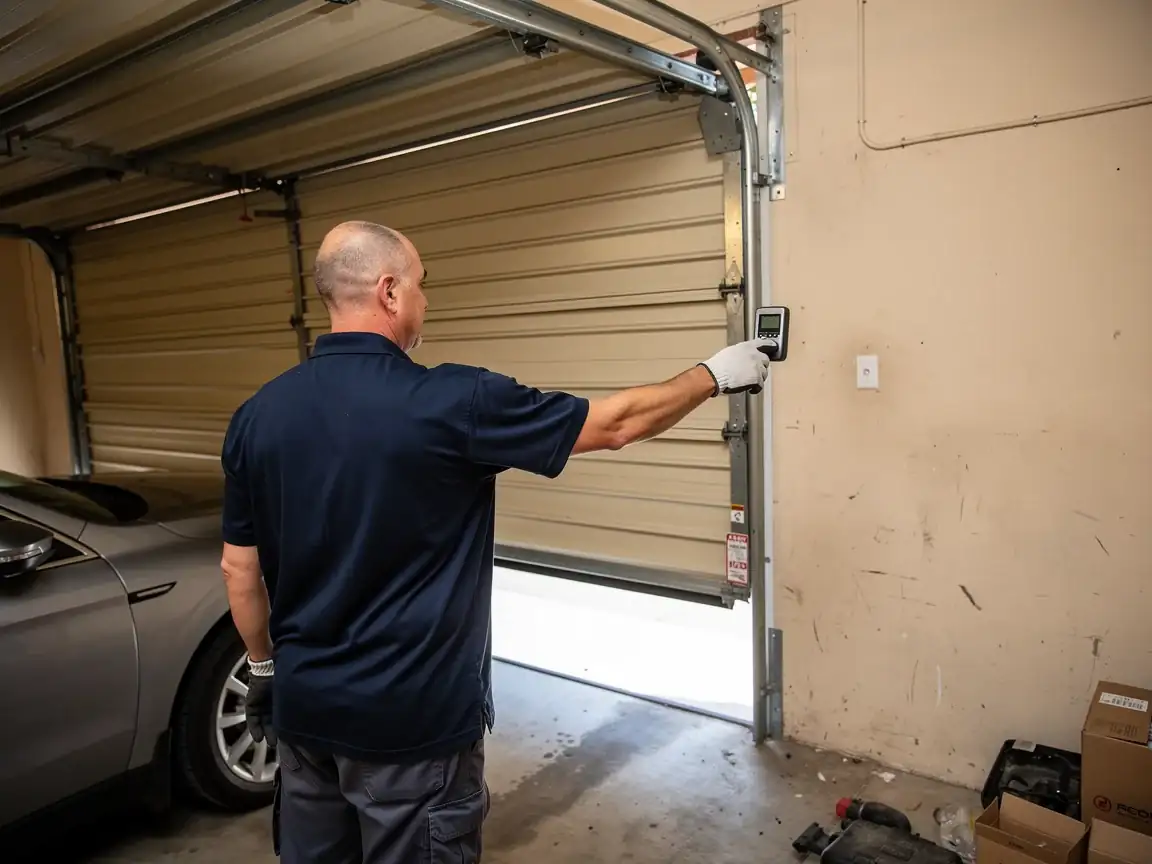
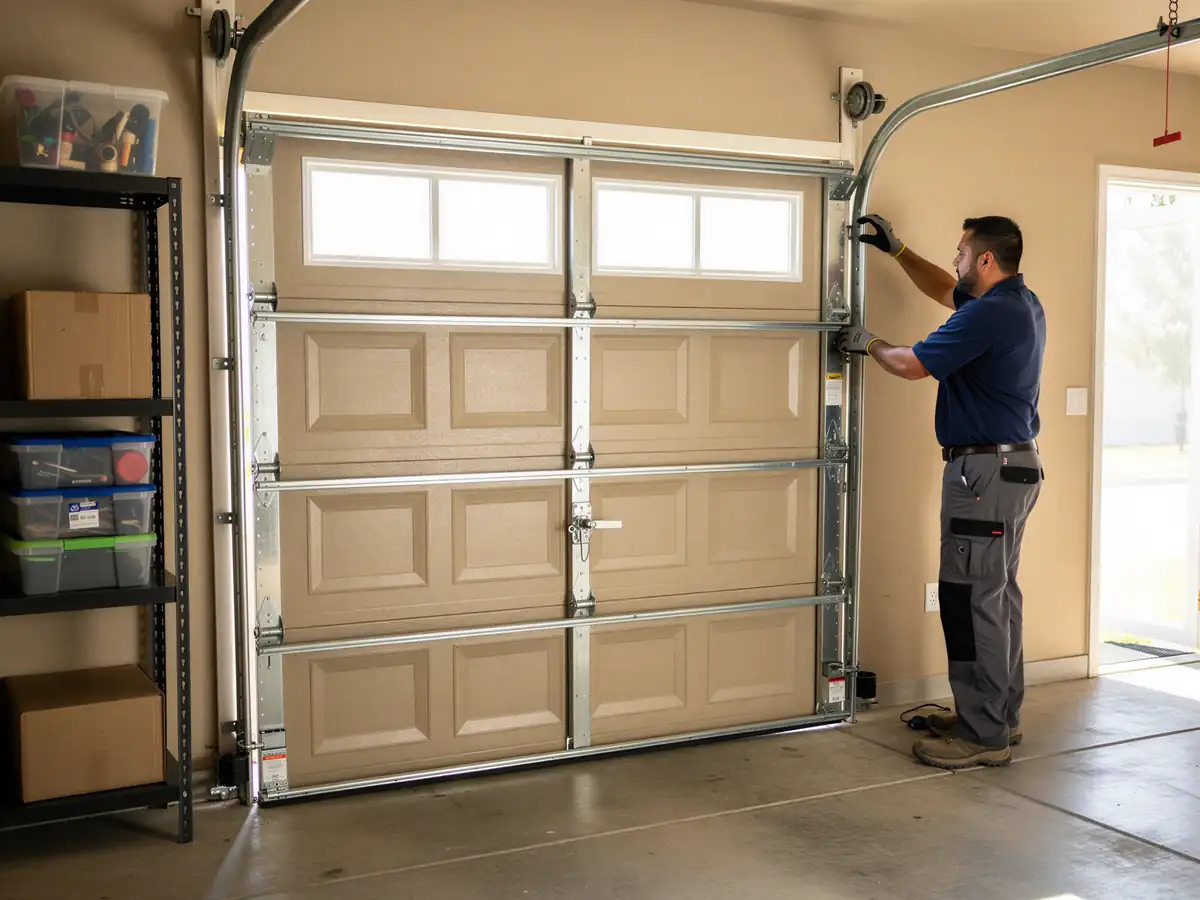
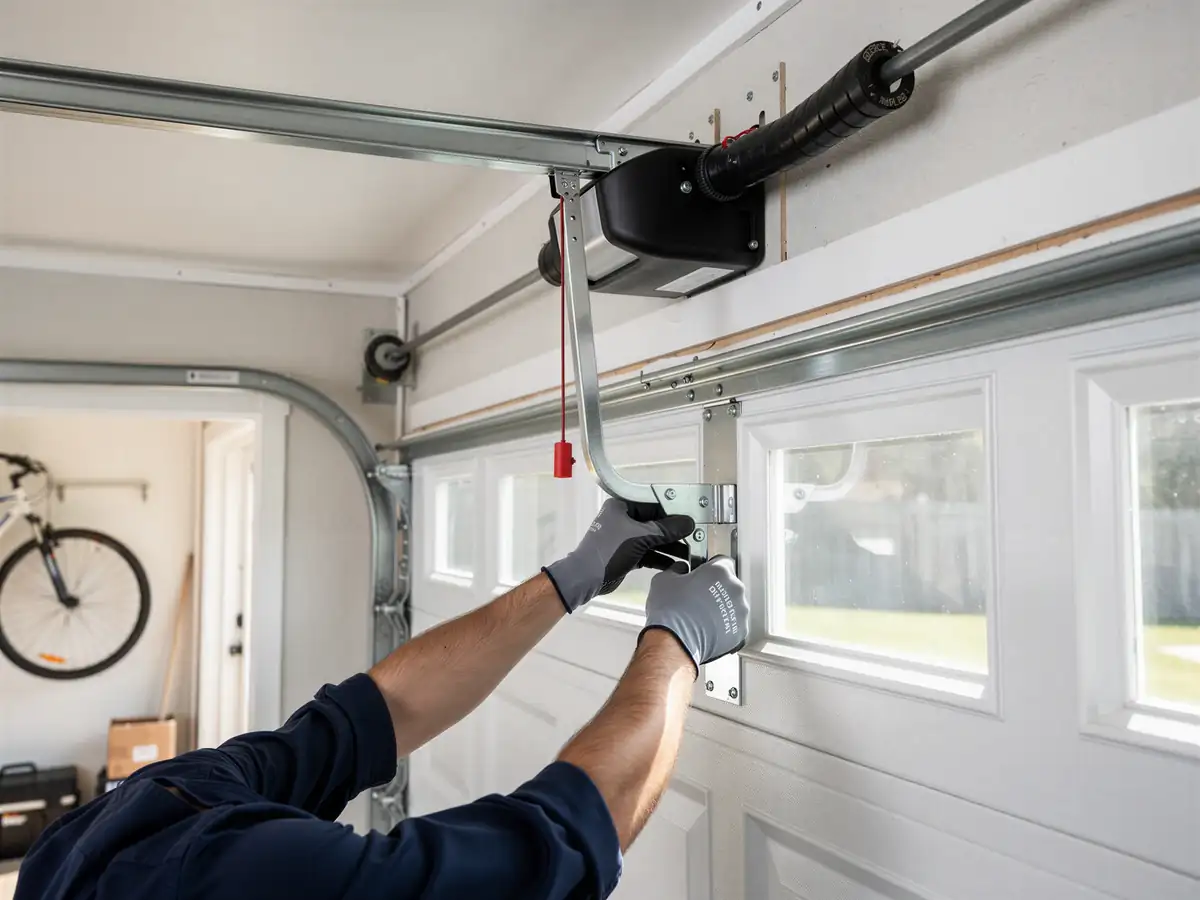
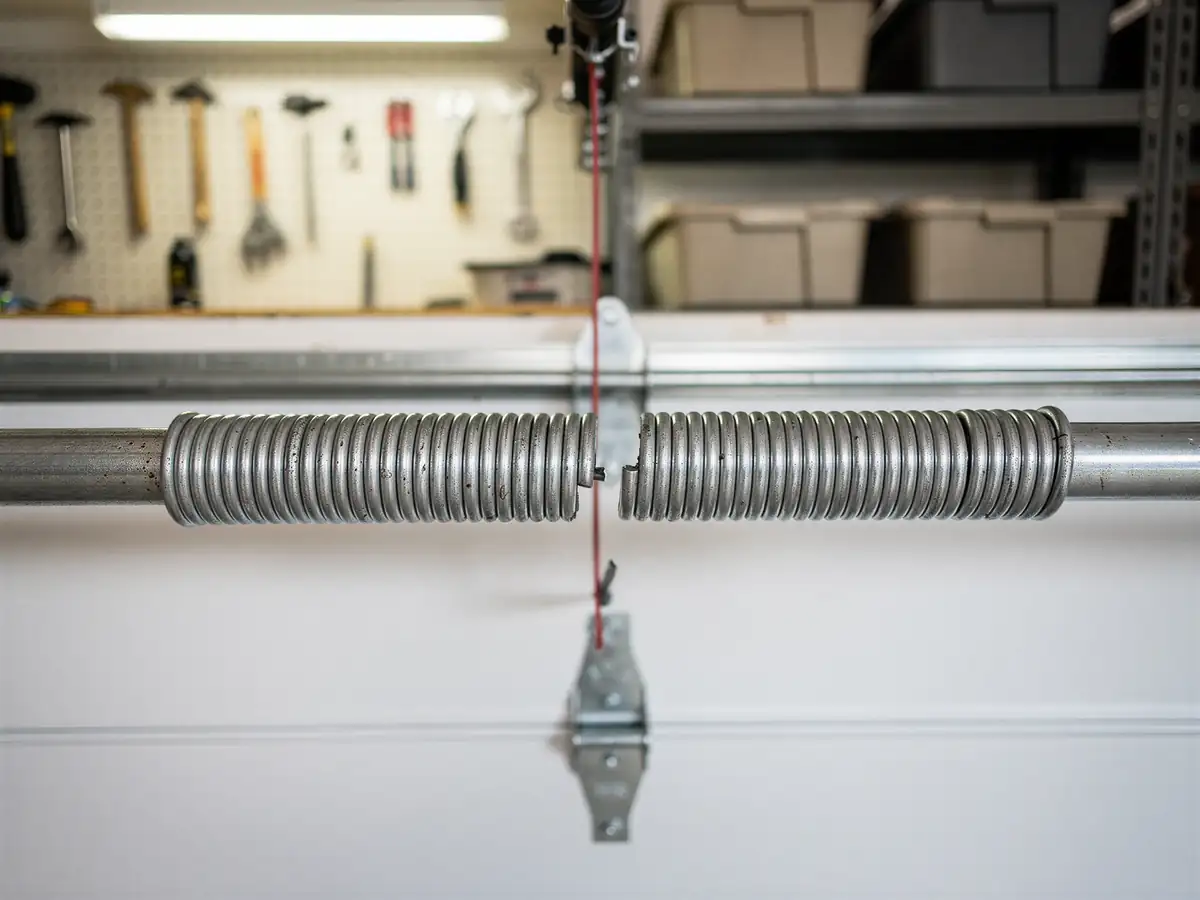
Before you call anyone, open the garage and look at the door from the inside. If you see bare steel ribbing with nothing behind it, no foam, no backer panel, that's a single-skin door with no insulation, which fits the age of a lot of houses in this area. Run a hand along the bottom weatherstrip on a cold day; if you can feel a draft through it, that seal is shot regardless of what's going on with the panel itself, and it's a cheap fix compared to the door. Check the corners of the panels for rust bubbling under the paint, especially near the bottom, since that's where moisture sits longest. Try the door by hand with the opener disconnected: if it's hard to lift or drops fast, a spring is tired, which is a separate issue from insulation but often shows up around the same age. One limit worth saying plainly: we can tell you what we see from the garage side, but we can't tell you what's happening inside a sealed panel without opening it up, and on an old single-skin door there's usually nothing in there to open.
Does my garage door need insulation if the garage isn't heated
Even an unheated garage benefits, because an insulated door slows how fast cold moves in and cuts down on condensation on the inside of the panel. If the garage shares a wall with the house, an insulated door also keeps that cold from pulling heat out of the rooms next to it, which matters more here given the winter swings this area gets.
Can I add insulation to my existing door instead of replacing it
On some single-skin steel doors, yes, kits exist to add a foam layer to the inside face. It helps with temperature and some noise, but it won't fix rust, warping, or worn hardware. If the door itself is in rough shape, insulating it first just means redoing the work later when the door gets replaced anyway.
How do I know if my door is original to the house
If your house was built in the 1960s or 70s like most in this area and the door looks like plain steel ribbing with no backer panel inside, there's a good chance it's original or an early replacement from before insulated doors were standard. A tech can usually tell by the panel construction and hardware style.
Ready to get your garage door sorted?
Tell us what it’s doing and where you are in Orland Park - we’ll take it from there.