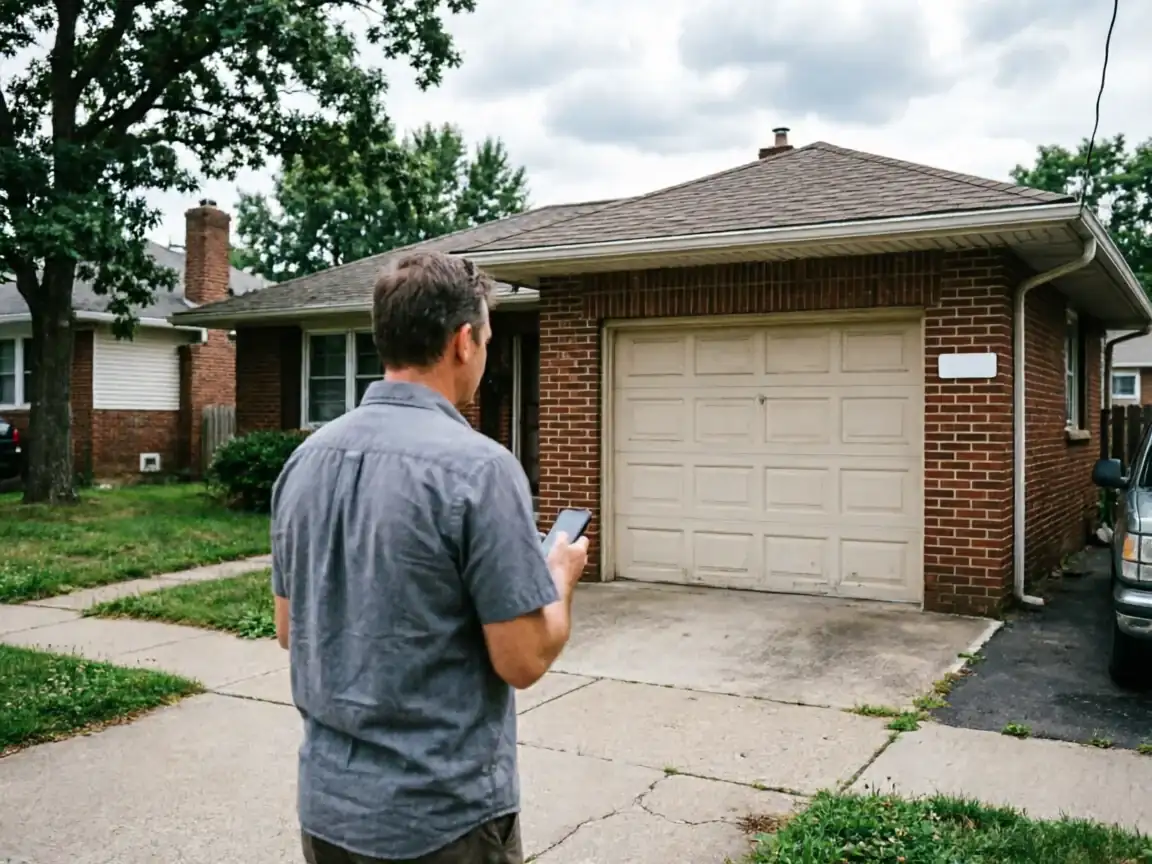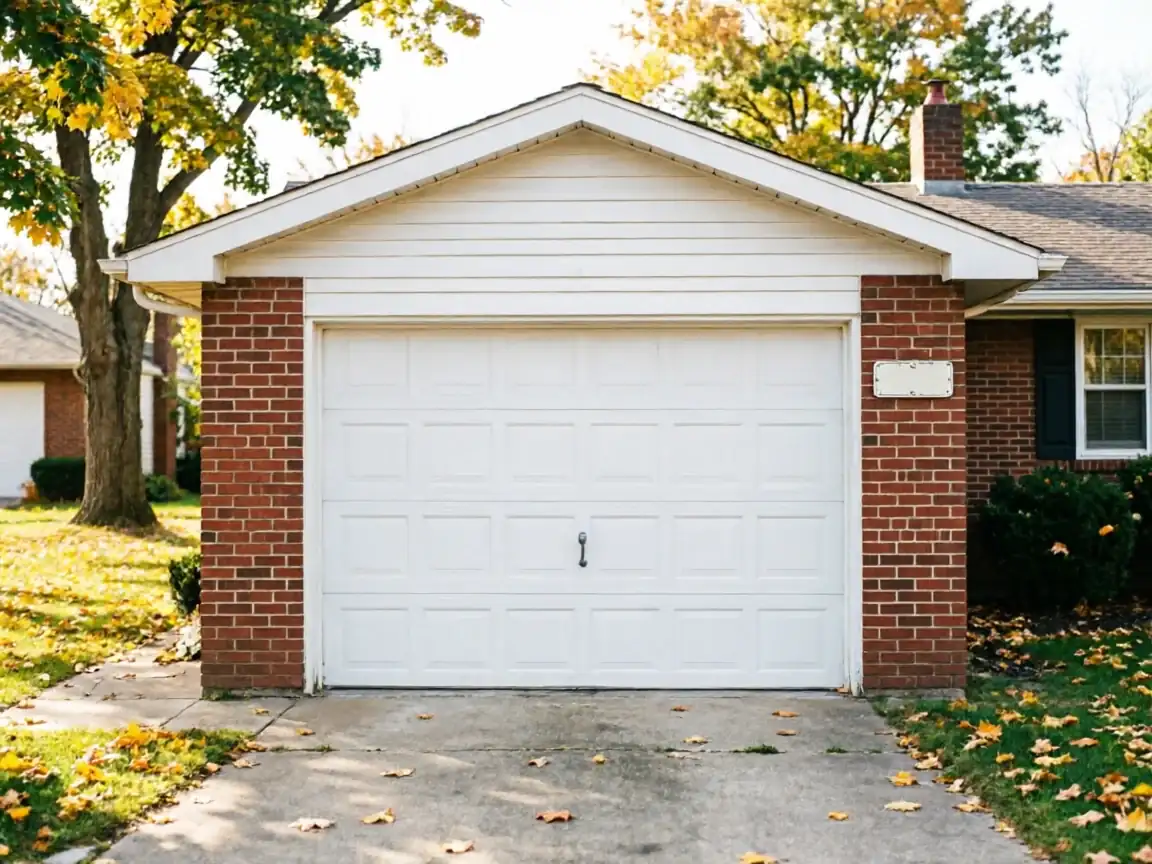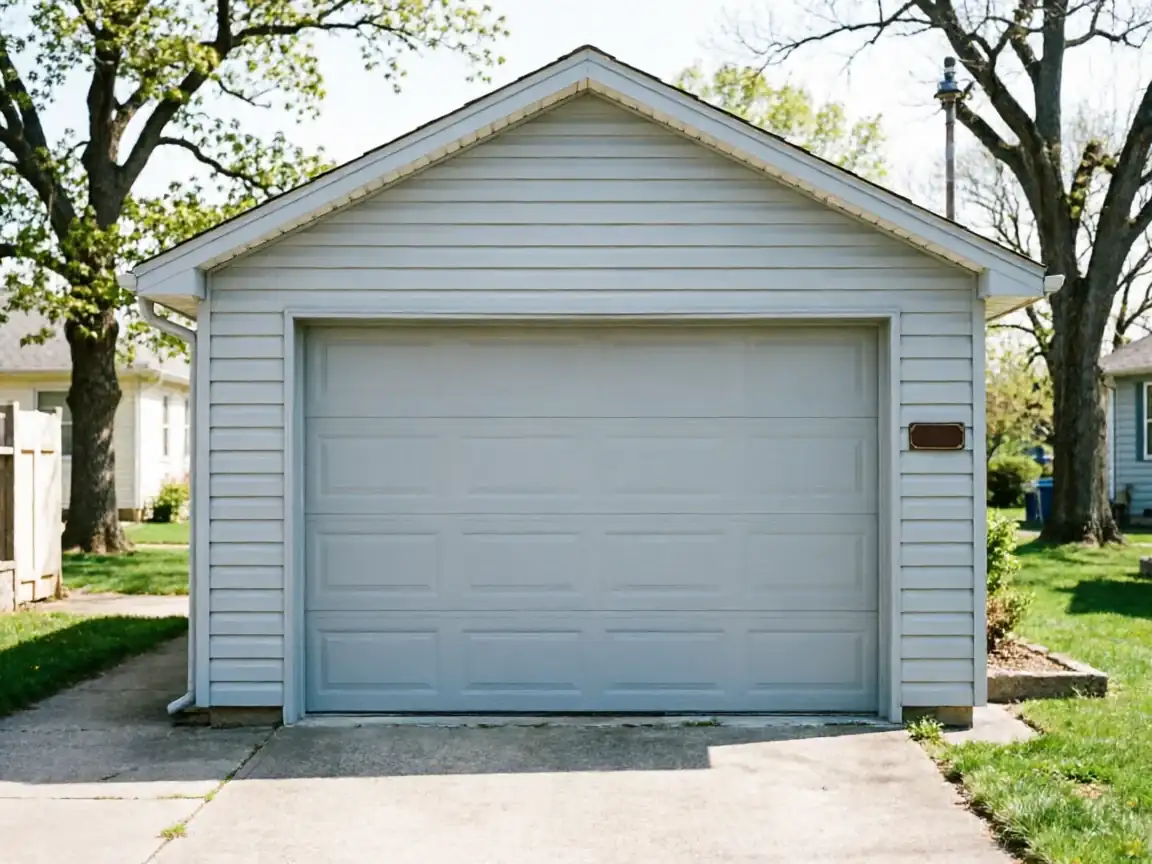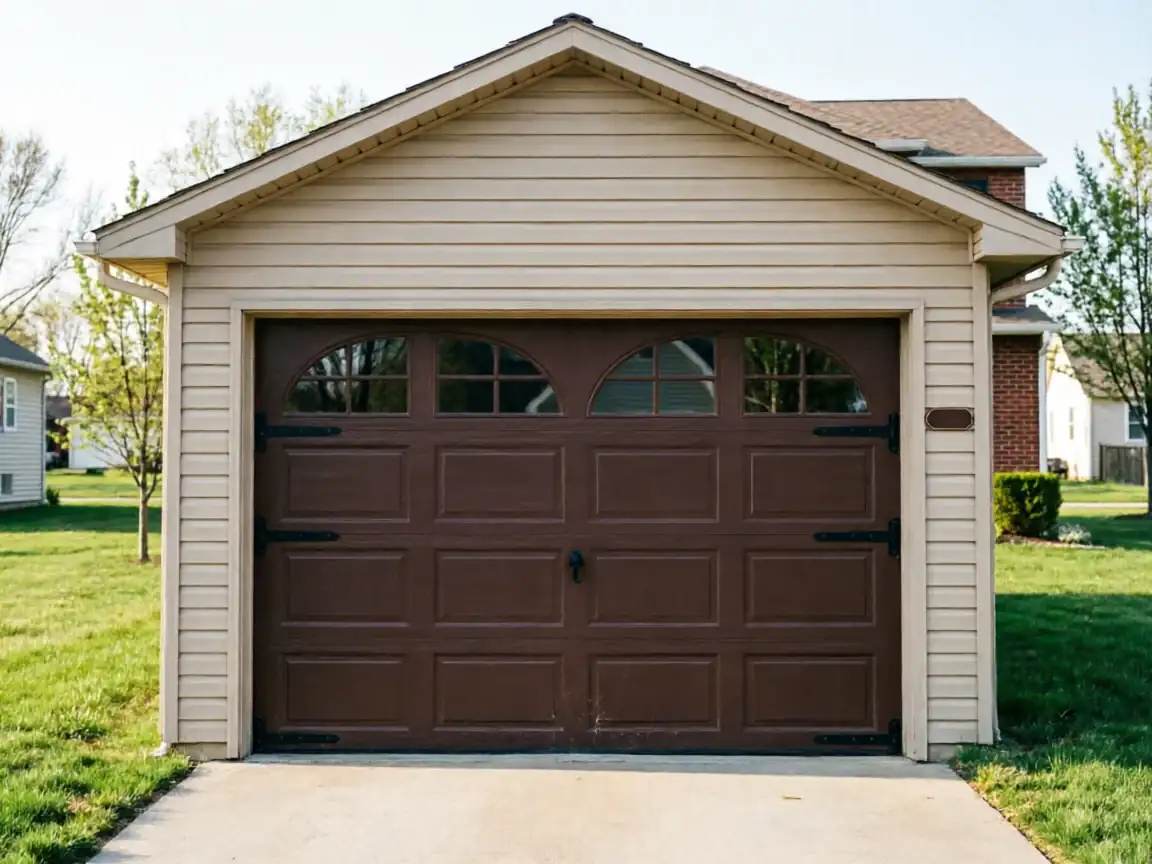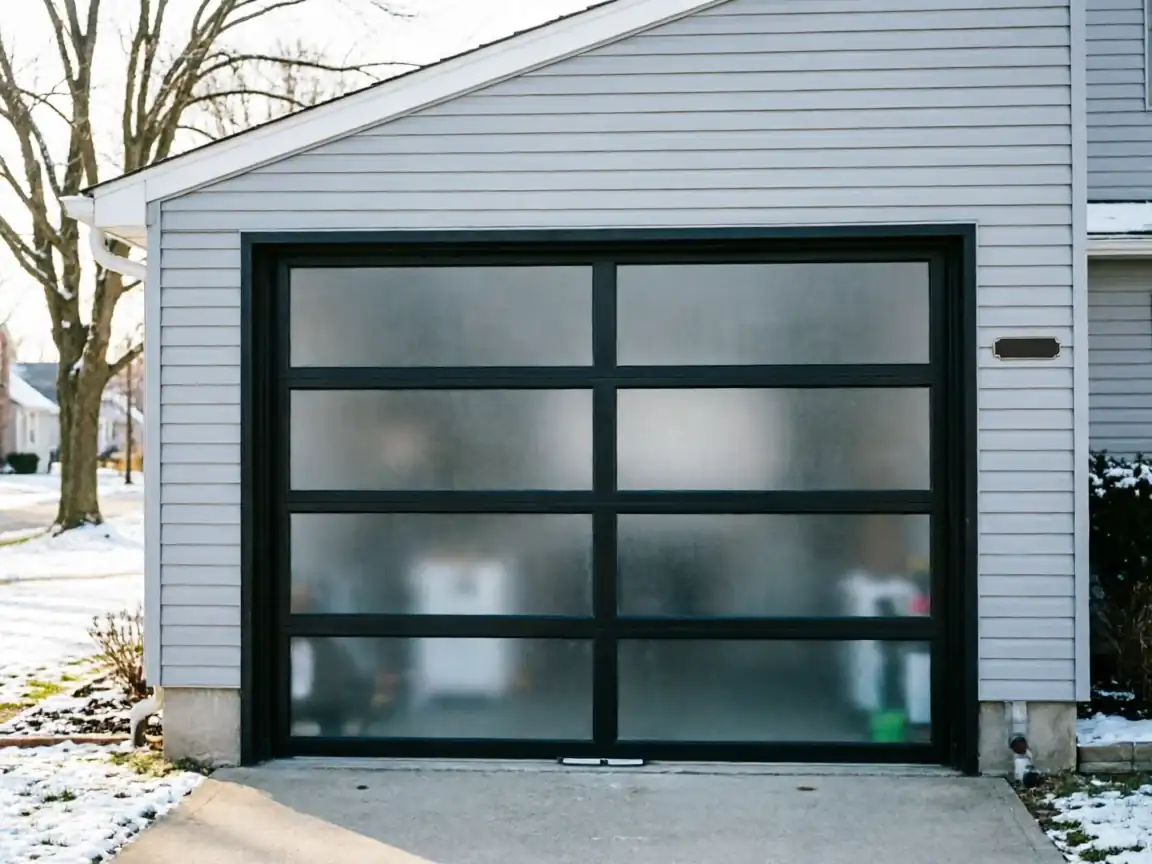
The Symptom
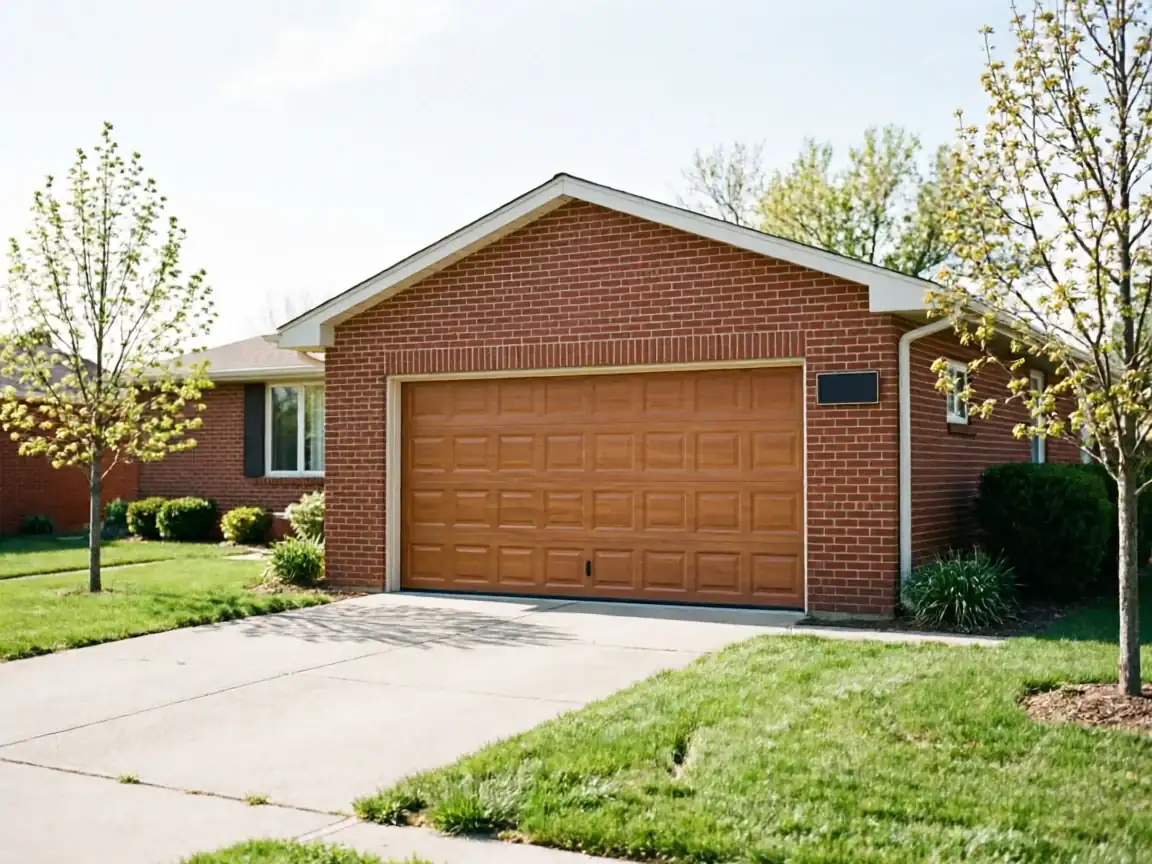
Homer Glen's housing stock is newer than a lot of what we see closer to Orland Park
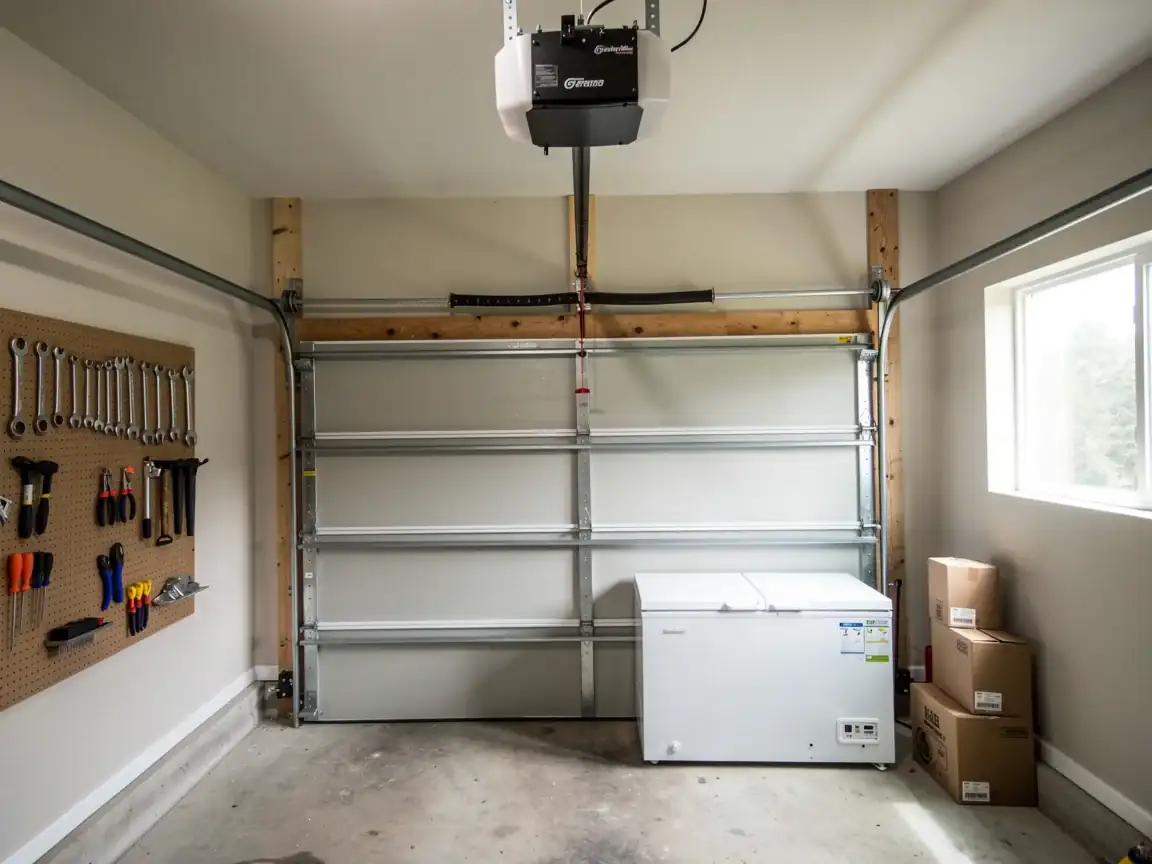
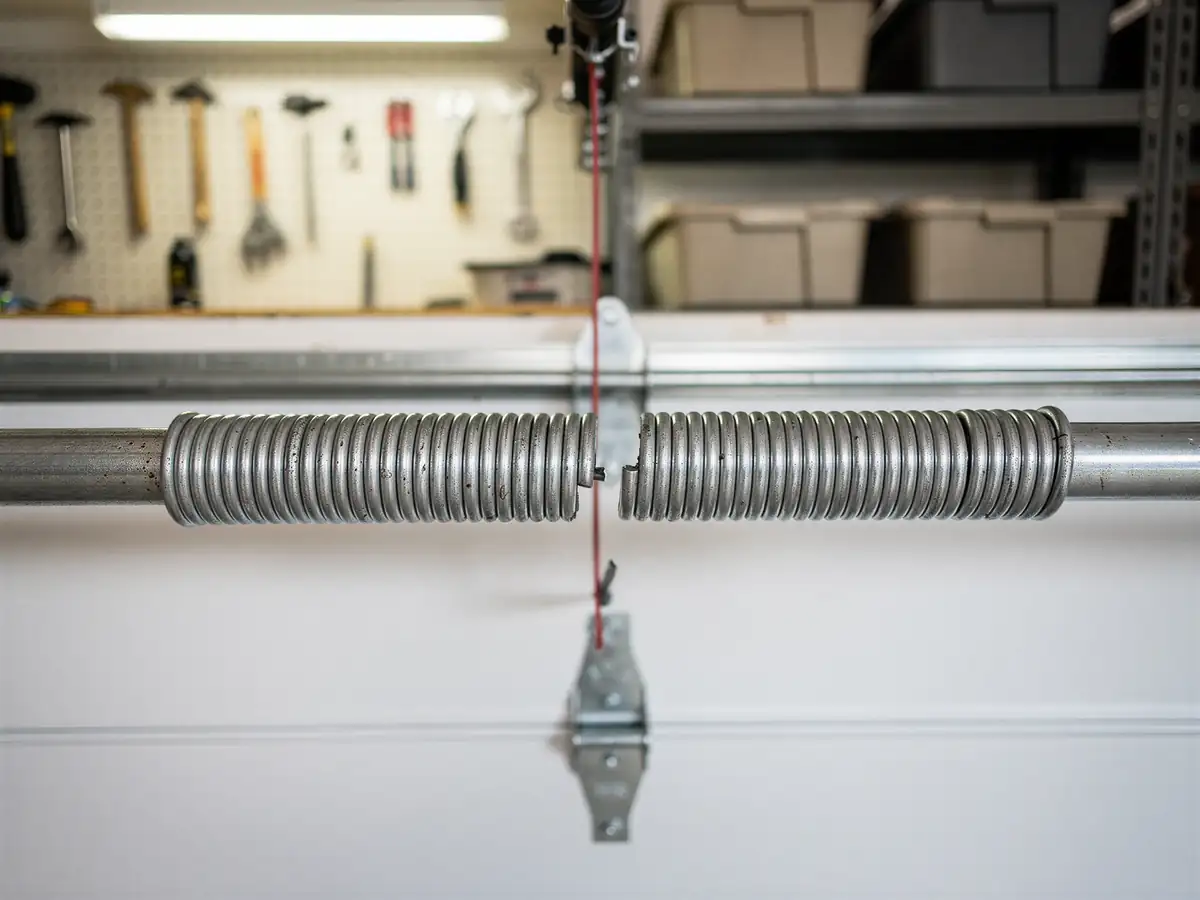
The typical build year out here lands around 1988, a good two decades past the 1970 median for the wider service area. That matters more than people think. A door and opener installed when a house was built in the late 1980s is now pushing 35+ years old, and in a lot of these homes, nobody has ever swapped it out. You've got the original steel panel door, the original chain-drive opener, maybe the original extension springs still hanging off rusted brackets.
The tell is usually noise first
A grinding or slapping sound on the way up - followed by the door getting slow to respond or stopping partway. On a 1980s build, that's not a fluke, that's the hardware reaching the end of a run nobody tracked. These doors were builder-grade when they went in, not heavy-use panels, and 35 winters of Chicago-area cold work harder on steel and lubricant than most owners assume. If your door still looks like it did on move-in day, it's probably original, and that's the thing worth checking before it fails on you in January.
How to Book
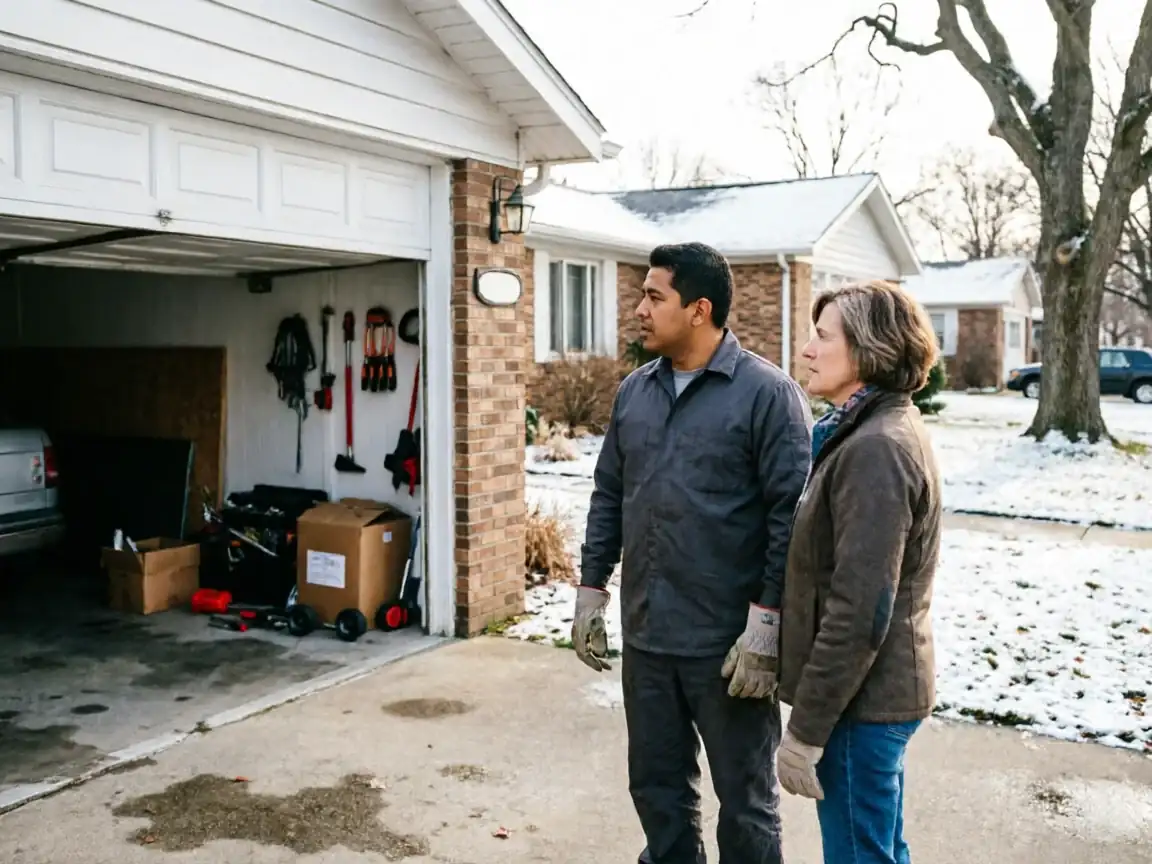
We run out of Orland Park and cover Homer Glen as part of the regular route, about 5 miles out. There's no branch office here and no separate dispatch - one call to the Orland Park number gets a truck scheduled for your address. Because we're not staffed out of Homer Glen itself, we ask for your address and a rough description of what the door's doing (slow, loud, stuck, won't close) so the tech shows up with the right panel sizes and hardware already loaded rather than guessing on site.
If you're not sure whether you need a repair or a full replacement, say that too - we'd rather talk it through on the phone than show up and discover the springs are fine but the opener's cooked, or vice versa. For anything short of a full install - a cable, a sensor, a panel ding - the service page below covers that side of the work.
What the Fix Involves
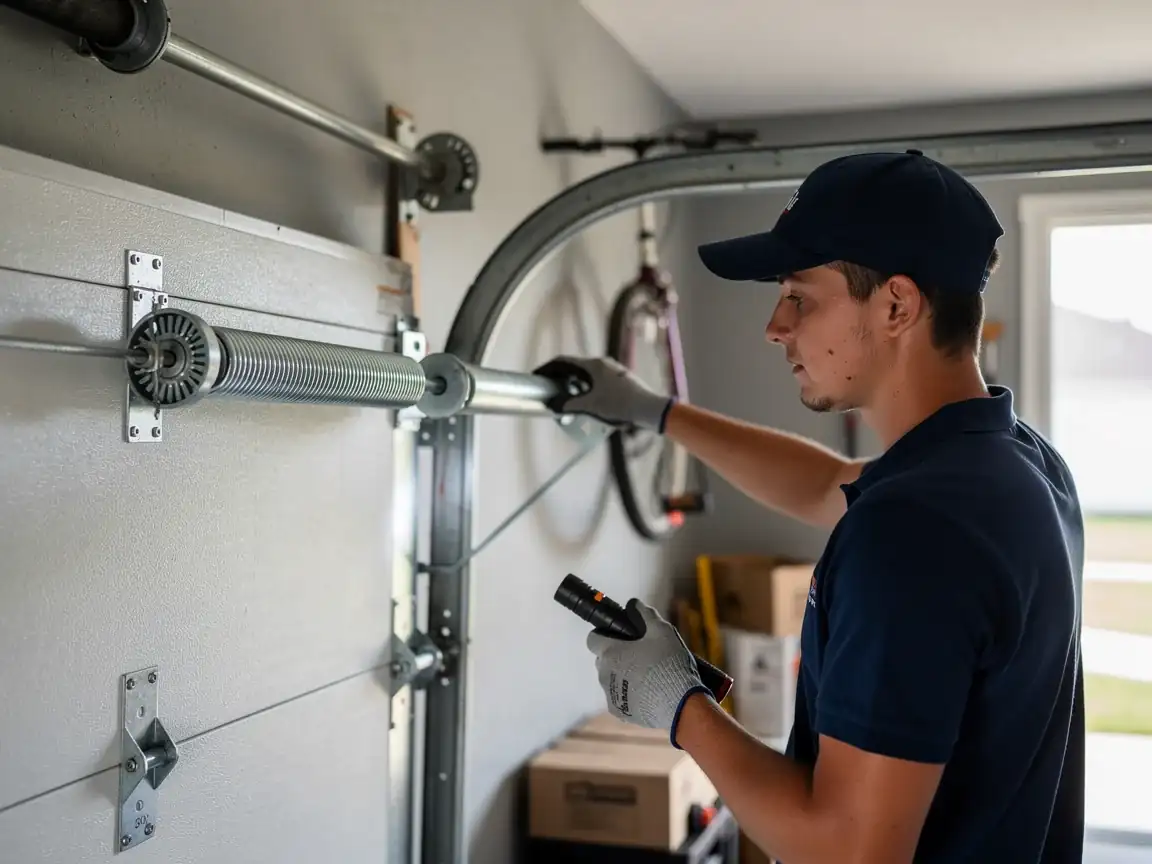
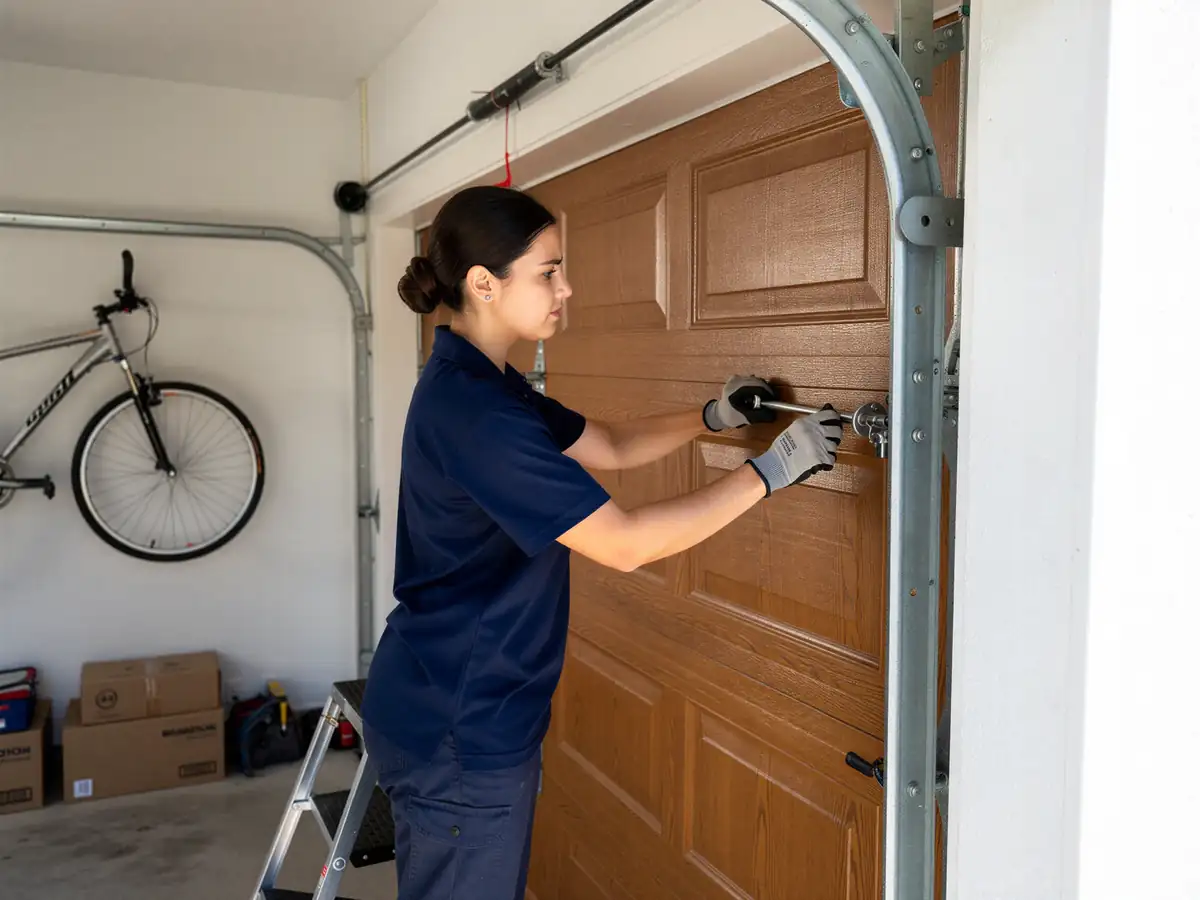
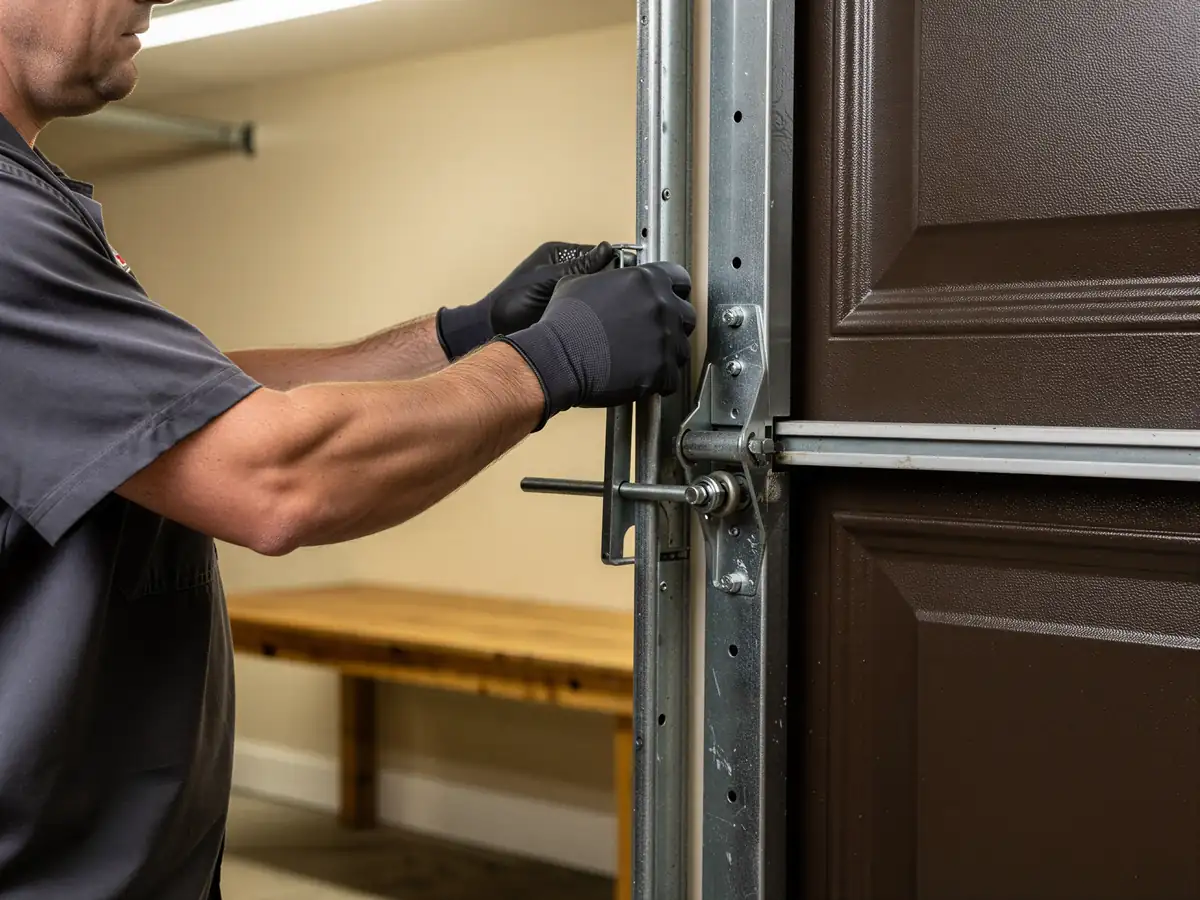
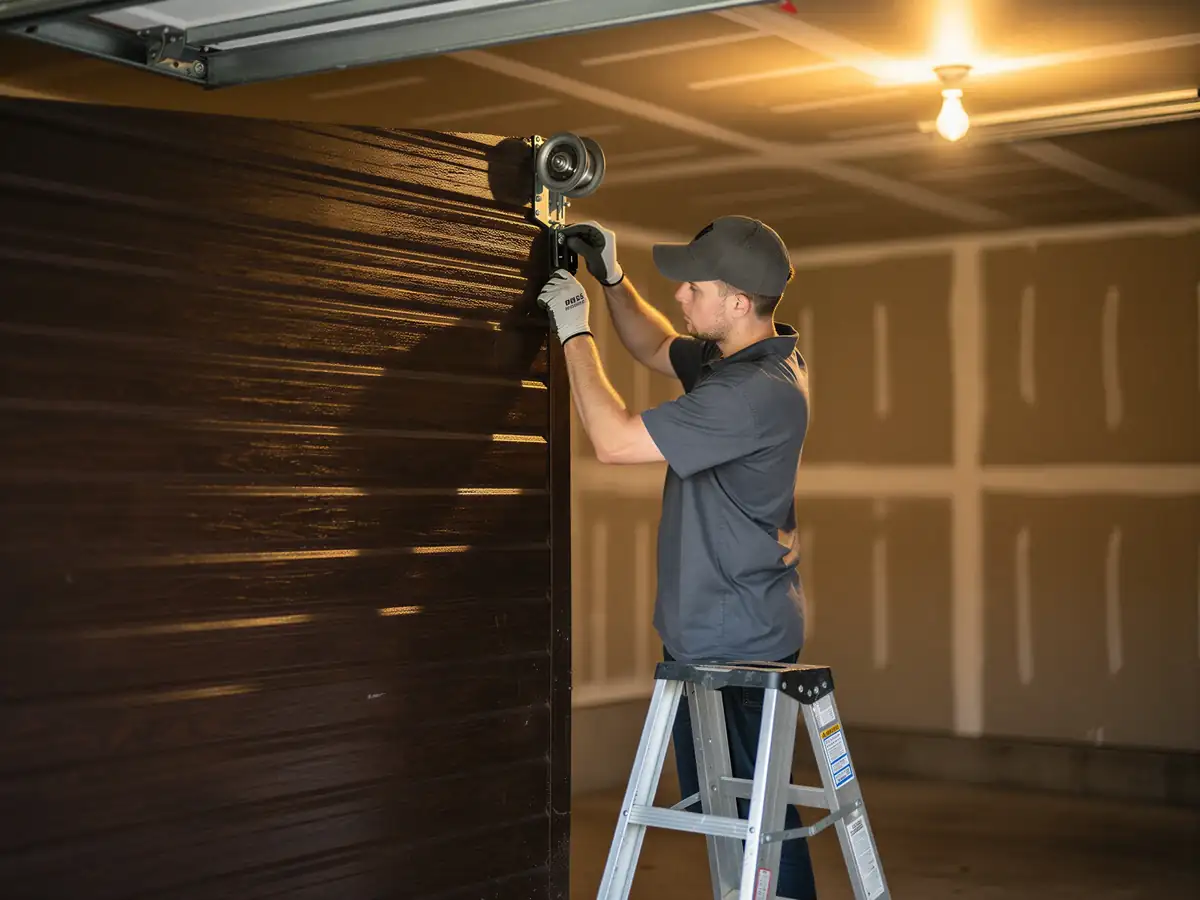
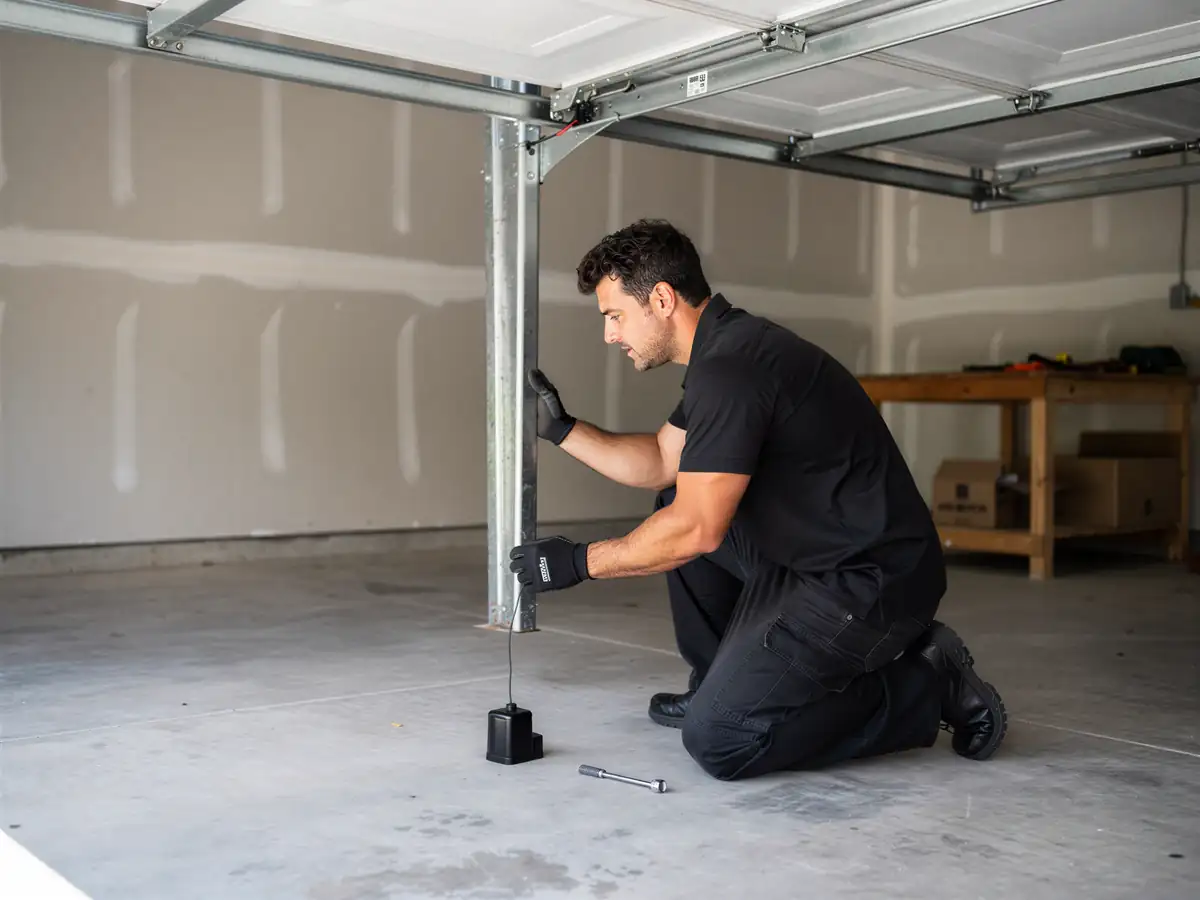
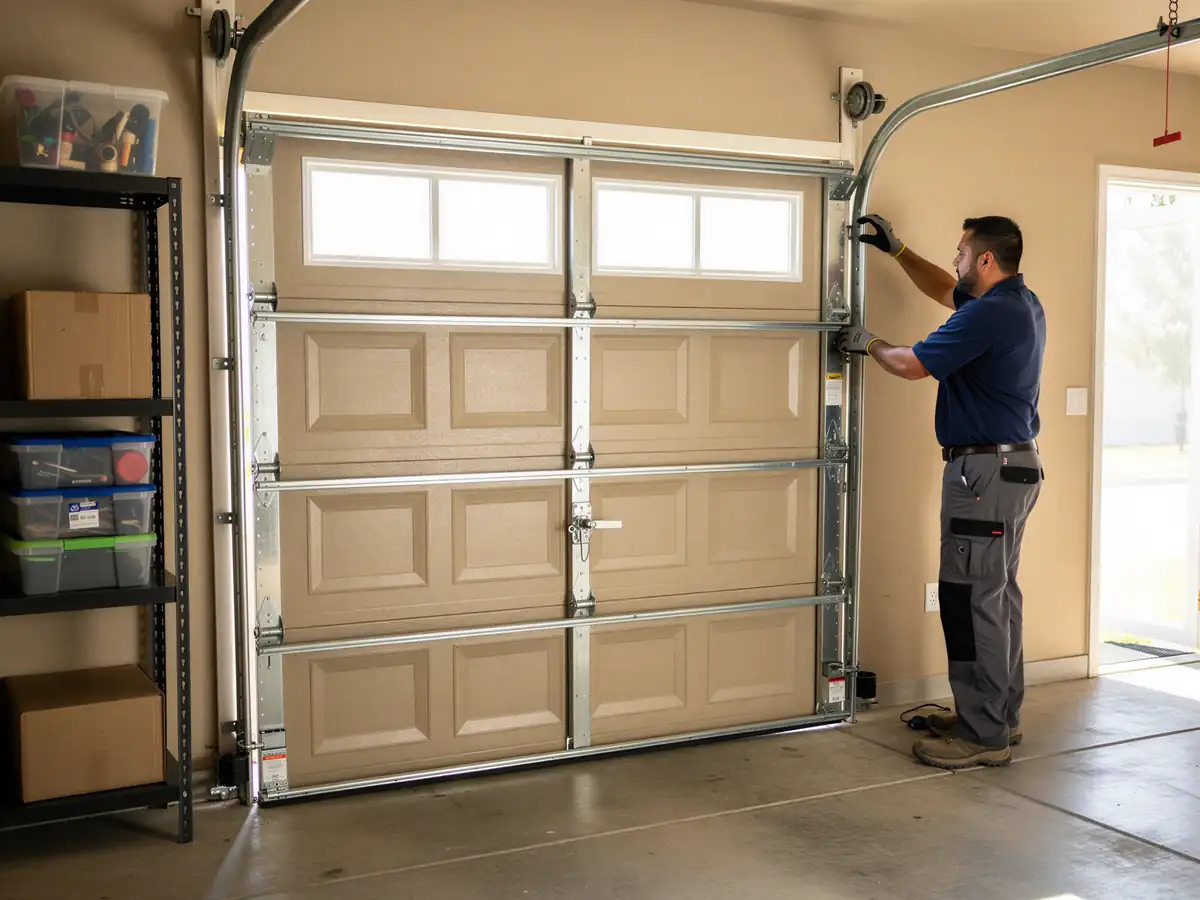
A clean installation starts with pulling the old door and track off the opening and checking the jambs for square - on a house built around 1988, the framing is usually still solid, which is more than we can say for some of the older stock in this area. We size the new door to the existing opening, set new track and rollers, and mount new springs sized to the door's actual weight rather than reusing whatever tension was dialed in originally.
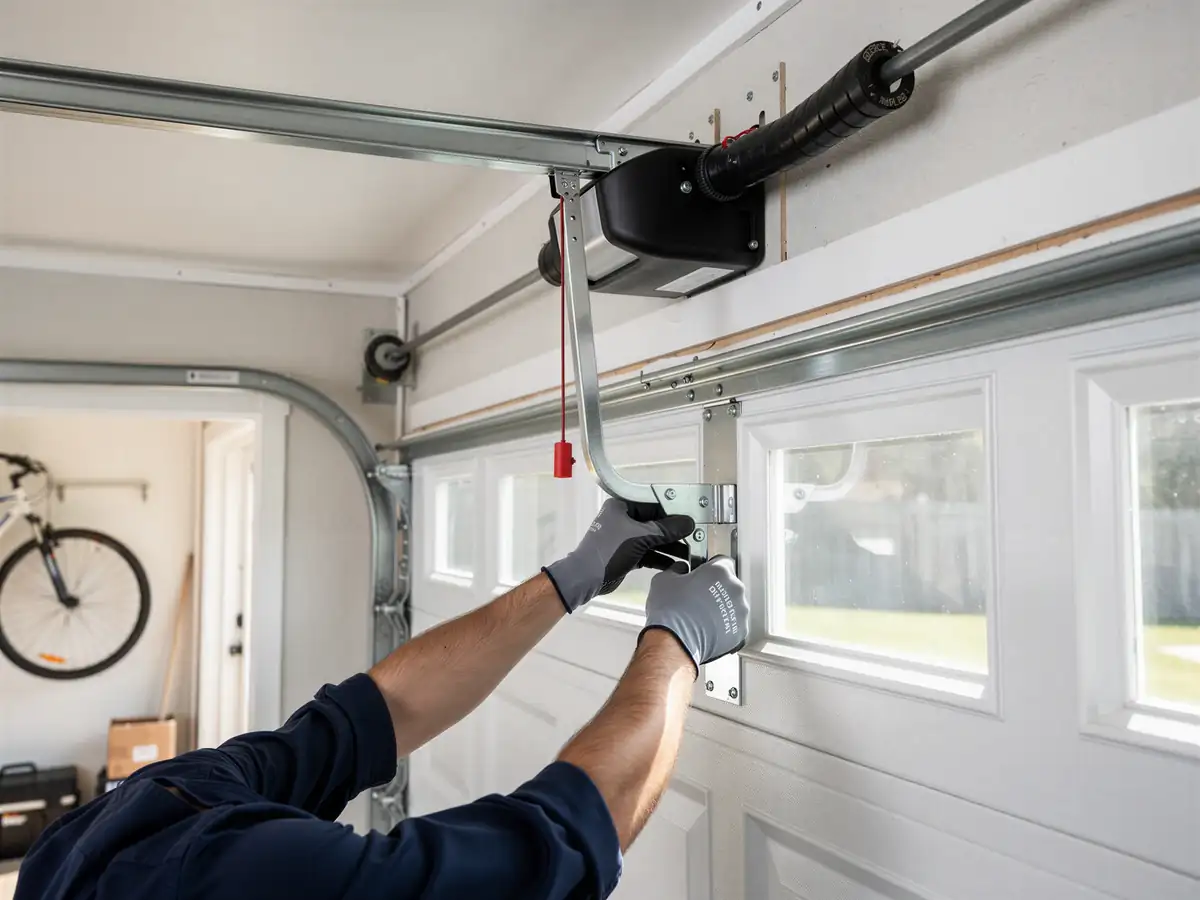
Most owners in Homer Glen replace the opener at the same time as the door, since a 35-year-old chain drive rarely plays well with new door weight and balance. We'll tell you straight if your existing opener is worth keeping - sometimes it is, especially if it's already been swapped once. What we won't do is sell you a new opener onto an old, worn track just to pad the job; if the track and rollers are sound, we leave them.
One limitation worth saying up front: if your opening is a nonstandard size from a custom build, panel lead times can run longer than a stock-size door, and we'll tell you that before you commit, not after.
How Long It Takes
A straight swap - standard-size opening, door and opener both replaced
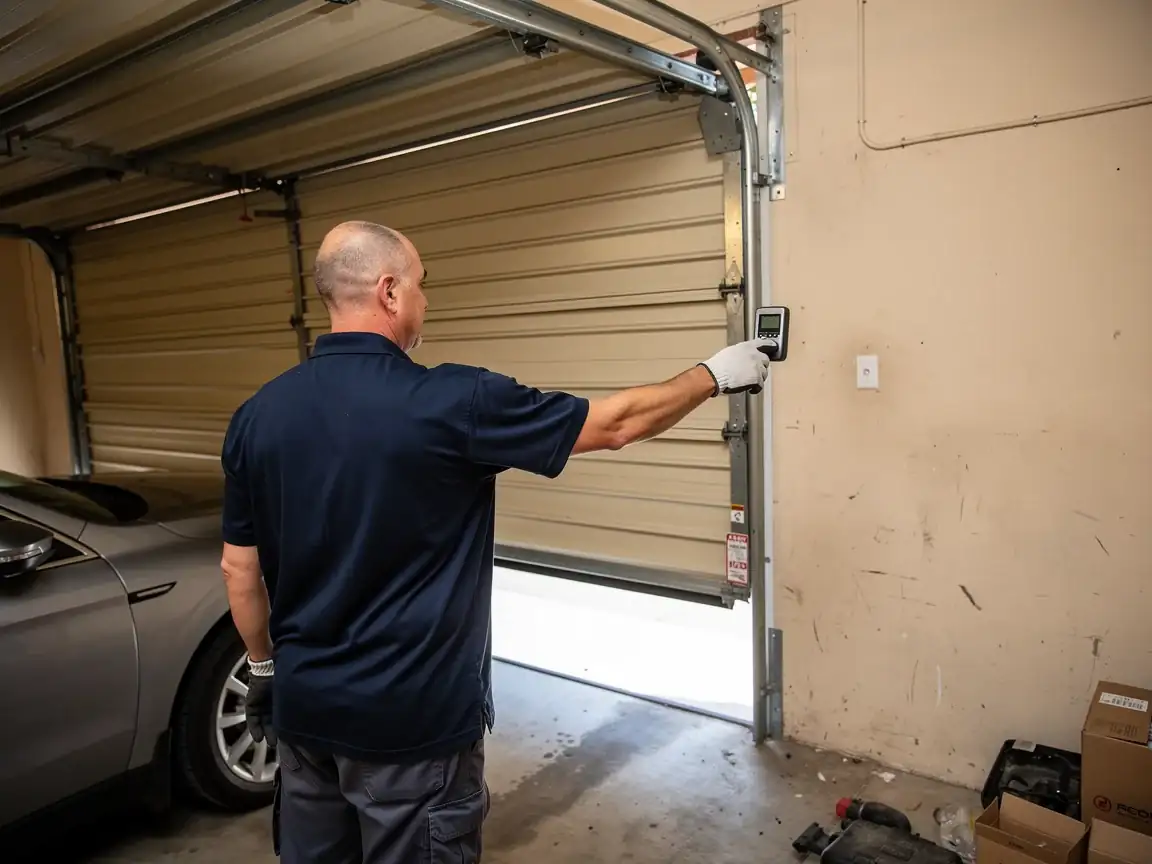
Usually runs a single visit. Add-ons like new track alignment or rebuilding a sagging jamb add time on site, but they don't usually turn into a second trip. What can add a day or more is the door itself: if your opening is a less common size, the panel has to come in before we can schedule the install, and we'll give you that timeline when we quote the job rather than leaving you guessing.
Given the age of the typical door out here
We'd rather schedule the full visit once than patch a 35-year-old spring and have you call again in six months. That's part of why we ask about symptoms on the phone first - it lets us bring the right parts the first time.