Why It Happens Here
Start with the money, because it decides more than people expect
Romeoville's median household income is $100,022, well above the $79,442 median across the rest of this service area. That matters because once a repair bill climbs past a certain point on a door that's already mid-life, replacement stops being the expensive option and starts being the obvious one - and homeowners here are more often in a position to make that call rather than nurse a door along for another two years.
The second piece is the housing stock itself
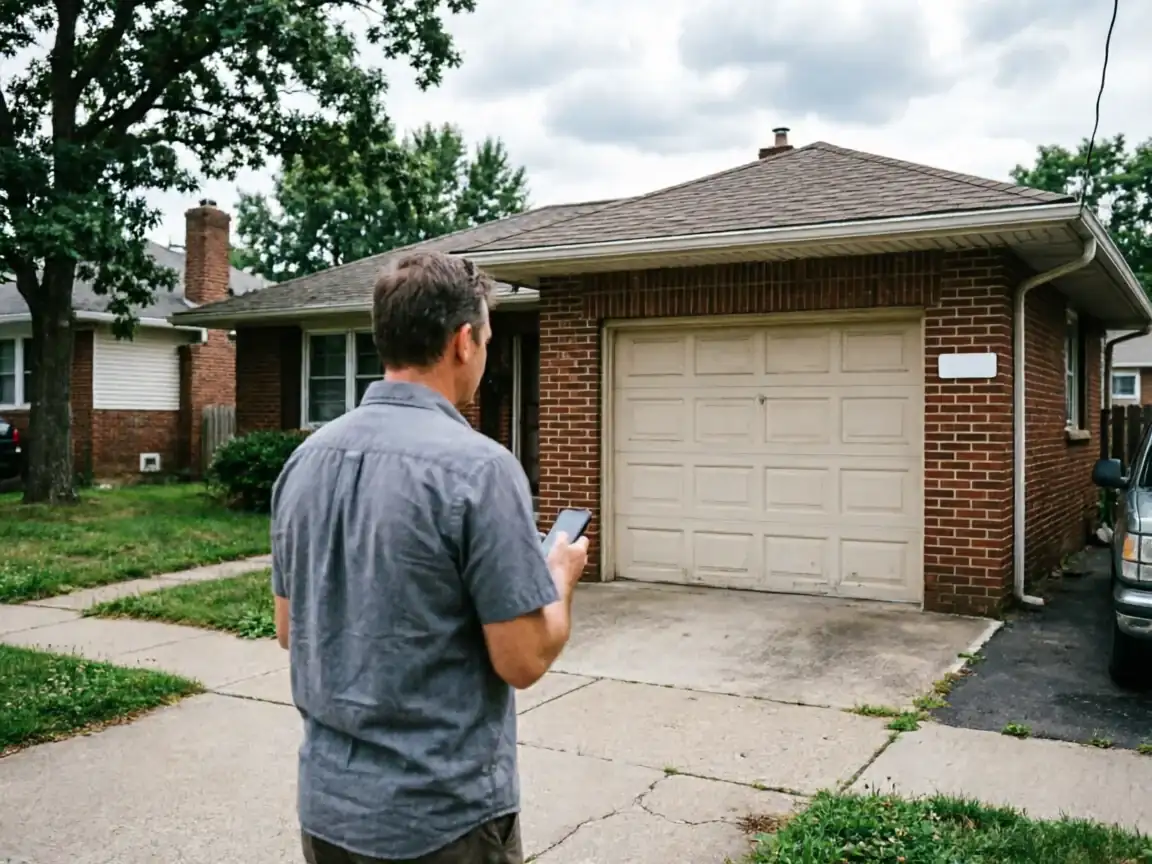
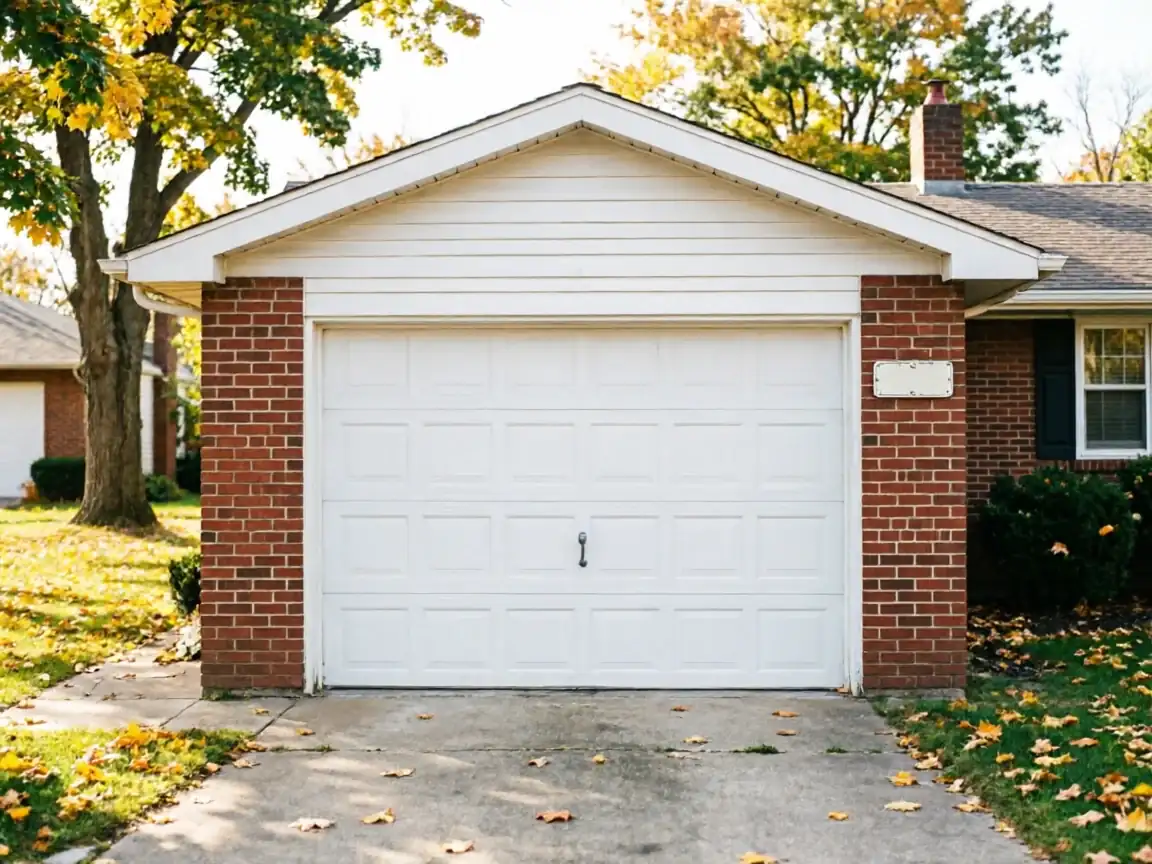
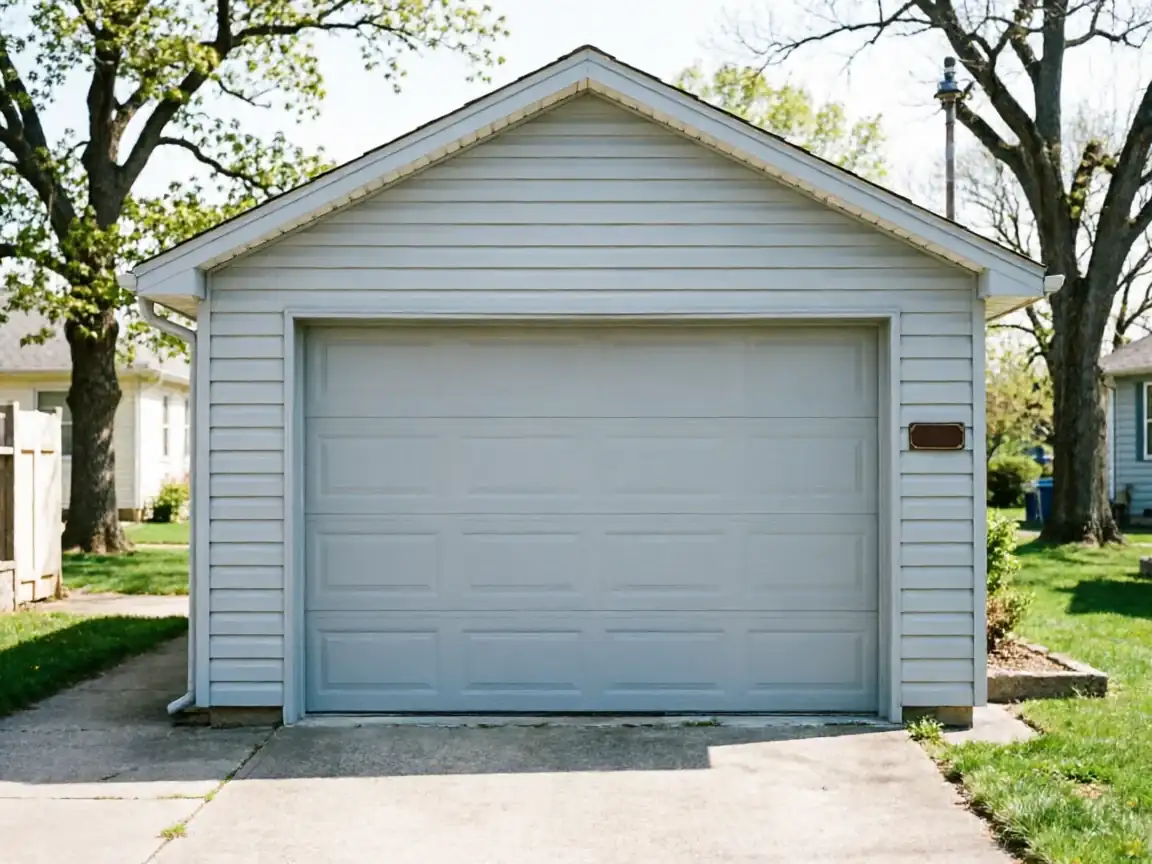
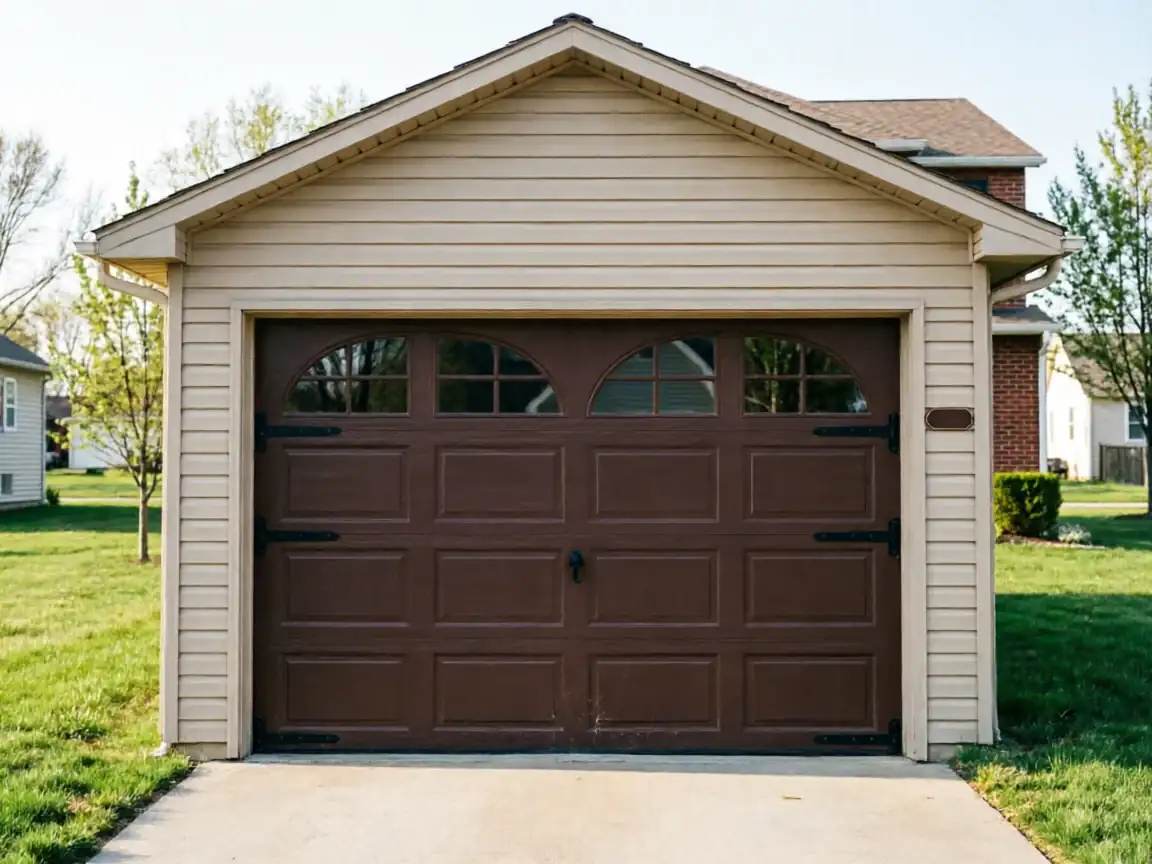
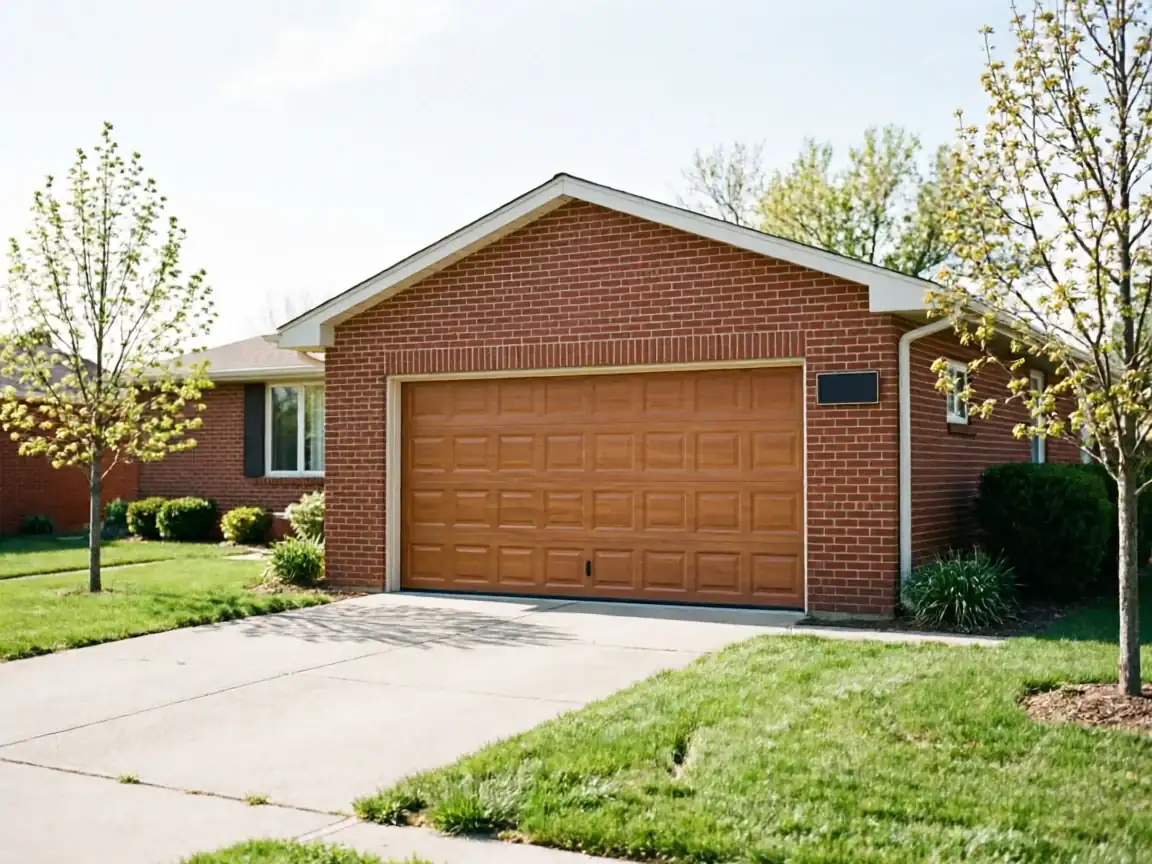
Most of the area this company covers was built in the 1960s and 70s, with homes going back as far as 1938. Romeoville is different - its housing is mostly from around 1998, decades newer than the typical job this crew sees elsewhere. Builder-grade doors from that era were put in to meet a construction budget, not a 30-year service life. They're thinner steel, lighter springs rated for fewer cycles, and tracks sized for a lighter panel than what most people want on their house today. That combination - a newer house with an aging, builder-grade door - is the specific setup behind a lot of install calls in Romeoville.
The Symptom
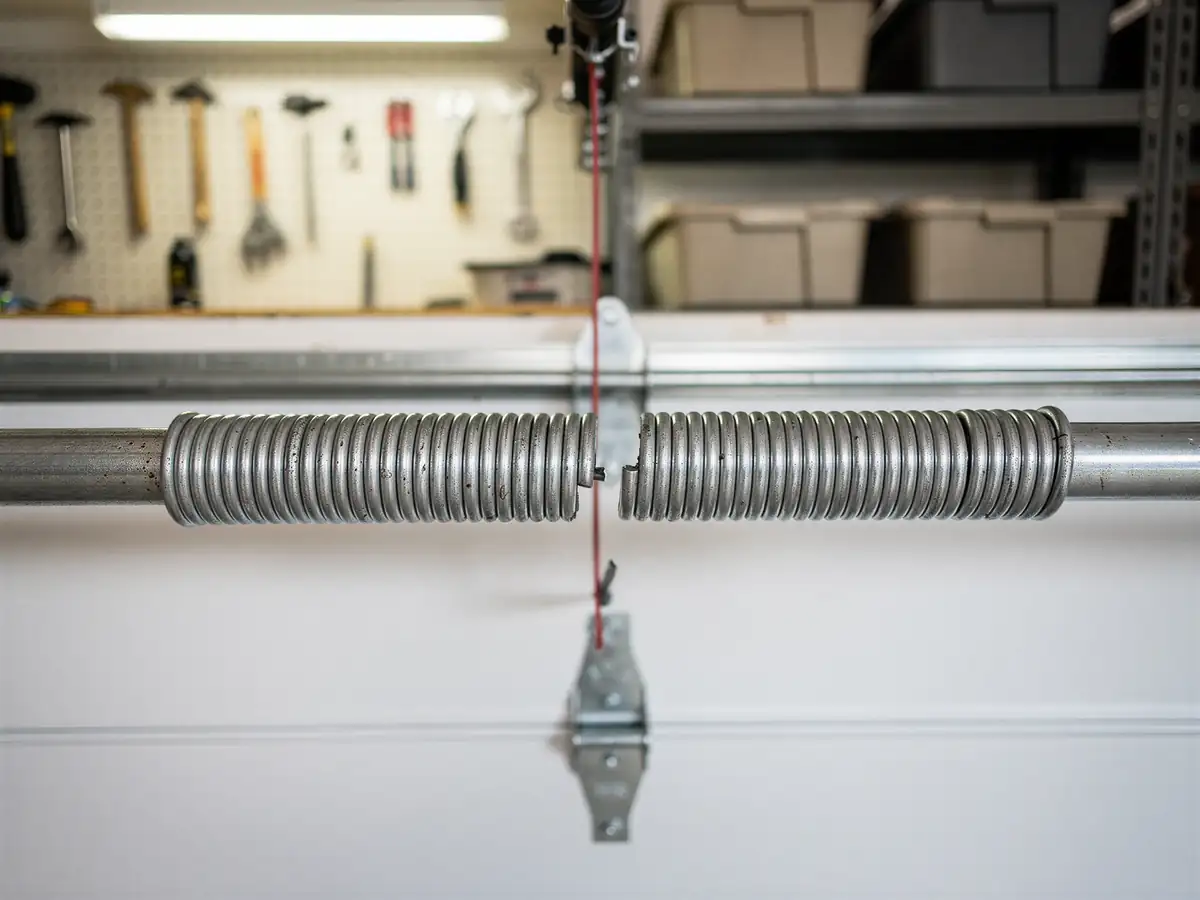
The door still runs, technically. That's usually the problem - a late-90s builder-grade door doesn't die suddenly so much as it sags. You'll see a visible dip in the bottom panel when it's down, a door that looks slightly crooked in the frame even though the track is straight, and an opener that strains or reverses partway through the cycle because the springs are undersized for a door that's picked up wear. Dents in the thin steel panels show up faster than on a heavier door, and once one panel is dented the whole section usually needs replacing rather than just that panel.
None of this is dangerous on its own, but it adds up. A door that's sagging is putting uneven load on the opener and the tracks, and that wear compounds. Most Romeoville calls aren't an emergency - they're a homeowner who's noticed the door looks worse every season and wants to replace it before something breaks instead of after.
What the Fix Involves
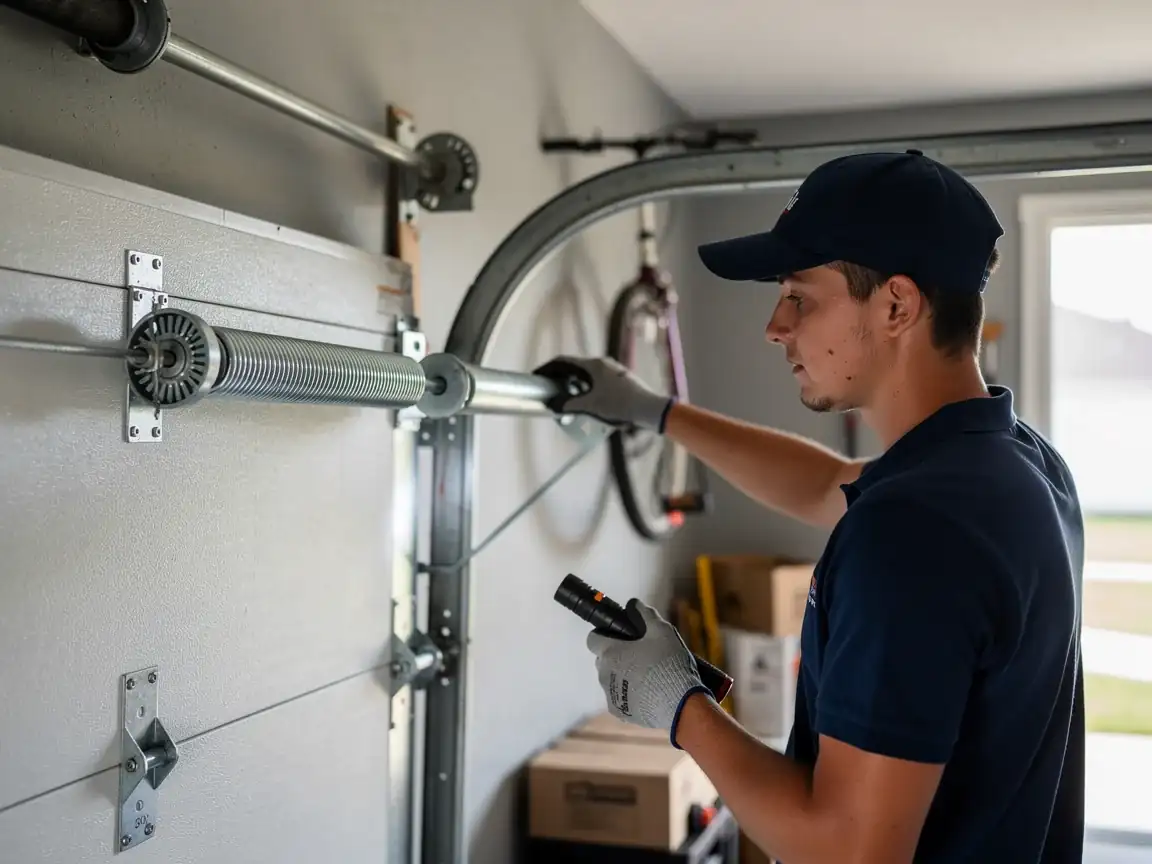
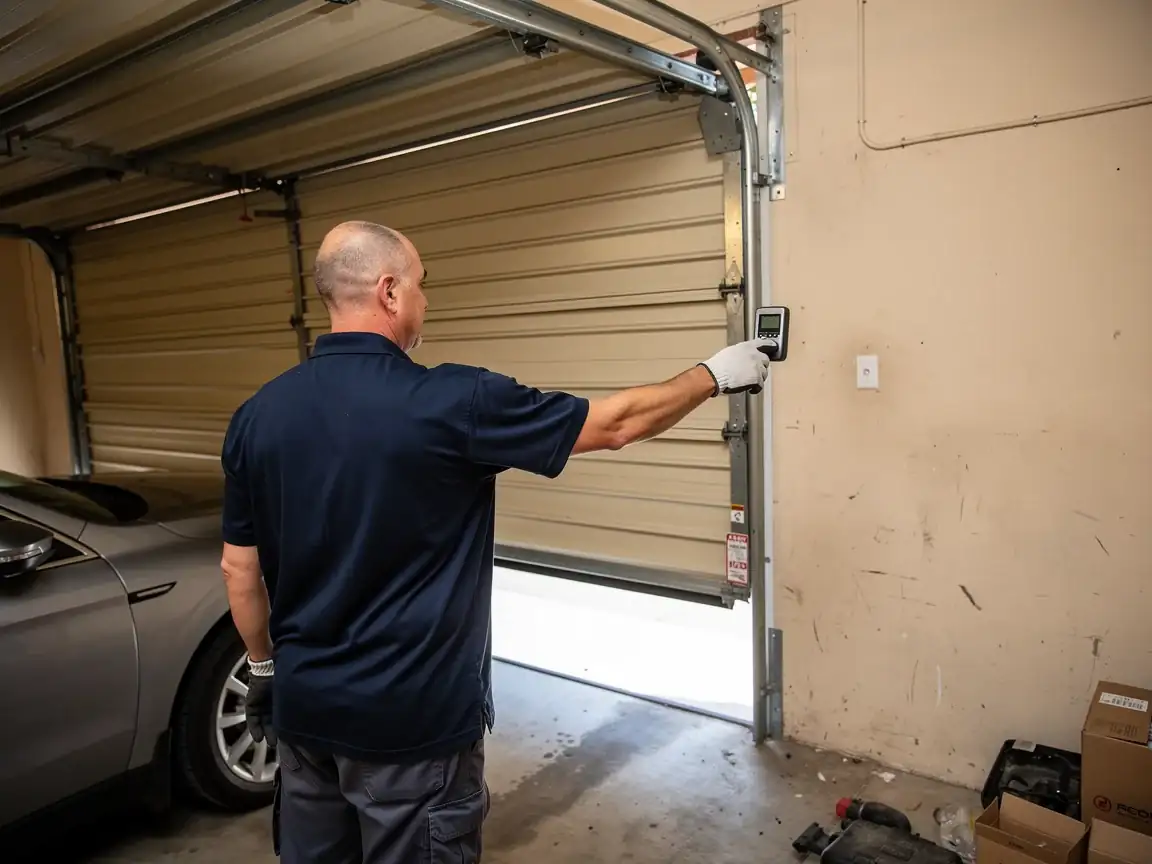
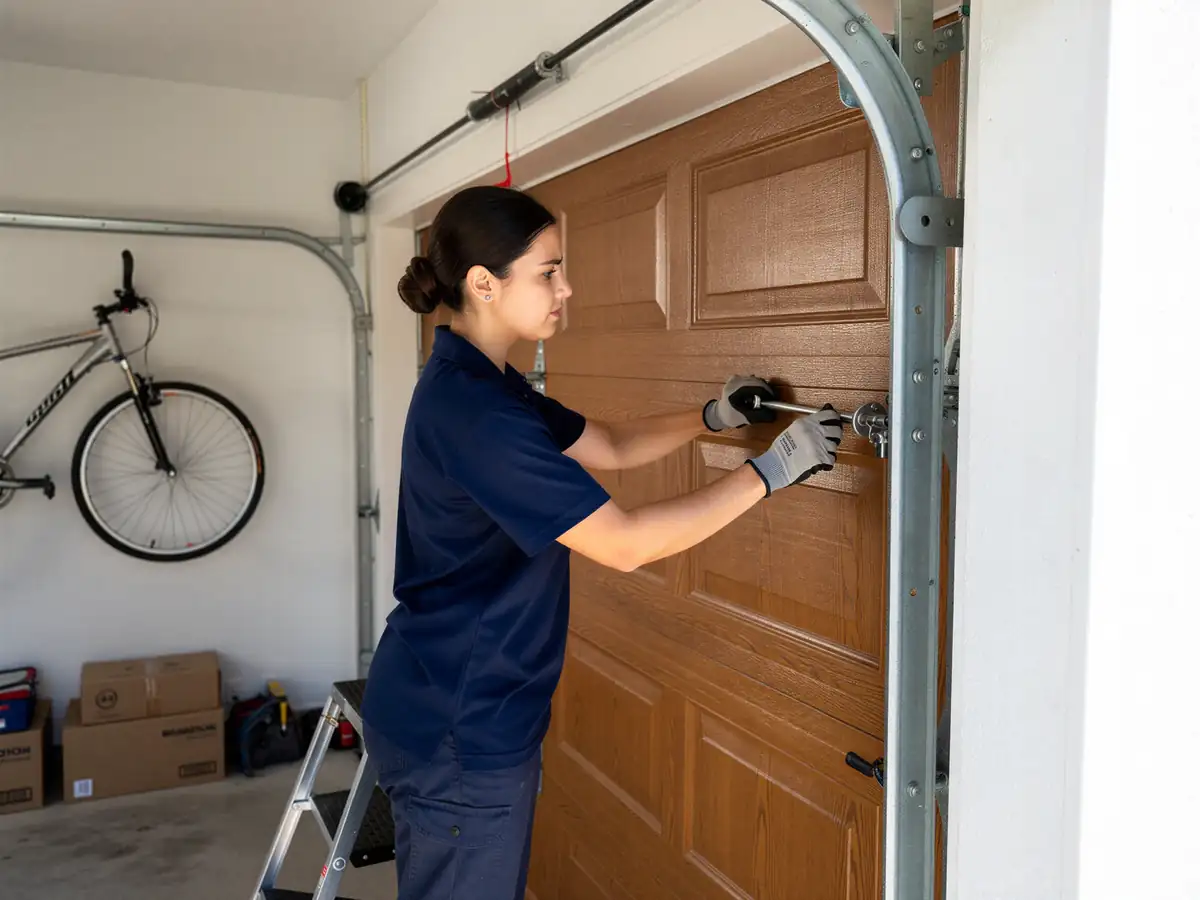
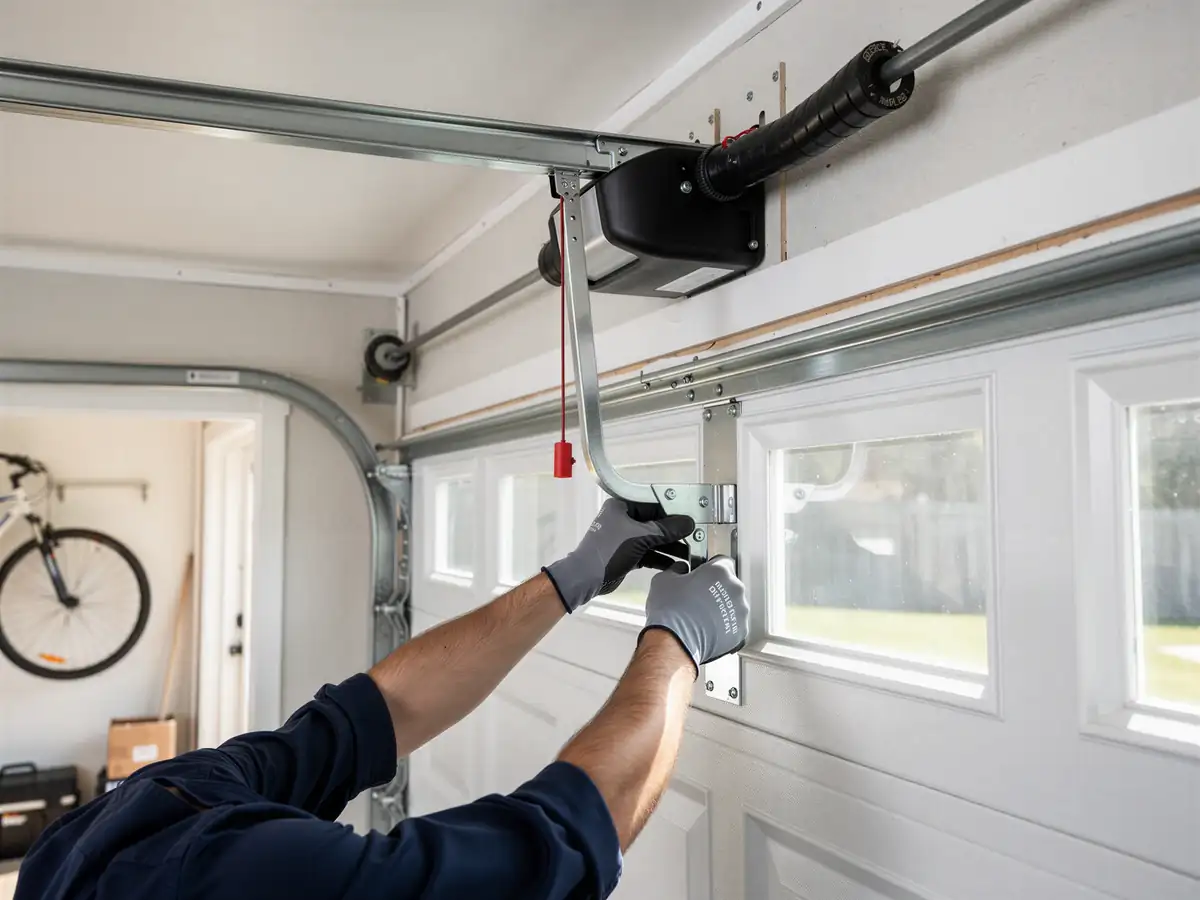
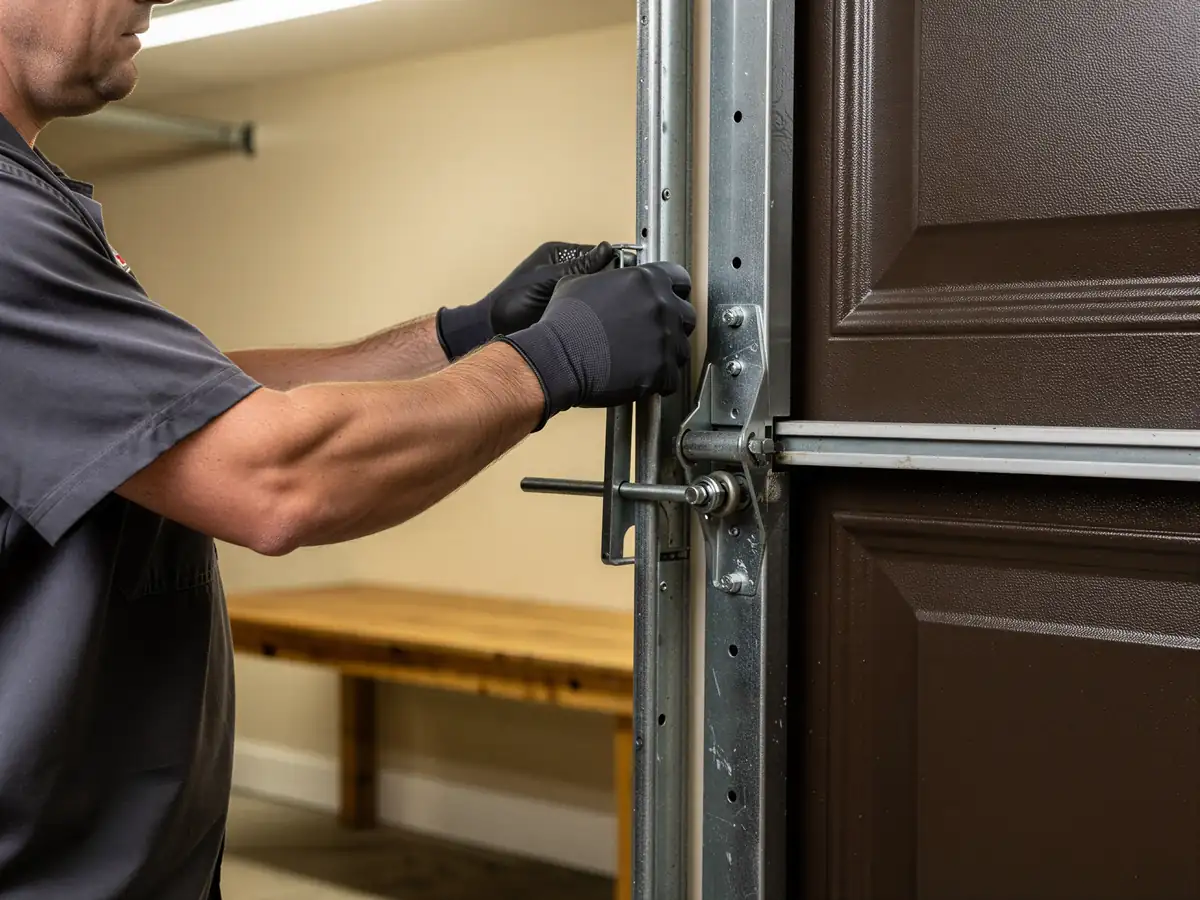
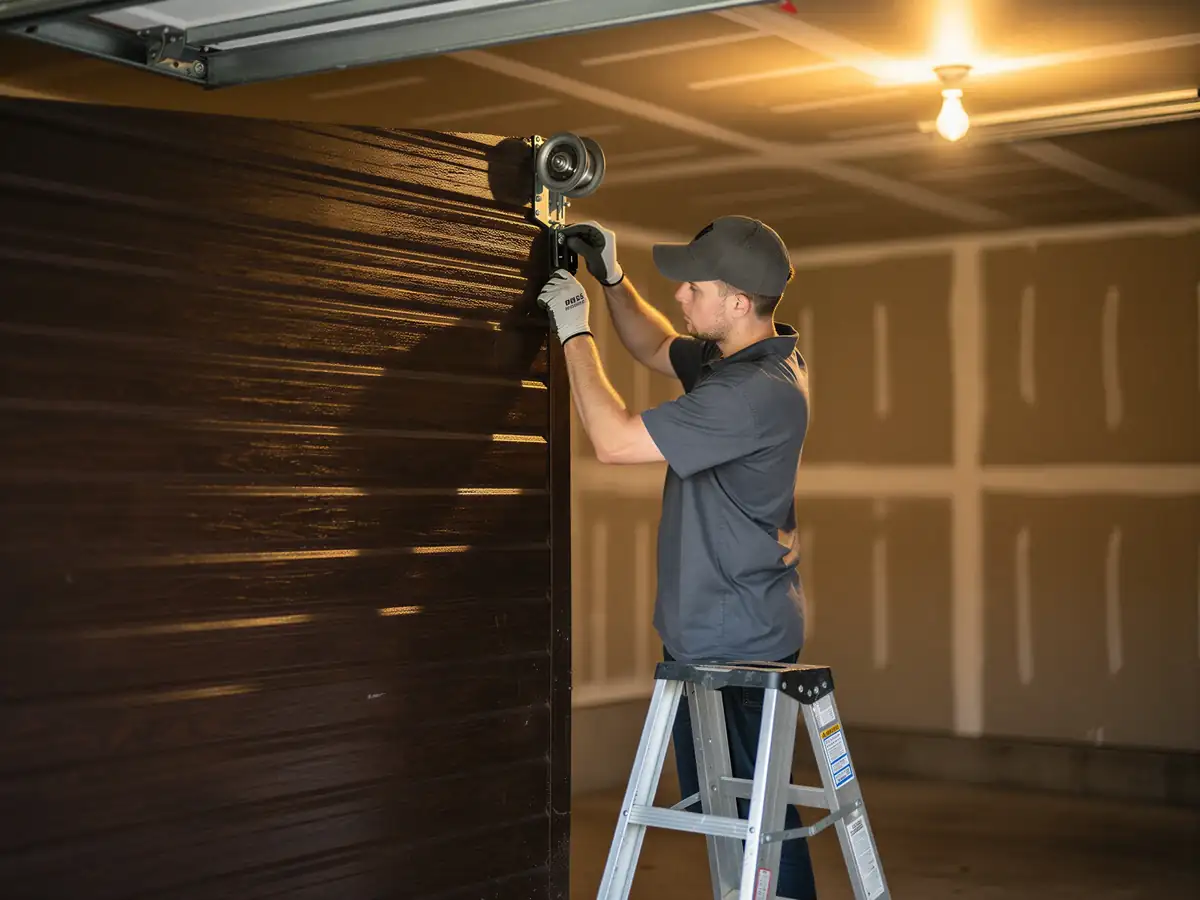
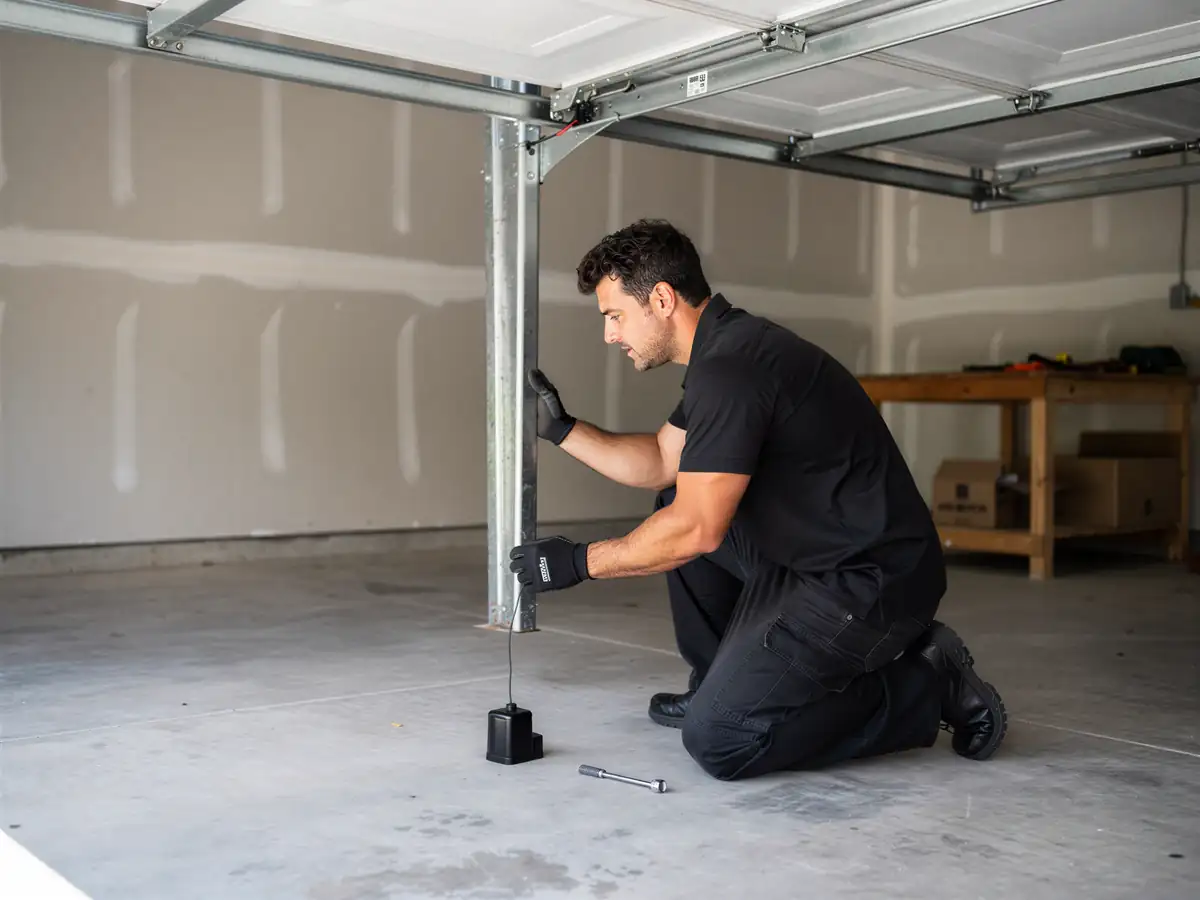
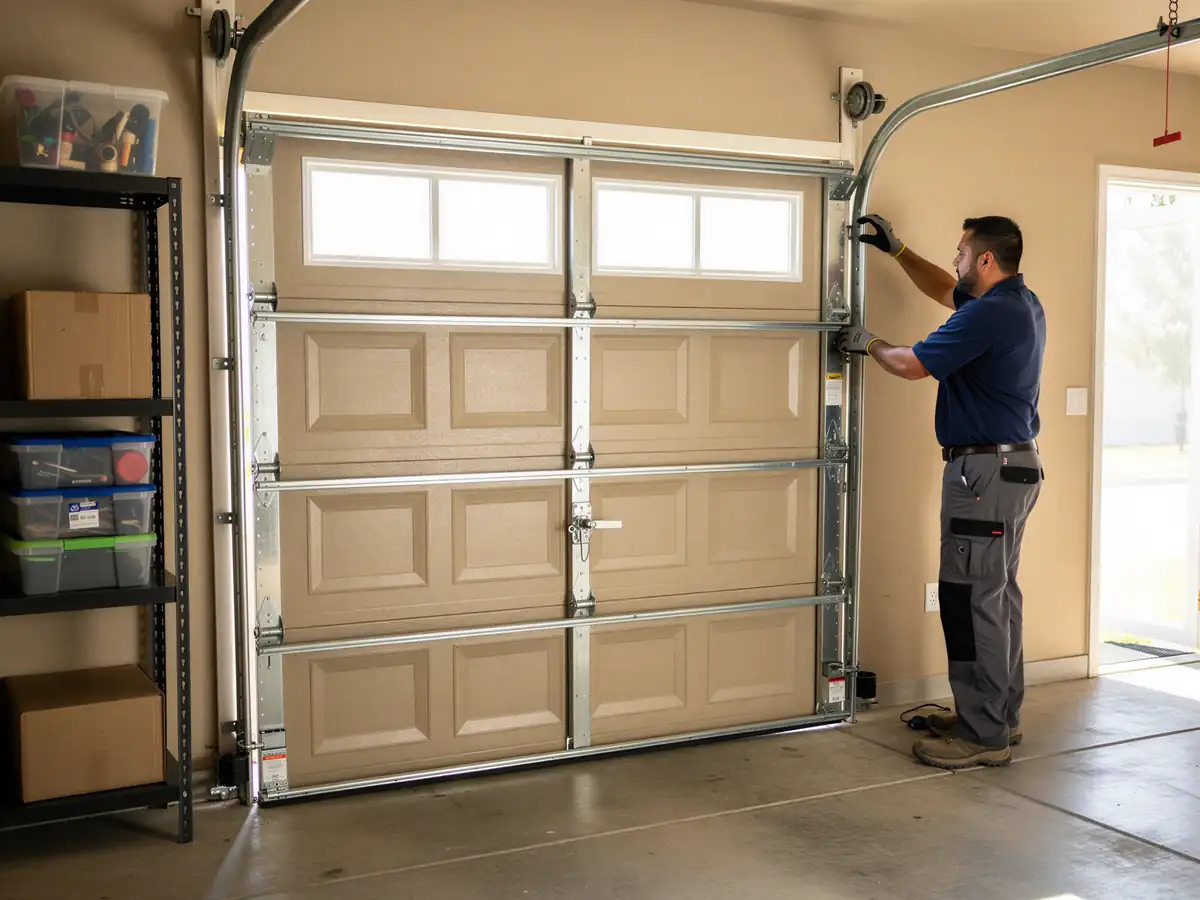
An install starts with measuring the actual opening, not assuming it matches the door that's coming out - builder-grade openings from the late 90s aren't always square, and a new door needs to seat right in the frame it has, not the one it was supposed to have. From there it's new track, new springs sized to the door's actual weight rather than the old cycle-rated springs, and a new bottom seal, since that's usually the first thing to fail on an aging builder door anyway.
The crew comes from Orland Park, about 13 miles out, so jobs here get scheduled rather than handled same-day as a walk-up. That's the honest limitation: this isn't a branch location, it's a service area, and Romeoville jobs get built into the day's route rather than squeezed in on short notice. For a straightforward single-door swap that's rarely an issue, but it's worth knowing going in if timing matters to you.
Stocked Parts
The parts kept on the truck are sized for the doors this crew actually sees most
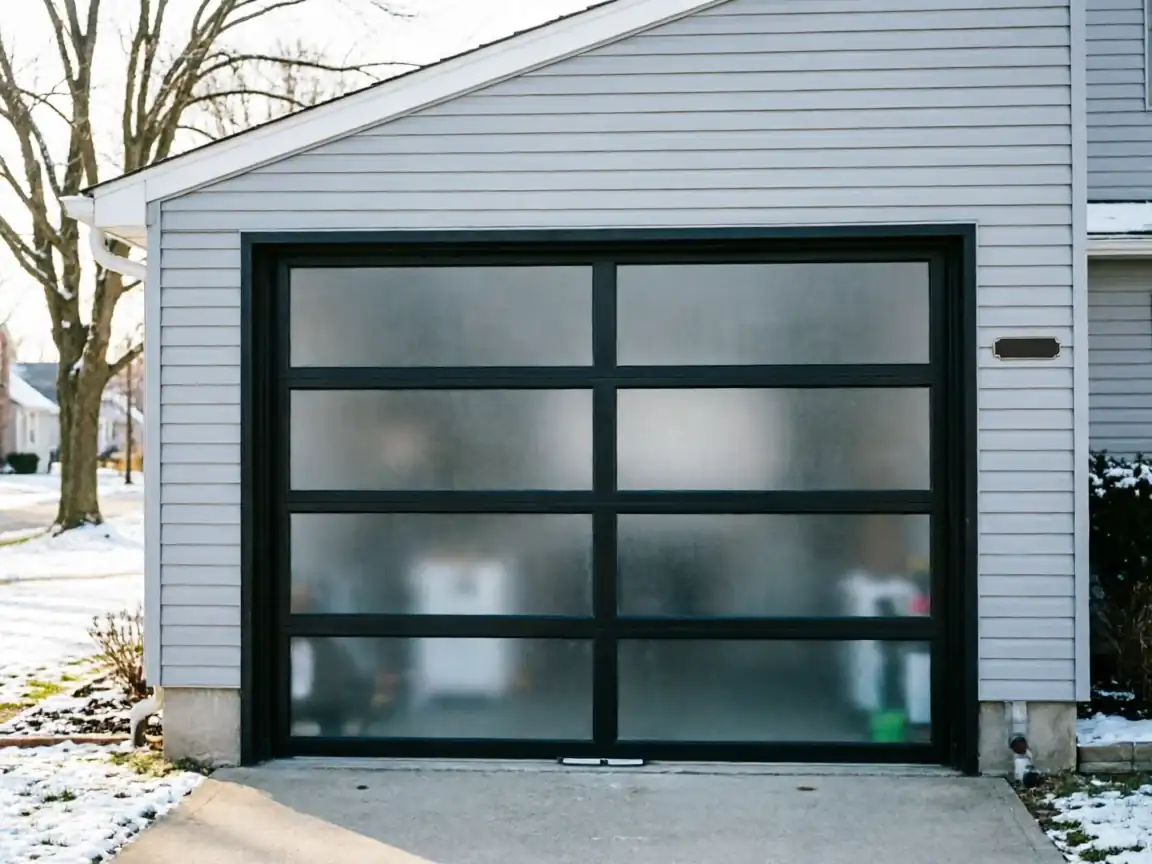
Which, across the service area, skews toward older torsion hardware. For Romeoville, that means standard-width panel doors and common torsion spring sizes are usually on hand, but if a homeowner wants an oversized door, a custom insulated panel, or anything outside the typical builder-grade dimensions from that era, it has to be special-ordered and that adds time to the job.
It's not a huge inconvenience for most Romeoville installs since the housing here is fairly uniform in age and door size
But it's worth asking up front rather than assuming everything ships same-week. A straight answer on lead time beats a surprise on install day.