Can You Do This Yourself
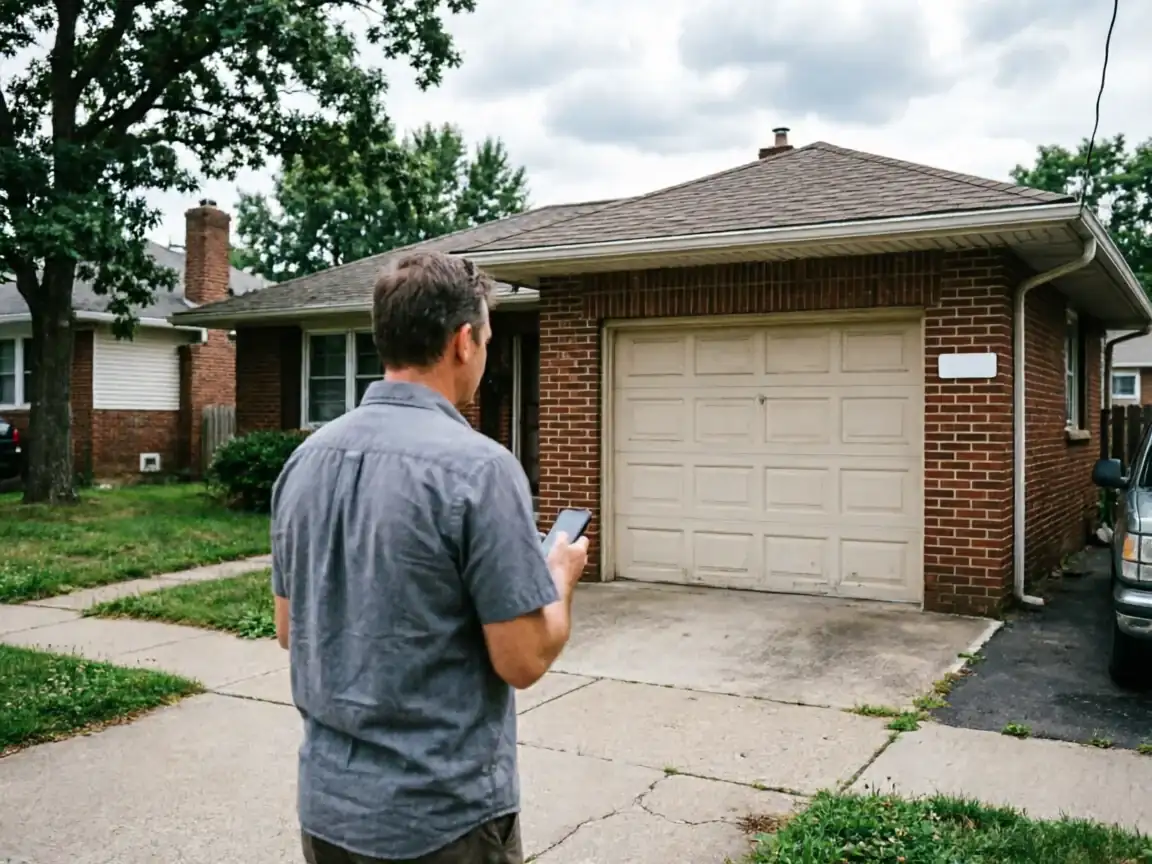
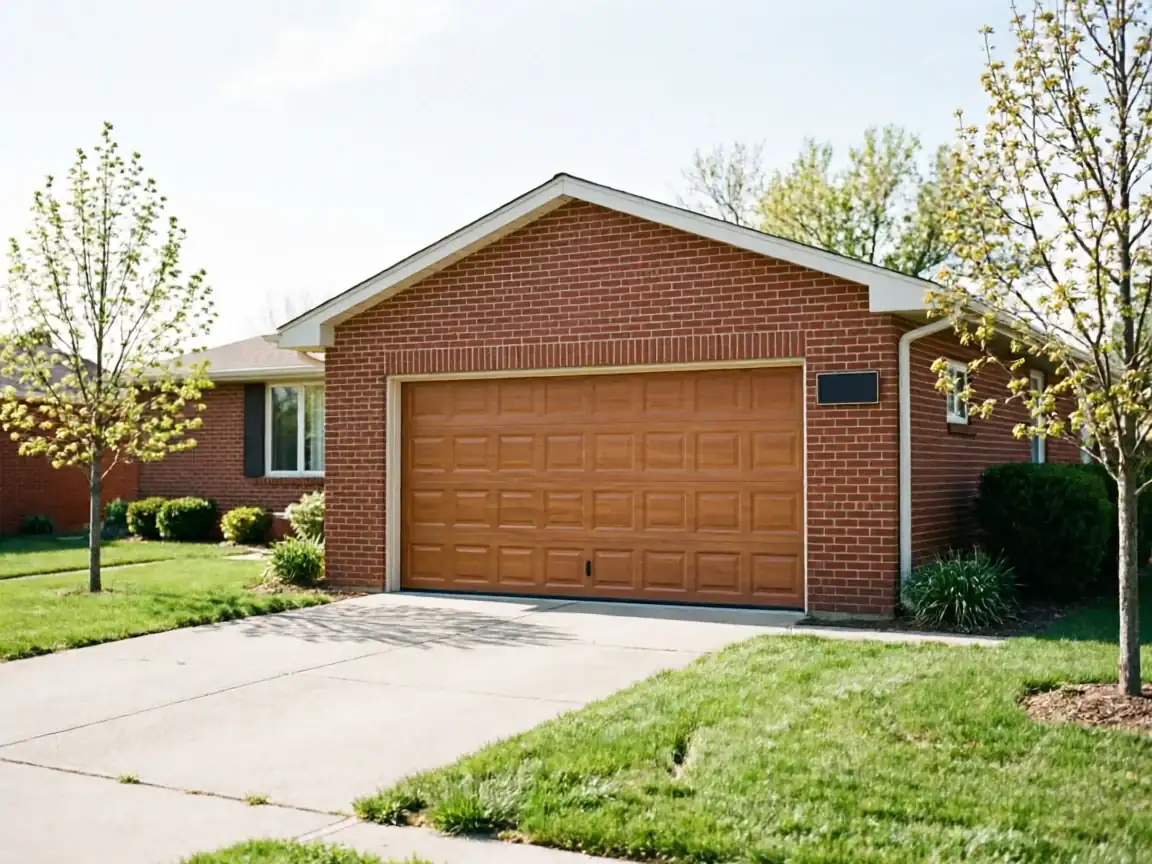
Most garage doors in Mokena went up around 1996
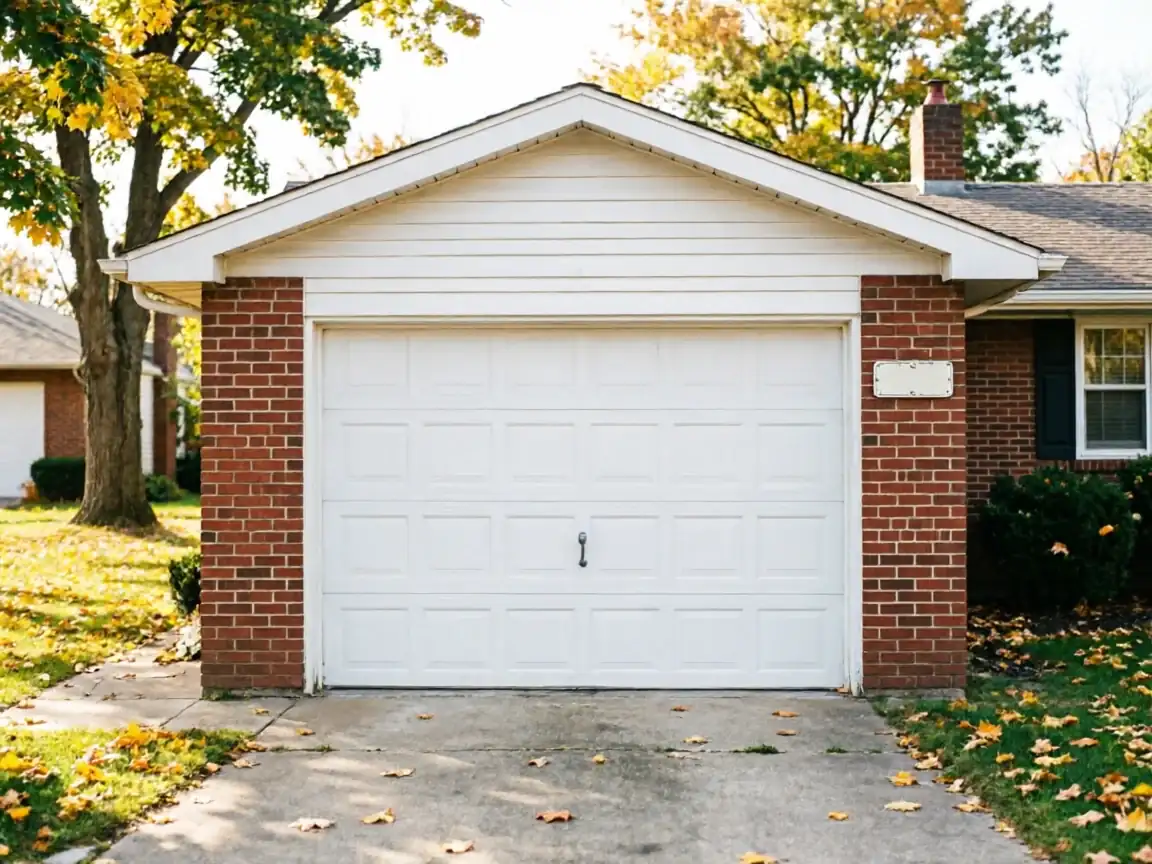
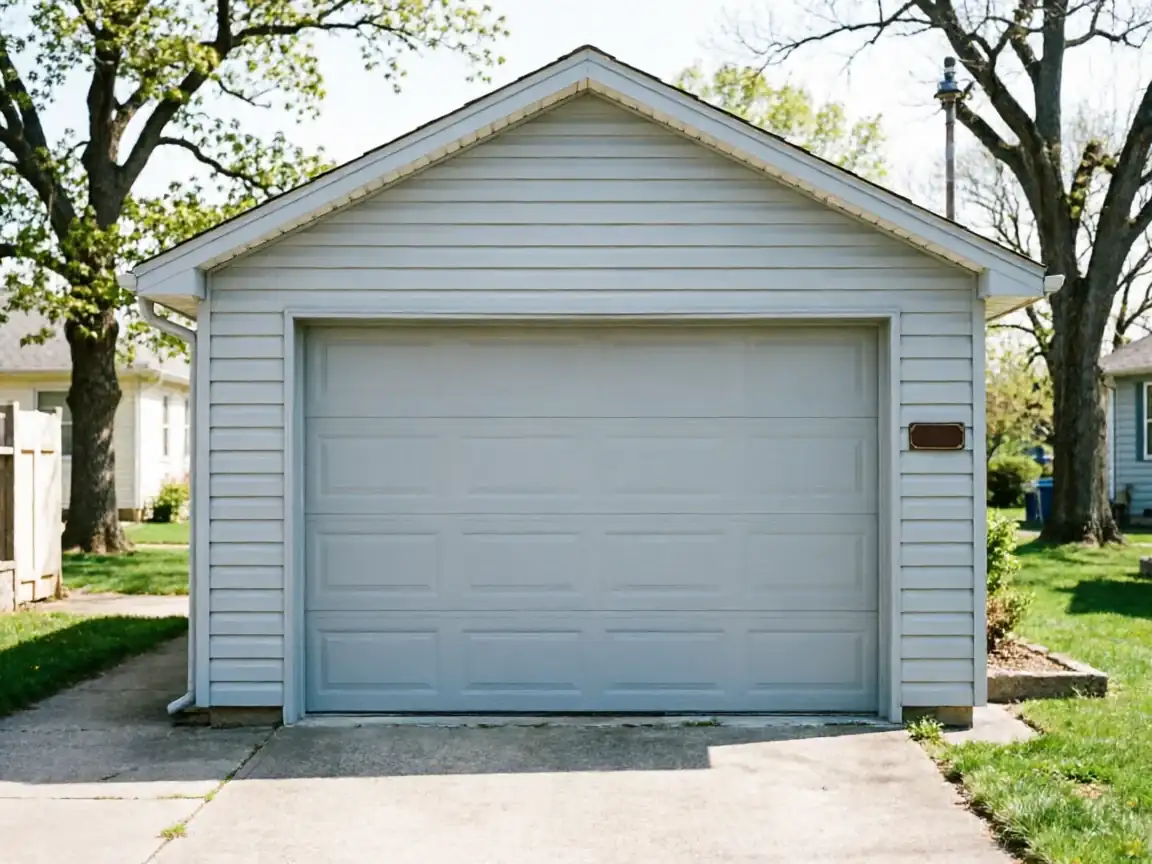
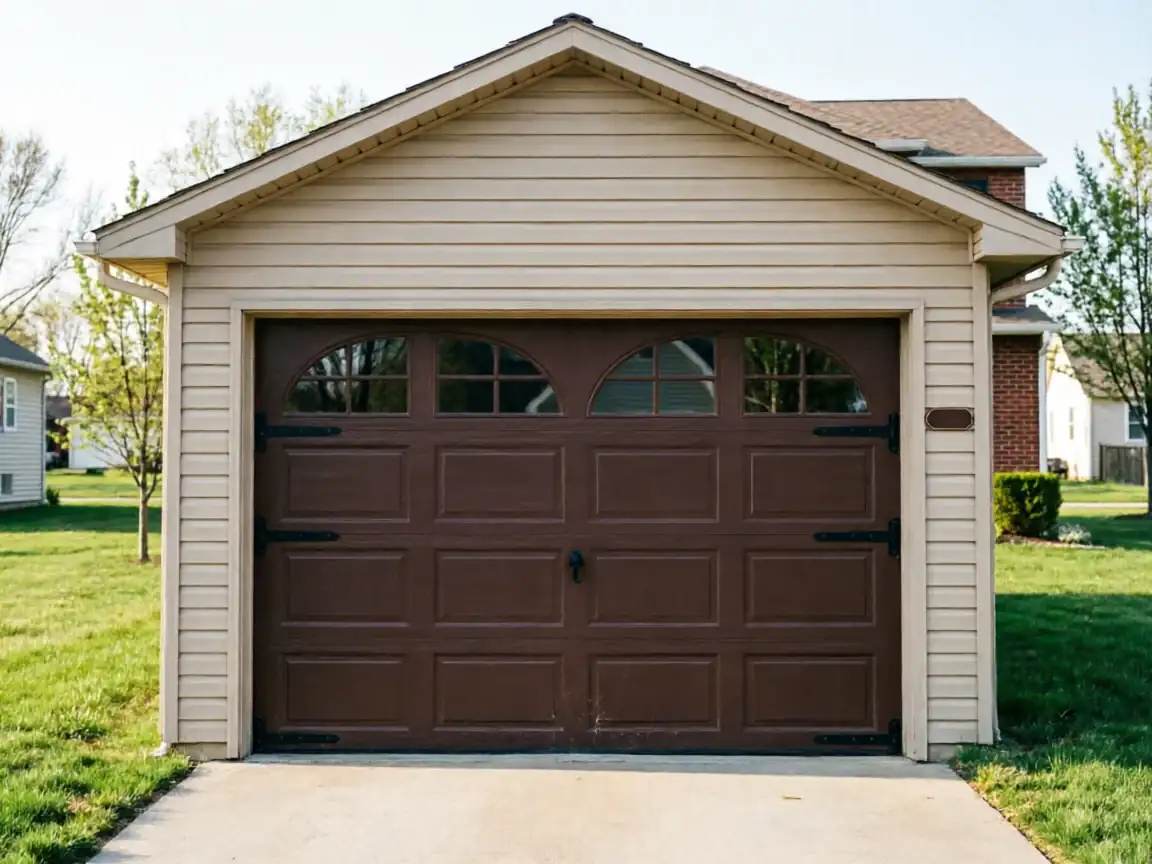
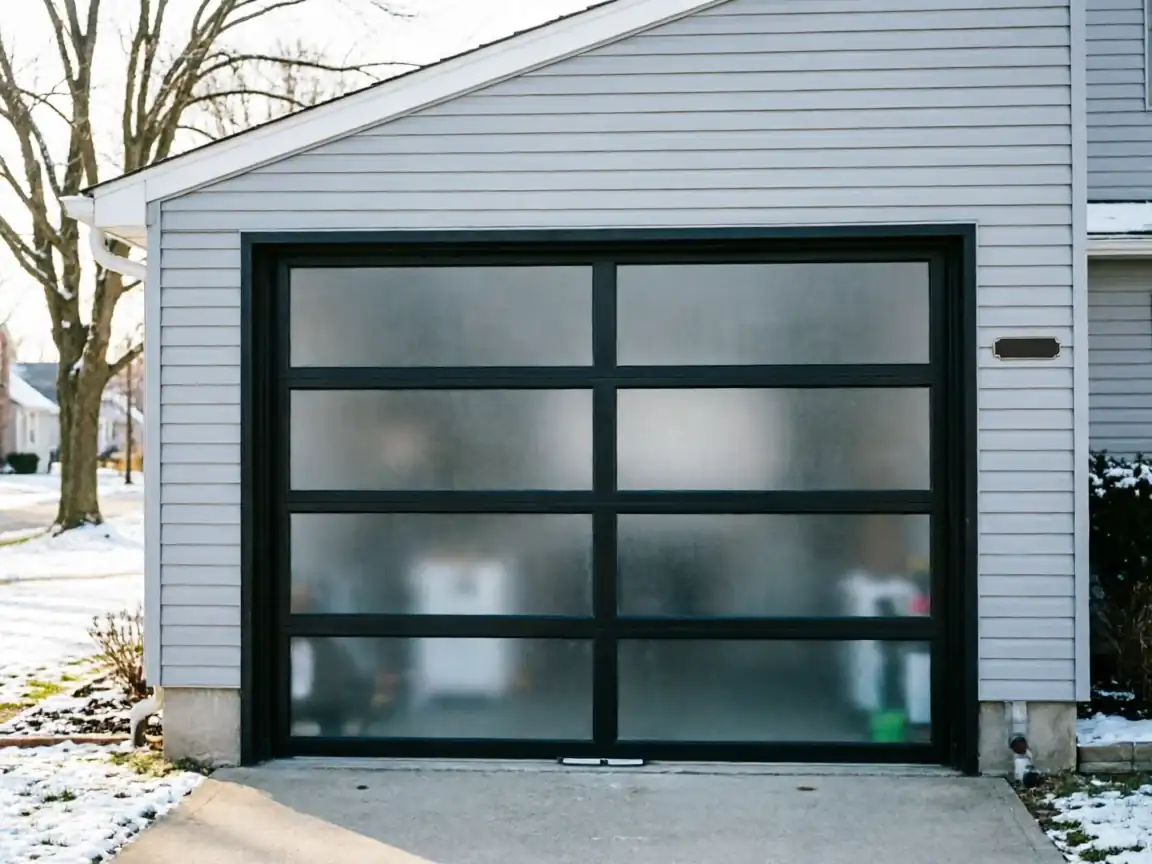
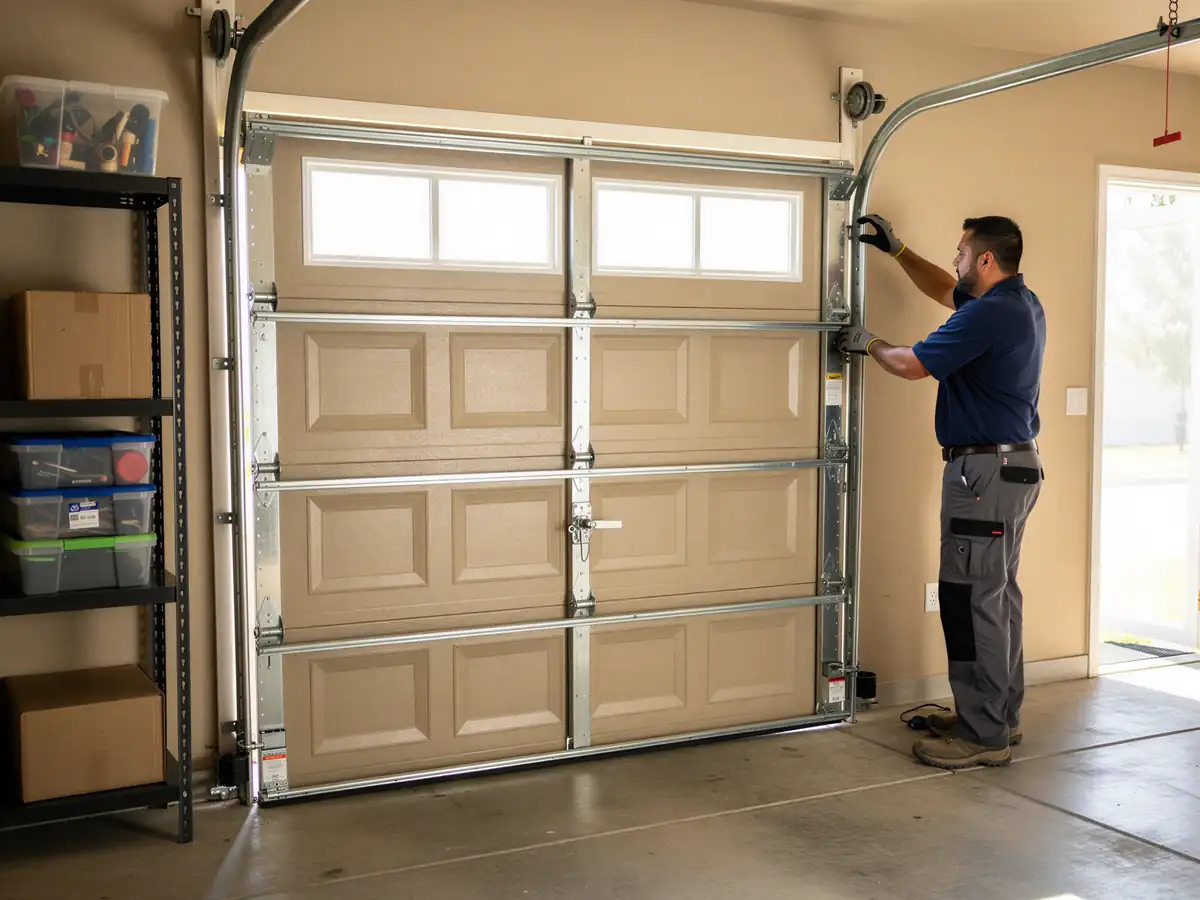
Which puts you squarely in the era of builder-grade steel sectional doors on standard torsion hardware - usually a double-wide 16-foot door on the front-facing garage, with factory-installed nylon rollers on steel stems. That's a different animal than the lighter wood or fiberglass doors you'll find on older housing stock elsewhere in the service area, and it matters for roller work because steel sectional panels are heavier per roller than what a lot of DIY videos assume.
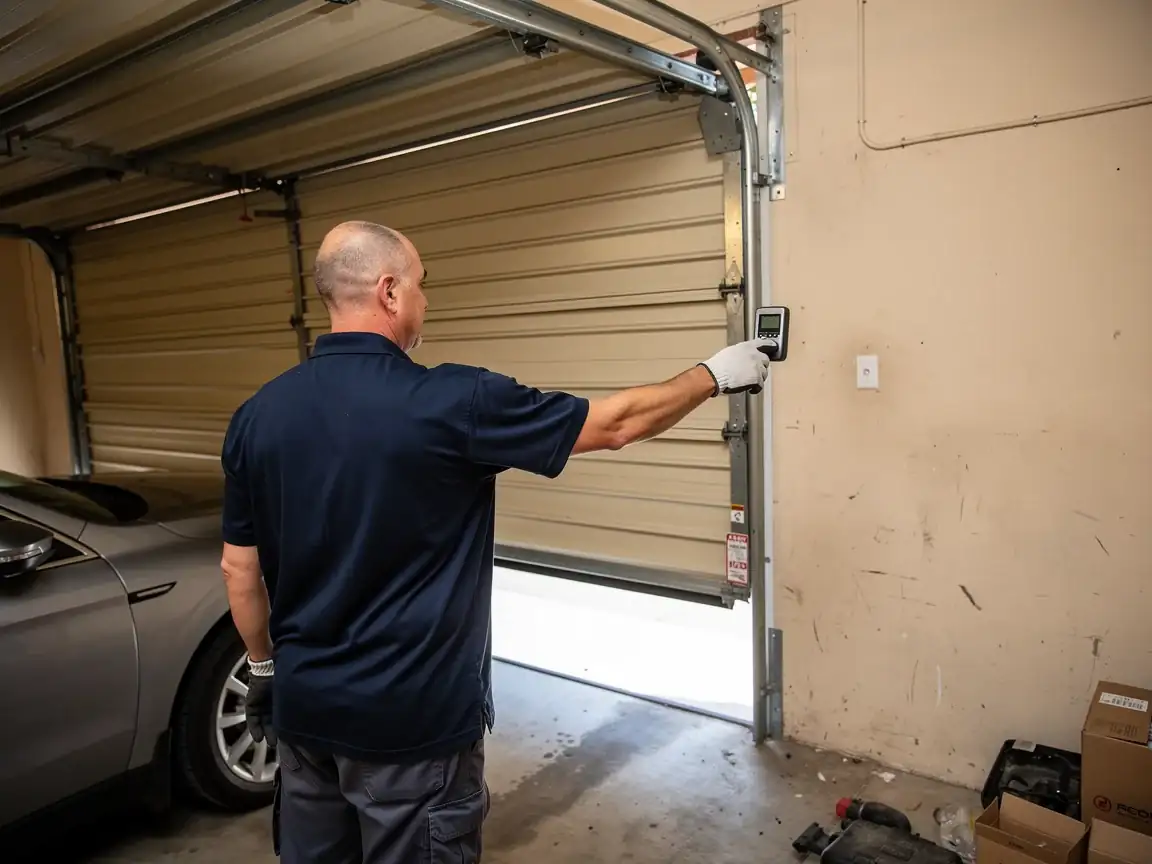
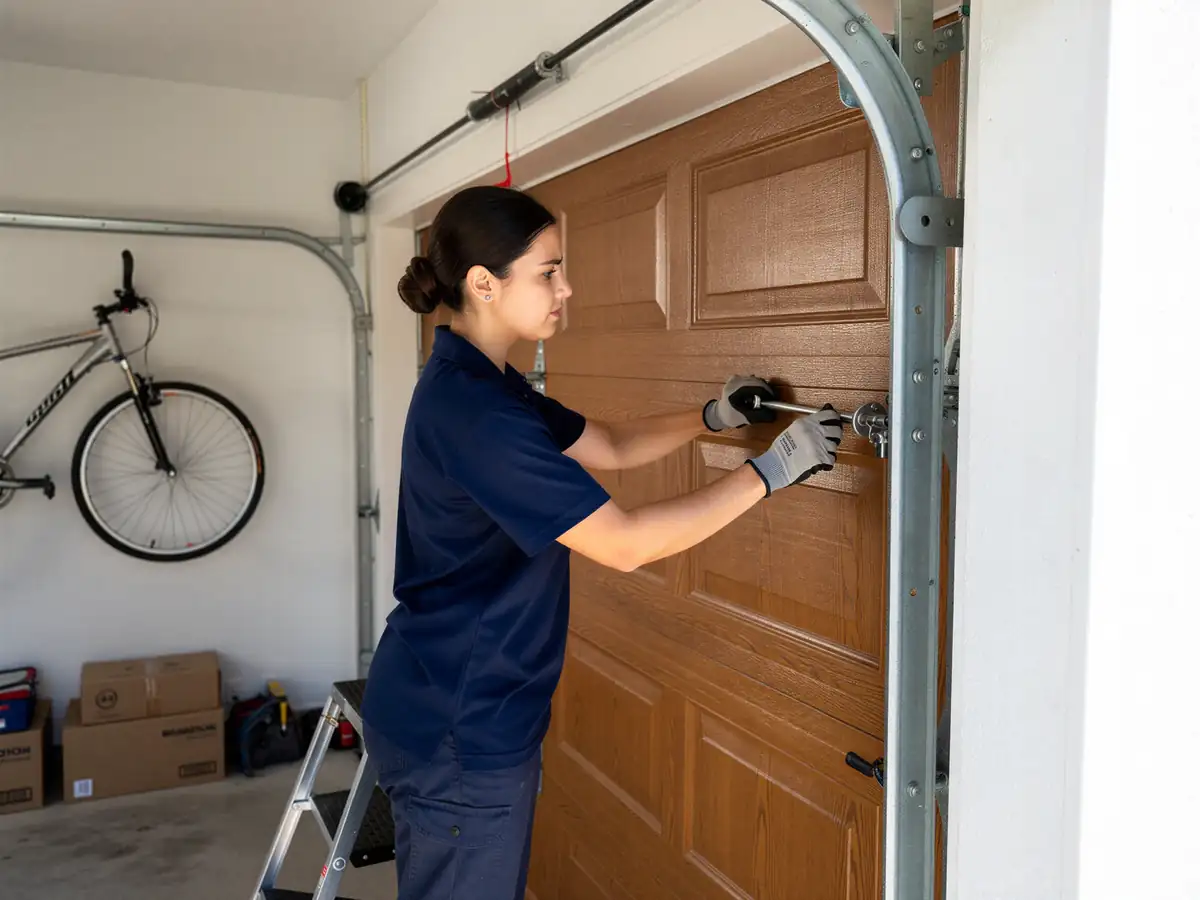
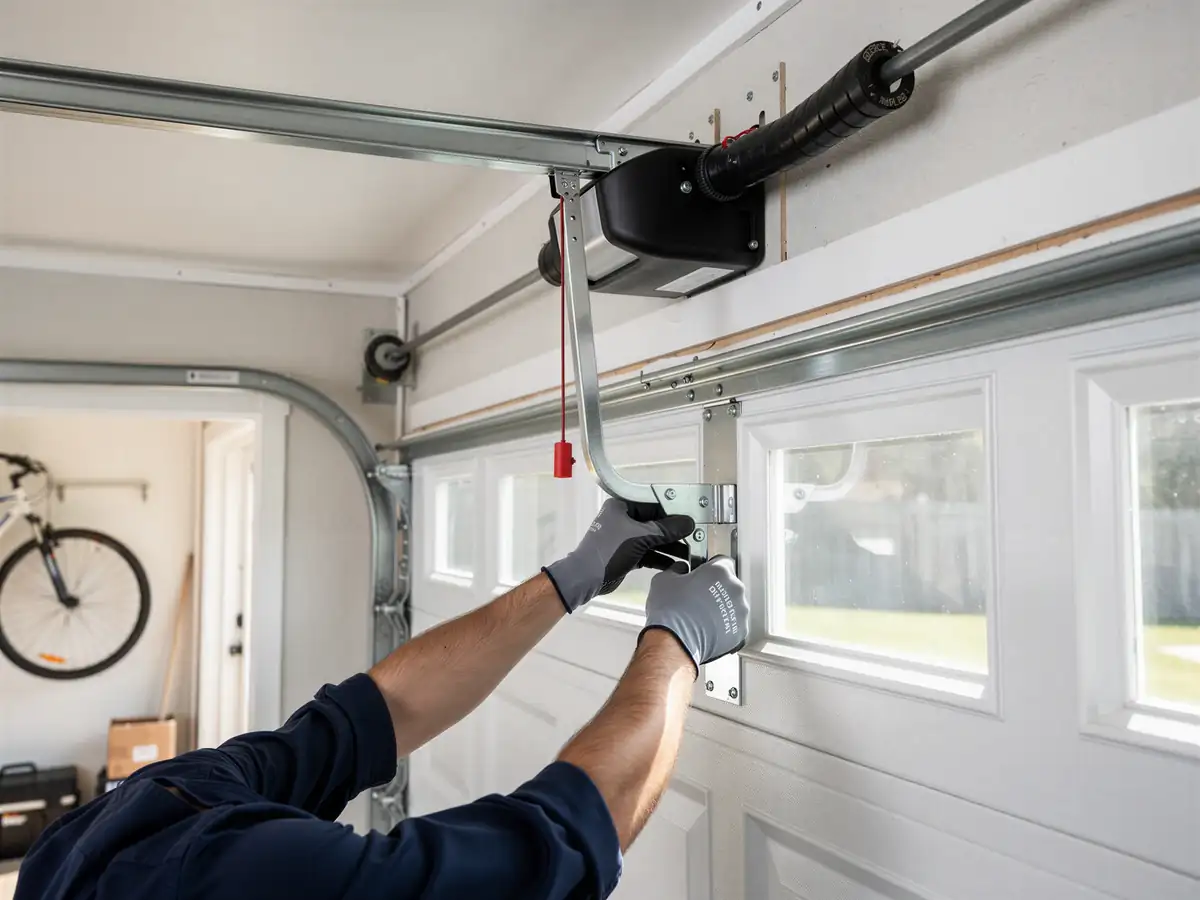
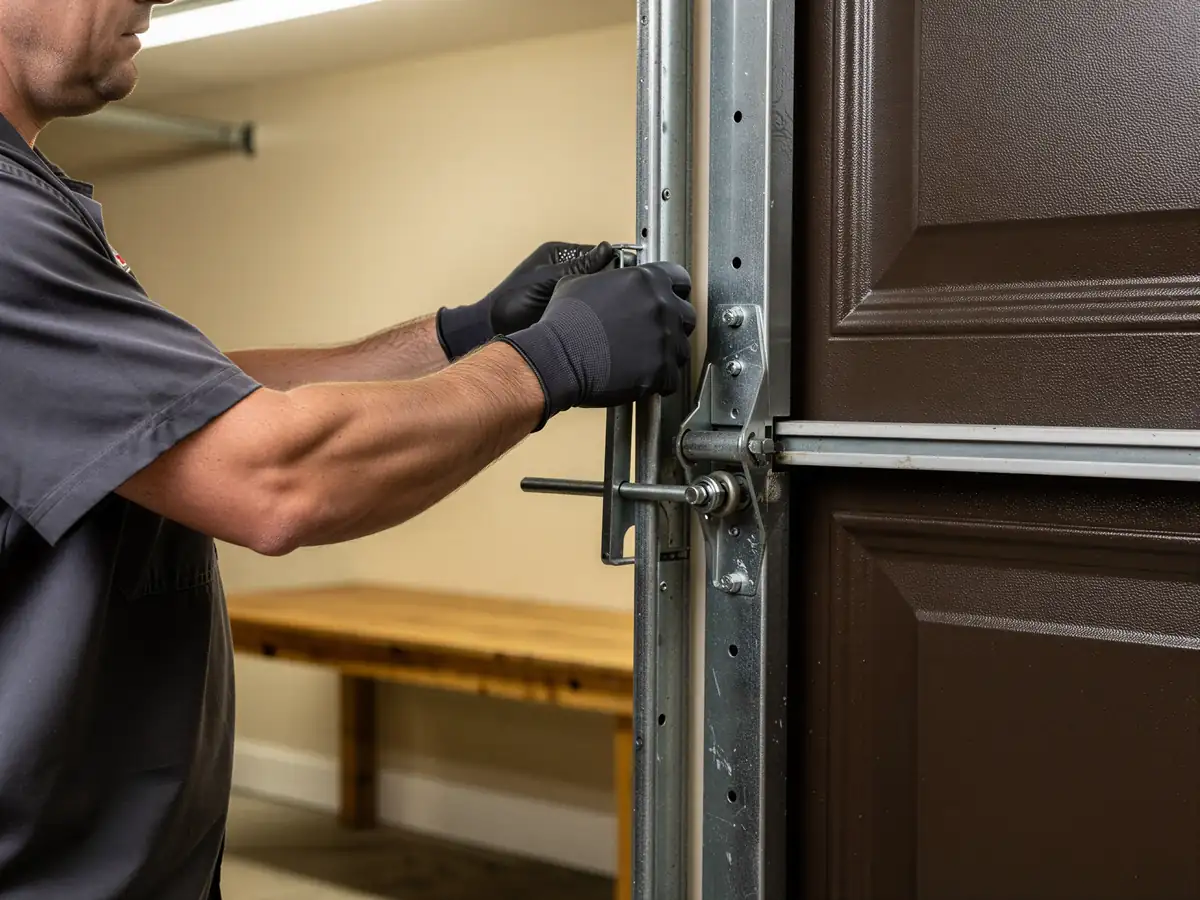
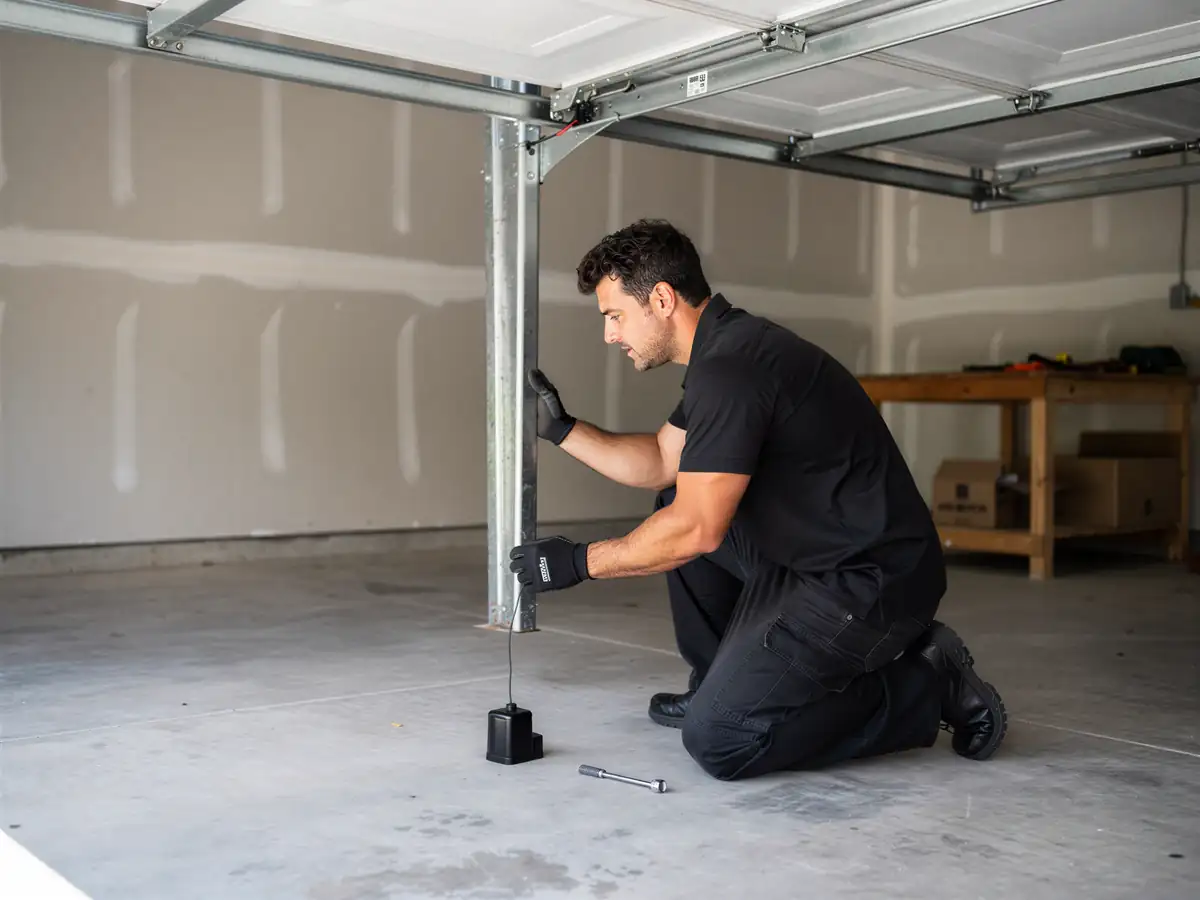
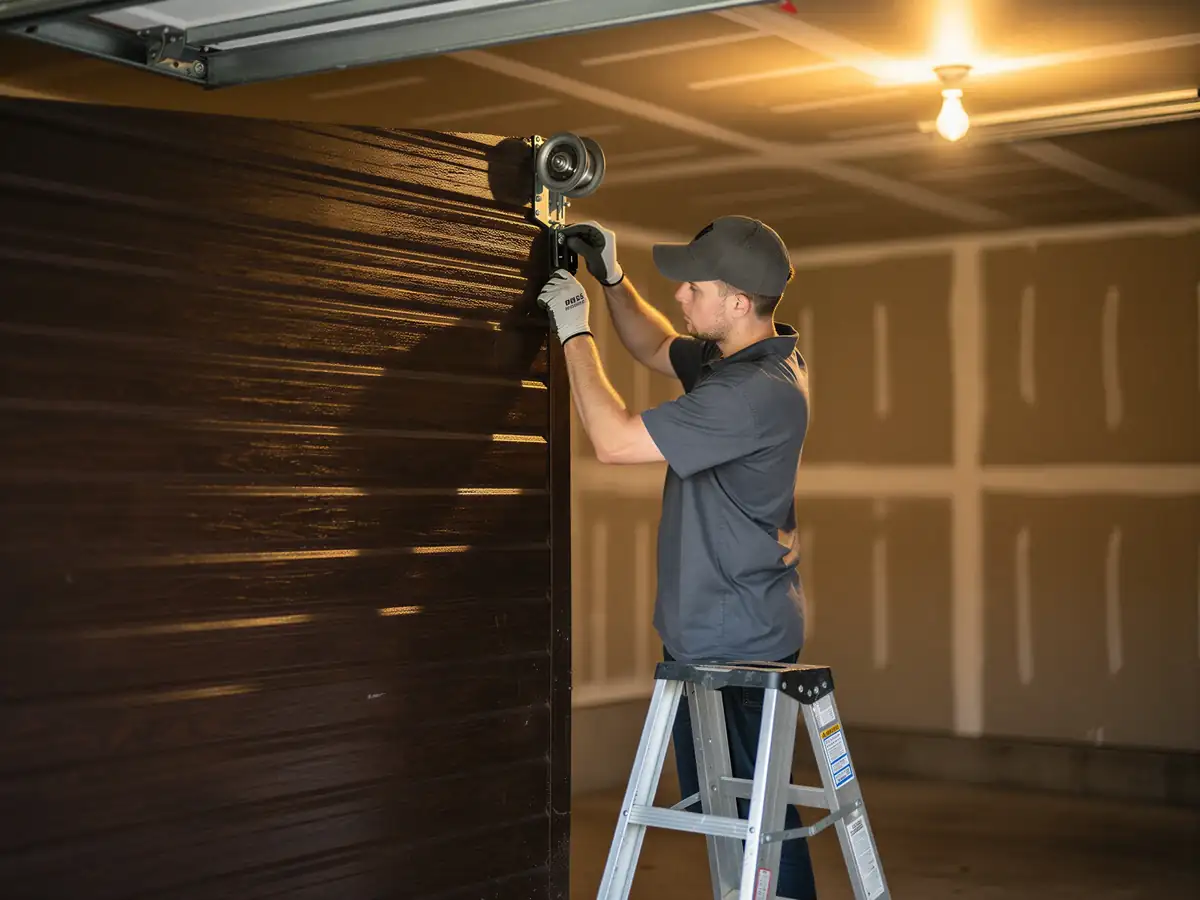
Swapping a single roller on the bottom track
With the door down and the opener disconnected, is a job some homeowners handle fine. Where it gets risky is anywhere near the top rollers on a torsion-spring door, because you're working close to a spring under load. If a roller has already seized and you're forcing the door by hand, stop - a bent track from forcing a stuck roller costs more to fix than the roller ever would have.
We'll say the honest thing
If you're comfortable with hand tools and the door is down and secured, bottom roller swaps are within reach for most people. Top rollers, cable involvement, or anything where the spring is in play - that's where a service call earns its keep.
How to Book
We run out of Orland Park, about 6 miles from Mokena, and we come out for roller jobs on a scheduled basis rather than keeping a branch in town. Call or book through the Mokena service page and tell us the door's rough age and whether it's single or double - that's usually enough for us to bring the right roller stock the first trip.
Since most Mokena doors share that same mid-90s build window, we can usually match roller size and stem length without a separate scouting visit. If your door is older or was replaced at some point and doesn't fit that profile, mention it when you call so we bring options.
For the broader rundown on how roller replacement works as a service - sealed bearing versus nylon, what a full set runs versus a spot repair - that's covered on the Orland Park roller replacement page, not repeated here.
The Complications
A 1996-era door usually still has its original rollers if nobody's touched it, which means close to thirty years of cycles on the same nylon wheels. Nylon rollers from that period don't fail all at once - they wear unevenly, and by the time one is loud enough to notice, the others on that track are usually close behind. Replacing just the noisy one is a short-term fix more often than not.
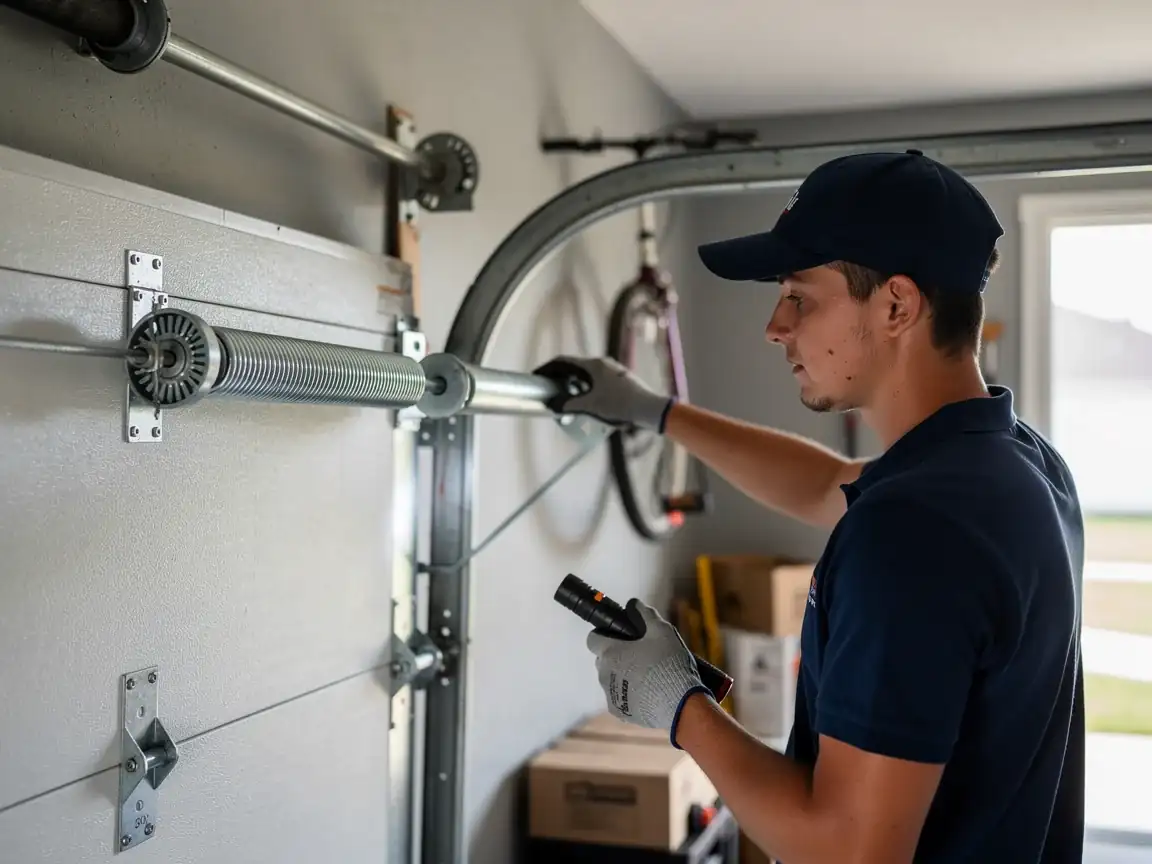
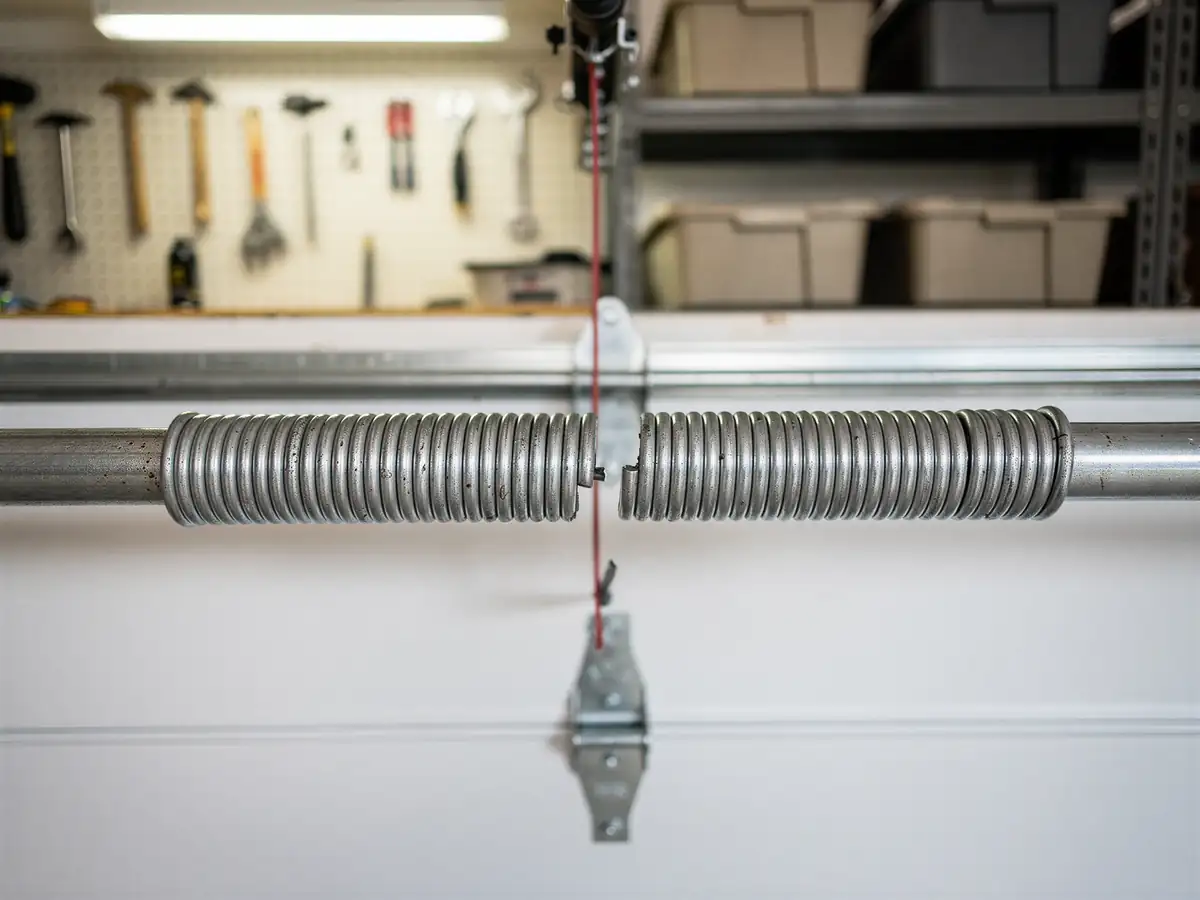
The complication specific to this housing stock is spring load. Builder-grade double doors from the mid-90s typically run heavier torsion springs sized for a 16-foot steel door, and a full roller set means working the door up and down repeatedly while the spring is under tension. That's not a step to skip or rush.
One more thing worth saying plainly: if the track itself is bent or the door has been dragging on seized rollers for a while, roller replacement alone won't fix the symptom. Sometimes the honest call is that the track needs straightening or replacing too, and we'd rather tell you that up front than sell a roller job that doesn't solve the noise.
Why It Happens Here
Mokena's housing is newer than a lot of the rest of this service area
Average household income here runs well above the regional figure of $79,442, and the building stock reflects that: larger, newer construction concentrated around a 1996 median build year rather than the 1938-2004 spread with a 1970 median you'll find across the wider area. Newer doesn't mean maintenance-free, though. Nylon rollers have a service life regardless of how nice the house around them is, and a door installed in the mid-90s is now old enough that original rollers are reaching the end of that life across a lot of Mokena's roughly 7,227 households at once.
- 7,227 households
The area also sits in a cold, moderate climate band
Which plays into roller wear indirectly - temperature swings between a heated garage and a winter night stiffen nylon and dry out what lubrication is left on an aging roller. It's not dramatic, just steady wear that shows up as noise before it shows up as a stuck door.