Stocked Parts
Shorewood's houses mostly went up around 2001
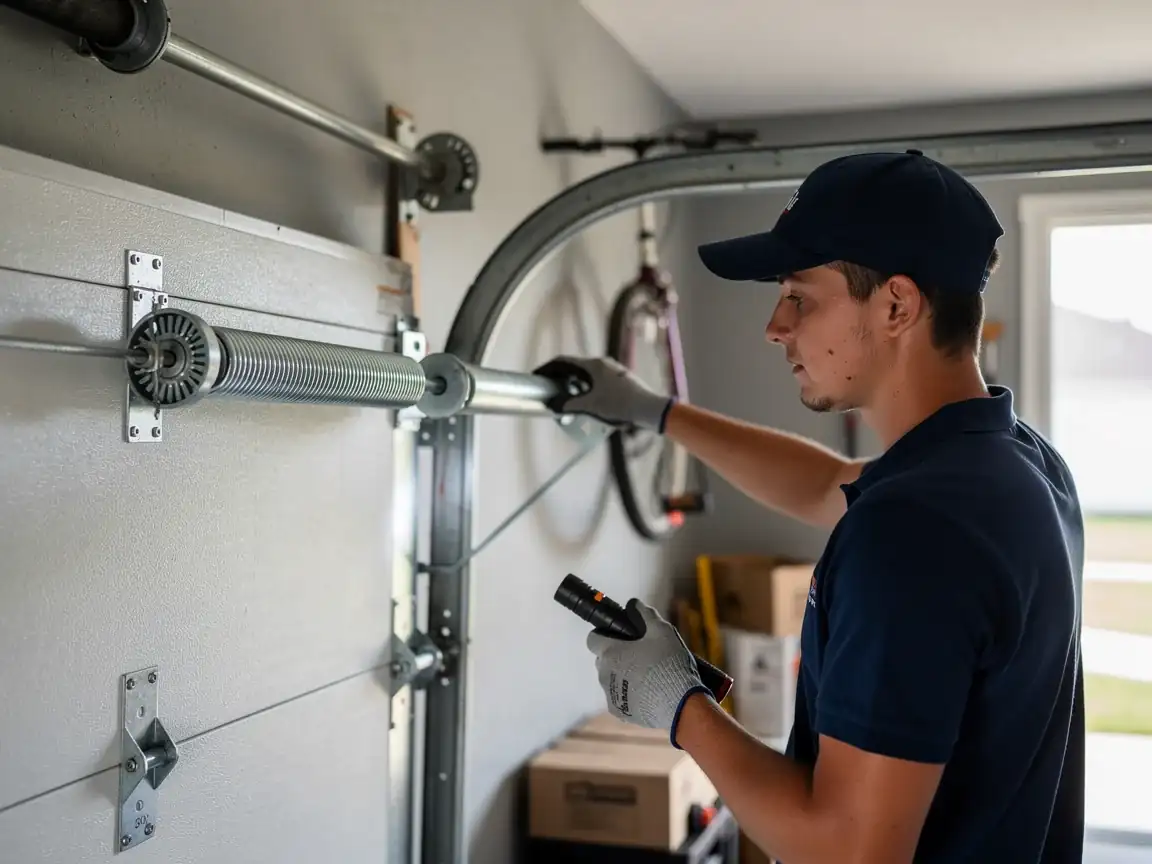
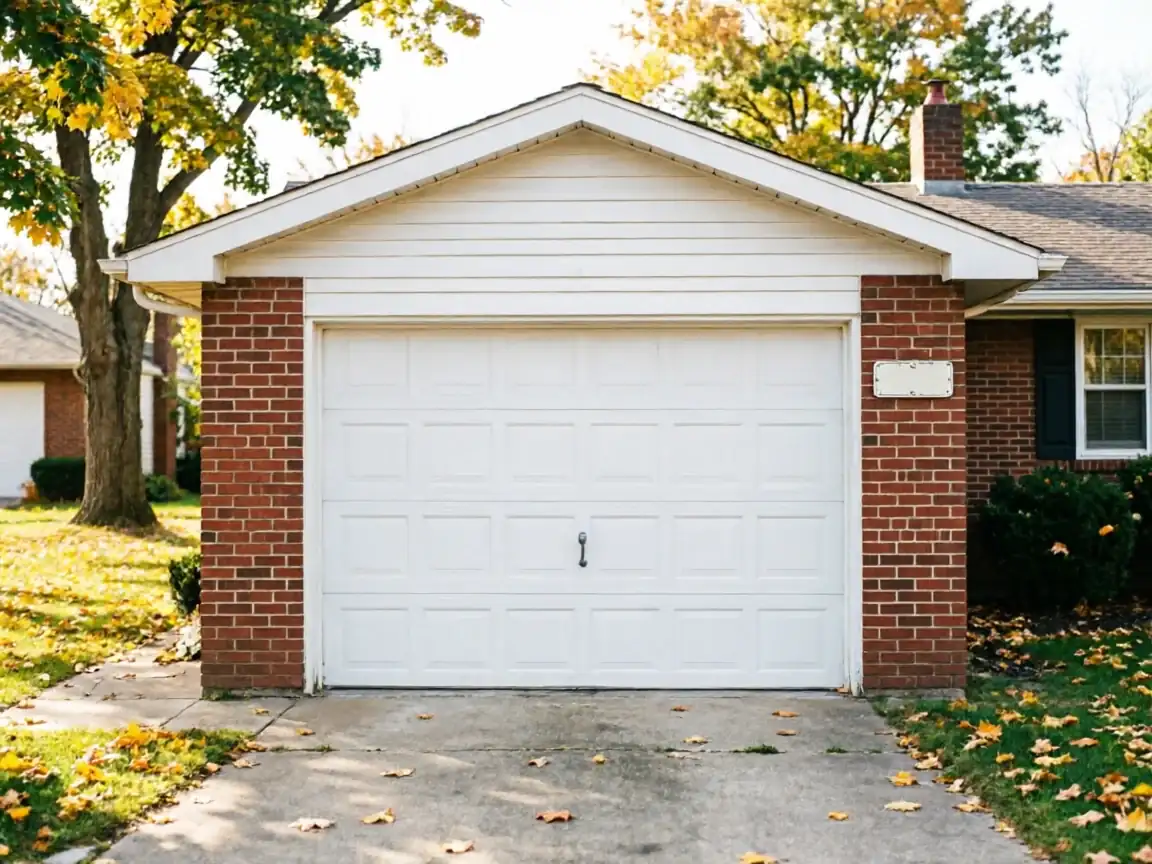
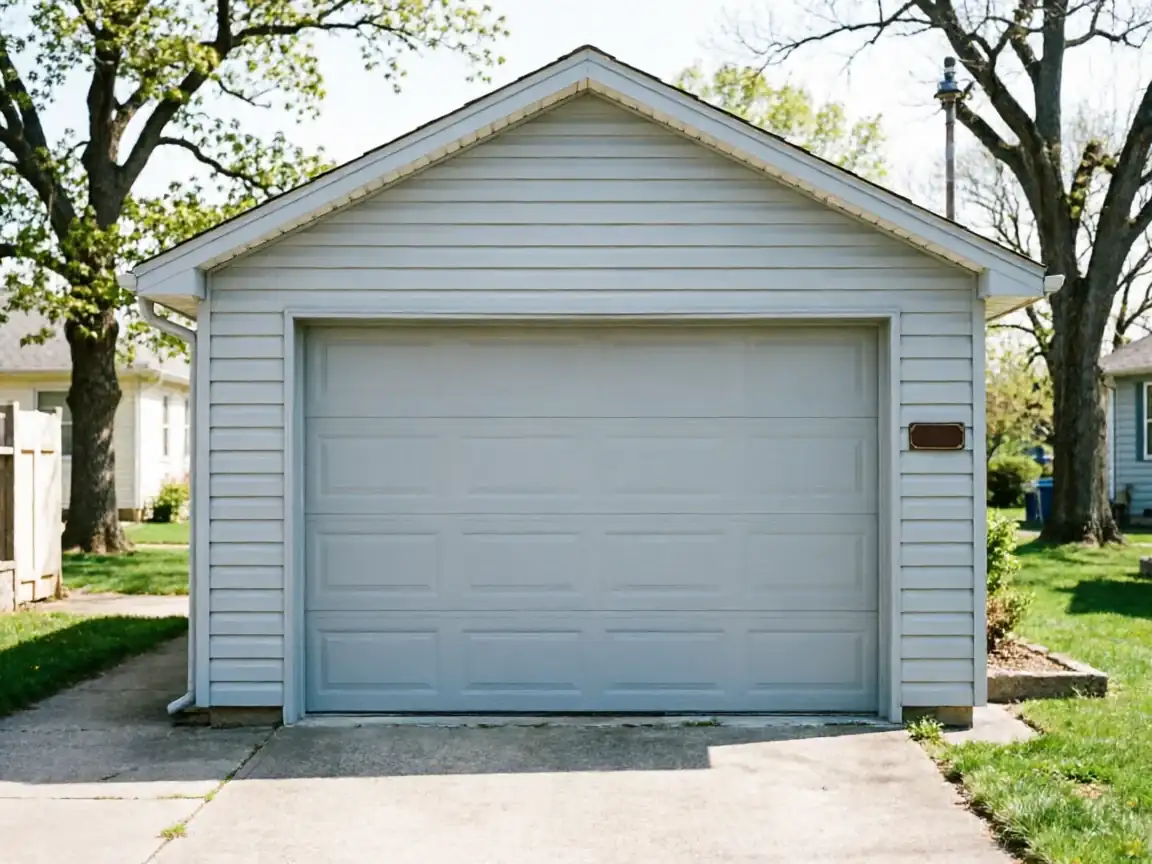
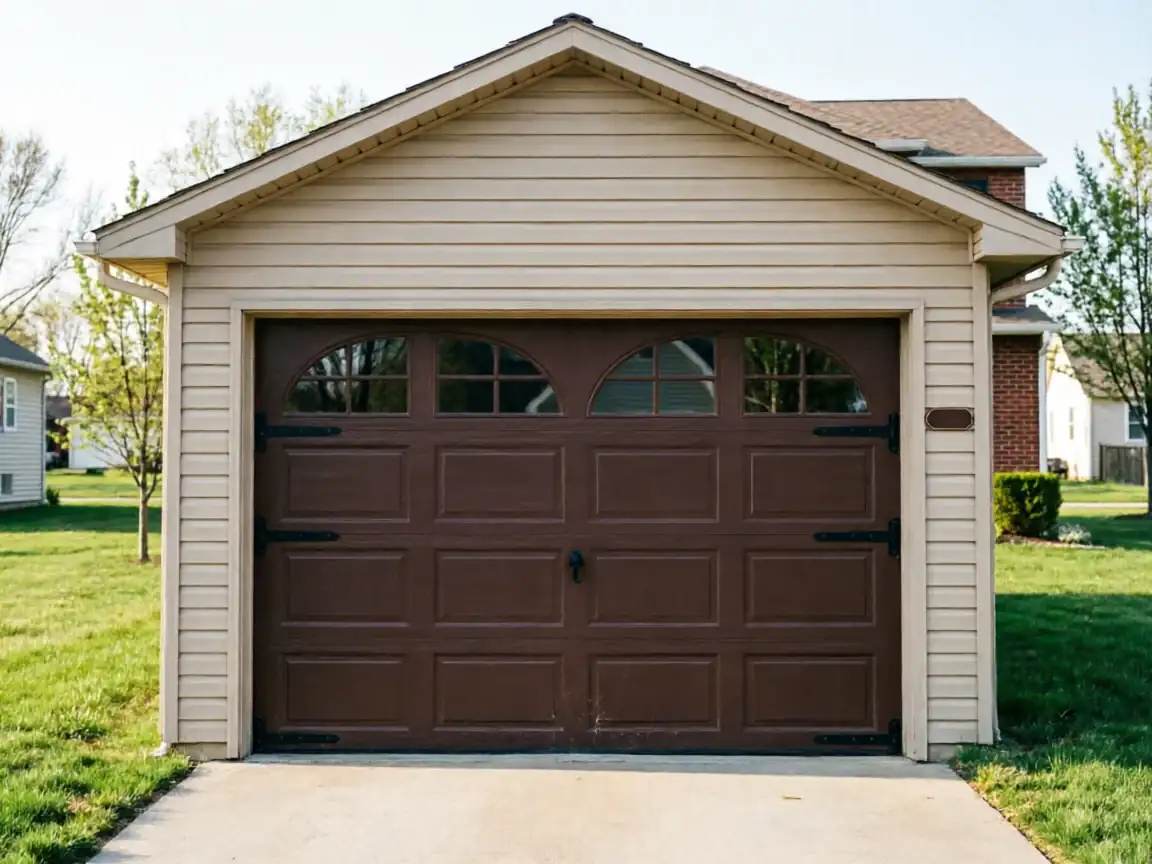
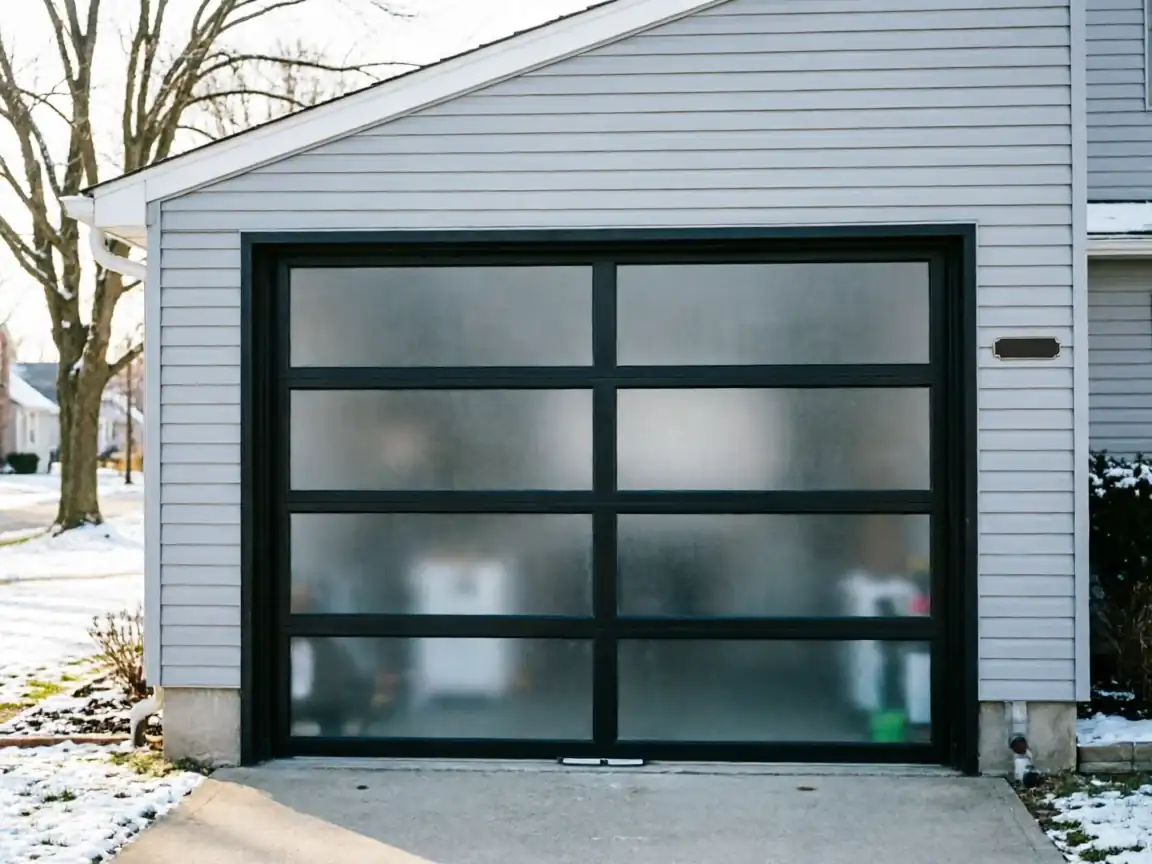
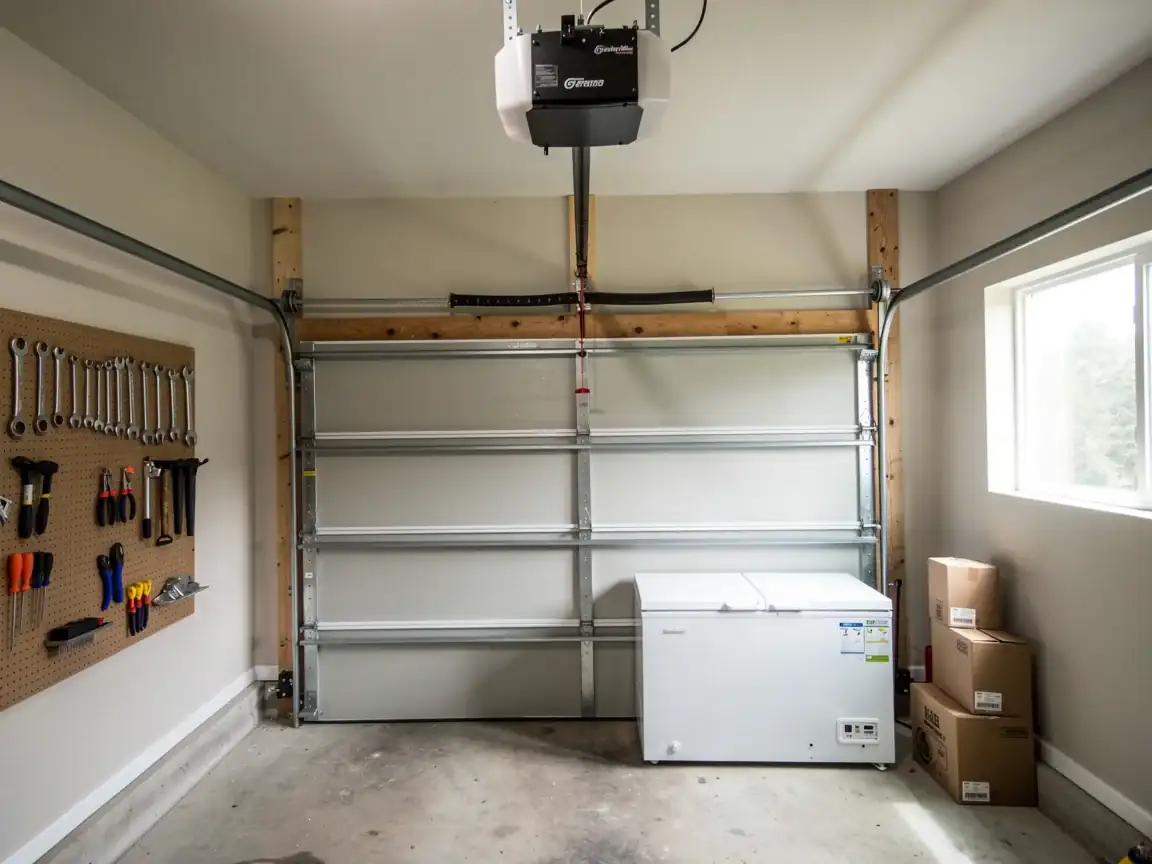
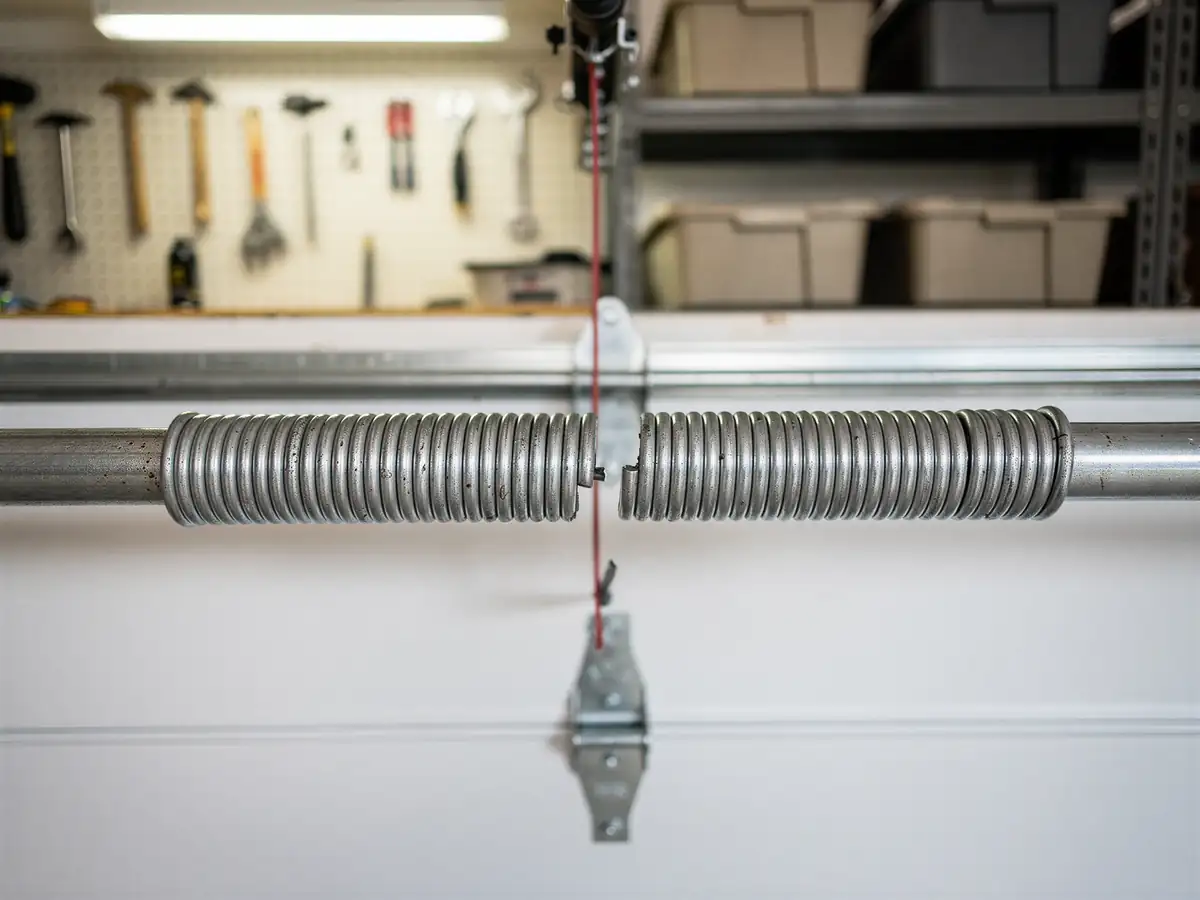
Which puts them two full decades newer than the median home across the rest of this service area, where the build year sits closer to 1970. That matters for what's on the truck. Newer construction here almost always came with factory torsion springs on standard brackets, insulated steel skins, and openers with photo-eye sensors already wired in - not the older extension-spring, side-mounted setups you find on the pre-1970 stock elsewhere. We carry standard torsion springs sized for 16-foot and 9-foot insulated steel doors, the two widths that cover most two-car and three-car openings in a build era like this one. What we don't carry on the truck is anything custom - a specialty wood-clad door, an odd glass-panel order, or a nonstandard width. Those get special-ordered, and that's the honest limitation: if your opening isn't a common size, expect a longer lead time than a stock swap.
Because the housing here skews newer, we spend less time improvising brackets for hardware that hasn't been made in forty years
And more time matching factory specs on doors that are still well within a normal service life.
The Complications
A 2001 median build year means most garages in Shorewood were designed for a double-car or triple-car door from the start, with headroom and track clearance already built to that width - unlike older housing stock where a one-piece door got swapped into an opening never meant for a sectional track. The complication on newer builds is usually the opposite problem: deeper garages, taller ceilings, and sometimes a step-up slab that changes track geometry at the bottom.
This area sits in a cold, moderate climate band, which means the door and its weatherstripping need to handle real temperature swings through the year - a poorly sealed bottom panel on an insulated door here isn't just a draft, it's a path for frost to build on the inside face of the panel. We check seal fit and bottom astragal condition on every install, not just panel squareness. What we can't fix in the same visit is a header or jamb that's out of square from settling - that's carpentry, and we'll tell you plainly if that's what's holding the job up rather than force a door into an opening that isn't ready for it.
How to Book
We run this job out of Orland Park, about 19 miles from Shorewood, so an install here is a scheduled appointment rather than a same-day drop-in. Call ahead and give us the door size, approximate age of the house, and whether you're replacing a single door or doing a two-door job - that lets us load the right spring sizes and panel widths before the truck leaves.
You can see current scheduling and service details for Shorewood at /shorewood/garage-door-service/. If you're also looking into what a full installation covers across the broader area we serve from Orland Park, that's laid out on our main new garage door installation page.
Given the drive, we batch Shorewood appointments where we can, so flexibility on the day helps us get to you sooner rather than slotting you weeks out for a single stop.
What the Fix Involves
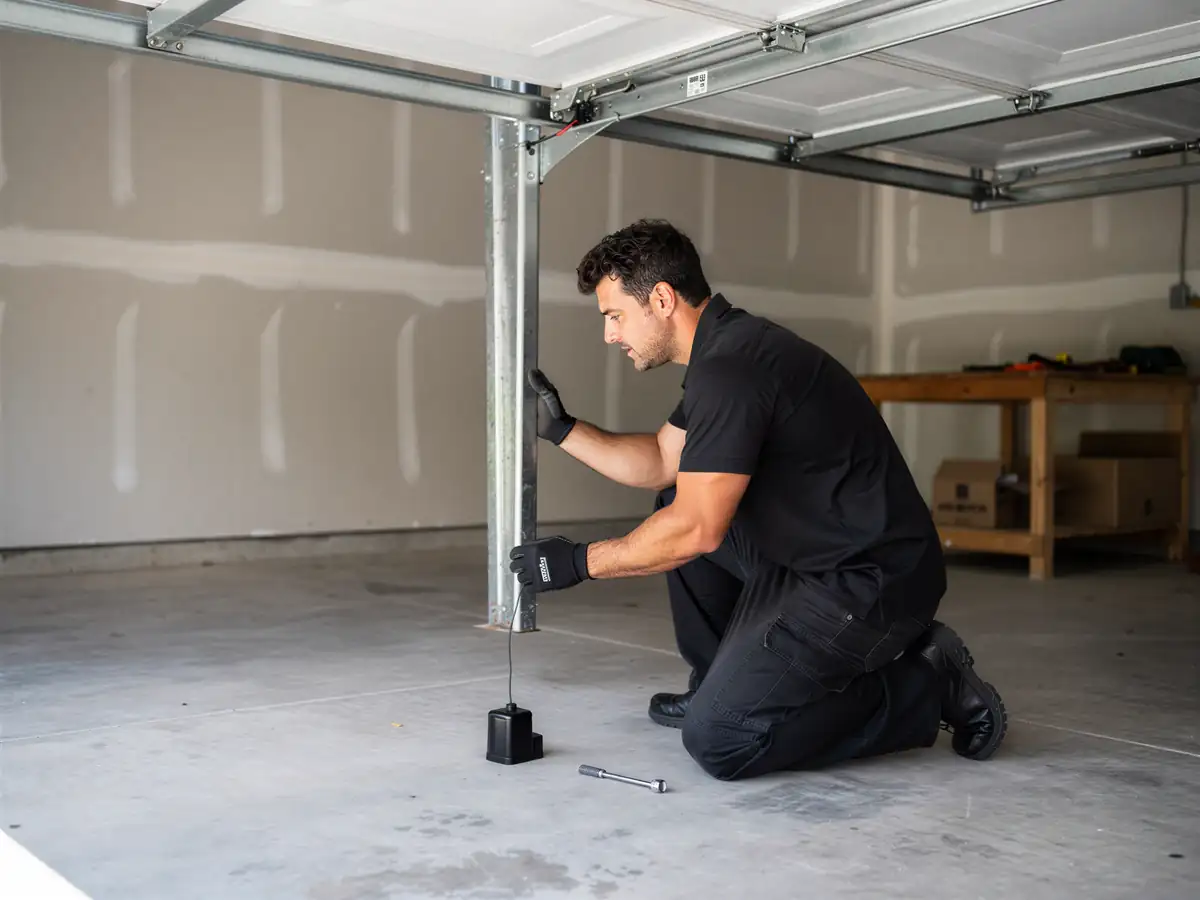
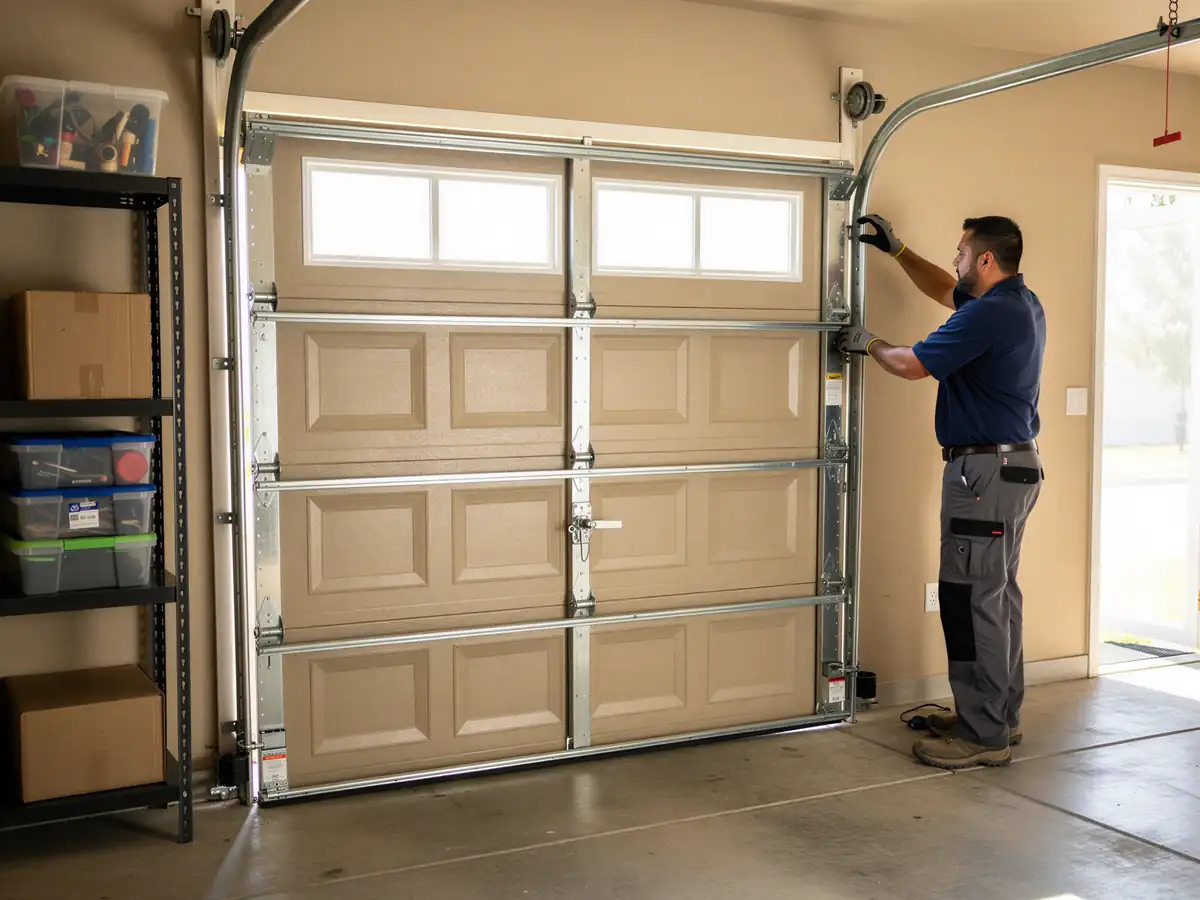
The job starts with measuring the existing opening and checking it against the new door's rough-in specs
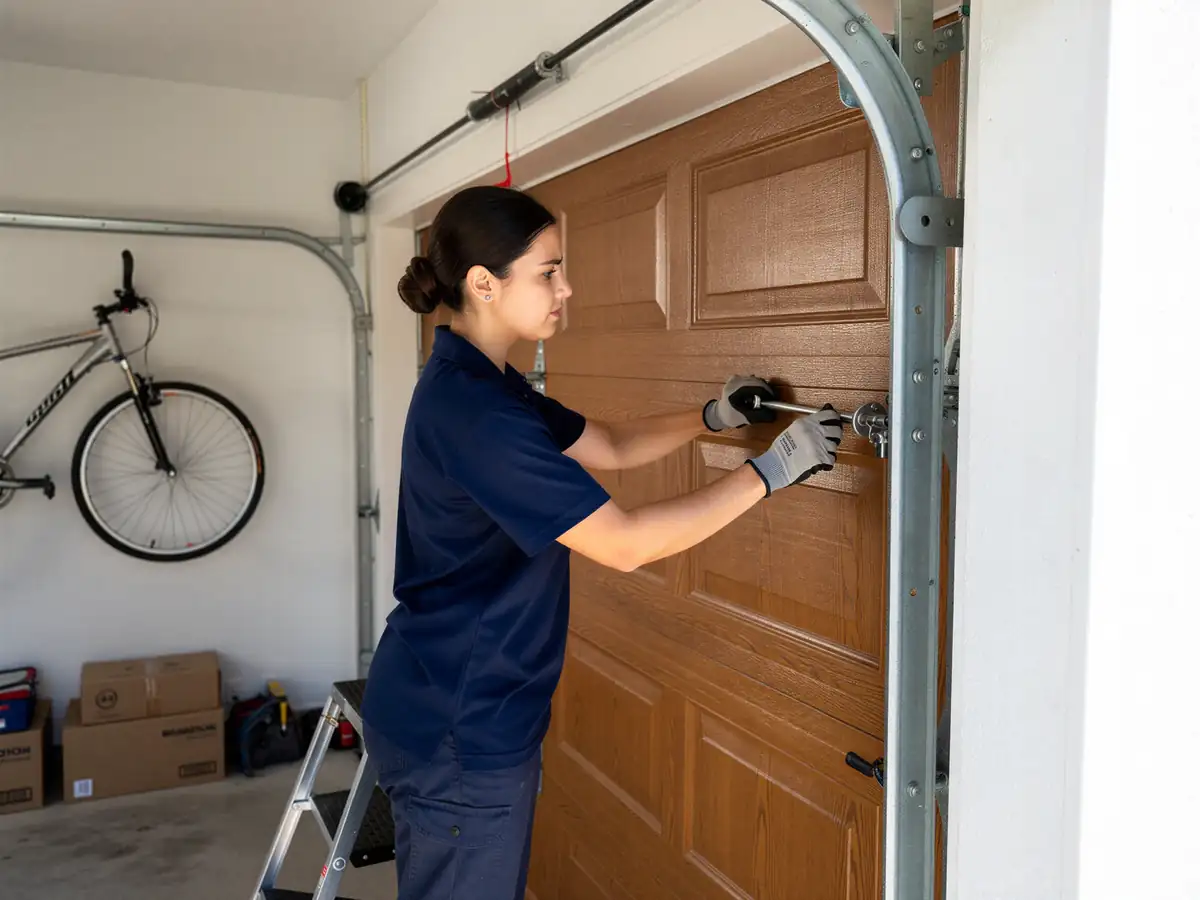
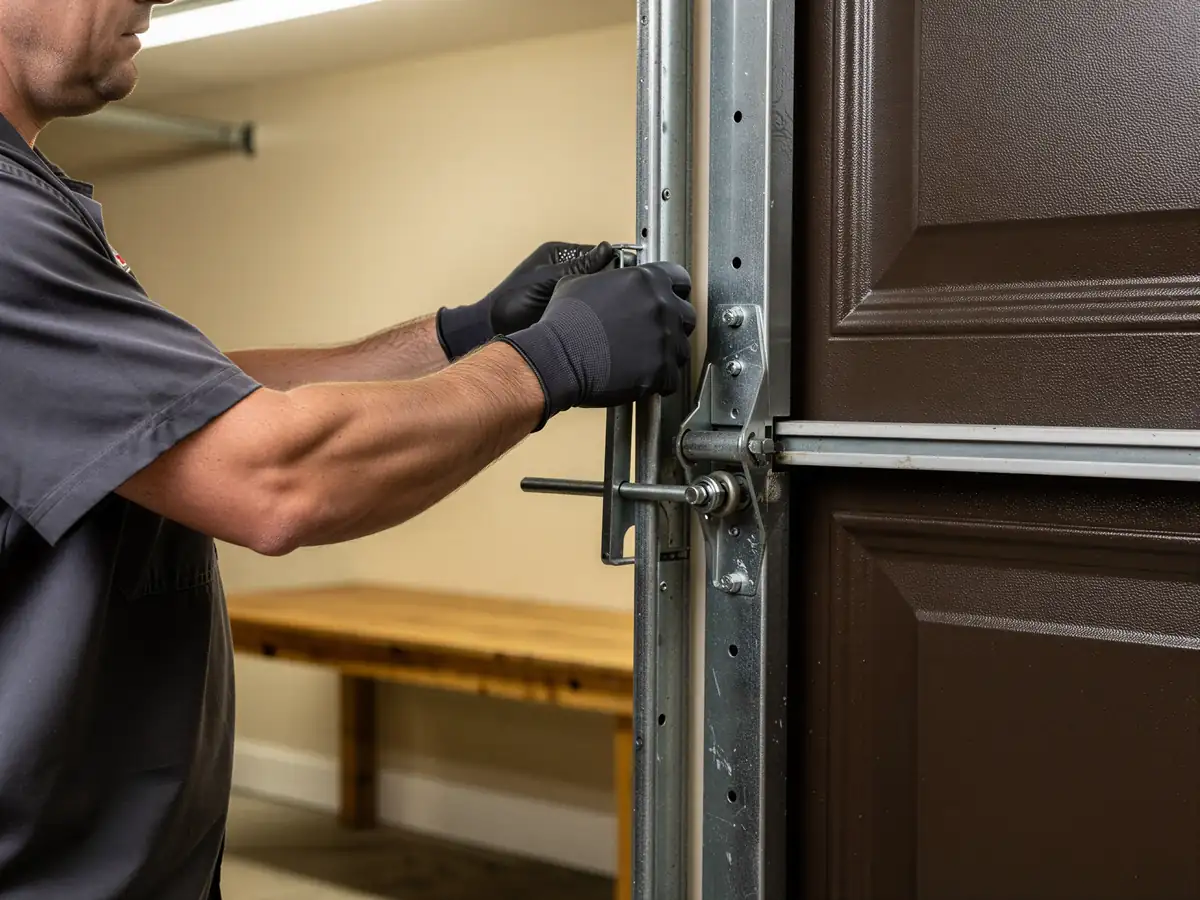
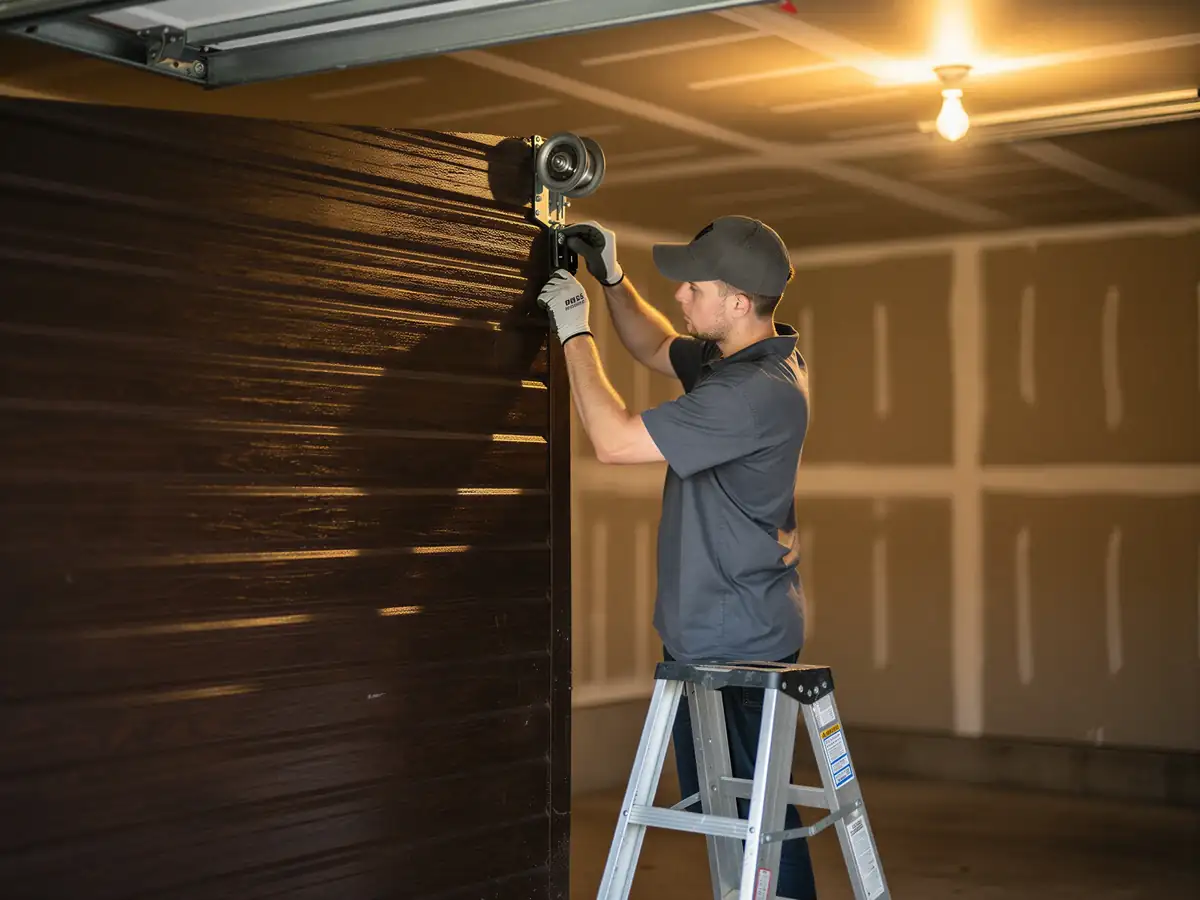
On a house built around 2001, that opening is almost always a standard width, which keeps this step quick. We pull the old panels and track, inspect the jambs for square, and set new track plumb before the first panel goes in.
Spring sizing comes next
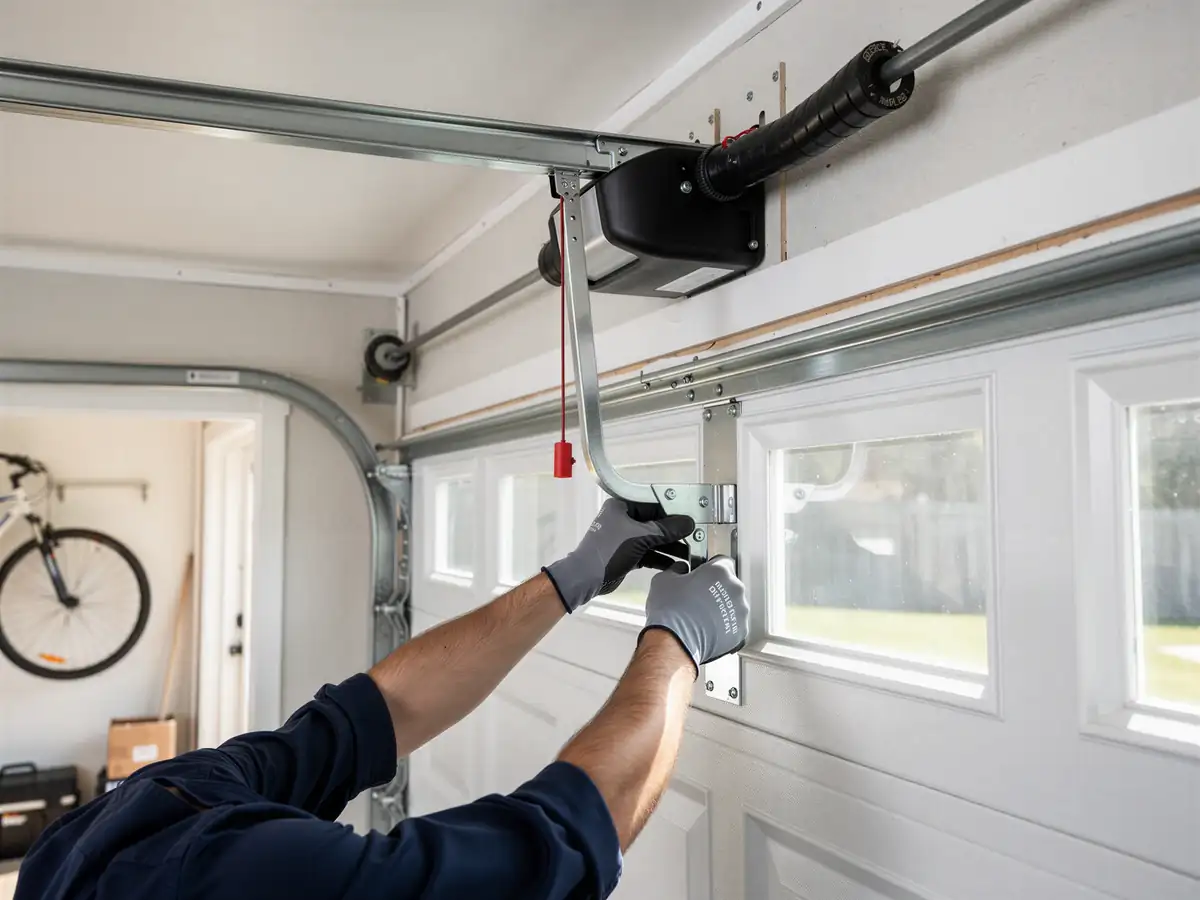
A new insulated steel door weighs differently than whatever came off the house originally, so the torsion spring gets matched to the actual door weight, not just swapped like-for-like. We set the opener's travel limits and force settings to the new door and confirm the photo-eye sensors are aligned - most homes in this build era already have the sensor brackets in place, so that part is usually a reconnect rather than a new install.
Last step is weatherseal
Bottom astragal, side seals, and top seal, fitted tight given the cold-climate swings this area sees through the year. We test full open-close cycles before we call it done, and we walk through the opener's manual release and safety reverse with whoever's home.
How Long It Takes
Most of this job's length depends on whether it's a straight swap on a standard opening or something that needs extra carpentry at the jamb. Because Shorewood's housing stock is newer and openings tend to be built to standard sectional-door widths, the measuring and track-setting steps usually go faster here than on an older house where the opening was never square to begin with.
We don't quote a fixed number of hours up front because every job has a different mix of panel count, spring size, and opener work, and padding out a time estimate before we've seen the opening doesn't help you plan your day. What we will tell you on the call is whether your job sounds like a single-visit swap or one that's likely to need a return trip for a special-order part. If it's the latter, we say so before we schedule, not after.
The Cost of This Job
We don't have a set price to quote here - the final number depends on door size, insulation level, and whether the opener gets replaced along with the door. What we can say is that Shorewood's median household income, at $122,648, runs well above the $79,442 median across the rest of this service area, and that often shows up in the kind of door homeowners here choose - more insulated steel and composite-clad options, fewer bare single-layer doors.
The honest limitation: a custom door - wood overlay, full-view glass, a nonstandard width - costs more and takes longer to get, and we'll tell you that on the estimate call rather than let a stock quote surprise you later. A straight two-car insulated steel swap on a standard opening is the most common job we run in a newer-build town like this, and it's priced accordingly against the parts and labor involved, not against a flat rate.